2027 Health Sciences Salary Trends Report: Are Wages Keeping Up With Tuition and Inflation?

Co-Founder and Chief Data Scientist
Consider a prospective health sciences student weighing the decision to invest in their education amid rising tuition costs and ongoing inflation. The student faces uncertainty about whether the potential salary upon graduation will sufficiently offset the growing financial burden. Evaluating wage increases alongside rising education expenses and reduced purchasing power is essential for making an informed choice. Without this analysis, the return on investment remains unclear, possibly leading to costly decisions.
Salary growth, tuition hikes, and inflation rarely align at the same rate, creating a complex financial landscape for health sciences graduates. Focusing solely on starting salaries overlooks crucial factors like long-term earning potential and cost trends. This article examines salary trends, tuition costs, inflation, return on investment, affordability, and the variables shaping the financial value of a health sciences degree over time.
Key Things to Know About Health Sciences Salary Trends
- Graduate wages in health sciences have grown 3% annually since 2022, lagging behind average tuition hikes near 6%, reducing net income gains for early career professionals.
- Inflationary pressure on living costs outpaces entry-level salaries, implying many graduates face delayed wealth accumulation despite sector growth, impacting long-term financial stability.
- Specialization and credentialing correlate strongly with higher salary brackets; those focusing on emerging subfields can offset initial cost burdens through accelerated income growth.
- Key Things to Know About Health Sciences Salary Trends Key Things to Know About Health Sciences Salary Trends
- What Is the Current Salary Outlook for Health Sciences Graduates? Salary Outlook
- Are Health Sciences Salaries Keeping Up With Inflation? Inflation Impact
- How Do Tuition Costs Compare With Health Sciences Salary Growth? Tuition vs Salary
- Does a Health Sciences Degree Deliver a Positive Return on Investment? Degree ROI
- Which Industries Offer the Highest Salaries for Health Sciences Graduates? Which Industries Offer the Highest Salaries for Health Sciences Graduates?
- Which States and Cities Offer the Highest Pay for Health Sciences Professionals? Which States and Cities Offer the Highest Pay for Health Sciences Professionals?
- How Do Health Sciences Salaries Grow Throughout a Career? Career Growth
- How Do Health Sciences Salaries Compare With Similar Degrees? Salary Comparison
- How Is Employer Demand Affecting Health Sciences Salary Trends? Employer Demand
- How Can Students Maximize Their Lifetime Earnings With a Health Sciences Degree? Maximizing Earnings
What Is the Current Salary Outlook for Health Sciences Graduates?
The salary outlook for health sciences graduates in 2024 presents a cautiously positive picture shaped by several economic factors. Median wages for key roles such as registered nurses have risen modestly, with salaries around $80,000, while medical and health services managers see higher median earnings nearing $105,000, reflecting steady demand in healthcare administration.
New graduates entering fields like physician assistant studies and physical therapy typically start between $55,000 and $65,000, though actual salaries can differ significantly depending on location, specialization, and local labor market tightness, illustrating how two individuals with the same degree might experience very different initial outcomes.
For example, one graduate working as a clinical laboratory technologist in a metropolitan area with high demand might secure a starting wage near the upper range, while another entering a less saturated market or a lower-cost region might begin closer to the median. This variation underscores the importance of examining earning potential beyond initial salary, considering long-term career progression, job security, and sector growth.
The 2024 salary outlook must also be understood in the context of inflation above 4%, which diminishes the real value of nominal wage gains and makes the cost of education, often rising more rapidly, a critical factor when evaluating degree return on investment.
Despite these economic pressures, health sciences degrees offer strong prospects due to steady expansion in healthcare needs driven by aging populations and technological change.
Graduates evaluating their options should weigh entry-level salary data alongside opportunities for advancement, potential specialization, and available educational pathways, including best DNP programs online that can enhance credentials and improve lifetime earnings. The key is a nuanced appraisal that balances immediate income expectations against projected earnings growth and career sustainability in a fluctuating economic landscape.
Are Health Sciences Salaries Keeping Up With Inflation?
Although nominal wages in many health sciences occupations have seen increases averaging between 2% and 3% annually, these gains fall short of the roughly 4% inflation rate reported by the U.S. Bureau of Labor Statistics Consumer Price Index data. This disparity means that even as paychecks grow, the real purchasing power of health sciences professionals is declining, as everyday expenses-from housing to healthcare-rise faster than salaries.
For example, a registered nurse receiving a 3% raise may find it difficult to cover the increasing costs of rent and utilities, effectively reducing disposable income despite the nominal salary bump. This highlights the practical challenge prospective and current graduates face when evaluating the true financial benefits of their degree amid inflationary pressures.
Compounding this issue is the upward trajectory of tuition costs for health sciences programs, which increased at a faster pace-around 3.5% annually-than wage growth in many health sciences roles, according to National Center for Education Statistics data. These diverging trends create tighter financial conditions for students financing their education and entering the workforce, especially in roles with limited advancement or wage growth.
Career pathways with higher barriers such as specialization or advanced practice often moderate this gap by commanding better compensation, but entry-level positions frequently face wage stagnation. Prospective students and career changers should weigh the nuances of health sciences salary trends and inflation impact carefully, alongside career outlook considerations like the medical coding job outlook, to realistically assess long-term earning potential.
How Do Tuition Costs Compare With Health Sciences Salary Growth?
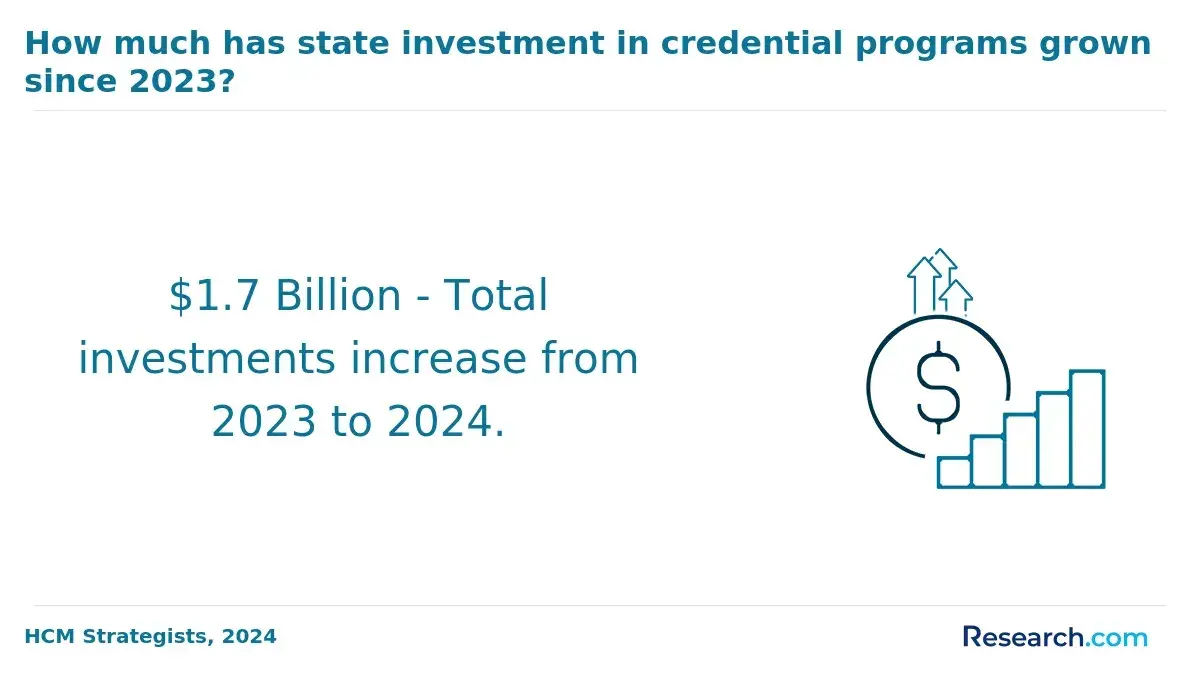
Evaluating the financial benefit of a health sciences degree requires examining how tuition trends align with salary growth over time. Tuition prices have surged by roughly 50% in real terms since 2010, with public universities charging between $10,000 and $18,000 annually and private institutions exceeding $30,000, according to the National Center for Education Statistics.
In comparison, while entry-level salaries start near $45,000 to $55,000, mid-career wage increases average around 3% per year, slightly trailing inflation pressures documented by the Bureau of Labor Statistics. This disparity means students face rising upfront costs that often outpace income growth, affecting their ability to quickly break even on educational investments.
Understanding this cost-to-earnings relationship goes beyond isolated figures to reveal how economic factors and individual circumstances shape outcomes. For instance, a student attending a public university might manage tuition with moderate loans, yet slower salary gains could extend their repayment period and limit flexibility.
Conversely, another graduate paying private tuition may incur higher debt but access specialized roles with potentially greater earning ceilings, altering the overall calculus. Factors such as loan interest rates, geographic job markets, and career mobility critically influence whether tuition hikes translate into long-term financial strain or reasonable returns in health sciences careers.
One recent graduate reflected on the difficult decision to enroll in a health sciences program amid rapidly climbing tuition. Initially hesitant about the growing cost, they weighed potential salary growth against loan burdens, especially since early wages barely covered living expenses.
Despite taking on substantial debt, the graduate found that steady-but modest-salary increments and strong job security justified the investment over the long term. Their experience underscores how the timing and magnitude of tuition increases relative to earnings can shape financial planning, making it vital for prospective students to assess their own risk tolerance and career goals before committing.
Does a Health Sciences Degree Deliver a Positive Return on Investment?
Return on investment in higher education, particularly for health sciences degrees, extends beyond initial tuition costs or entry-level salaries. It encompasses a comprehensive view of the expenses incurred to earn the degree, the long-term earning potential across varied roles, and advancement opportunities within the healthcare sector.
For example, a student pursuing an advanced degree such as a physician assistant credential may face higher upfront costs but benefits from greater salary growth and job demand over time, ultimately improving the financial payoff compared to an associate degree holder starting in a lower-wage technologist position.
Key factors shaping whether a health sciences degree yields a positive return include the specific career path chosen, the degree level achieved, and broader economic conditions like inflation and labor market demand.
According to 2024 data from the National Center for Education Statistics and the Bureau of Labor Statistics, wages for many health sciences roles have grown at rates slightly above the national inflation average of about 3%, which helps offset rising tuition fees that have increased roughly 4% annually over the past decade.
However, returns are uneven; those with advanced qualifications tend to experience a more favorable balance between educational investment and income gains, while entry-level roles with limited credentials may see tighter margins due to tuition inflation outpacing early-career salaries.
Labor market resilience driven by demographic trends, such as an aging population requiring expanded healthcare services, also plays a critical role in maintaining wage growth and employment opportunities. This dynamic suggests that, while the financial benefits of a health sciences degree are not guaranteed for every graduate, strategically selecting programs linked to high-demand specialties can help maximize long-term returns.
Ultimately, the decision to invest in a health sciences education should consider a nuanced assessment of cost, anticipated career trajectory, and evolving market needs rather than relying solely on initial salary figures or generalized assumptions.
Which Industries Offer the Highest Salaries for Health Sciences Graduates?
Graduates holding degrees in health sciences face a complex job market where salary potential varies widely depending on industry sector, role specificity, and required credentials. Industries demanding a mix of technical expertise, regulatory knowledge, and business insight typically offer the highest salaries.
Health sciences graduate salary by industry data from sources like the U.S. Bureau of Labor Statistics highlights that employers in certain fields not only compensate for skill specialization but also for the elevated responsibilities and risk factors associated with these roles. For example, a professional transitioning from general clinical care to healthcare consulting may see a significant jump in remuneration due to the added analytical and financial skill sets required.
Below are some of the top paying industries for health sciences careers:
- Pharmaceutical Manufacturing: This sector consistently ranks at the top for salary thanks to roles in clinical research, regulatory affairs, and drug development. Health sciences graduates with certifications in clinical trials or regulatory compliance often earn median wages exceeding $100,000, reflecting the advanced scientific knowledge and stringent oversight these positions demand.
- Healthcare Technology: Innovations in medical devices, health informatics, and telemedicine drive higher salaries in this industry. Positions requiring expertise in biomedical engineering or health IT management typically command pay 15% to 30% above hospital roles, rewarding technical proficiency paired with health sciences foundations.
- Healthcare Finance: A niche intersection of health sciences and finance, such as healthcare consulting and insurance underwriting, offers lucrative salaries. Professionals merging health domain knowledge with business acumen are increasingly sought after to navigate complex healthcare markets and risk assessments.
- Biotechnology Firms: Similar to pharmaceutical manufacturing but with a heavier emphasis on innovation and development, biotechnology employs health sciences graduates in roles that blend lab science with product commercialization, driving competitive wages due to the high skill and risk profile.
- Health Policy & Research Organizations: Advanced degrees in health sciences combined with policy expertise open doors to well-compensated roles that influence healthcare regulations and program funding at governmental or institutional levels.
- Medical Device Companies: These firms require scientists and clinicians to support product development and regulatory approval, offering salaries above average to those with technical knowledge and hands-on experience in clinical settings.
- Hospital Administration: While traditional clinical roles grow more slowly in pay, leadership positions in hospital administration that integrate health sciences knowledge with operational management command premium salaries over general clinical work.
Prospective students should weigh these industry salary dynamics carefully against their interests and qualifications, considering pathways such as a fast online master's in healthcare management to enhance their eligibility for higher-paying health sciences roles.
Which States and Cities Offer the Highest Pay for Health Sciences Professionals?
Location plays a critical role in shaping the financial outcomes for those entering health sciences professions. Although some metropolitan areas and states offer notably higher median salaries, these figures do not exist in isolation. Costs associated with housing, transportation, and general living expenses often offset the allure of elevated pay.
For example, a graduate considering a position in San Francisco must weigh a salary surpassing $90,000 against some of the highest living costs nationally. Understanding these economic dynamics helps professionals make informed decisions about where to pursue opportunities.
Below are key regions known for their strong compensation in health sciences fields, with insight into their unique tradeoffs:
- California Metro Areas: San Francisco and San Jose lead with median wages exceeding $90,000, fueled by dense biotech industries and prominent medical research centers. However, sky-high housing prices and living expenses challenge net income gains, making budget management crucial for professionals relocating here.
- Massachusetts - Boston: Boston's concentration of world-class hospitals and universities creates competitive salaries that often keep pace with rising tuition costs. Its robust academic and clinical research ecosystems provide rich career pathways but come with a costly urban lifestyle.
- New York City: As a historic epicenter for healthcare and clinical research, New York rewards specialized roles with premium pay. Yet, inflation-adjusted costs of living remain among the nation's highest, requiring careful financial planning to realize true economic benefits.
- Texas - Austin: Emerging tech and healthcare infrastructure expansions have pushed salaries upward in Austin. With a comparatively moderate cost of living, this city offers a more balanced scenario for recent graduates prioritizing both growth potential and affordability.
- North Carolina - Raleigh-Durham: Known for its growing healthcare sectors and research universities, this region combines rising wages with lower living expenses than coastal cities. This makes it an attractive option for those valuing a favorable cost-to-salary ratio.
How Do Health Sciences Salaries Grow Throughout a Career?
Salaries in health sciences typically begin at a moderate level, with entry positions like registered nurses earning a median annual wage near $65,000 in 2024, according to the U.S. Bureau of Labor Statistics. Growth during the first decade is often steady but influenced heavily by additional certifications, advanced degrees, and targeted skill-building.
By mid-career, professionals with 10 to 20 years of experience may see earnings rise 20% to 40% above their starting wages, especially when moving into supervisory roles or specialized fields such as physical therapy or healthcare administration. Earning a master's or doctoral degree frequently correlates with salaries exceeding $100,000 at this stage, showing that educational advancement remains a key driver of income growth.
Later career stages often yield slower wage increases but come with higher absolute salaries-senior roles like nurse practitioners or healthcare managers commonly report earnings between $110,000 and $150,000 annually. Two graduates with similar degrees might diverge widely: one who pursues further certification and leadership opportunities can outpace a peer who remains in a standard clinical role.
Factors like geographic location, chosen specialization, and willingness to take on administrative responsibilities significantly impact income trajectory, reinforcing that salary growth in health sciences is more about strategic career decisions than mere tenure.
One graduate recalled feeling uncertain after completing their health sciences degree, hesitant about committing to graduate school amid rising tuition costs. Opting first for clinical work, they gained experience but plateaued financially within years. It wasn't until returning to school for a master's in healthcare management that their salary jumped noticeably.
This gradual transition reflected a tension between immediate income needs and long-term financial goals, highlighting how careful planning and incremental investments in education can lead to meaningful wage enhancements over time.
How Do Health Sciences Salaries Compare With Similar Degrees?
Salaries among health sciences graduates reveal nuanced differences when compared to closely related degree programs such as nursing, public health, and biomedical sciences. Data from the U.S. Bureau of Labor Statistics and the National Center for Education Statistics show that while health sciences salaries often lag behind nursing, they can meet or exceed earnings in public health early on. Variation also depends heavily on career paths, advanced education, and geographic location.
Prospective students evaluating the financial viability of a health sciences degree amid rising tuition should consider the following comparisons:
- Nursing: Registered nurses generally earn higher median salaries, around $75,000 annually, compared to about $60,000 for health sciences graduates. Nursing's clinical focus and demand in hospitals and specialized care settings contribute to these wage differences, highlighting a more direct wage premium.
- Public Health: Salaries for public health graduates often start lower or on par with health sciences but typically lack the clinical wage boost seen in nursing roles. Public health careers emphasize policy, community programs, and education, where salaries depend on funding sources and government budgets.
- Biomedical Sciences: Entry-level wages in biomedical sciences hover near $55,000, especially in research roles, sometimes below health sciences salaries. However, the potential for growth through specialization or graduate study can be higher, emphasizing long-term advancement.
Given these distinctions, a health sciences degree offers versatility but usually trades some initial earning power for broader career options and gradual wage growth. Geographic differences and advanced certifications remain crucial factors shaping outcomes. Students curious about advancement in clinical roles might also explore how much does a DNP make to understand further earning possibilities within nursing pathways.
How Is Employer Demand Affecting Health Sciences Salary Trends?
Employer demand directly shapes salary trends in health sciences by intensifying competition for qualified professionals and influencing hiring strategies. For instance, a hospital system in a rapidly aging region might aggressively recruit nurses and allied health specialists, offering above-average wages and signing bonuses to fill critical vacancies.
This targeted competition forces organizations to raise compensation to attract and retain talent, notably in high-demand roles such as health informatics and telehealth, where growth outpaces traditional clinical positions. Data from the U.S. Bureau of Labor Statistics in 2024 shows employment in many health sciences occupations growing faster than average, driving wage increases that reflect this employer demand impact on health sciences salaries.
However, wages are also shaped by factors such as specialization, experience, broader economic conditions, and institutional budget constraints. While strong employer demand tends to accelerate salary growth, it does not guarantee uniform gains across all roles or regions, especially where entry-level positions or lower-skill jobs are concerned.
This variability means prospective students and recent graduates must weigh regional salary trends and specialty demands carefully. Due to these nuanced financial dynamics, individuals exploring or changing careers in health sciences should also consider other dimensions like debt load and cost of living, as rising tuition and inflation may offset salary gains over time.
Understanding these complexities reinforces the importance of critically evaluating specific career paths, including available different counseling degrees, which often intersect with health sciences fields. By examining how employer demand shapes hiring activity and compensation strategies, students can better anticipate the long-term earning potential of their chosen profession within an evolving healthcare landscape.
How Can Students Maximize Their Lifetime Earnings With a Health Sciences Degree?
Maximizing lifetime earnings with a health sciences degree requires strategic choices that align with market realities and personal development. Graduate-level credentials consistently yield higher salaries and job stability, as demonstrated by the U.S. Bureau of Labor Statistics (2024). For example, transitioning from an entry-level position to a nurse practitioner role may double earning potential while offering career resilience.
The following strategies highlight actionable approaches for students and graduates seeking sustained financial growth:
- Graduate Education: Advanced degrees often unlock higher-paying positions such as physician assistant or health services manager. Pursuing graduate education builds specialized expertise, which is critical for accessing leadership roles with better compensation.
- Professional Certifications: Obtaining targeted certifications enhances credibility and signals mastery of in-demand skills. Certifications in health informatics or public health increase eligibility for niche sectors that offer premium pay.
- Geographic Flexibility: Working in metropolitan or rapidly growing regions can significantly increase wages due to higher demand. Considering relocation or telehealth roles expands opportunities aligned with current labor market trends.
- Interdisciplinary Skills: Combining health sciences knowledge with technology or data analytics meets employer demand for adaptable professionals. This intersectional expertise commands better salaries amid ongoing healthcare digitization.
- Career Versatility: Engaging in roles across clinical, administrative, and research settings reduces unemployment risk and supports steady income growth. Flexibility enables adaptation to shifting sector needs over time.
- Leadership Development: Cultivating managerial and communication skills positions graduates for executive roles that typically offer higher lifetime earnings. Early involvement in leadership training accelerates this trajectory.
- Networking and Industry Awareness: Building professional connections and following sector trends allows timely adjustments in career focus, which can lead to higher-paying opportunities and continuous advancement.
References
- College costs have increased by 169% since 1980—but pay for young workers is up by just 19%: Georgetown report https://www.cnbc.com/2021/11/02/the-gap-in-college-costs-and-earnings-for-young-workers-since-1980.html
- Health Sciences Degree Careers and Salary in Europe - StudyinEurope.eu https://www.studyineurope.eu/ko/health-sciences/health-sciences-degree-careers-salary-europe/
- Post-Inflation Trends in Medical Payments Through 2025—A WCRI FlashReport https://www.wcrinet.org/reports/post-inflation-trends-in-medical-payments-through-2025a-wcri-flashreport
- Why is the cost of college rising so fast? https://ssti.org/blog/why-cost-college-rising-so-fast
- Doctor of Health Science (DHSc) Salary Guide | University of Bridgeport News https://www.bridgeport.edu/news/doctor-of-health-science-dhsc-salary-guide/
- The five highest paying jobs in health sciences https://imagine-america.org/blog/five-highest-paying-jobs-in-health-sciences
- Is College Worth it? | Return on Investment Analysis of College Degree https://educationdata.org/college-degree-roi
- Does College Pay Off? A Comprehensive Return On Investment Analysis - FREOPP https://freopp.org/whitepapers/does-college-pay-off-a-comprehensive-return-on-investment-analysis/
- Unpredictable Costs: How Will Healthcare Price Inflation Impact Workers’ Comp? - Healthesystems https://healthesystems.com/rxi-articles/unpredictable-costs-how-will-healthcare-price-inflation-impact-workers-comp/
- Outlook on Common U.S. Health Care Occupations Benefits, Costs and Future Trends https://www.scirp.org/journal/paperinformation
Other Things You Should Know About Health Sciences
Many health sciences roles require ongoing certification or professional development, which can slow salary growth if time and money spent on this are not compensated. Candidates should weigh whether employers in their specialty actively reward these efforts with pay increases. Prioritizing programs that integrate certification preparation into their curriculum can reduce ongoing costs and better position graduates for incremental salary gains linked to credentialing.
Underemployment remains a real concern given the variance in employer hiring criteria and workload expectations that may limit full-time roles. Recent graduates might face part-time or contract work that pays less than anticipated, which affects overall wage growth relative to tuition paid. Prospective students should research program reputation and alumni employment patterns within targeted sectors to mitigate this risk effectively.
Programs offering extensive clinical or practical experience often improve employability but can extend time to degree completion, increasing tuition costs and delaying salary commencement. In fields where starting salaries are modest, this tradeoff matters significantly. Candidates should prioritize programs with strong experiential learning that connect directly to employers willing to compensate those skills adequately.
High workload and burnout rates in many health sciences specialties can depress salary satisfaction despite nominal wage increases. Some employers offer higher pay in exchange for extended hours or less predictable schedules, which may not align with all candidates' priorities. When evaluating career paths, individuals should consider whether compensation appropriately reflects the personal and professional tradeoffs involved.