2027 Health Sciences Degree Growth by State: Where Interest Is Rising the Fastest

Co-Founder and Chief Data Scientist
Rapid enrollment surges in select states reveal shifting dynamics within health sciences education, driven by unique combinations of economic growth, regulatory changes, and demographic trends. States with expanding healthcare infrastructure or favorable licensure reciprocity attract more students, signaling practical pathways for graduate program access and workforce integration. For example, the National Center for Education Statistics reports a 12% increase in online graduate enrollments in health sciences since 2023, reflecting a broader move toward flexible learning models. Understanding where this growth concentrates helps prospective students align their program choices with states offering both robust educational support and meaningful career mobility.
Key Things to Know About the State Where Health Sciences Degree Interest Is Rising the Fastest
- States like Texas show rapid health sciences degree growth driven by robust healthcare demand amid population booms, yet candidates face licensure tradeoffs linked to cross-state practice limitations.
- Florida's rise in online program enrollments reflects adult learner prioritization of timing and cost efficiency, signaling a shift toward flexible modalities but also heightened competition among graduates.
- California's regulatory expansions promote workforce entry through accelerated paths, benefiting employers facing shortages but creating enrollment pressures that may dilute clinical training depth.
- Which States Are Seeing the Fastest Growth in Health Sciences Degree Enrollment? States Seeing the Fastest Growth in Enrollment
- What Does Enrollment Growth in Health Sciences Programs Actually Tell Prospective Students? Interpreting Enrollment Growth
- How Do Regional Job Market Conditions Drive Health Sciences Degree Demand by State? Role of Regional Job Market Conditions
- Which States Have Added the Most New Health Sciences Degree Programs in the Last Five Years? States That Have Added the Most Programs
- How Has the Rise of Online Education Changed Which States Lead in Health Sciences Program Interest? Role of Online Education in Increased Program Interest
- What Demographic Trends Are Fueling Health Sciences Degree Growth in Specific States? Demographic Trends Fueling Growth
- How Do State Funding Levels for Health Sciences Services Influence Degree Program Growth? Role of State Funding Levels
- Which States Are Emerging as Unexpected Leaders in Health Sciences Degree Interest? States Emerging as Unexpected Leaders in Growth
- How Does State Population Size Affect the Interpretation of Health Sciences Degree Growth Data? Role of State Population Size
- What Role Do State Licensing Requirements Play in Driving or Suppressing Health Sciences Enrollment? Role of State Licensing Requirements
Which States Are Seeing the Fastest Growth in Health Sciences Degree Enrollment?
Enrollment growth in health sciences degree programs nationally is not uniform but reflects targeted regional dynamics shaped by demographic shifts, healthcare market demands, and state educational priorities. This uneven growth complicates decision-making for students who must weigh not only program quality but also geographic labor market vitality and regulatory environments influencing where their credentials will hold the most value. Data derived from institutional reports and IPEDS illustrates that several states are experiencing more pronounced enrollment surges, positioning them as critical hubs for workforce supply and professional opportunity within health sciences fields.
- Arizona: Enrollment escalations are tied to the state's expanding retiree population driving demand for healthcare services, paired with robust investments in healthcare infrastructure that foster program availability tailored to working adults and nontraditional students.
- Florida: Growth concentrates in graduate programs focused on nursing, public health, and administration, reflecting Florida's substantial healthcare workforce and its high prevalence of aging residents creating sustained demand for advanced practitioners.
- Tennessee: State-backed initiatives concentrating on allied health professional training in mid-sized urban centers underscore a strategic response to workforce shortages that graduates must consider when assessing job prospects.
- Texas: Diverse enrollment growth across both metropolitan and rural environments is supported by extensive institutional funding and healthcare sector expansions, though regional disparities necessitate careful evaluation of employment market conditions.
- Nebraska: While smaller in scale, Nebraska demonstrates how rural healthcare needs and state policies promote local health sciences education and retention, an important factor for candidates prioritizing community impact over metropolitan opportunity.
These trends reveal that fastest growing health sciences programs by state are influenced less by national uniformity and more by how well local economies, healthcare systems, and educational institutions align incentives. Students must consider how enrollment momentum correlates with actual hiring patterns, licensing pathways, and retention rates in these states. Subsequent sections will unpack the regulatory, economic, and programmatic factors driving enrollment growth and discuss why understanding these dynamics is essential for those weighing graduate health sciences programs. For professionals evaluating condensed pathways, options like a 1 year DNP program online can offer targeted alternatives aligned with these shifting regional workforce demands.
What Does Enrollment Growth in Health Sciences Programs Actually Tell Prospective Students?
Enrollment growth in health sciences programs can signal increased interest but does not inherently guarantee program quality or career success. For example, a program in a region with strong healthcare demand may grow while maintaining rigorous standards, whereas another might expand simply by lowering admission requirements, potentially compromising outcomes.
Raw enrollment figures provide a starting point for gauging program appeal but are inadequate without deeper context. Additional metrics like retention rates, graduation rates, job placement statistics, and licensure pass rates reveal whether programs effectively prepare students for professional roles and timely workforce entry. Growth tied closely to solid employment outcomes and licensure success often reflects responsiveness to labor market needs, whereas growth driven primarily by aggressive marketing may inflate numbers without genuine student or employer benefit.
- Retention Rates: Strong retention paired with growth indicates a curriculum that supports student persistence, while poor retention suggests potential academic or support challenges.
- Graduation Rates: High graduation alongside growth signals effective program completion pathways essential for credentialing and career progression.
- Job Placement Outcomes: Meaningful employment metrics demonstrate alignment with market demands beyond enrollment volume.
- Licensure Pass Rates: Critical in regulated health sciences fields, pass rates reflect program efficacy in meeting professional standards.
- Recruitment vs. Quality: Distinguish programs expanding by merit and labor needs from those relying on lowered admissions or marketing boosts.
- Direct Outreach: Engage current students and alumni to access nuanced insights on program culture, support, and real-world career impacts.
How Do Regional Job Market Conditions Drive Health Sciences Degree Demand by State?
Demand for health sciences degrees is closely tied to regional labor market dynamics, where state-specific healthcare infrastructure and workforce developments create distinct enrollment patterns. Graduates aiming to optimize employment outcomes must analyze how local factors like public sector growth, demographic shifts, and employer incentives directly translate to job opportunities and educational demand. This approach highlights the tradeoff between choosing programs based solely on curriculum appeal versus those aligned with actionable employment prospects in targeted states.
- Texas: Rapid population growth drives extensive healthcare expansion, increasing demand for nurses, healthcare administrators, and allied health professionals, fueled by substantial Medicaid investments and rural outreach initiatives.
- Florida: An aging demographic intensifies the need for gerontology specialists and public health educators, augmented by state education regulations that expand hiring in school districts.
- California: Pioneering healthcare innovation and public employment propels openings for mental health counselors, physician assistants, and health information techs, bolstered by targeted state career incentives.
- Nevada: Accelerated hospital and clinic development, paired with robust public health funding, translates to growing roles for emergency medical technicians, health services managers, and community health workers.
- North Carolina: Expansion of research institutions and urban centers corresponds with rising demand for clinical and public health professionals, notably in rural health and school-based programs.
Recent Bureau of Labor Statistics occupational projections and state workforce reports underscore how these regional conditions influence health sciences degree demand by state. Practicum placements tend to improve in states with active employer networks, increasing students' exposure to diverse clinical settings. Additionally, states offering post-graduation employer incentives often give graduates leverage in salary negotiations, a critical factor often overlooked in program selection. Those seeking affordable graduate pathways might explore options such as cheap RN to BSN programs, but should weigh these against local demand to ensure practical return on educational investment. Incorporating workforce outlook analysis into program research thus remains essential for aligning education with realistic career trajectories.
Which States Have Added the Most New Health Sciences Degree Programs in the Last Five Years?
Growth in accredited health sciences degree programs has been uneven across the United States, influenced by state-specific workforce demands, funding mechanisms, and competitive pressures among institutions. Prospective students should note that expanding program numbers often reflect labor market shortages, but also varying quality and specialization that impact career readiness and employability.
- California: Program expansions here respond directly to intense healthcare staffing shortages and generous state grants targeting nursing and allied health roles. The introduction of multiple online tracks aims to accommodate working adults and out-of-state learners, but students face a crowded market where institutional differentiation depends on clinical placement quality and support services.
- Texas: Growth largely results from state workforce shortage designations that incentivize schools to increase enrollment alongside partnerships with regional hospitals. This creates robust clinical training environments but also intensifies competition among institutions to develop niche concentration areas and advanced simulation facilities.
- Florida: Accessibility improvements fuel program growth, particularly through online options and flexible part-time pathways catering to career changers and older adults. The aging population sustains healthcare demand, driving institutions to offer scholarship funds and adjustable schedules that balance cost pressures with student needs.
- North Carolina: A hybrid of public and private expansions targets underserved rural communities, with funding tied to graduate employment outcomes. This linkage encourages programs to align curricula tightly with employer expectations but may limit curricular innovation where workforce demand data dictate strict enrollment and service parameters.
- Arizona: Rapid population growth prompts increases in enrollment capacity and new online degrees designed for dispersed students. Competition leads to the creation of specialized certifications and interdisciplinary tracks, offering students options to tailor training toward emergent regional healthcare roles.
Accreditation-linked incentives and state grants drive program launches and expansions, emphasizing measurable workforce integration over mere enrollment growth. For students, this translates into more choices, tuition competition, and scholarship opportunities, but demands careful program comparisons within each state to identify the best fit in terms of clinical experiences, specialization, and cost.
One graduate shared how the rolling admissions process created uncertainty during their application. Despite strong academics, delays in hearing back from programs in multiple expanding states forced them to prioritize schools with clearer timelines and more transparent communication channels. This strategic approach mitigated the risk of lost enrollment chances amid growing program options and highlighted the importance of managing timing alongside program reputation when selecting where to study.
How Has the Rise of Online Education Changed Which States Lead in Health Sciences Program Interest?
The rise of fully online health sciences programs has fundamentally shifted the geography of student enrollment by removing proximity as a primary constraint. Students no longer need to relocate or commute, expanding access to programs regardless of their physical location. This shift has elevated states like Arizona, Florida, and Texas as major hubs due to their combination of competitive tuition rates, reputable programs, and strong accreditation, attracting a diverse and widespread student body. For students, this means broader choices but also requires careful navigation of state-specific licensure prerequisites, which remain critical for eventual practice and can limit post-graduation options.
- Accessibility: Students benefit from nationwide access to programs once restricted by geography or personal circumstances, increasing competition among institutions and intensifying the market for quality offerings.
- Recruitment Shifts: Leading states with well-regarded online health sciences programs now draw a large share of out-of-state enrollees who prioritize affordability and institutional reputation.
- Decoupling of Place: By serving students across state lines, these hosting states operate as effective cross-regional education providers, dismantling traditional enrollment patterns tied to residency.
- Licensure Considerations: Despite expanded academic access, students must verify state-specific licensing rules before enrolling, as these can restrict where graduates may legally work.
- Employer Expectations: Online degree holders face scrutiny regarding the practical training and prestige of their programs, factors central to hiring decisions in health sciences professions.
- Economic Impact: States hosting emerging online programs must balance growing enrollment with sustaining program quality and workforce alignment to maintain long-term benefits.
What Demographic Trends Are Fueling Health Sciences Degree Growth in Specific States?
Enrollment growth in health sciences degree programs reflects distinct demographic shifts that fundamentally shape state-specific workforce demand. This pattern means prospective students must evaluate population dynamics not only to anticipate employment opportunities but also to understand how local healthcare markets evolve amid regulatory and institutional constraints. For example, Florida's aging population intensifies demand for professionals skilled in chronic and geriatric care, creating more stable job prospects compared to states with transient population bases. Conversely, states experiencing urbanization offer diversified clinical experiences but also face competitive labor markets and infrastructure pressures that affect training quality and graduate placement.
- Population Aging: States such as Florida, Arizona, and parts of the Midwest with rapidly expanding elderly populations drive growth in programs focusing on geriatrics, chronic disease management, and long-term care. These trends reflect the increasing need for specialized competencies aligned with state licensure requirements and employer expectations for managing complex eldercare scenarios.
- Immigration Patterns: In California, Texas, and New York, prolonged immigration inflows expand community healthcare demands, rewarding bilingual and culturally proficient health sciences graduates prepared to serve diverse populations, a significant factor affecting enrollment in those states.
- Urbanization: South and West metropolitan growth correlates with increased healthcare infrastructure and workforce recruitment, fostering enrollment spikes as students seek comprehensive clinical placements and exposure to varied patient demographics.
- K-12 Enrollment Growth: Rising K-12 populations in Nevada and Georgia indicate younger demographic expansion, which signals downstream demand growth in pediatric healthcare and preventive services, prompting programming that anticipates future workforce needs.
- Mental Health Diagnosis Rates: States like Oregon and Colorado with rising diagnosed mental health conditions correspondingly expand behavioral health education to address shortages, aligning program growth with public health priorities emphasizing mental wellness.
This uneven, state-specific growth clarifies why national-level analyses often obscure critical localized shifts in health sciences enrollment demographic shifts in US states. Students choosing where to pursue degrees should weigh these variables carefully, targeting states whose population growth trajectories support sustained demand rather than cyclical fluctuations. This approach better aligns educational investment with labor market stability in health sciences fields where workforce shortages and licensure landscapes vary significantly.
For candidates considering multiple educational options, especially those evaluating programs like an affordable online MBA healthcare management, integrating demographic insights with program outcomes enhances decision making by connecting enrollment trends to practical career pathways and real-world hiring conditions.
How Do State Funding Levels for Health Sciences Services Influence Degree Program Growth?
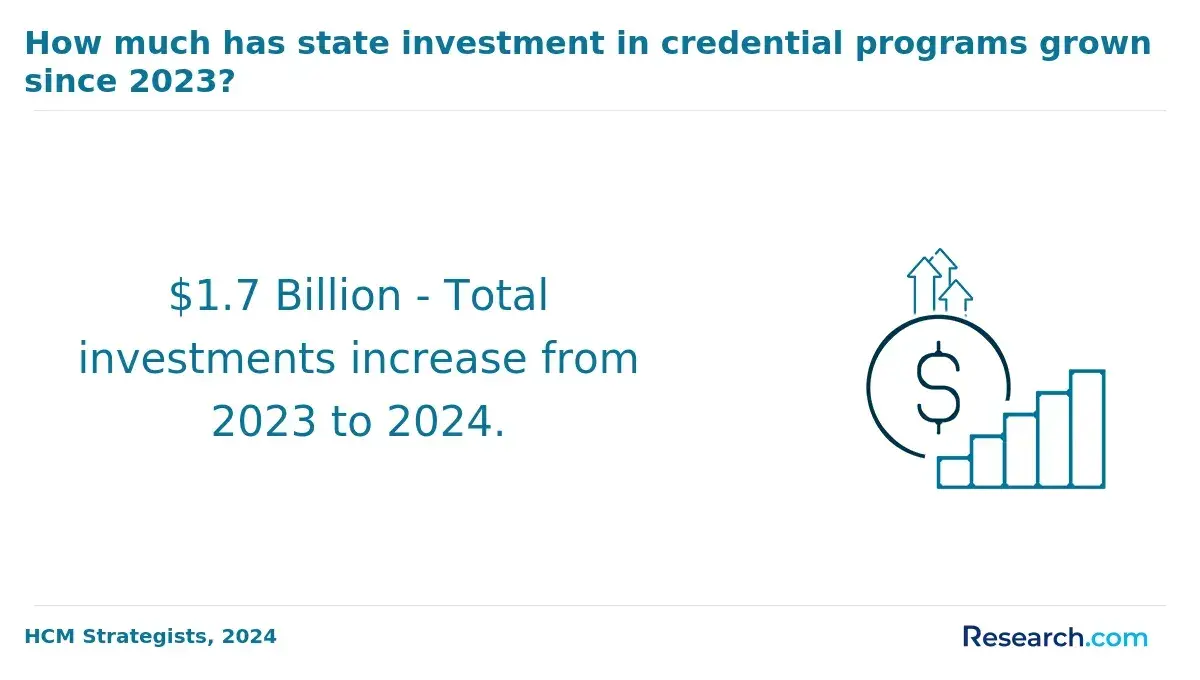
State investment levels in health sciences services directly shape the growth and sustainability of corresponding degree programs. When states commit funding to Medicaid reimbursement, block grants, school-based mental health, and community health centers, they effectively build the infrastructure that educational institutions rely on to provide clinical training and secure employer demand. This stable financing creates robust employment pipelines that attract students and incentivize program expansion. Conversely, states that underfund these services often witness a drain of graduates moving to better-supported markets, limiting local program growth and weakening the workforce ecosystem.
- Funding Stability: Consistent public investment fosters employer confidence, allowing schools to confidently scale programs knowing graduates are likely to find jobs within the state.
- Employment Pipelines: Adequate funding enables more clinical placements and internships, essential for meeting accreditation standards and equipping students with real-world experience before graduation.
- Graduate Retention: Higher state reimbursement rates and community support correlate with stronger graduate retention, linking educational outputs to local labor demand.
- Program Development: States investing in health sciences attract institutional resources for advanced facilities and skilled faculty, which enhances program competitiveness.
- Legislative Trends: Reviewing recent policy shifts offers insight into the future viability of health sciences careers within a state's healthcare landscape.
- Outcome Transparency: Prospective students should request data on the percentage of graduates employed in-state five years post-completion to evaluate the local career sustainability of their educational investment.
One graduate recalled applying to several health sciences programs across states with varying funding environments during rolling admissions. Early uncertainty about clinical placement availability delayed her final decision, forcing her to balance the risk of waiting for a well-funded program's acceptance against securing a spot in a lower-funded state with fewer practical opportunities. Eventually, she opted for a program in a state with stronger public health investments, where the clearer pathway to internships and stable employment offered needed reassurance amid the admission wait. This experience underscores how funding realities can directly influence the timing and strategy behind choosing a graduate program in health sciences.
Which States Are Emerging as Unexpected Leaders in Health Sciences Degree Interest?
States traditionally outside the spotlight in graduate health sciences degree growth reveal strategic shifts that foreground workforce needs and regulatory adjustments. These emerging markets demonstrate how localized policies and partnerships can reshape supply-demand dynamics for health professionals, yet the durability of this interest hinges on stable funding and viable labor markets. Students weighing their options should consider how these state-specific factors translate into real-world employability and career trajectory risks.
- Arkansas: Enrollment growth here is driven by participation in interstate compacts, reducing cross-state licensing barriers critical for clinical practice mobility. The state's new accredited programs, focused on rural and primary care, attract candidates interested in underserved areas, supported partially by state-funded scholarships. However, these gains risk reversal if pandemic-era funding dissipates, affecting program sustainability and graduate placement.
- West Virginia: Responding to acute healthcare workforce shortages, West Virginia's expansion in accredited health sciences, especially nursing and public health tracks, aligns with targeted loan forgiveness legislation to improve retention. Still, graduates face tradeoffs given the state's limited urban job bases, potentially requiring relocation for better opportunities despite local incentives.
- New Mexico: Growth correlates to tribal health partnerships and cross-border programs emphasizing culturally competent care in underserved regions. Less competitive admissions and tuition advantage prospective students, though geographical and economic constraints challenge graduate integration into stronger job markets. Long-term growth here seems policy-driven rather than fleeting funding bursts.
- Maine: Multi-campus consortia and employer incentives for work in aging, rural communities have broadened degree access. This pragmatic expansion connects directly to regional demographic demands but depends on sustained inter-institutional collaboration and public-private support beyond temporary stimuli.
The fastest growing health sciences programs by state highlight a strategic balancing act: emergent states offer lower competition and tuition costs but come with variable local employment conditions. According to updated admissions cycle data, programs in these states often see influxes aligned with policy rollouts, underscoring the influence of legislative context on enrollment timing and workforce integration.
For those evaluating return to school or career changes, particularly with geographic flexibility, understanding these dynamics is crucial. Prospective students should also consider how early-career earnings vary; for instance, the health information management salary entry-level data illustrates the disparities that regional program selection can impose on first jobs and long-term earning potential. This nexus of educational growth, workforce demand, and economic context must shape graduate decision-making.
How Does State Population Size Affect the Interpretation of Health Sciences Degree Growth Data?
Interpreting health sciences degree enrollment growth by state population requires moving beyond raw enrollment increases to gauge real market dynamics accurately. A state adding 2,000 new health sciences graduates annually might appear to have strong demand, but without considering its large population, this figure can misrepresent true workforce expansion. Conversely, a smaller state adding only 300 graduates might represent a higher per-capita growth rate, signaling more rapid local market absorption and opportunity. This distinction between absolute growth and per-capita growth is critical for understanding where demand genuinely outpaces supply, especially when considering workforce saturation and existing professional densities.
For recent graduates and career changers evaluating multiple states, analyzing the ratio of licensed health sciences professionals per 1,000 residents offers a clearer picture of underserved regions with stronger early-career hiring prospects. Markets below the national average in professional-to-population ratios typically face less saturation, presenting practical advantages for employment post-graduation. Careful consideration of the impact of state demographics on health sciences degree trends aids in spotting these opportunities amid competitive or restrictive environments.
- Population Impact: Larger states may mask demand imbalances by sheer volume, requiring normalization by population to understand true growth.
- Workforce Saturation: States with lower ratios of licensed professionals to population signal higher unmet demand and potential job market advantages.
- Regulatory Complexity: Some states impose more restrictive licensure and acceptance criteria that can limit entry and affect growth trends.
- Economic Factors: Local healthcare funding, institutional capacity, and demographic shifts also strongly influence health sciences degree interest and market needs.
Those exploring specialized pathways should also examine niche program growth, including options such as speech pathology programs online for veterans, which reflect distinct workforce demands and demographic considerations often overlooked in broader analyses.
What Role Do State Licensing Requirements Play in Driving or Suppressing Health Sciences Enrollment?
State licensing requirements exert a decisive influence on enrollment patterns in health sciences graduate programs, often serving as either gatekeepers or facilitators for aspiring professionals. Students facing complex, frequently changing, or opaque licensure demands encounter increased uncertainty and potential delays that can deter enrollment, especially when additional exams or prolonged supervised practice are required. In contrast, states with clear, accessible, and stable licensure pathways tend to attract higher numbers of enrolled students, as these pathways reduce risk and provide a more predictable transition into the workforce. For example, a student comparing two states may opt for one where licensure takes less time and fewer steps, enabling a quicker start to employer-paid roles with median salaries often exceeding $70,000 annually, according to recent labor statistics.
- Clarity: Clearly articulated licensing criteria allow students to plan education and post-graduation steps with fewer surprises, lowering barriers to entry.
- Stringency: States imposing stringent requirements, such as multiple board exams or extended clinical hours, may suppress enrollment by raising both time and financial costs.
- Accessibility: Efficient licensure processes that prioritize timely approvals incentivize enrollment by sustaining career momentum and improving employability.
- Employer Expectations: Licensing boards shape hiring by influencing employers who prefer or mandate credentialed candidates, creating strong incentives aligned with state regulations.
- Feedback Loop: Robust licensure systems bolster program growth, which enhances advocacy for regulatory improvements, reinforcing a positive cycle benefiting students and employers alike.
- Decision-Making: Prospective students must scrutinize the entire licensure trajectory, as manageable post-degree requirements often outweigh other program factors, particularly for those open to relocating.
References
- A comprehensive guide to multi-state licensing in behavioral health - blueBriX https://bluebrix.health/blogs/comprehensive-guide-to-multi-state-licensing-in-behavioral-health
- What is Health Science https://www.savvas.com/resource-center/blogs-and-podcasts/college-and-career-readiness/career-paths/what-is-health-science
- States - MPH Online https://www.mphonline.org/states/
- Trends and Strategies for Attracting International Students to U.S. Public Health Programs https://wenr.wes.org/2014/04/trends-and-strategies-for-attracting-international-students-to-u-s-public-health-programs
- Bringing the Best in Health Sciences to Undergraduate Programs https://www.northeastcollege.edu/learn/new-undergraduate-health-sciences-degrees
- KU School of Health Professions enrollment on the rise https://www.kumc.edu/about/news/news-archive/health-professions-enrollment-growth.html
- Careers, Growth, and Knowledge: The Leading Motivations to Attend Higher Ed in 2023 — Academica Forum https://forum.academica.ca/forum/careers-growth-and-knowledge-the-leading-motivations-for-applicants-in-2023
- How Medical Licensing Drives Up Health Care Prices - ProMarket https://www.promarket.org/2017/11/08/medical-licensing-drives-healthcare-prices/
- 25 Best Bachelor's Degrees in Health Sciences 2019 - Healthcare Administration Degree Programs https://www.healthcare-administration-degree.net/best-bachelors-degrees-in-health-sciences/
- Enrollment in Higher Education https://odphp.health.gov/healthypeople/priority-areas/social-determinants-health/literature-summaries/enrollment-higher-education
Other Things You Should Know About Health Sciences
Employers in states where health sciences degree interest is growing fastest tend to emphasize applied skills and adaptability due to evolving healthcare systems, such as integrated care models and telehealth. This trend means graduates must often demonstrate proficiency in data analysis, health informatics, and cross-disciplinary collaboration beyond traditional clinical knowledge. Consequently, students prioritizing programs with strong practical training and partnerships with local healthcare providers may gain a competitive advantage in these markets.
States with rising health sciences enrollment often balance relatively affordable tuition against varying living costs, which directly impacts students' ability to sustain graduate education. Lower tuition alone does not guarantee enrollment increases if the state's cost of living is high, as this elevates overall financial strain and may deter working professionals considering a return to school. Prospective students should weigh the total financial burden-tuition plus living expenses-against potential wage premiums and job availability post-graduation to make informed decisions about where to study.
In 2027, states like Texas, California, and Florida are experiencing the fastest growth in health sciences degree interest. This surge reflects a growing demand for healthcare professionals and indicates these regions are likely to expand their healthcare infrastructure significantly to accommodate increased graduate turnout.
While high growth in health sciences enrollment signals expanding educational infrastructure and employer interest, it may also indicate greater competition among graduates and possible market saturation in the near term. Students should critically assess whether growth aligns with real job openings and if programs equip them with skills valued in their target region. Prioritizing states with measured growth and diversified healthcare economies might yield better balance between opportunity and employability than simply following spikes in enrollment numbers.