2027 Health Sciences Skills Gap Analysis: What Employers Want vs What Degree Programs Teach

Co-Founder and Chief Data Scientist
A recent graduate with a degree in health sciences enters the job market only to find that many employers seek skills and experiences not fully covered in traditional degree programs. Employers often highlight gaps in practical abilities such as technology use, patient communication, and interdisciplinary collaboration. This mismatch leaves graduates struggling to meet workplace expectations despite their formal education.
At the same time, prospective students face difficult decisions about which programs offer the best preparation for evolving career demands. Understanding the specific skills employers require versus the competencies taught can clarify these choices. This article analyzes these gaps and offers insights on aligning education with workforce needs to enhance employability and career success in health sciences.
Key Things to Know About Health Sciences Skills Gap
- Employers report a 42% gap between health sciences curricula and practical skills needed, indicating degree programs often underprepare students for real-world clinical technology and data integration demands.
- Critical thinking, digital literacy, and interdisciplinary communication are expected beyond classroom theory, requiring students to cultivate adaptive problem-solving to match evolving healthcare workflows.
- Proactive internships and targeted certifications before graduation significantly boost readiness by bridging theoretical knowledge with applied skills, directly impacting job placement and initial performance metrics.
- Key Things to Know About Health Sciences Skills Gap Key Things to Know About Health Sciences Skills Gap
- What Skills Do Employers Expect From Health Sciences Graduates? Employer Expectations
- What Do Health Sciences Degree Programs Typically Teach? Program Curriculum
- Where Is the Biggest Skills Gap Between Health Sciences Programs and Employers? Biggest Skills Gap
- Which Technical Skills Are Most Important for Health Sciences Careers? Technical Skills
- Which Workplace Skills Matter Beyond Technical Knowledge? Workplace Skills
- How Do Internships and Real-World Experience Improve Career Readiness? Career Experience
- How Can Students Close the Health Sciences Skills Gap Before Graduating? Closing Skills Gap
- How Is the Health Sciences Job Market Changing Employer Skill Requirements? How Is the Health Sciences Job Market Changing Employer Skill Requirements?
- How Do Different Health Sciences Programs Compare in Career Preparation? How Do Different Health Sciences Programs Compare in Career Preparation?
- How Should Students Choose a Health Sciences Program That Builds Career-Ready Skills? Choosing a Program
What Skills Do Employers Expect From Health Sciences Graduates?
Employers in the health sciences sector demand a nuanced blend of technical expertise and interpersonal skills from graduates. According to 2024 data from LinkedIn and Lightcast, proficiency in data analysis and digital health tools is now among the most sought-after competencies. For example, a newly hired graduate managing electronic health records (EHR) systems must quickly interpret complex datasets while collaborating with clinical staff to improve patient outcomes.
This illustrates how practical knowledge increasingly intersects with communication and adaptability on the job. Across diverse healthcare settings, the emphasis remains on graduates who can navigate evolving technologies and workplace dynamics simultaneously, reflecting shifting expectations in the health sciences graduate job market.
These are the critical skills employers consistently look for:
- Data Literacy and Digital Fluency: Mastery of digital health platforms, telemedicine applications, and EHR software is essential. Graduates develop these through specialized coursework and hands-on training, enabling them to streamline workflows and enhance data-driven decision-making.
- Critical Thinking and Problem-Solving: Beyond routine procedures, employers prioritize professionals who assess evolving clinical scenarios and regulatory changes. Such skills foster proactive responses in fast-changing healthcare environments and are honed through case studies and real-world simulations.
- Effective Communication: Clear verbal and written communication is vital for coordinating patient care and multidisciplinary teamwork. Educational programs emphasize these skills via presentations, documentation, and patient interactions to ensure clarity and empathy in diverse settings.
- Project Management: Managing clinical and administrative projects requires prioritizing tasks, timing, and resource allocation. Graduates gain this through internships and collaborative assignments, improving their capacity to implement initiatives efficiently.
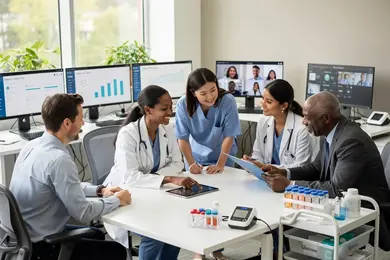
- Teamwork and Collaboration: Health sciences professionals must work seamlessly with cross-functional teams. Educational frameworks encourage collaborative projects that simulate real-world interdepartmental cooperation, enhancing interpersonal dynamics crucial to patient-centered care.
- Emotional Intelligence and Cultural Competency: Awareness of patient diversity and emotional cues enhances therapeutic relationships. These skills develop through experiential learning and exposure to multicultural clinical scenarios, addressing increasing demographic complexity in healthcare.
Aligning your training with these employer expectations substantially boosts workforce readiness. Augmenting a health sciences degree with relevant certifications or practical experiences, such as internships or specialized courses, can further differentiate candidates in the competitive health sciences graduate job market. For those exploring educational pathways, researching affordable nursing programs online may provide strategic opportunities to build these competencies effectively.
What Do Health Sciences Degree Programs Typically Teach?
Health sciences degree programs aim to build a foundational understanding that extends beyond basic science to encompass practical skills essential for healthcare environments. While curricula vary, they generally focus on preparing students to navigate complex clinical and administrative settings through an integration of theory and applied knowledge. This balanced approach helps graduates adapt to roles requiring both analytical expertise and effective communication in interdisciplinary teams.
For instance, a graduate might use clinical reasoning and health informatics skills to improve patient outcomes in a hospital while coordinating electronically with specialists. Below are key areas typically emphasized in health sciences degree programs.
- Core scientific foundations: This includes anatomy, physiology, microbiology, and chemistry, which provide the biological and chemical principles that underlie healthcare. These subjects are critical to understanding disease processes and treatment modalities, serving as the backbone for more advanced healthcare learning and practice.
- Health informatics and technology: Students learn to manage healthcare data, electronic health records, and digital tools. Given the increasing role of technology in health settings, proficiency here supports efficiency and accuracy in patient care and administrative workflows.
- Clinical reasoning and decision-making: Programs emphasize evidence-based thinking and problem-solving skills needed to assess patient conditions and determine appropriate interventions. This competency anchors graduates' ability to contribute effectively in clinical or supportive health roles.
- Communication and interpersonal skills: Effective interaction with patients, families, and multidisciplinary teams is stressed to foster patient-centered care and collaboration. These skills are vital for reducing errors and improving health outcomes.
- Ethics and cultural competence: Training covers ethical principles and diverse cultural perspectives to navigate sensitive healthcare situations responsibly. Developing cultural competence ensures respectful and personalized patient interactions across demographic differences.
- Regulatory and safety knowledge: Students study healthcare laws, standards, and safety protocols to promote compliance and protect both patients and providers. Understanding this framework supports workplace readiness and risk management.
- Public health awareness: Many curricula integrate public health concepts to highlight disease prevention, health promotion, and community-based strategies. This broader outlook prepares students to contribute beyond individual care toward population health goals.
According to the 2024 Curriculum Benchmark Report by the Association of American Colleges and Universities, over 85% of accredited health sciences degree programs incorporate core coursework in anatomy, physiology, microbiology, and health informatics, reflecting a consistent trend towards blending scientific knowledge with digital literacy.
Despite this, employer surveys reveal gaps in graduates' adaptability and workflow management, suggesting ongoing adjustments in competencies are necessary. Prospective students should consider how well a program balances these critical content areas with experiential learning to meet workforce expectations effectively.
For insights on potential career outcomes, exploring data such as the 20 careers in biology salary can provide valuable context for salary trends related to foundational scientific education.
Where Is the Biggest Skills Gap Between Health Sciences Programs and Employers?
Data from the National Center for Health Workforce Analysis in 2024 highlights a notable divergence between what health sciences programs teach and what employers expect, especially in the application of practical and technological skills. Although graduates often demonstrate strong foundational knowledge, many employers report graduates struggle to effectively apply this knowledge in real-world healthcare settings.
This gap is compounded by insufficient experience with the technologies and soft skills crucial to current medical environments. Below are key areas where graduates frequently fall short and strategies to better align with employer demands.
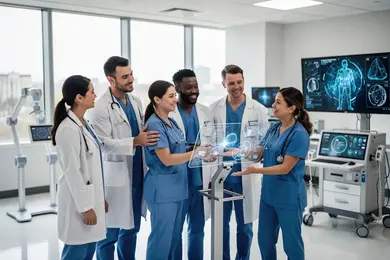
- Hands-On Technology Use: Graduates often lack direct experience with electronic health records (EHR), telehealth platforms, and data analytics used daily in clinical workflows. This disconnect can hinder their ability to integrate into fast-paced healthcare teams. Pursuing internships or certification courses focused on these tools can provide the familiarity needed to bridge this technical divide.
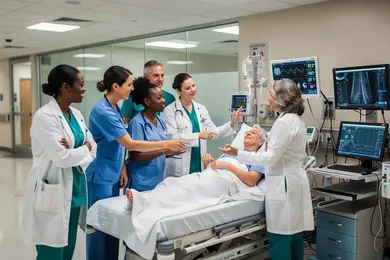
- Applied Clinical Judgment: While theoretical knowledge is solid, many new professionals face difficulty navigating complex patient cases that require adaptive problem-solving and ethical decision-making. Immersive simulations or expanded clinical rotations, especially those mimicking diverse or high-pressure environments, help build this critical experiential learning.
- Communication and Collaboration: Employers report that graduates often lack proficiency in communicating effectively and collaborating across interdisciplinary teams. This soft skills gap affects patient outcomes and workplace dynamics. Participating in interprofessional education and leadership development opportunities during training can enhance these competencies.
- Cultural Competency and Empathy: The ability to provide patient-centered care in culturally varied contexts is frequently underdeveloped. Addressing this requires intentional curriculum components focused on empathy, ethics, and diversity awareness, supplemented by real-world exposure through community-based projects.
Employer surveys indicate that roughly 65% of hiring managers identify these practical and interpersonal skills as primary challenges in onboarding new health sciences graduates, signaling a need for more integrated and applied training approaches within academic programs.
Employer Confidence Share in Online vs. In-Person Degree Skills, Global 2024

Which Technical Skills Are Most Important for Health Sciences Careers?
Technical skills are fundamental for transforming academic knowledge into effective workplace performance in health sciences careers. As healthcare systems evolve with new technologies and changing care models, the set of skills deemed most valuable also shifts. Employers increasingly demand practical competencies that blend digital literacy with clinical understanding. Staying current with these evolving technical skills is essential for graduates aiming not just to enter the workforce but to sustain long-term employability.
Below are key technical skills consistently emphasized by industry data and employer surveys in 2024.
- Electronic Health Records (EHR) Proficiency: Mastery of EHR platforms like Epic and Cerner is critical, as providers rely heavily on these systems to document patient information and meet regulatory standards. Health sciences programs typically incorporate hands-on EHR training, enabling graduates to efficiently manage digital records and reduce administrative errors.
- Data Analysis and Interpretation: The move toward value-based care has put data skills at the forefront. Students learn to analyze clinical metrics and operational data, applying statistical tools and quality improvement frameworks. This capability supports informed decision-making that improves patient outcomes and resource use.
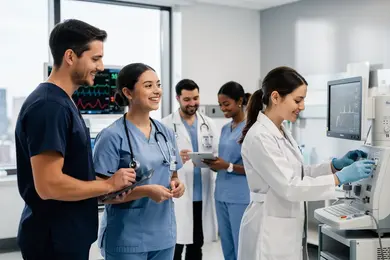
- Medical Technology Operation: Competence with diagnostic devices and laboratory equipment is commonly required in clinical and research settings. Practical experience with these tools enhances problem-solving skills and contributes directly to workplace safety and accuracy.
- Telehealth and Digital Communication Tools: The rapid expansion of remote care demands familiarity with telehealth platforms and virtual communication technologies. Programs that integrate these skills prepare students for emerging delivery models and improve patient engagement in decentralized care environments.
- Health Informatics Fundamentals: Understanding how information flows within healthcare organizations and leveraging informatics tools allows professionals to optimize workflows and support interdisciplinary collaboration. Coursework in this area bridges technology and clinical practice.
- Technical Troubleshooting: The ability to identify and resolve issues with healthcare technologies is increasingly valued. This skill reduces downtime and ensures continuity of patient care, often distinguishing candidates who can adapt quickly in fast-paced clinical settings.
According to the U.S. Bureau of Labor Statistics and the National Healthcare Skills Taskforce, over 70% of health sciences employers in 2024 list proficiency in one or more of these technical areas as a top hiring criterion, underscoring their centrality to workforce readiness.
Which Workplace Skills Matter Beyond Technical Knowledge?
Technical knowledge alone no longer guarantees success in health sciences careers. Employers increasingly prioritize professional skills that ensure graduates can navigate complex, fast-changing healthcare settings while collaborating effectively. For example, a nurse with excellent clinical skills but poor communication might struggle to relay critical patient information during emergencies, potentially jeopardizing safety.
Understanding and developing durable workplace competencies sharpens a graduate's ability to adapt, multitask, and sustain long-term employability. Five key professional skills repeatedly cited by employers shape a resilient, career-ready workforce:
- Effective Communication: Employers place strong emphasis on the ability to clearly convey medical information across diverse teams and to patients, often in high-pressure scenarios. Health sciences curricula can enhance this skill through simulated patient interactions and interprofessional education, which improve clarity and reduce misunderstandings critical to patient outcomes.
- Critical Thinking and Problem-Solving: The unpredictable nature of healthcare demands the ability to analyze data and make rapid decisions under uncertainty. Programs that incorporate case studies and clinical reasoning exercises prepare students to identify issues, evaluate alternatives, and implement solutions swiftly, reducing errors and improving care coordination.
- Teamwork and Collaboration: Modern healthcare relies on multidisciplinary teams, so the capacity to work harmoniously with peers, providers, and patients is vital. Experiential learning such as group projects and clinical rotations fosters these interpersonal dynamics, supporting integrated, patient-centered care delivery.
- Professionalism and Ethical Judgment: Time management, accountability, and ethical decision-making reinforce trustworthiness and reliability in demanding environments. Embedding professionalism in coursework and mentorship helps students internalize these habits essential for career sustainability.
- Emotional Resilience: The emotional challenges of healthcare work require coping skills that maintain mental well-being and prevent burnout. Exposure to real-world stressors through clinical experience and reflective practice builds this adaptability, ensuring longevity in the profession.
According to the Healthcare Workforce Research Institute, 78% of employers cite interpersonal communication as an indispensable skill for new health sciences graduates, surpassing even advanced clinical techniques in priority. This data underscores the necessity of integrating durable professional skills alongside technical competencies in today's health sciences degree programs.
Prospective students should consider programs that explicitly develop these competencies to enhance their future employability and career adaptability. For those exploring advanced credentials, options for pharmacist school online also emphasize these workforce readiness factors.
How Do Internships and Real-World Experience Improve Career Readiness?
Classroom instruction in health sciences often falls short of fully preparing students for the complexities of professional practice. While foundational knowledge is essential, it does not cultivate the nuanced judgment, hands-on skills, or confidence required to navigate real patient interactions and dynamic healthcare environments.
For example, a student who has only studied clinical theories might struggle to communicate effectively with patients or adapt protocols when unexpected challenges arise. Integrating internships and other practical experiences enables students to translate academic concepts into applied skills, fostering critical thinking and interpersonal abilities that meet employer expectations.
Experiential learning opportunities such as internships, practicums, and research placements provide a vital platform for building technical competencies, professional communication, and workplace adaptability. These settings expose students to real-world workflows, collaborative team dynamics, and the regulatory frameworks that govern healthcare delivery. Moreover, they serve as key networking venues, helping students clarify career paths and develop relationships that can influence job prospects.
A 2024 report from the National Association of Colleges and Employers shows graduates with internship experience are 20% more likely to find employment within six months of completing their degree, underscoring the tangible impact of such engagements. However, access to structured internships and rigorously designed experiential programs varies widely across institutions and health sciences specialties, demanding that students proactively seek quality opportunities.
To maximize the benefits of experiential learning, students should prioritize internships early in their academic journey, engage deeply in applied projects, and reflect critically on their workplace experiences. Building professional relationships and aligning practical experiences with long-term career objectives can turn these opportunities into enduring advantages.
That said, internships are most effective when combined with strong academic performance, ongoing skill development, and deliberate career planning, ensuring students translate experience into sustained employability and professional growth.
How Can Students Close the Health Sciences Skills Gap Before Graduating?
Students don't have to wait until after graduation to develop the skills employers seek in health sciences careers. Actively integrating practical experience with academic study sharpens workplace competencies that make candidates stand out. Employers increasingly prefer applicants who demonstrate not only theoretical knowledge but also applied abilities like critical thinking, teamwork, and adaptability.
Research from the National Center for Education Statistics in 2024 shows that graduates with hands-on experience are significantly more likely to secure relevant positions quickly.
The following strategies can help students bridge the skills gap before earning their degrees.
- Structured Internships: Pursuing internships with clear learning goals and mentorship offers real-world exposure to clinical workflows and interdisciplinary collaboration. Such experiences teach students to navigate healthcare environments beyond textbook scenarios, enhancing job readiness. The Bureau of Labor Statistics reports a 25% higher employment rate within six months for graduates with documented internship experience.
- Project-Based Research: Engaging in undergraduate research cultivates analytical and evidence-based decision-making skills essential in health sciences. Students can seek programs offering embedded research components to strengthen problem-solving and innovation capacities valued by employers.
- Professional Certifications: Obtaining certifications in areas like health information management validates competencies and often accelerates job placement. Though balancing preparation with coursework can be challenging, certification aligns academic knowledge with industry standards, signaling commitment and expertise.
- Interdisciplinary Teamwork: Actively participating in group projects or cross-departmental initiatives builds communication and collaboration skills. Health sciences roles frequently require working with diverse teams, so mastering this dynamic in school fosters smoother workplace integration.
- Simulation Exercises: Utilizing clinical simulators or virtual labs offers a risk-free environment to practice technical skills and decision-making. These immersive tools help students gain confidence with procedures they will encounter professionally.
- Feedback Integration: Seeking and applying regular feedback from instructors, mentors, and peers encourages continuous improvement. Reflective practice ensures students refine their competencies and better align with employer expectations.
How Is the Health Sciences Job Market Changing Employer Skill Requirements?
Technological innovation, automation, and artificial intelligence are reshaping the health sciences job market trends by increasing demand for professionals skilled in health IT systems, data analytics, and electronic health records management. Regulatory changes and globalization further complicate this landscape, requiring workers to stay current with evolving compliance standards and culturally diverse patient needs.
The U.S. Bureau of Labor Statistics reports a sharp rise in roles such as data analysts and clinical coordinators, emphasizing a shift from traditional clinical tasks toward interdisciplinary and tech-savvy responsibilities.
This shift influences employer skill requirements in health sciences by elevating the importance of both technical proficiency and professional adaptability. Beyond foundational biomedical knowledge, employers prioritize continuous learning and real-world experience to bridge the gap between academic training and workplace demands.
For instance, a recent LinkedIn workforce analysis highlights ongoing challenges employers face in recruiting candidates who demonstrate digital literacy and problem-solving skills necessary to navigate new healthcare technologies and collaborative environments.
Students preparing for these changes should integrate foundational coursework with practical opportunities like internships, applied projects, and certifications to build relevant competencies. Engaging in professional networking and maintaining skill development postgraduation is essential for long-term success in health sciences careers.
Exploring specialized tracks such as accelerated RN to NP programs can provide targeted pathways to align educational outcomes with emerging workforce needs.
How Do Different Health Sciences Programs Compare in Career Preparation?
Career preparation in health sciences degree programs hinges on more than just the degree title; it depends heavily on curriculum design, experiential learning, and alignment with employer expectations. Recent analyses emphasize that programs with integrated clinical experience and interdisciplinary training consistently lead to better workforce readiness. For example, a graduate from a program focusing exclusively on theory may struggle in a hospital setting demanding agile teamwork and up-to-date digital skills.
Understanding these distinctions helps students evaluate their future job prospects more realistically. The following key factors highlight critical dimensions to compare across programs.
- Clinical Integration: Programs with embedded clinical practice and hands-on learning foster practical skills essential for patient care roles. Variations in the depth and timing of clinical placements affect student confidence and early career success, making it vital to assess how much real-world exposure a program offers.
- Interdisciplinary Training: Modern healthcare increasingly requires collaboration across specialties. Programs emphasizing teamwork, communication, and adaptable problem-solving better prepare graduates for diverse work environments. Students should look for curricula incorporating group projects, simulations, and cross-disciplinary coursework.
- Career Outcomes Data: Transparent employment rates and employer feedback provide measurable insight into a program's effectiveness. According to a 2024 report by the National Center for Health Workforce Analysis, programs with documented employer partnerships show 30% higher graduate employment within six months of completion, underscoring the value of measurable outcomes.
- Alignment with Career Goals: Some programs prioritize licensure and specialty certifications, facilitating smoother professional credentialing pathways. Others offer broader education suited to roles requiring supplemental training. Prospective students must weigh these differences relative to their targeted job market and willingness to engage in additional training.
Prospective and current students exploring health sciences degree programs, especially those comparing health sciences programs for job skills, should consider these factors alongside personal learning preferences and professional aims. For instance, those interested in specialized roles might also research options like a master's in forensic psychology online as part of their broader planning.
How Should Students Choose a Health Sciences Program That Builds Career-Ready Skills?
Choosing between online, hybrid, or campus learning formats for a health sciences program involves weighing significant long-term trade-offs that impact career readiness and professional growth. Recent findings from authoritative education statistics underscore that experiential learning, soft skills development, and employer connections strongly influence graduate success.
Consider these key factors when evaluating each format's lasting pros and cons:
- Hands-On Experience: Campus programs traditionally offer richer clinical and lab opportunities essential for hands-on skill mastery. Hybrid formats can blend on-site practice with online theory, while fully online programs may require external internships, affecting consistent access to practical training.
- Networking Opportunities: In-person formats facilitate organic relationships with peers and instructors, often leading to stronger professional networks. Hybrid setups offer moderate interaction, whereas online students might need to rely more on virtual communities, benefiting self-motivated learners.
- Flexibility and Accessibility: Online programs provide maximum scheduling freedom, ideal for working adults or career changers. Hybrid and campus formats demand more fixed attendance but can better simulate real-world healthcare environments.
- Curriculum Updates and Relevance: Digital formats can rapidly integrate emerging health technologies and regulatory changes, keeping content current. Campus programs may have slower curricular adjustments due to institutional pace.
- Graduate Outcomes: Data from 2024 show programs with integrated simulations and employer partnerships-common in campus and hybrid models-yield higher job placement rates, though motivated online learners leveraging externships also achieve competitive outcomes.
References:
- View of Employability Skills in Health Services Management: perceptions of recent graduates https://journal.achsm.org.au/index.php/achsm/article/view/235/191
- Top 12 Skills Every Allied Health Professional Needs https://www.indwes.edu/articles/2025/06/the-top-12-skills-every-allied-health-professional-needs
- 4 Skills Health Sciences CTE Students Need to Be Workplace-Ready https://www.visiblebody.com/blog/4-skills-health-sciences-cte-students-need-to-be-workplace-ready
- Internships and New Grad Jobs, Careers at Hackensack Meridian Health https://jobs.hackensackmeridianhealth.org/early-careers
- What do you learn in a bachelor's in health science? | edX https://www.edx.org/resources/what-do-you-learn-in-a-bachelors-in-health-science
- Skills Taught vs Skills Sought: Using Skills Analytics to Identify the Gaps between Curriculum and Job Markets https://educationaldatamining.org/edm2022/proceedings/2022.EDM-posters.56/index.html
- Navigating the Skills Gap in Life Sciences: 6 Strategies to Overcome Talent Shortages - Astrix https://www.astrixinc.com/blog/navigating-the-skills-gap-in-life-sciences-6-strategies-to-overcome-talent-shortages/
- Information https://educationforhealthjournal.org/index.php/efh/article/view/23/13
- Realize the Value of Soft Skills in Healthcare https://www.aapc.com/blog/48405-realize-the-value-of-soft-skills-in-healthcare/
- Life Sciences Careers 2026: Top Hiring Trends & Roles to Advance Your Career | EPM Scientific https://www.epmscientific.com/en-us/industry-insights/career-advice/life-sciences-careers-2026-top-hiring-trends
Other Things You Should Know About Health Sciences
Striking the right balance between theory and practice is essential but often tricky. Employers prioritize candidates who can immediately apply knowledge in clinical or research settings, yet many programs remain heavily focused on foundational theory. This mismatch means graduates sometimes need additional on-the-job training, which can delay their full productivity. Students should consider programs offering integrated practical experiences or simulated learning environments to better align with employer demands and reduce adaptation time after hiring.
While deep specialization can increase immediate employability in niche roles, it may also reduce adaptability amid evolving healthcare landscapes. Employers increasingly value candidates who demonstrate cross-disciplinary skills and broader problem-solving capabilities beyond a narrow focus. For career resilience, students might prioritize foundational programs that allow for specialization without sacrificing transferable competencies, enabling smoother transitions if their career paths or market demands change.
Accelerated programs appeal due to shorter time-to-degree and lower costs, but they often compress content, leaving less time for skill reinforcement and experiential learning. This can produce graduates who meet minimum requirements yet lack depth in practical communication, critical thinking, or adaptability. If choosing an accelerated path, it is crucial to seek supplemental experiences such as internships or workshops to shore up any gaps and improve workforce readiness.
Non-technical skills like teamwork, communication, and ethical judgment directly impact workplace effectiveness but are sometimes marginalized in health sciences curricula. Employers increasingly assess these soft skills alongside clinical expertise, meaning graduates who neglect them may struggle in collaborative environments or leadership roles. Students should deliberately prioritize programs or extracurricular opportunities that cultivate these competencies, as their presence often distinguishes candidates in competitive job markets.