2027 Disability Studies Degree Program Availability Report: Which States and Schools Offer the Most Options

Co-Founder and Chief Data Scientist
The uneven presence of disability studies programs across states highlights broader disparities in institutional commitment and labor market responsiveness within this interdisciplinary field. Recent 2024 data from the Bureau of Labor Statistics indicates a rising demand for specialists in disability advocacy and support services, intensifying the need for aligned academic preparation. Areas with concentrated program options often reflect regional policy priorities and funding dynamics, affecting student access and career pathways.
Variations in program availability reveal how education systems integrate evolving workforce needs and social inclusion efforts into curriculum development. This report examines where states and schools host the most disability studies degree options and what these patterns suggest about educational equity and practical workforce alignment.
Key Benefits of States and Schools That Offer the Most Disability Studies Degree Program Options
- States with more disability studies programs often require diverse course completions, increasing time and financial commitment but providing nuanced expertise aligned with complex advocacy roles.
- Employers increasingly seek candidates from schools offering varied disability studies tracks, interpreting this variety as stronger interdisciplinary skills crucial for evolving inclusive policy development.
- The 2024 National Education Trends Report shows a 22% enrollment growth in states with broad disability studies options, indicating enhanced access yet signaling potential overcrowding and resource constraints in these programs.
- Key Benefits of States and Schools That Offer the Most Disability Studies Degree Program Options Key Benefits
- Which States Offer the Most Disability Studies Degree Programs? Top States
- Why Do Some States Have More Disability Studies Programs Than Others? Program Availability
- Which Colleges Offer the Largest Number of Disability Studies Degree Options? Top Schools
- How Do Online Programs Improve Access in States With Limited Options? Online Program Access
- How Much Does Disability Studies Program Tuition Vary by State? Tuition by State
- How Does Disability Studies Program Demand Affect Admissions Decisions? Program Demand
- How Do Disability Studies Specialization Options Vary by Region? Specialization Options
- How Does Regional Employer Demand Affect Career Outcomes? Employer Demand
- What Factors Matter Most When Comparing Disability Studies Programs Across States? Key Comparison Factors
- Which Regions May See the Fastest Growth in Disability Studies Education? Fastest Growing Region
Which States Offer the Most Disability Studies Degree Programs?
Access to disability studies degree programs in the United States is shaped heavily by regional education infrastructures and labor market demands, resulting in uneven academic availability. States with established, diverse university systems and a strong emphasis on interdisciplinary approaches tend to offer more program options, combining theory with applied practice. This clustering supports a broader range of specialization and aligns with employer preferences for candidates with both academic depth and practical experience.
Understanding these geographic patterns helps prospective students and researchers gauge where they can find the most comprehensive academic pathways.
- California: California's large public university network, including flagship institutions like UC Berkeley and UCLA, anchors a broad spectrum of disability studies offerings. Programs here often intersect with social work, public health, and education, reflecting the state's diverse labor market needs and progressive policy environment. This extensive infrastructure provides students with numerous options to tailor their studies toward advocacy, policy, or accessibility technology, enhancing career mobility within a sizeable professional network.
- New York: The state's blend of private and public universities supports a versatile disability studies landscape, encompassing undergraduate to doctoral levels. New York's academic institutions leverage strong research funding and community engagement opportunities, appealing to students focused on both theoretical frameworks and applied services. Proximity to urban centers also fuels demand for graduates prepared for nonprofit leadership, academic research, and policy development roles.
- Massachusetts: Renowned research universities and forward-thinking liberal arts colleges in Massachusetts foster innovative disability studies curricula grounded in critical theory and practical application. Its compact but dense academic ecosystem facilitates cross-disciplinary collaboration, providing robust resources for students interested in education, healthcare, or social policy careers. The state's concentration of scholarly activity and professional networks makes it a strategic location for academic and employment opportunities.
Incorporating these factors, the top states with the highest number of disability studies degree options provide an academically rich environment that better equips students for evolving workforce expectations. Those in less concentrated regions may face narrower curricular choices and fewer local professional connections, which can limit flexibility in employment sectors.
Awareness of such disparities is essential for making informed decisions about educational pathways and geographic relocation, particularly as employers increasingly value candidates with interdisciplinary knowledge and hands-on expertise.
For students seeking specialized paths within healthcare or community support, programs often align with demand trends visible across states, similar to how specialized credentials appear in related fields like pharmacy; an example for remote learners can be seen in selective PharmD online programs, underscoring the broader trend toward accessible, competency-based degree options.
Why Do Some States Have More Disability Studies Programs Than Others?
Disability studies program availability varies considerably across U.S. states due to differences in higher education infrastructure and regional demand for graduates equipped with disability-related expertise. States with robust public university systems and higher education funding often support a wider range of interdisciplinary offerings, reflecting investments that enable specialized fields to flourish. According to the National Center for Education Statistics 2024 report, states with above-average higher education spending are 35% more likely to provide multiple disability studies programs at undergraduate and graduate levels.
This variation also relates closely to demographic factors and workforce needs, as states with larger populations of individuals with disabilities or well-developed social service sectors tend to create stronger incentives for institutions to prioritize these academic programs.
The structural differences driving regional disparities in disability studies degree availability are primarily linked to state funding priorities, university research capacity, and the presence of industry clusters demanding specific skill sets. Universities with interdisciplinary research strengths in social work, education, public health, and law have the capacity to integrate disability studies into their curricula more effectively, whereas institutions with constrained resources often lack the faculty expertise to sustain these programs.
Moreover, employer demand for graduates trained in disability policy, advocacy, and services-particularly in states with active disability advocacy organizations or public initiatives-further influences where programs expand. Economic factors, including tuition affordability and state-level higher education policies, shape institutional strategy and, consequently, student access to these specialized degrees.
These structural and economic disparities influence not only where disability studies programs exist but also affect long-term workforce development and equitable student access. In states with fewer on-campus options, online education has become an important alternative to meet educational demand, although it may not fully replicate the interdisciplinary collaborative environment crucial for this field. Differences in program concentration thus contribute to regional variation in the availability of qualified professionals, affecting service delivery and advocacy capacity across sectors.
Prospective students should weigh these factors alongside traditional considerations, as the location of a program reflects deeper systemic education and labor market dynamics. For those interested in related fields, understanding the cost and credentialing differences, such as with medical coding certification, can also inform practical decisions around workforce entry and specialization.
Which Colleges Offer the Largest Number of Disability Studies Degree Options?
The breadth of disability studies degree options available at a given college is primarily determined by the institution's scale, funding, academic infrastructure, and research capacity rather than geographic factors alone. Larger, research-intensive universities typically provide more specialized pathways, interdisciplinary concentrations, and a mix of delivery formats like in-person and online.
This structural capacity enables them to offer a diverse range of academic tracks aligned with evolving workforce needs and theoretical developments.
- Research Universities with Extensive Interdisciplinary Programs: Institutions categorized as Carnegie R1 or R2 often lead in offering numerous disability studies degrees due to their established faculty expertise across social sciences, education, public health, and humanities. Their robust research funding supports continual curriculum expansion and collaborative program development, allowing for options spanning policy analysis, advocacy, therapy, and cultural critique. Major public university systems such as the University of California and flagship state universities exemplify this trend by delivering wide-ranging, often customizable degree paths.
- Large Public Universities and State Flagships: These schools benefit from significant state appropriations and dedicated disability resource departments, enabling them to maintain multiple tracks within disability studies. Their size supports diverse course offerings and flexible scheduling, including online options designed to accommodate nontraditional students and working professionals. This capacity makes them practical choices for many seeking both academic rigor and accessibility.
- Comprehensive Universities with Established Social Science Faculties: Universities with integrated programs in sociology, psychology, education, and public health typically develop varied disability studies concentrations to meet broad student and employer demands. Their interdisciplinary approach fosters curriculum diversification while providing applied research opportunities, which are increasingly valued by employers looking for graduates who combine theory with practical skills.
- Small Liberal Arts Colleges with Integrated Coursework: While these institutions tend to offer fewer dedicated disability studies degrees, often limited to minors or embedded courses within broader majors, they provide intensive faculty-student interaction and community engagement. Their program limitations, however, can restrict specialization depth and reduce exposure to research methodologies crucial for certain careers.
- Community Colleges and Technical Schools Offering Certificates: Typically absent of full degree programs in disability studies, these institutions focus on short-term certificate training aligned with workforce needs such as disability support services and awareness. Their offerings emphasize immediate skill applicability in social services and healthcare roles but lack the comprehensive academic foundation found in degree programs at larger universities.
How Do Online Programs Improve Access in States With Limited Options?
Online disability studies programs notably expand participation opportunities for students residing in states with few or no in-person degree offerings. Data from the 2024 National Center for Education Statistics reveals that over 45% of students pursuing disability studies-related majors in rural or underserved areas opt for online programs, illustrating how digital formats dismantle traditional geographic barriers. This mode of delivery effectively mitigates the necessity for relocation or commuting long distances, addressing logistical and financial constraints that disproportionately impact those outside metropolitan hubs with established programs.
The structural accessibility of online degree pathways relies heavily on asynchronous course models that enable learners to progress independently of institutional schedules tied to specific campuses. By decoupling enrollment from physical university capacity and location, these programs facilitate cross-state student flows and allow institutions to extend their reach without expanding physical infrastructure.
This scalability also supports broader faculty inclusion, bringing diverse expertise to students regardless of local resource limitations. Collectively, these mechanisms reduce reliance on scarce regional offerings and create a more distributed and equitable academic ecosystem for disability studies education.
Beyond immediate enrollment impacts, the proliferation of online disability studies programs influences regional workforce development by equipping professionals in states that otherwise lack local pipelines. This contributes to a gradual restructuring of competitive dynamics among institutions, as students increasingly evaluate programs based on curriculum relevance and delivery flexibility rather than proximity alone.
Additionally, online availability can alter student mobility patterns by allowing individuals to maintain personal and professional commitments while accessing nationally recognized curriculum, which over time may encourage broader interstate resource sharing and collaboration in disability advocacy education.
How Much Does Disability Studies Program Tuition Vary by State?
Tuition for disability studies programs differs significantly across U.S. states due to variations in public funding, institutional types, and the role of residency-based pricing structures. Public universities typically offer lower tuition rates for in-state students as a result of direct state appropriations, while out-of-state students face higher costs reflecting their non-contributory status to state tax support.
Private institutions generally set tuition independently of residency considerations, relying on market factors such as institutional prestige, available resources, and program demand. These dynamics create a complex pricing landscape where funding models, rather than arbitrary decisions, drive tuition variation across regions and institution types, shaping financial accessibility for prospective students.
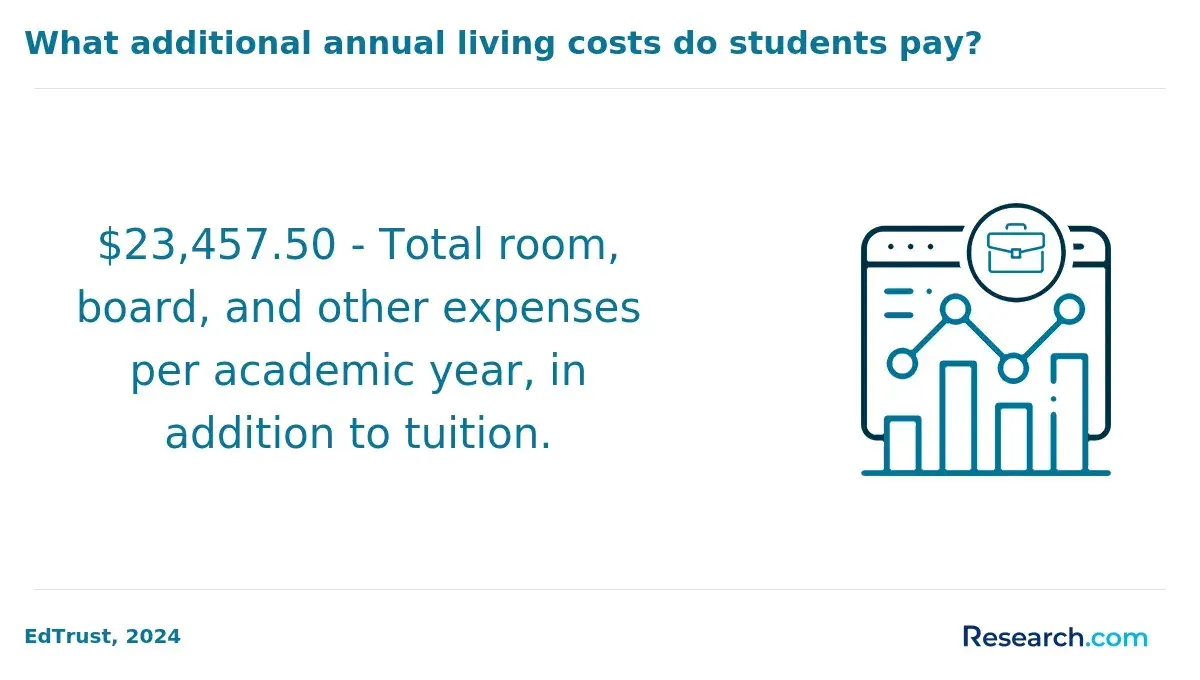
Current data from the U.S. Department of Education and state university reports show that annual tuition for disability studies programs at public institutions ranges from approximately $5,000 for in-state students in well-funded states like New York and California to over $12,000 in states with higher regional tuition structures such as Pennsylvania and Massachusetts. Out-of-state tuition often exceeds these figures considerably, sometimes doubling in cost. Private colleges offering disability studies degrees typically charge upwards of $30,000 per year regardless of residency.
Understanding these cost distinctions is critical for evaluating the average cost of disability studies degrees across U.S. states, especially when factoring in total expenses including fees and living costs. Some prospective students may also consider online pathways, given the availability of alternative options like online radiology programs, which similarly reflect nuanced cost-benefit decisions relative to geography and institutional offerings.
These tuition disparities influence student mobility and program choice, often compelling those in states with limited or costly disability studies programs to study out-of-state or pursue online degrees. Such decisions affect not only affordability but also access to specialized academic resources and local professional networks, which are crucial for long-term employability in the disability studies field.
Moreover, the interplay between state-level higher education policies, budgetary constraints, and the presence of dedicated disability studies initiatives contributes to regional inequalities in program availability and cost, shaping how prospective students navigate the educational landscape.
How Does Disability Studies Program Demand Affect Admissions Decisions?
Rising demand for disability studies programs often compels institutions to tighten admissions criteria to manage limited enrollment capacity effectively. Increased application volumes typically lead schools to elevate GPA requirements, introduce supplemental materials like interviews or essays, and prioritize candidates with relevant experience or backgrounds. These adjustments serve both to maintain academic rigor and to ensure that incoming cohorts align with workforce expectations, though they can also raise barriers for applicants lacking traditional credentials or extensive prior involvement in disability-related fields.
Underlying this selectivity is the interplay between institutional constraints-such as faculty availability, classroom size, and accreditation standards-and evolving labor market demands emphasizing applied skills and cultural competence. Programs facing capacity limits must implement strategic enrollment management, balancing the quality of admitted students against diversity and accessibility goals. Additionally, labor market pressures influence how programs shape admissions to foster graduates equipped for practical roles, encouraging integration of experiential evaluation alongside academic metrics.
These dynamics influence how prospective students prepare and navigate application timelines, often necessitating early and deliberate attention to admissions components. As programs become more competitive with rising demand, candidates experience greater uncertainty and strategic decision-making pressures, which can affect when and how they submit materials. The heightened selectivity may enhance program reputation but simultaneously constrains accessibility for some groups, shaping the overall composition and diversity of disability studies cohorts over time.
How Do Disability Studies Specialization Options Vary by Region?
Specialization options in disability studies reflect the economic priorities and industry concentrations unique to each region, shaping both curriculum focus and skill development. Regions with robust research universities and liberal arts colleges-primarily in the Northeast and West Coast-offer a wider array of specialized tracks that integrate social justice, policy advocacy, and technological innovation. These programs align with urban labor markets that demand expertise in interdisciplinary analysis, legal frameworks, and community engagement.
In contrast, southern and midwestern states emphasize programs with a practical orientation toward vocational rehabilitation, healthcare, and direct service roles, mirroring regional workforce needs where healthcare facilities and support services dominate employment opportunities.
Key drivers behind this regional variation include the presence of dominant local industries, institutional research strengths, and active employer collaborations. For example, university partnerships with rehabilitation centers and healthcare providers in the South and Midwest enable programs to tailor coursework around applied skills valued by regional employers. Meanwhile, the Northeast and West Coast benefit from stronger institutional focus on policy and inclusive education research, supported by state-level initiatives promoting advocacy and civil rights in disability sectors.
According to a 2024 report from the National Center for Education Statistics, approximately 63% of institutions offering disability studies or related programs cluster in a dozen states, particularly California, New York, and Massachusetts, highlighting how concentration of academic resources correlates with program diversity and depth.
These regional disparities shape student decisions and career trajectories by influencing program accessibility and alignment with local job markets. Students targeting advocacy, policy development, or academic research may find greater opportunities in areas with extensive specialization options and institutional networks. Conversely, those focusing on vocational support or healthcare integration encounter more immediately relevant training in regions with workforce demand for direct care roles.
Understanding these operational realities helps prospective students and researchers strategically select programs that best fit their professional objectives and geographic mobility considerations.
How Does Regional Employer Demand Affect Career Outcomes?
Regional employer demand for disability studies graduates shapes the availability of entry-level roles and immediate career opportunities in distinct labor markets. States with concentrated social service providers, healthcare systems, and inclusive education infrastructures typically offer more robust hiring climates, directly affecting access to relevant positions.
For example, data from the U.S. Bureau of Labor Statistics highlights that states like California, New York, and Texas show higher employment growth rates-approximately 15% above the national average-for disability advocacy and support roles. This localized demand often results in starting salaries 10-20% above median rates in markets where employer needs are pronounced, setting distinct early-career trajectories.
The impact of state job markets on disability studies career outcomes is closely tied to industry concentration and employer engagement with academic institutions. Regions with established clusters of disability-focused organizations tend to develop specialized hiring ecosystems, fostering partnerships that facilitate graduate recruitment and targeted workforce development. Wage competition within these clusters raises salary benchmarks, incentivizing retention of skilled graduates.
Conversely, states with sparse employer networks may see limited job openings and slower salary growth, which curtails advancement potential and narrows career pathways. These dynamics illustrate how geographic variations in demand translate into disparate practical outcomes for graduates based on their region of study and job search.
Such regional demand patterns pose significant considerations for geographic mobility and strategic career planning. While remote work expansion offers some flexibility, graduates often face tradeoffs between accessing strong academic programs and locating within labor markets with meaningful job opportunities. This tension underscores the importance of aligning educational choices with employer geography to maximize long-term return on investment.
Prospective students and researchers can better evaluate programs by examining where program availability intersects with local labor demand. For insight into related occupational earnings and forecasts, see the analysis of how much does a sports analyst make, which reflects similar regional wage and employment trends in specialized fields.
What Factors Matter Most When Comparing Disability Studies Programs Across States?
Comparing disability studies programs across states involves more than assessing sheer availability; state-level differences significantly affect educational access, costs, specialization opportunities, and post-graduation outcomes. A nuanced evaluation requires attention to how regional academic ecosystems and workforce demands intersect with program offerings.
Understanding these elements clarifies the true practical value of pursuing a disability studies degree in different locations.
- Program Availability and Specialization Diversity: States with multiple institutions offering disability studies degrees from undergraduate to doctoral levels tend to provide a broader range of specializations. This variety supports alignment with diverse career goals, as the 2024 National Center for Education Statistics report reveals that states with three or more such programs enjoy higher graduate employment rates, reflecting how program availability directly impacts employability.
- Tuition and Affordability: Regional tuition variation can affect long-term financial outcomes for students. States with publicly funded colleges that maintain lower tuition can offer more accessible pathways, while higher-cost areas may require weighing potential salary benefits after graduation against upfront expenses, emphasizing the importance of cost-benefit analysis in state-by-state comparisons.
- Curriculum Relevance and Workforce Alignment: Employers increasingly seek candidates with interdisciplinary training covering policy, advocacy, and assistive technology. Programs incorporating practical experience like internships or community engagement improve job readiness, making curriculum design a key factor influencing career outcomes in different state environments.
- Faculty Expertise and Institutional Resources: Larger research universities often attract experienced faculty and offer networking advantages, promoting cutting-edge scholarship. In contrast, smaller state colleges may deliver more personalized instruction, potentially benefiting students who prefer close mentoring, illustrating tradeoffs between scale and learning environments across states.
- Support Services and Career Support: Availability of services for students with disabilities and post-graduation support varies by state. According to the 2024 Disability Employment Tracker, graduates from states with robust support systems report higher career satisfaction, highlighting the role of institutional infrastructure in long-term success.
Students interested in advancing through layered academic credentials should also evaluate pathways like the DSW program, which exemplifies how extended degree options can complement disability studies preparation depending on state-level offerings.
Which Regions May See the Fastest Growth in Disability Studies Education?
Growth in disability studies education tends to concentrate in regions where employer demand, demographic shifts, and higher education investments intersect. Such expansion aligns closely with broader economic and workforce trends influencing institutional capacity and program offerings.
The areas with rising disability prevalence, labor market shortages in support services, and proactive educational funding are positioned to see the most significant growth in disability studies degree programs.
- Southeast: The Southeast leads in projected growth due to its rapidly expanding and diverse population, which increases both demand for disability services and advocacy professionals. Large university systems are expanding curriculum to meet local workforce needs, driven by heightened awareness and rising disability prevalence. This trend fuels more diverse program options and stronger regional employment connections.
- Southwest: States in the Southwest benefit from fast population growth and economic diversification, especially in healthcare and social services sectors. With rising immigrant populations and evolving policy landscapes, educational institutions are scaling disability studies offerings to train professionals adept at addressing intersectional needs within diverse communities.
- Mountain West: This region experiences sustained investment in health and human services education amid smaller overall higher education markets. Its institutions focus on integrating disability studies into broader healthcare and workforce development strategies to fill local skill gaps.
- Midwest: While growth is moderate, the Midwest sees steady program development tied to aging populations and institutional efforts to enhance workforce readiness in disability-related sectors. Expansion here reflects pragmatic realignments rather than rapid demographic changes.
- Northeast: The Northeast demonstrates slower growth relative to other regions but maintains strong research activity and specialized program niches. Institutional capacity constraints and mature markets moderate expansion despite ongoing employer demand for qualified graduates.
References:
- Sustainable Employment for People with Disabilities: A Scoping Review on Workplace Practices and Positive Employment Outcomes | Scandinavian Journal of Disability Research https://sjdr.se/articles/10.16993/sjdr.1089
- Enabling Employment: How Do Employer Disability Practices Affect Disability Employment Outcomes? https://www.aeaweb.org/articles
- Disability studies in education - Wikipedia https://en.wikipedia.org/wiki/Disability_studies_in_education
- Trends in disability prevalence among young people: Insights from the Growing Up in Ireland Study https://www.esri.ie/publications/trends-in-disability-prevalence-among-young-people-insights-from-the-growing-up-in
- Disability Studies: Is it the Field for You? https://enablingdevices.com/blog/disability-studies-is-it-the-field-for-you/
- Academic Programs in Disability Studies | Review of Disability Studies: An International Journal https://rdsjournal.org/index.php/journal/article/view/23
- Research Brief: Digital Access for Students in Higher Education and the ADA https://adata.org/research_brief/research-brief-digital-access-students-higher-education-and-ada
- How can we overcome issues of access to digital learning for primary school learners with disabilities in LMICs during Covid-19? https://www.disabilityevidence.org/questions-evidence/how-can-we-overcome-issues-access-digital-learning-primary-school-learners
- Why Students Should Consider Disability Studies as a Major https://socal.easterseals.com/about-us/community-stories/why-students-should-consider-disability-studies-major
- Top Universities for Disability Studies in 2022-2023 - Gyanberry https://gyanberry.com/blog/top-universities-for-disability-studies-in-2022-2023/
Other Things You Should Know About Disability Studies
Programs in states and schools with the most options often attract larger applicant pools, which can mean more competitive admissions and a faster-paced academic environment. This may translate into higher expectations for independent work, interdisciplinary projects, and engagement in advocacy or research. Students who prefer smaller cohorts or more personalized attention might prioritize schools with fewer but well-established programs despite fewer options, to reduce competition-related stress and foster deeper mentoring relationships.
While states with many programs can provide diverse networking opportunities through conferences and academic collaborations, employer networks tied closely to program reputation often have a stronger impact on job placement. Students should prioritize programs known for active engagement with local organizations, disability rights groups, and inclusive employers rather than relying solely on geographic density of offerings. A smaller program well-integrated into a robust employment ecosystem can yield better career outcomes than a larger but less connected one.
Students must consider how program structure aligns with their career goals, especially regarding the balance of theory and applied skills. In states with many options, program designs can vary widely-from research-heavy tracks to hands-on community engagement models. Prioritizing programs that offer internships, advocacy training, and interdisciplinary collaboration can optimize readiness for real-world challenges. Additionally, geographic mobility, cost of living, and access to diverse disability communities should factor into choosing among multiple options to ensure both professional and personal fit.