2027 Disability Studies Degree Growth by State: Where Interest Is Rising the Fastest

Co-Founder and Chief Data Scientist
States experiencing rapid growth in disability studies degree enrollment often reflect unique economic shifts, evolving workforce demands, and institutional strategies expanding access through flexible or online learning. For example, according to recent data from the National Center for Education Statistics, states with increased adult learner participation now lead in enrollment growth, revealing a broader shift toward accommodating nontraditional students balancing education with work or caregiving responsibilities. Such trends signal critical tradeoffs for prospective students, who must weigh regional regulatory environments and local labor market absorption when selecting programs.
This evolving landscape shapes where disability studies graduates might find more robust career opportunities and long-term professional development.
Key Things to Know About the State Where Disability Studies Degree Interest Is Rising the Fastest
- States like California show rapid enrollment growth driven by expanded online program availability, which eases timing and access challenges for working adults balancing education with employment demands.
- In Illinois, strong institutional partnerships with disability service agencies heighten employer expectations for applied skills, pushing programs toward more hands-on training that enhances graduate workforce readiness.
- Florida's aging population and regulatory support for inclusive services stimulate demand but also create a tradeoff, as accelerated programs may sacrifice depth, affecting graduates' long-term career adaptability.
- Which States Are Seeing the Fastest Growth in Disability Studies Degree Enrollment? States with Fastest Growth
- What Does Enrollment Growth in Disability Studies Programs Actually Tell Prospective Students? Interpreting Enrollment Growth
- How Do Regional Job Market Conditions Drive Disability Studies Degree Demand by State? Regional Job Market Conditions
- Which States Have Added the Most New Disability Studies Degree Programs in the Last Five Years? States with New Programs
- How Has the Rise of Online Education Changed Which States Lead in Disability Studies Program Interest? Role of Online Education
- What Demographic Trends Are Fueling Disability Studies Degree Growth in Specific States? Demographic Trends Fueling Growth
- How Do State Funding Levels for Disability Studies Services Influence Degree Program Growth? Role of State Funding
- Which States Are Emerging as Unexpected Leaders in Disability Studies Degree Interest? Leaders in Growth
- How Does State Population Size Affect the Interpretation of Disability Studies Degree Growth Data? Role of State Population
- What Role Do State Licensing Requirements Play in Driving or Suppressing Disability Studies Enrollment? Role of State Licensing
Which States Are Seeing the Fastest Growth in Disability Studies Degree Enrollment?
Growth in disability studies degree programs over recent years reflects more than just rising student interest-it signals shifting labor market needs and evolving institutional priorities that impact career trajectories for graduates. While nationwide enrollment gains align with broader inclusion imperatives, the most rapid expansion is clearly regional, shaped by state-level economic composition and educational infrastructure. For instance, a professional considering where to pursue a disability studies degree would weigh not only program quality but also the surrounding job market, licensure pathways, and regulatory environments that differ markedly between states.
This is particularly crucial given how employer expectations in social services, education, and healthcare increasingly value specialized expertise tied to local community demographics and policy initiatives.
- California: As the national leader in absolute enrollment gains, California's disability studies programs benefit from the state's vast public university system and its dense healthcare and social services sectors. Graduates often find diverse employment opportunities from urban centers to rural areas, though the competition is fierce and requires balancing between advanced credentials and practical experience.
- Texas: Marked growth here stems from the state's strategic focus on healthcare professions and disability rights legislation, which drive demand especially in metropolitan hubs like Houston and Dallas. However, prospective students must navigate variable funding and program quality across institutions, influencing long-term employability in different subfields.
- Massachusetts: Increasing enrollment correlates with strong graduate programs and progressive state policies supporting disability inclusion. The smaller population base means career opportunities may be narrower compared to larger states, but higher density of advocacy organizations and research institutions can provide enriched practicum placements.
- Oregon: Growth in Oregon aligns with a regional academic trend toward integrated humanities and social sciences degrees emphasizing community engagement. This interdisciplinary approach prepares students for flexible roles but may require supplemental certifications for certain licensure-dependent careers.
- Florida: Expanding both undergraduate and graduate pathways, Florida addresses a sizable aging population alongside workforce initiatives promoting disability services. Students benefit from state-supported internships, though wage ceilings in some public sector roles prompt graduates to consider diverse employment settings.
These regional patterns underscore that enrollment growth in disability studies degree programs is more than a student preference metric-it is a proxy for robust institutional support, legislative advocacy, and localized labor demands shaping the career landscape. Subsequent sections will analyze the interplay between economic conditions, state licensure frameworks, and cultural factors that drive these enrollment surges. This deeper context will help prospective students align program selection with realistic employment outcomes and the evolving requirements of disability-focused professions.
For career changers or working professionals evaluating educational options, understanding these dynamics is critical. Likewise, geographically mobile students should consider not only the fastest growing disability studies degree programs by state but also how regional workforce characteristics and program delivery models affect their practical return on investment. In this environment, even factors like the availability of shortened certificate paths or medical assistant programs adjunct to disability studies can influence pathway decisions significantly.
What Does Enrollment Growth in Disability Studies Programs Actually Tell Prospective Students?
Enrollment growth in disability studies programs can be misleading without examining underlying factors that impact student success and graduate outcomes. A program expanding rapidly in one state may not offer the same career advantages as a smaller, more selective program in another, especially when regional labor market conditions and certification requirements differ.
Relying solely on increased enrollment figures obscures important considerations about program quality and real-world applicability. Prospective students must evaluate data beyond headcounts to assess whether growth aligns with effective teaching, meaningful job prospects, and workforce needs.
- Retention Rates: Sustained enrollment is valuable only if students persist and graduate; low retention undermines program credibility and signals potential academic or support challenges.
- Graduation Rates: Timely degree completion reflects curriculum relevance and institutional resources, critical for entering competitive job markets especially where certification processes apply.
- Job Placement Outcomes: Programs connected to employers and regional labor demands better translate academic growth into employment opportunities, offering clearer return on investment.
- Licensure Pass Rates: Particularly in states with strict certification requirements, pass rates serve as tangible measures of how well programs prepare students for professional standards.
- Recruitment vs. Quality: Enrollment spikes driven by relaxed admissions or marketing tactics may inflate numbers but risk compromising academic rigor and graduate reputation.
- Contextual Evaluation: Enrollment is one piece of the puzzle; direct feedback from current students and alumni provides critical insight into program culture, support systems, and practical outcomes.
How Do Regional Job Market Conditions Drive Disability Studies Degree Demand by State?
Regional labor markets directly shape where disability studies degree demand intensifies, as employers' growth in particular states often triggers increased enrollment by signaling viable career pathways. For example, expanding healthcare systems and public sector agencies frequently generate openings for credentialed specialists, incentivizing prospective students to pursue graduate training in alignment with local workforce needs. This connection underscores a broader lesson: the strength of a state's job market not only influences hiring but also impacts program selection, practicum placement availability, and potential salary negotiation leverage post-graduation.
- California: Rising investment in inclusive education and healthcare infrastructure fuels demand for professionals certified in disability studies, supported by initiatives that elevate public and private employment prospects.
- Florida: The growth of eldercare and disability services organizations creates new roles, encouraging students to pursue relevant credentials anticipating ready access to practical experience and job placement in community programs.
- Texas: Expansion in public sector roles, notably within school districts and agencies focusing on disability rights, combines with employer tuition incentives to drive interest in disability studies graduate programs.
- New York: Despite competitive job markets, a regulatory environment and nonprofit growth require specialized graduates, sustaining steady enrollment increases as employers seek well-prepared advocates.
- Washington: Investments in public health and labor protections promote a favorable employment outlook that attracts graduate candidates needing strong practicum opportunities tied to professional readiness.
Those weighing graduate studies in disability studies should examine workforce trends in their target states closely. A robust job market can enhance practicum experiences-critical for hands-on skills and professional networking-and improve post-degree salary outcomes. However, states with strong growth may also have higher living costs or licensing hurdles that affect overall career trajectories. For students considering alternatives, exploring related opportunities like PhD in nursing programs may provide valuable comparative context within healthcare and disability support sectors.
Which States Have Added the Most New Disability Studies Degree Programs in the Last Five Years?
Growth in disability studies degree programs has not been evenly distributed across the United States; instead, it reflects distinct state-level economic priorities, workforce needs, and institutional strategies that shape program availability and depth. States leading this expansion demonstrate varied approaches-from launching entirely new degrees to augmenting existing programs with online or hybrid formats to accommodate shifting student demographics and employer expectations. Such differences critically influence student experiences, cost structures, and career trajectories.
- California: Fueled by state grants aimed at educational equity and driven by a high demand for disability services professionals, California tops the list with frequent introduction of new programs and online adaptations to established degrees. This responsiveness aligns with its significant population size and progressive inclusion policies, resulting in a competitive yet resource-rich environment for prospective students.
- New York: Expansion here centers on institutional competition to differentiate through specialized tracks within disability studies, accompanied by increased seating capacity at public universities. Workforce shortage designations incentivize growth, particularly to address shortages in healthcare and education sectors, positioning graduates for entry into labor markets where demand exceeds supply.
- Texas: Texas's growth largely depends on hybrid program offerings-a strategic blend of in-person and digital learning that meets accreditation standards promoting accessibility. The state's regulatory incentives reward programs that adapt curriculum relevance, which benefits students balancing professional obligations with advanced study.
- Florida: Offering primarily incremental expansions via online courses, Florida adapts to its growing population of older adults and individuals with disabilities. The focus on remote instruction suits working professionals seeking flexible re-skilling options, though fewer brand-new programs mean less structural change in financing or curriculum innovation.
- Illinois: Illinois demonstrates growth through partnerships with local disability organizations, influencing both curriculum and scholarship availability aimed at increasing diversity. This close integration with community stakeholders informs practical skill-building opportunities, important for students targeting localized employment pathways.
- Institutional Drivers: Accreditation bodies now emphasize diverse delivery models and clear graduate outcomes, pushing institutions toward innovation and expanded program portfolios.
- Financial Impact on Students: States with multiple program options typically offer competitive tuition rates and scholarship opportunities but face growing financial aid competition among applicants, requiring strategic financial planning.
- Program Variety: Increased program quantity correlates with greater specialization options, enabling students to align academic pursuits with targeted sector needs within disability studies.
- Decision-Making Strategy: Prospective students benefit from thorough in-state comparisons, as curriculum specifics, instructional modes, and financial aid packages can vary significantly, influencing net cost and educational fit.
- Workforce Relevance: Expansion trends reflect employer demand for graduates who combine theoretical understanding with practical competencies, making program outcomes an essential consideration for job market integration.
An individual who recently completed a disability studies graduate program recalled how the rolling admissions timelines across states complicated their decision process. Early in their application journey, they hesitated to commit to a single institution while awaiting final responses from programs in California and New York, each differing in specialization and delivery format. The prospect of missing deadlines created pressure, while scholarship offers arrived in staggered fashion, prompting them to balance urgency with due diligence. Ultimately, the candidate chose a program with a hybrid schedule that accommodated their work constraints, citing relief that the state's growing program variety allowed for this tailoring. Their experience highlights the practical challenges in timing and strategic selection amid a rapidly shifting program landscape that doesn't always offer synchronous application cycles or uniform financial support notifications.
How Has the Rise of Online Education Changed Which States Lead in Disability Studies Program Interest?
The shift to fully online disability studies programs has reoriented where student interest and enrollment grow most rapidly, challenging the traditional assumption that geography confines graduate choices. Previously, proximity to campus or the feasibility of relocating heavily dictated program selection, limiting access primarily to states with established, local offerings. Now, states hosting well-regarded online programs, such as California, New York, and Massachusetts, draw a disproportionately high number of out-of-state students attracted by program reputation, competitive tuition models, and recognized accreditation. This dynamic transforms these states into national hubs effectively exporting education across state lines.
- Decoupling: Students no longer need to live near an institution to enroll, enabling programs in certain states to capture a much broader market beyond their geographic region.
- Access: Individuals from states lacking local disability studies programs can engage in graduate study without costly moves, spreading education more equitably but also concentrating enrollment in a few dominant states.
- Program Reputation: Programs with established online infrastructures and strong institutional standing harness greater out-of-state demand, reinforcing their leadership and influence on workforce supply.
- State Regulations: Despite wider access, credentialing remains state-dependent; students must confirm that online credentials are accepted by licensure bodies where they plan to practice, or risk credential invalidity affecting employment.
- Market Implications: The geographic concentration of enrollment in select states shapes workforce development and may slow the growth of local program offerings in other regions, impacting the distribution of qualified professionals.
Students and workforce planners should weigh the convenience and expanded choices afforded by online programs against regulatory realities and local market conditions to make informed decisions that align educational investment with long-term career viability.
What Demographic Trends Are Fueling Disability Studies Degree Growth in Specific States?
Enrollment growth in disability studies degree programs is substantively shaped by demographic trends that drive specific workforce demands within states. Rather than uniform national growth, these shifts reflect local realities including population aging, immigration, and evolving education needs, which directly impact the volume and nature of roles graduates can expect. For instance, choosing a state with rapidly aging demographics often corresponds to more sustained demand for professionals skilled in long-term disability care, whereas states with expanding K-12 populations may offer growing opportunities in special education-focused services. Evaluating these demographic drivers provides critical foresight into employment stability and program relevance.
- Population Aging: States like Florida and Arizona exhibit rapid increases in elderly residents, elevating demand for disability studies expertise to address chronic age-related disabilities and support specialized long-term care networks. Workforce demand here is less vulnerable to economic cycles due to the persistent nature of age-related needs.
- Immigration Patterns: California and Texas receive significant immigration inflows, introducing culturally diverse populations with complex disability support requirements. This diversity necessitates training in culturally responsive practices, expanding program focus and employment niches.
- Urbanization: Metropolitan hubs such as New York and Illinois concentrate healthcare resources and social services, accelerating growth in urban disability support roles related to accessibility and institutional inclusion challenges.
- K-12 Enrollment Growth: Rising school-aged populations in states including Utah and Colorado fuel demand for special education services, creating pipelines for disability studies graduates into school systems and related support roles.
- Mental Health Diagnosis Rates: In states like Oregon and Massachusetts, heightened mental health diagnoses increase the need for integrated care professionals trained in disability studies, especially as community-based services expand.
These demographic insights align with observed disability studies degree enrollment demographic trends in US states, emphasizing the importance of selecting programs situated in regions with sustained population growth affecting disability service demand. Prospective students and career changers should weigh these population growth impacts on disability studies degree demand by state when mapping long-term professional trajectories, particularly if geographic mobility is an option.
For those exploring related healthcare pathways, it is also useful to benchmark growth and workforce implications against other specialized fields, such as psychiatric mental health nurse practitioner roles-resources like the fastest PMHNP programs provide comparative insight.
How Do State Funding Levels for Disability Studies Services Influence Degree Program Growth?
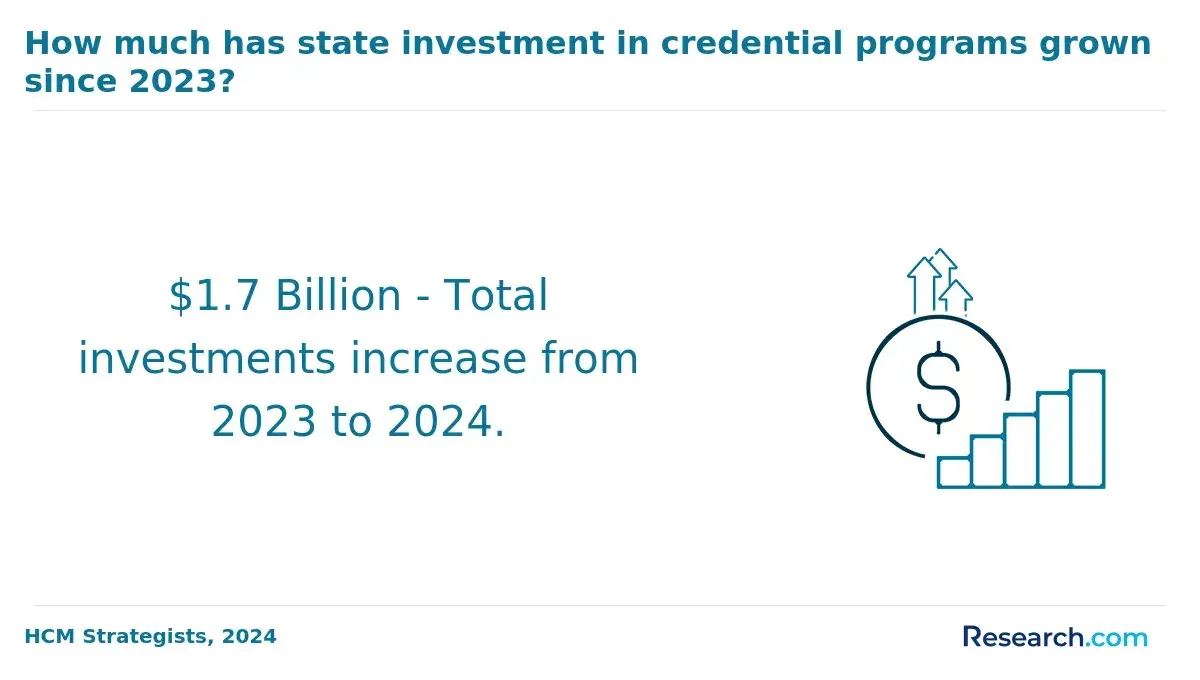
State investments in disability studies services directly influence the availability and expansion of degree programs by shaping the local demand for trained professionals. States that prioritize funding-such as increasing Medicaid reimbursement rates, allocating block grants, and supporting school-based mental health and community health centers-create a stable employment environment that encourages universities to develop or enhance relevant academic offerings.
This financial backing nurtures a reliable pipeline of job opportunities, which in turn attracts students looking for career stability near home. In contrast, states with persistent underfunding tend to see slower program growth as graduates often relocate to regions with stronger service infrastructures, thereby weakening the local workforce and reducing incentives for new program development.
- Funding Stability: Consistent or increased state funding signals ongoing workforce demand, motivating universities to sustain and grow disability studies programs aligned with regional needs.
- Employment Pipeline: Public investment in service sectors creates clearer career trajectories for graduates, making in-state programs more appealing to prospective students.
- Graduate Retention: Lack of adequate funding frequently leads to brain drain as graduates seek better-resourced markets, limiting local program expansion and community service capacity.
- Legislative Signals: Examining recent state budget allocations provides insight into policymakers' commitment to disability services and long-term career viability within that jurisdiction.
- Program Transparency: Prospective students should request data on the proportion of graduates employed in-state after five years to gauge the practical impact of funding on program success and labor market health.
One graduate from a Midwestern disability studies program recalled delaying their enrollment decision while waiting for clarity on state funding shifts that could affect program resources and post-graduation employment prospects. The rolling admissions timeline added pressure as the student balanced acceptance offers elsewhere against the potential benefits of staying in their home state's system. Their hesitation highlighted how funding uncertainty doesn't just impact institutional growth but also creates real dilemmas for applicants weighing stability against opportunity in a competitive and evolving field.
Which States Are Emerging as Unexpected Leaders in Disability Studies Degree Interest?
States not traditionally known for disability studies degree programs are emerging as notable players due to a blend of regulatory innovation, workforce incentives, and targeted institutional partnerships. These shifts create alternative pathways for students and professionals, especially those balancing cost, regional service commitments, and licensure portability. However, the sustainability of growth in these regions is mixed, hinging on factors like one-time funding or political will, which can affect long-term career trajectories for graduates.
- Arkansas: Increased collaboration between community colleges and graduate programs, combined with workforce development grants aimed at the health and human services sectors, has boosted enrollment. While employer demand remains cautiously steady, this growth faces uncertainty due to the state's budget sensitivity, requiring students to weigh the benefit of lower competition against potential volatility in funding and job market stability.
- West Virginia: Once largely overlooked, West Virginia's engagement in interstate reciprocity compacts easing licensure mobility is a distinctive advantage for geographically mobile students. Nonetheless, much of its enrollment spike traces back to temporary COVID-era federal funds, raising concerns about whether these gains can persist without additional financial support.
- Nebraska: Nebraska leverages new accreditation of disability studies programs at public universities and expanded telehealth efforts that cater to rural populations. Prospective students can expect smaller classes and favorable tuition, but the ongoing impact depends heavily on sustained state incentives and policy backing for rural healthcare education, making it a strategic but cautious choice.
- South Carolina: Legislative reforms targeting autism spectrum support and aging populations, alongside integrated workforce training, have attracted professionals seeking advanced credentials. Economic pressures may slow future growth, underscoring the importance of evaluating the resilience of local demand and public funding trends before committing.
Students assessing these emerging markets should consider program affordability and prospective employers' expectations. For example, exploring options among cheap psych NP programs can complement disability studies pathways focused on integrated care roles. Understanding the interplay of temporary policy boosts versus enduring workforce needs is crucial for informed decision-making in disability studies degree programs growth in emerging states.
How Does State Population Size Affect the Interpretation of Disability Studies Degree Growth Data?
Interpreting disability studies degree growth demands accounting for state population size to avoid misleading conclusions about market strength. For example, a large state producing 2,000 new disability studies graduates annually may seem to offer abundant opportunities, but relative to its population, this might represent a modest per-capita increase. In contrast, a smaller state adding 300 new graduates each year could reflect a much stronger per-capita growth rate, signifying a genuinely expanding market and potentially higher demand for professionals. Such absolute growth numbers alone obscure these nuances and limit their usefulness for career decision-making.
Evaluations grounded in disability studies degree growth relative to state population size reveal where supply aligns with or outpaces demand more clearly. Workforce saturation ratios and per-capita growth figures provide insight into whether markets are underserved or oversupplied. States exhibiting below-average professional-to-population ratios often present better early-career employment prospects because fewer licensed disability studies professionals compete for demand. This is critical for geographically mobile students aiming to optimize long-term career outcomes.
Additional factors influencing market dynamics and enrollment growth include:
- Regulatory Complexity: Some states impose restrictive licensure and certification requirements that slow new graduate entry despite enrollment increases.
- Economic Factors: Regional funding and healthcare infrastructure directly shape demand for disability studies professionals.
- Population Demographics: Higher proportions of individuals needing disability support typically generate stronger, more sustainable market growth.
- Institutional Capacity: The availability and size of academic programs impact raw degree output and must be considered in growth analysis.
For those considering a disability studies degree or career shift, assessing these variables alongside enrollment data is essential. Understanding how demand interacts with supply and market regulations informs better decisions about where to study and practice. Individuals interested in similar workforce pathways may also explore how to navigate related roles by visiting how do I become an athletic director for analogous career development insights.
What Role Do State Licensing Requirements Play in Driving or Suppressing Disability Studies Enrollment?
State licensing requirements decisively influence where graduate enrollment in disability studies expands or contracts, reflecting a practical calculus students perform beyond academic content alone. For example, a state with a clear, stable licensing path enables students to anticipate the exact credentials employers expect, facilitating smoother entry into jobs that often pay 15% to 25% above the median wage for comparable roles without licensure.
Conversely, states with opaque or frequently revised licensure standards increase uncertainty and cost, which dampens enrollment despite market demand. This dynamic becomes particularly salient for career changers or geographically mobile students balancing educational investment against potential licensure hurdles and regional job markets.
Licensing boards indirectly shape these enrollment patterns by setting employer expectations. In states where licensure is a prerequisite or a strong preference, employers effectively elevate the value of holding local credentials, steering students toward programs aligned with those requirements. This interaction forms a feedback loop: strong licensure frameworks foster program growth, which enhances advocacy for regulatory refinement, and yields a more stable ecosystem for students and professionals alike. Students ignoring the complexity of post-degree licensure pathways risk delays or barriers to employment despite degree completion.
- Transparency: States with clearly defined, accessible licensing criteria allow students to plan realistic career trajectories and reduce post-graduate surprises.
- Stringency: While rigorous standards can increase professional recognition and salary potential, excessive complexity or cost can suppress enrollment by extending time to practice.
- Employer Influence: Licensing boards indirectly guide hiring standards; robust licensure requirements raise demand for licensed graduates.
- Feedback Loop: Established licensure systems support program expansion, which drives advocacy and regulatory improvements.
- Decision-Making: Prospective students should evaluate full licensure pathways, including post-degree obligations, comparing their manageability across states to inform enrollment choices.
References
- Governor Signs Bill to Limit License Rules for Employment https://ihdd.org/2025/04/30/governor-signs-bill-to-limit-drivers-license-requirements-for-employment/
- Peter Lang Verlag - Practicing Disability Studies in Education https://www.peterlang.com/document/1051504
- Disability prevalence and trends - GSDRC https://gsdrc.org/publications/disability-prevalence-and-trends/
- Disability Studies: Is it the Field for You? https://enablingdevices.com/blog/disability-studies-is-it-the-field-for-you/
- Emerging Trends in Disability - Population Reference Bureau https://www.prb.org/resource/emerging-trends-in-disability/
- Charting Equality: Why Demographic Disability Data is Good for Everyone - DREDF https://dredf.org/charting-equality-why-demographic-disability-data-is-good-for-everyone/
- The State of Learning Disabilities Today https://ldaamerica.org/lda_today/the-state-of-learning-disabilities-today/
- Protecting Federal Dollars and Policy for Students with Disabilities. What’s Next? - The Center for Learner Equity https://www.centerforlearnerequity.org/news/protecting-federal-dollars-and-policy-for-students-with-disabilities-whats-next/
- UCLA Launches Bachelor of Disability Studies | Insight Into Academia https://insightintoacademia.com/ucla-launches-bachelor-of-disability-studies/
- Special Education Funding in Georgia - Georgia Budget and Policy Institute https://gbpi.org/special-education-funding-in-georgia/
Other Things You Should Know About Disability Studies
Employers in states with rapid growth in disability studies degree interest increasingly prioritize candidates with interdisciplinary skills that combine policy understanding with hands-on advocacy. Many organizations, especially nonprofit and government agencies, expect graduates to navigate complex legal frameworks and collaborate across sectors. This demand translates to programs emphasizing applied fieldwork or practicums, impacting how job placement unfolds-students from programs without these elements can face challenges in meeting employer expectations. Prospective students should weigh programs' connections to local agencies and real-world experience opportunities that align with this employer-driven skill set.
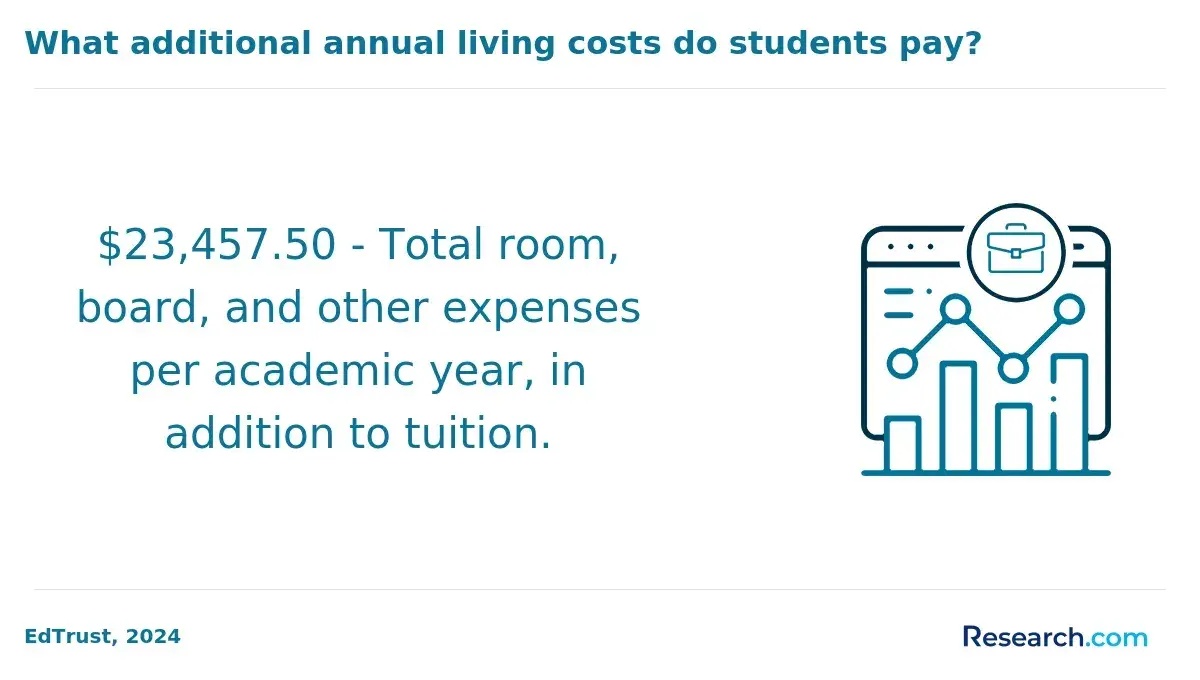
States with lower tuition fees paired with affordable living costs tend to see higher enrollment growth in disability studies programs, particularly among working professionals and career changers who must manage financial constraints. However, some high-cost states counterbalance expenses with stronger job markets and higher starting salaries post-graduation, influencing student decisions differently. For students prioritizing cost-efficiency, looking beyond raw enrollment growth to analyze net program value-considering both out-of-pocket expenses and expected regional salaries-is crucial to avoid enrolling in programs with limited return on investment due to high living costs.
Enrollment growth signals rising interest and potentially expanding academic resources but does not automatically guarantee superior job placement or program quality. Students should interpret growth data as one factor alongside analysis of local workforce absorption capacity and licensure or certification requirements. In states experiencing explosive enrollment increases, there can be intensified competition for internships and employment, suggesting a need to prioritize programs with strong employer partnerships or multi-state recognition of credentials. Thus, growth data is a starting point, not a standalone decision metric, especially for those aiming for employment outside the peak-growth state.
In 2027, states such as Texas, California, and Florida are seeing significant growth in disability studies programs. These states are addressing workforce shortages by expanding degree offerings and partnering with local organizations to create internship opportunities that facilitate practical experience for students.