2027 Work Experience Requirements for Surgical Tech Degree Programs

Co-Founder and Chief Data Scientist
Applicants to surgical tech degree programs often face uncertainty about how much work experience they need-and which types count-especially across undergraduate, master's, doctoral, and professional formats.
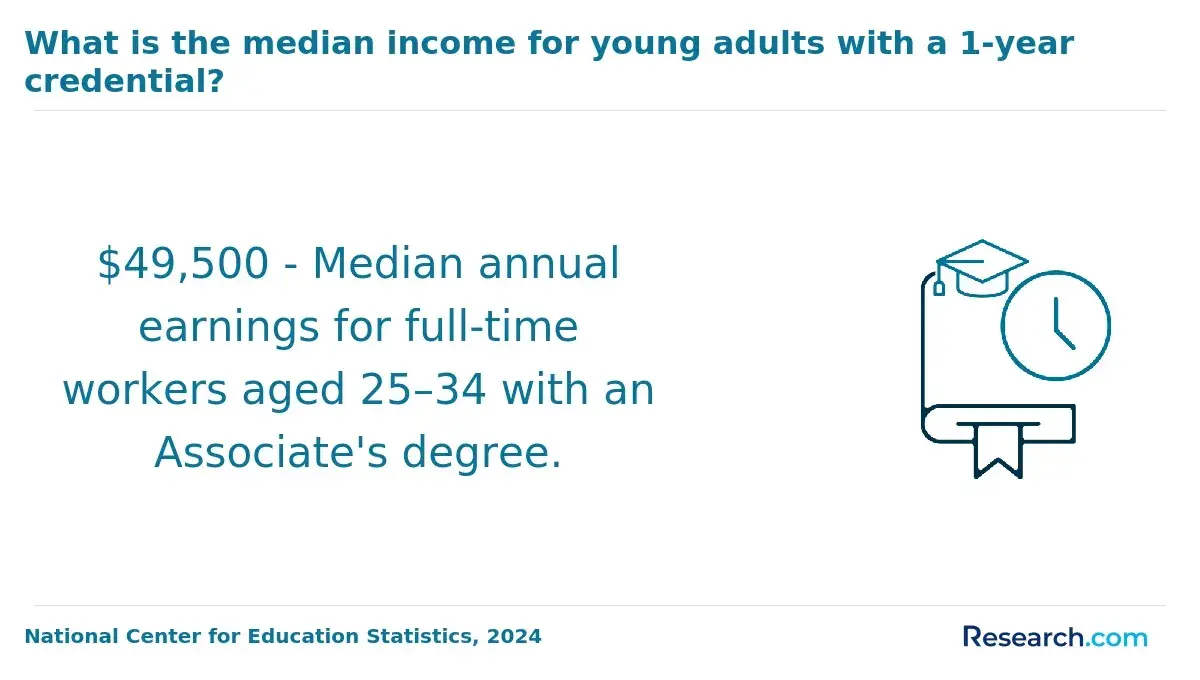
Requirements vary widely among accredited U. S. institutions, complicating preparation and documentation efforts. For example, an analysis of 2024 labor data shows the median annual salary for certified surgical technologists surpasses $50,000, reinforcing the importance of meeting admission standards to access this stable career path.
This article clarifies how experience thresholds are set, evaluated, and documented across different program levels and offers practical guidance to optimize applicants' chances in competitive admissions.
Key Things to Know About Work Experience Requirements for Surgical Tech Degree Programs
- Undergraduate surgical tech programs typically require 200-500 hours of documented clinical experience—both paid and unpaid—evaluated through detailed logs and supervisor attestations tailored to program length and intensity.
- Master's, doctoral, and professional degrees often demand advanced, specialty-focused experience—ranging from 1,000 to 2,000 hours—that must align with concentration criteria and include validated competency assessments.
- International and accelerated program applicants must translate foreign or compressed experience into U.S. equivalencies via credential evaluation services, ensuring compliance with institutional and accreditation standards.
What Are the Work Experience Requirements for Surgical Tech Degree Programs at the Undergraduate Level?
Accredited surgical tech programs at community colleges and four-year institutions across the United States rarely require prior work experience for undergraduate admission. These programs often prioritize foundational coursework paired with clinical practicum components, enabling students to gain hands-on skills during their studies.
Evaluating surgical tech undergraduate program experience criteria, many schools recommend—but do not mandate—healthcare exposure such as volunteering or job shadowing to demonstrate commitment and familiarity with clinical environments.
Some programs offer course credit through experiential learning, where verified healthcare roles like certified nursing assistant or medical assisting can accelerate degree completion.
Overall, undergraduate surgical tech work experience requirements in the United States tend to treat prior employment as supplemental, emphasizing supervised clinical rotations within the curriculum rather than pre-admission work history.
This contrasts sharply with graduate-level programs, which often require documented healthcare experience reflecting higher clinical autonomy and responsibility before admission.
For students entering directly from high school, the best approach is to seek programs that embed internships and clinical placements within their coursework, fostering skill development without pre-admission barriers.
- Admission Requirements: Work experience is rarely required at the undergraduate level but sometimes recommended to strengthen application.
- Curricular Credit: Some programs award academic credits for verified previous healthcare work through experiential learning options.
- Supplemental Role: Prior experience is considered beneficial but secondary to clinical practicum integrated within coursework.
- Graduate-Level Contrast: Advanced programs often mandate documented healthcare experience for admission, reflecting higher clinical expectations.
- Internship Focus: Prospective students are encouraged to choose degree programs that incorporate practical internships to build real-world skills during study.
Those navigating program options may also consider exploring related university majors to understand various pathways within health sciences.
How Much Professional Experience Do Surgical Tech Graduate Programs Typically Require Before Admission?
Work experience requirements for surgical tech degree programs vary widely across accredited institutions in the United States. These benchmarks align closely with the type of program-undergraduate, master's, doctoral, or professional-and the specific admissions standards of each school.
How much professional experience do surgical tech graduate programs in the United States typically require before admission often depends on the desired clinical proficiency and leadership skills candidates bring.
- No Experience Required: Many associate or entry-level programs accept applicants with no prior professional experience, focusing on academic achievements and foundational healthcare knowledge.
- Recommended Experience: Several master's degree programs suggest two to three years of work or clinical exposure to build a solid practical foundation, reflecting average work experience needed for surgical tech master's degree programs in the US.
- Preferred Experience: Elite graduate and doctoral programs typically expect five or more years of related surgical tech or healthcare experience, signifying readiness for advanced clinical competence and leadership roles.
- Applicant Profile: Typical applicants include recent graduates, mid-career professionals pursuing advancement, career changers seeking faster entry, and international students, whose experience often requires careful credential evaluation.
- Experience Types and Weighting: Admissions committees assess paid versus unpaid, full-time versus part-time, and domestic versus international work, weighing relevance and documentation critically.
- Admissions Strategy: Experience minimums are floors rather than ceilings—those with significantly more experience hold a competitive edge, especially in programs with limited seats or rigorous clinical demands.
For applicants exploring broader educational opportunities—such as an online executive MBA—understanding work experience criteria in your chosen field adds valuable context for advancing your career trajectory.
What Types of Work Experience Are Considered Relevant for Admission Into Surgical Tech Programs?
When surgical tech graduate programs request "relevant" work experience, the criteria often lack clarity and can differ significantly between schools. Typically, admissions committees value experience demonstrating familiarity with clinical settings, patient care standards, and sterile practices essential to surgical technology.
- Clinical Roles: Jobs like certified nursing assistants, medical assistants, operating room aides, or phlebotomists are usually accepted, as they offer direct patient care and exposure to surgical procedures.
- Healthcare Settings: Experience gained in hospitals, outpatient surgery centers, or emergency departments tends to carry weight, reflecting an applicant's ability to handle high-pressure healthcare environments.
- Core Responsibilities: Tasks involving maintaining sterile fields, managing surgical instruments, prepping patients, or assisting during surgeries align closely with what programs seek.
- Non-Clinical Work: Roles outside healthcare-such as administrative or unrelated customer service jobs-are generally less relevant unless they showcase transferable skills, like attention to detail or communication.
- Specialization Focus: Programs emphasizing subspecialties-such as cardiovascular or orthopedic surgical tech tracks-often expect experience specifically related to those areas, raising admission standards.
- Experience Variability: Paid and unpaid, full- or part-time experiences are typically accepted, provided applicants can document and verify their work.
- International Experience: Applicants with foreign work histories must present clear translations, credential evaluations, and contextual explanations to ensure proper evaluation.
- Program Research: Because definitions of relevant experience vary, prospective students should review specific program requirements and reach out to admissions with any uncertainties.
A professional who recently completed a surgical tech degree recalled how challenging it was to validate his mix of part-time clinical and volunteer experiences during the application process.
He shared, "Submitting detailed documentation and contacting faculty directly made a huge difference. It wasn't always clear if my outpatient clinic work would count, but persistence in communication helped me clarify what was acceptable."
His experience highlights the importance of proactive dialogue with programs when navigating ambiguous work history requirements.
How Do Surgical Tech Master's Programs Evaluate Part-Time or Volunteer Work Experience?
Master's programs in surgical tech often adopt a flexible stance toward evaluating part-time, freelance, unpaid internships, or volunteer work experience-acknowledging that valuable skills can be attained outside conventional full-time roles. Admissions committees prioritize the quality and relevance of experience over the sheer number of hours or job titles held.
- Demonstrated Responsibility: Admissions focus on roles where candidates assumed meaningful duties, such as assisting with surgical procedures, managing sterile environments, or collaborating closely with surgical teams-highlighting genuine accountability in the surgical tech field.
- Sustained Duration: Consistent, prolonged involvement-even in part-time or unpaid capacities-reflects dedication and allows for deeper skill acquisition, which many programs appreciate.
- Connection to Surgical Tech: Work experience must directly relate to surgical technology or operating room tasks to significantly influence admissions decisions.
- Skill Development: Candidates are encouraged to emphasize specific technical competencies and soft skills learned, like instrument handling, patient safety measures, and teamwork, rather than just listing job descriptions.
- Letters of Recommendation: Strong endorsements from supervisors or healthcare professionals acquainted with the applicant's non-traditional roles can greatly compensate for limited traditional employment histories.
Programs with a clinically focused or accelerated approach typically are more open to candidates from unconventional work backgrounds, recognizing the value of diverse experience. This inclusive mindset is often seen in surgical tech master's programs in the United States that emphasize holistic admissions.
Applicants presenting primarily part-time or volunteer work should carefully frame their experience in personal statements and interviews, detailing decisions made, challenges overcome, and responsibilities carried out to create a compelling narrative.
This context becomes especially vital when navigating work experience evaluation criteria for surgical tech master's programs in the United States.
For those interested in accelerated pathways, exploring options like the best online construction management degree programs can provide strategic insight into how accelerated professional tracks assess diverse experience types.
What Is the Minimum Work Experience Requirement for Surgical Tech MBA or Professional Degree Programs?
The entry requirements for surgical tech MBA or professional degree programs vary widely based on program style and audience. Many part-time, evening, and online programs aimed at mid-career professionals expect applicants to bring two to five years of relevant experience, ensuring students can engage deeply with advanced material.
Conversely, traditional full-time daytime programs often admit recent graduates with minimal or no prior professional experience, focusing on foundational skills and comprehensive preparation for surgical tech careers.
Admissions committees often assess the average work experience level of incoming cohorts, which provides a helpful benchmark beyond the stated minimums. This average helps applicants gauge their competitiveness and align their applications with appropriate programs.
Experience considered includes paid and unpaid roles, part-time jobs, volunteer work, and international positions—though careful documentation is crucial, especially for applicants presenting foreign work histories.
- Work Experience Expectations: Professional master's programs generally require multiple years of relevant employment, whereas full-time programs may prioritize recent graduates.
- Average Versus Minimum: Average experience figures communicate the typical candidate profile and can guide applicants' self-assessment.
- Experience Documentation: Validating diverse work types matters; international experience often demands detailed verification.
- Signal to Applicants: Knowing median cohort experience enables candidates to make informed decisions and target suitable programs.
- Variability Across Formats: Accelerated formats weigh prior knowledge heavily; traditional paths are more flexible.
- Advice for Applicants: Research median experience statistics alongside minimums to tailor applications effectively.
When asked about her thoughts on minimum work experience requirements, one professional who built her career post-graduation reflected on the initial uncertainty she faced. "I worried whether my two years of healthcare volunteering would count," she shared, recalling the thorough process of documenting every role's relevance.
Though it was stressful assembling proof, she found that programs valued diverse experiences—volunteer and paid alike—when clearly presented. This attention to detail gave her confidence through admissions, underscoring the importance of preparing a comprehensive and honest work history narrative.
How Do Surgical Tech Doctoral Programs Distinguish Between Industry Experience and Academic Research Experience?
Doctoral programs in surgical tech distinguish carefully between applied professional experience and academic research experience, reflecting the differing goals of practice-oriented versus research-driven degrees.
Professional doctorates generally place greater emphasis on industry experience, valuing firsthand exposure to surgical environments as essential for informing clinical work and practical dissertation topics.
In contrast, Ph.D. paths prioritize rigorous academic and research backgrounds—highlighting undergraduate research involvement, publications, and laboratory work that support theoretical advancement and scientific contribution.
Applicants should adjust their application emphasis to fit the program's focus—whether clinical practice or scholarly research—highlighting relevant experiences accordingly. Key factors include:
- Program Focus: Professional doctorates prefer candidates with solid clinical or surgical tech work history, while research degrees emphasize academic performance and research achievements.
- Documentation: Industry experience is demonstrated through detailed portfolios or resumes outlining job duties and clinical projects; research experience is substantiated via research logs, peer-reviewed articles, presentations, and references from mentors.
- Weighting: Practice-based programs may prioritize relevant work experience over GPA and test scores, whereas research programs view academic metrics as paramount, with experience serving a supportive role.
- Applicant Guidance: Direct communication with program directors is recommended to clarify how experience, academics, and test results are balanced during selection.
- International Experience: Applicants with foreign or nontraditional backgrounds must provide clear, well-translated documentation to meet U.S. standards.
Notably, recent data from 2024 indicate that over 65% of surgical tech doctoral programs now explicitly require or highly recommend documented professional experience for practice-focused tracks, underscoring the trend toward valuing applied knowledge in admissions.
Which Surgical Tech Degree Programs Accept Internships or Co-Op Experience in Lieu of Full-Time Work History?
Many surgical tech degree programs—especially bachelor's completion and professional master's tracks—accept co-op placements, structured internships, or supervised field practicums as substitutes for full-time work experience when evaluating candidates.
These experiences provide hands-on clinical exposure and may fulfill essential prerequisites or graduation requirements depending on each institution's policies.
Program Recognition: Programs accredited by CAAHEP and similar organizations often formally equate co-op experiences with traditional work history. This recognition is particularly common in accelerated or bridge programs designed for career changers or international applicants who may not have conventional employment records.
Co-op vs. Internship: Co-op experiences are typically more rigorous, integrated into the curriculum with assigned credit hours, scheduled clinical rotations, and ongoing faculty supervision. They often involve paid positions or stipends and detailed performance evaluations. Internships, by contrast, might be unpaid or part-time and usually emphasize observational learning or discrete tasks without academic credit.
Documentation: Formal acknowledgment requires students to submit supervisor evaluations, detailed work logs, and reflective reports that verify the scope and duration of clinical duties performed.
Admissions Value: Even if internships do not replace paid work in admission criteria, many competitive surgical tech programs view them positively during holistic admissions reviews. This is particularly important for recent graduates or mid-career professionals pursuing advancement who may lack extensive full-time employment.
Verification Advice: Prospective students should obtain written confirmation from admissions or program advisors that any planned internship or co-op meets the program's experiential prerequisites before enrollment.
According to a 2024 survey by the National Board of Surgical Technology and Surgical Assisting, over 68% of accredited surgical tech programs formally recognize co-op or internship experience as part of admissions or graduation criteria, highlighting an increasing trend toward flexible experiential learning pathways.
How Do Surgical Tech Online Programs Handle Work Experience Verification During the Admissions Process?
Online surgical tech programs-especially those serving adult and non-traditional learners-use multiple methods to verify applicant work experience during admissions. Due to the lack of in-person interactions, these programs depend heavily on documentation and external validation to ensure the authenticity and relevance of professional histories.
- Documentation: Applicants generally submit detailed resumes outlining job titles, responsibilities, and employment dates. This forms the foundational evidence for evaluating clinical experience in U.S. surgical tech online admissions.
- Employer Confirmation Letters: Many programs ask for letters from employers confirming roles, skills demonstrated, and employment duration, providing credibility to applicants' work claims.
- Professional References: Admissions committees sometimes contact supervisors or colleagues directly to verify clinical competencies and work performance.
- LinkedIn and Online Profiles: Review of professional networking sites allows cross-checking of employment history and endorsements, though these serve as supplemental evidence.
- Challenges With Verification: Without face-to-face interviews, assessing nuanced skills and verifying self-reported experience poses hurdles. Some institutions address this by using standardized forms and employer follow-up calls.
- Variability Among Programs: Work experience may either be a strict admission prerequisite with verifiable proof required or an optional enhancement for accelerated or graduate pathways.
- International Experience: Foreign work histories often require detailed translation, contextualization, and sometimes third-party credential evaluations to meet verification standards.
- Advice for Applicants: Candidates should prepare a clear, comprehensive resume and secure at least one employer reference who can attest to their hands-on skills, ensuring smoother verification and admission review.
Those pursuing advanced degrees or accelerated surgical tech options may also benefit from exploring degrees for moms going back to school, which often incorporate flexible experiences and pathways suited to diverse professional backgrounds.
What Role Does Work Experience Play in Surgical Tech Program Rankings and Selectivity?
Work experience requirements in surgical tech degree programs significantly influence program rankings and selectivity metrics across the United States—especially within competitive accredited institutions.
Ranking bodies and accrediting organizations incorporate metrics such as average entering student experience, employer reputation scores, and alumni career outcomes to evaluate program quality and competitiveness.
- Experience Metrics: Programs enrolling cohorts with extensive surgical tech experience typically achieve higher rankings, as experienced students enhance clinical outcomes and class dynamics.
- Employer Reputation: Partnerships with hospitals and surgical centers bolster reputation scores, reflecting the strength of students' existing work experience and the program's industry ties.
- Career Outcomes: Successful alumni placements create positive feedback loops that attract applicants with strong work histories seeking programs known for converting experience into career growth.
- Selectivity Insights: Understanding the impact of work experience on surgical tech program selectivity helps applicants calibrate their applications—those with more robust backgrounds should apply to selective, highly ranked programs, while others might focus on quality programs with different experience thresholds.
- Program Fit: Rankings are one of multiple factors; applicants should balance selectivity with cost, specific surgical tech concentrations, and personal goals.
Programs differ widely in how they assess paid, unpaid, part-time, and international experience—key variables shaping admissions decisions. Applicants are encouraged to research each program's expectations carefully to present their work history effectively, aligning with the rigor and focus of diverse degree formats across undergraduate, master's, doctoral, and professional pathways.
For those exploring options and qualifications, considering easy licenses and certifications to get online may complement clinical experience or support career changes within healthcare sectors.
How Do Surgical Tech Programs With Accelerated Tracks Adjust Their Work Experience Expectations?
Accelerated surgical tech programs—such as 12-month master's degrees or combined bachelor's-to-master's tracks—adjust work experience requirements depending on their target students. Programs aimed at recent graduates often ask for less prior experience, focusing more on academic readiness.
Conversely, pathways designed for mid-career professionals expect more hands-on backgrounds, matching their advanced study level.
- Work Experience: Recent graduate tracks require minimal experience, while mid-career routes look for substantial practical exposure.
- Cohort Composition: Accelerated programs tend to cluster students by career stage, offering less professional diversity than traditional programs.
- Coursework Intensity: Due to compressed schedules, these programs emphasize essential skills and core subjects, with fewer electives available.
- Career Services: Support often intensifies, providing tailored mentorship and networking opportunities suited for both newcomers and seasoned professionals.
- Peer Learning: Limited clinical experience within accelerated cohorts can reduce practical insight sharing, posing challenges for students with lesser professional backgrounds compared to peers who bring extensive hands-on knowledge.
Applicants lacking significant work history should enhance their profiles through leadership roles, project management, or research activities—elements highly regarded by admissions committees.
Nationwide, accelerated healthcare programs, including surgical tech degrees, have grown by 18% in 2024, underscoring increased demand for efficient educational routes without compromising quality.
Which Surgical Tech Degree Concentrations Require the Highest Levels of Prior Professional Experience?
Certain surgical tech degree concentrations-especially clinical advanced, executive leadership, and healthcare policy tracks-demand substantial prior professional experience. These pathways primarily target mid-career professionals seeking to expand their clinical expertise or transition into management, rather than newcomers just entering the field.
Disciplinary Focus: Clinical advanced programs require in-depth surgical and perioperative experience, building on core technical skills with more complex responsibilities and teamwork. Executive and policy tracks emphasize healthcare operations, governance, and regulatory compliance, typically developed through years of clinical and administrative roles.
Accreditation Standards: Accrediting agencies often insist on documented clinical hours or relevant employment to ensure candidates have practical proficiency before pursuing advanced studies. This requirement helps maintain patient safety and educational rigor, effectively catering to seasoned practitioners.
Program Structuring: To address applicants with varied backgrounds, many institutions offer tiered degree tracks-foundational options for individuals with limited experience and advanced concentrations for those with extensive industry history. Identifying a track's position often involves reviewing program prerequisites like required clinical hours and documented work roles.
Applicant Guidance: Investigating the professional profiles of enrolled students and alumni can clarify typical experience expectations. Furthermore, understanding whether programs accept unpaid internships, international work credits, or part-time roles aids in preparing a competitive application.
Recent Trends: As of 2024, over 65% of surgical tech programs with executive or policy focuses now require a minimum of three years' documented professional experience, reflecting growing demands for extensive hands-on expertise before admission.
What Graduates Say About the Work Experience Requirements for Surgical Tech Degree Programs
- Caiden: "Throughout my online surgical tech program, I found that the work experience requirements were thoughtfully scaled according to the degree level. Undergraduate programs typically set clear but achievable hours - enough to build foundational skills without overwhelming newcomers. It was insightful to see how master's and doctoral levels expect more rigorous evaluation and structured documentation, emphasizing not just hours but quality and complexity of tasks performed."
- Remington: "Reflecting on my journey, I appreciated how different accredited institutions across the U.S. evaluate clinical hours distinctly depending on the degree format. Professional degrees often require detailed logs reviewed by supervisors-a process that demands precision and accountability. These experiences taught me to be meticulous in documenting everything, as those records ultimately validate the hands-on experience essential for surgical tech careers."
- Adrian: "What struck me most about the surgical tech experience thresholds was how flexible yet standardized they are nationwide. While undergraduate programs focus on accumulating necessary hours, advanced degrees evaluate competencies more thoroughly, often requiring reflective assessments and supervisor evaluations. This nuanced approach ensures graduates are well-prepared - not just by quantity of experience, but by demonstrated expertise and professional readiness."
Other Things You Should Know About Surgical Tech Degrees
In 2027, aspiring surgical tech students can enhance their applications by participating in healthcare-related volunteer opportunities, internships, or shadowing programs. Additionally, obtaining certifications in related fields, such as CPR or basic patient care, can demonstrate a commitment to the healthcare profession and compensate for lack of traditional work experience.
Verification typically includes formal letters from employers or supervisors outlining job duties, duration of employment, and the applicant's level of responsibility. Detailed résumés supplemented by pay stubs or official employment contracts may also be required. Clinical practicum hours must often be documented with supervisor signatures on institution-specific forms verifying competency and attendance.
International candidates must provide translated and notarized copies of work records, including job descriptions and certificates, from accredited bodies in their home countries. Credential evaluation services frequently assess the equivalency of foreign work experience relative to U.S. standards. Some programs additionally require proof of licensing or certification validity and may request supplementary verification directly from foreign institutions.
Work experience can significantly enhance eligibility for scholarships or fellowships designed to support students with practical backgrounds. Some funding opportunities prioritize candidates who demonstrate applied skills or have worked in relevant healthcare roles, reflecting a readiness to excel in surgical tech training. Lack of experience may limit access to certain awards aimed at advancing experienced practitioners.
References
- How to Become a Surgical Technologist - NY Health Careers https://www.healthcareersinfo.net/profession/surgical-technologists/
- Surgical Technologist Apprenticeship https://www.henryford.com/careers/healthcare-apprenticeships/surgical-technologist
- Discover the Path to Becoming a Surgical Technologist https://www.hctravelnursing.com/blog/surgical-technologist-requirements-education
- Surgical Technologist Internship https://careers.rochesterregional.org/you-belong-here/earlycareers/student-opportunities/surgical-technology-internship/
- Earn your degree in Surgical Technologist from Mandl School The College of Allied Health https://mandl.edu/2024/11/23/a-career-as-a-surgical-technologist-the-heroes-of-the-operating-room/
- How Surgical Technologists Transform the Operating Room: Skills, Responsibilities, and Benefits https://carrington.edu/blog/or-tech-skills-needed-for-surgical-technologist-career/
- Surgical Technology (Accredited Programs) https://tulsatech.edu/full-time-programs-25-26/health-science/surgical-technology-accredited-programs/
- 9 Steps to Becoming a Surgical Tech (+ Requirements) https://www.stepful.com/post/how-to-become-a-surgical-tech
- How Many Years to Be a Surgical Tech? Prerequisites, Waitlists, and Graduation Time - Medical Prep https://medicalprep.org/how-many-years-to-be-a-surgical-tech/