2027 Can a Surgical Tech Degree Lead to Remote Jobs?

Co-Founder and Chief Data Scientist
The remote work landscape for Surgical Tech graduates remains narrowly defined, primarily due to the hands-on nature of clinical responsibilities. However, Surgical Tech degrees increasingly integrate digital competencies such as proficiency in surgical documentation software, electronic health record systems, and simulated virtual lab environments that enhance remote operational readiness. The U.S. Bureau of Labor Statistics reported in 2024 that remote-compatible roles related to perioperative support have grown by 8%, reflecting gradual employer adaptation to distributed team workflows. This shift suggests a partial but growing openness to hybrid and remote tasks around surgical preparation and coordination rather than direct patient care.
Mandatory clinical rotations and certification requirements still anchor most Surgical Tech training to physical settings, which limits fully remote practice initially. This article examines the scope and realities of remote job opportunities available to Surgical Tech graduates and evaluates how such roles fit different career paths and long-term professional objectives.
Key Points About Surgical Tech Degrees That Lead to Remote Jobs
- Remote clinical documentation and telehealth support roles require certification beyond basic surgical tech training, creating a timing tradeoff as students must invest in specialized coursework before qualifying for higher-skill, remote tasks.
- Employers increasingly favor surgical tech graduates with cross-disciplinary skills like coding and health informatics, reflecting a workforce trend that values digital fluency for remote medical roles over traditional OR experience alone.
- Growth in online allied health programs reported by the National Center for Education Statistics highlights expanding access, yet practical internship requirements limit full remote degree completion, affecting enrollment timing and cost-effectiveness decisions.
Is it possible for surgical tech graduates to work remotely?
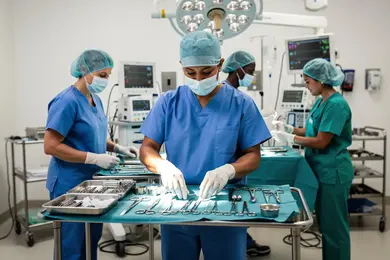
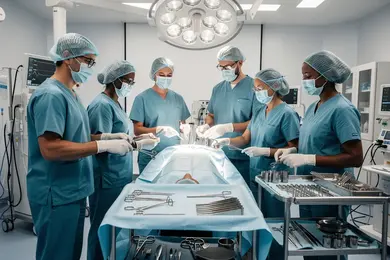
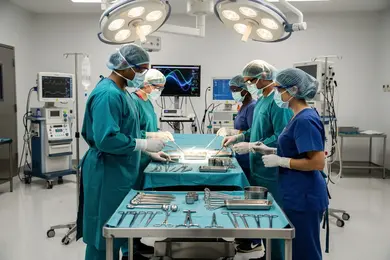
The hands-on nature of surgical tech roles inherently limits remote work opportunities, as these positions demand physical presence to manage instruments, prepare operating rooms, and assist surgical teams during procedures. Employers generally expect surgical techs to be on-site, making fully remote roles rare within clinical settings.
Nevertheless, select hybrid or partially remote positions do exist, often outside direct patient care. These may include virtual medical equipment training, remote coordination of surgical schedules, quality assurance tasks with remote reporting, or creating and facilitating educational materials and simulations. Such roles usually require additional administrative or technical skills beyond core clinical competencies.
Overall, graduates should recognize that remote options in the surgical tech field are exceptions rather than the norm. Securing these roles often demands a willingness to balance some on-site duties with remote responsibilities and to develop supplementary expertise that extends beyond traditional surgical tech training.
What are the typical entry-level remote positions for new surgical tech graduates?
Entry-level remote roles specifically tailored for new surgical tech graduates are limited, given the inherently hands-on nature of surgical technology work. However, there are several remote or hybrid positions that leverage the foundational knowledge gained through a surgical tech degree without requiring direct patient care.
Below are five common entry-level remote job titles that align with remote roles for new surgical tech graduates.
- Sterile Processing Technician: This role primarily involves ensuring surgical instruments are properly sterilized and maintained. While much of the hands-on sterilization occurs on-site, remote responsibilities often include coordinating inventory, managing compliance documentation, and conducting training through digital platforms.
- Medical Device Customer Support Specialist: These positions require familiarity with surgical tools and environments to provide technical support. Duties are frequently remote, involving phone or online troubleshooting and acting as intermediaries between healthcare providers and product development teams.
- Clinical Documentation Specialist: Remote work in this area focuses on reviewing surgical records and procedural reports to maintain accuracy and compliance standards. A surgical tech background supports understanding of surgical terminology, enabling effective quality assurance and audit support, often within health insurance or IT firms.
- Remote Surgical Training Assistant: Companies producing surgical training content or e-learning materials hire surgical techs to help develop course content, support users, and facilitate virtual training sessions. This increasingly remote role utilizes expertise in surgical procedures to improve educational tools and learner engagement.
- Healthcare Scheduling Coordinator: In hybrid or remote settings, this job involves managing surgical team schedules, coordinating equipment availability, and arranging patient appointments. Success in this role depends on strong organizational skills and knowledge of operating room logistics.
Remote roles for new surgical tech graduates typically emphasize administrative, technical, or educational functions and usually exclude direct clinical decision-making or patient contact. These positions offer a practical way to apply foundational surgical tech knowledge while accommodating flexible work arrangements.
For those exploring remote work options, assessing employer standards regarding communication, technical proficiency, and regulatory compliance is essential. Prospective candidates interested in broadening their educational perspectives and career options can also explore online degrees that complement their skill sets and improve adaptability in evolving healthcare environments.
Are there senior-level remote positions for surgical tech professionals?
Senior-level remote positions remain uncommon for new surgical tech graduates due to the inherently hands-on nature of the work, which typically demands physical presence in operating rooms. Nonetheless, several advanced roles within surgical technology offer hybrid or fully remote opportunities, primarily focusing on administrative, educational, and compliance-related responsibilities.
The following examples highlight key positions aligned with senior remote roles in surgical tech.
- Surgical Technology Educator: This role centers on training new surgical techs using online platforms, developing educational content, and leading virtual workshops. It leverages digital communication tools, making remote work highly feasible.
- Operating Room (OR) Compliance Coordinator: Responsible for ensuring compliance with surgical safety regulations, auditing practices, and preparing documentation. Much of this work involves coordinating across sites, which can often be managed remotely.
- Medical Device Consultant: Provides expertise to healthcare facilities on selecting, integrating, and troubleshooting surgical instruments. Consultations and trainings typically occur via virtual meetings, enabling largely remote operations.
- Clinical Documentation Specialist: Focuses on verifying surgical records for accuracy and completeness related to billing and legal considerations. This role requires reviewing electronic health records, making it compatible with remote work settings.
- Surgical Program Manager (Hybrid): Oversees program operations, staff scheduling, and workflow improvements. While some onsite presence is usually necessary, remote work can cover significant administrative and planning tasks.
These senior remote surgical tech positions emphasize leadership, communication, and regulatory knowledge over direct patient care. They typically demand several years of experience along with certifications or training in areas like program management or education. For surgical tech graduates exploring advanced surgical tech remote career opportunities, understanding these roles illustrates how the field increasingly accommodates flexible work arrangements.
Complementary skills such as digital literacy and coordination across dispersed teams are crucial. Those weighing further online education may also consider a 2-year psychology degree online as part of a broader strategic career move supporting transitions into related healthcare roles or advanced clinical coordination functions.
Which industries hire the most remote workers with surgical tech degrees?
Remote work opportunities for surgical tech graduates tend to emerge mainly in industries that utilize their specialized knowledge beyond traditional clinical settings. These roles often blend surgical experience with technology, education, or regulatory oversight.
Below are key sectors that routinely hire remote or hybrid workers with surgical tech backgrounds.
- Medical device manufacturing: Remote roles in this sector typically involve product education, technical support, and quality control. Surgical tech expertise helps ensure devices meet clinical standards and user needs, often requiring collaboration with engineering and sales teams.
- Healthcare education and training: Organizations developing online courses or simulation-based learning frequently need subject matter experts. Remote surgical techs contribute by designing content, validating accuracy, and supporting virtual instruction.
- Health informatics: Companies creating software tools or analyzing procedural data look for professionals who understand surgical workflows. Remote positions include software testing, data interpretation, and recommending workflow improvements tied to clinical realities.
- Medical billing and coding: While not purely clinical, some remote auditing and coding verification roles leverage surgical tech knowledge to ensure procedural accuracy and compliance in billing processes, improving claim integrity.
- Consulting and healthcare compliance: Remote advisory jobs focus on surgical protocols, instrument standards, and regulatory adherence. Surgical tech graduates provide insights to maintain quality and support accreditation or auditing processes.
How do salaries differ for remote vs on-site roles in surgical tech?
Salary differences between remote and on-site surgical tech roles primarily reflect the direct, hands-on responsibilities required in clinical settings. On-site surgical techs generally receive higher annual pay due to their physical presence in sterile environments and involvement in immediate patient care.
In contrast, remote surgical tech positions-often focused on education, telehealth coordination, or equipment management-tend to offer lower compensation, influenced by geographic pay tiering policies that many employers use to control costs. This geographic adjustment plays a significant role in shaping remote surgical tech salary comparisons.
Employers commonly implement pay variations for remote surgical tech jobs based on the employee's location, which can limit earning potential compared to on-site roles. Specialized or acute shortage sub-roles, however, may command more competitive salaries despite being remote, as organizations seek to retain scarce, skilled professionals.
For students or graduates evaluating career options, recognizing how average on-site vs remote surgical tech pay differs helps clarify realistic income expectations within evolving healthcare employment models. For pathways related to healthcare or other practical skills, consider programs like the fast track construction management degree to understand how accelerated education options intersect with workforce demand and geographic compensation variations.
What are the common challenges of working remotely with a surgical tech degree?
Remote work options for surgical tech degree holders face significant operational and professional hurdles rooted in the hands-on demands and team-dependent nature of the role. These challenges affect communication, compliance, visibility, and overall workflow efficiency.
Below are five core issues surgical techs must navigate when considering or engaged in remote positions.
- Real-Time Collaboration Limitations: Surgical tech work often requires immediate, face-to-face interaction with surgical teams to ensure swift responses to changes during procedures. Remote setups can introduce delays and miscommunications, undermining the precision crucial in surgical environments. Professionals need to leverage advanced communication tools and establish clear protocols to mitigate these gaps.
- Patient Data Security Concerns: Handling sensitive healthcare information remotely raises significant privacy risks since home or off-site networks typically lack the robust controls found in clinical settings. Ensuring compliance with HIPAA and institutional policies demands stringent digital safeguards and ongoing vigilance from surgical techs.
- Proximity Bias Implications: Performance assessments and career visibility frequently favor onsite staff, which can disadvantage those working remotely. This bias may affect opportunities for advancement despite equivalent or superior job performance, requiring remote surgical techs to proactively document contributions and maintain strong organizational connections.
- Hands-On Skill Application Challenges: The practical nature of surgical tech duties limits the extent to which tasks can be conducted remotely, constraining job functions and potentially reducing engagement with critical hands-on training or certification renewals.
- Workflow Integration Difficulties: Coordinating with surgical teams and adapting to the fast-paced clinical environment remotely complicates seamless participation in operating room activities. Surgical techs must adopt flexible strategies and adapt communication workflows to remain effective contributors.
After graduating from an online Surgical Tech bachelor's program, a surgical tech professional shared concerns about these obstacles firsthand. He explained that "it's challenging to replace in-person cues and instantaneous teamwork with video calls or messaging." He emphasized the constant need to double-check communications and coordinate cautiously to avoid mistakes that could delay procedures.
He also reflected on feeling somewhat detached during evaluations, noting "being remote sometimes makes you feel overlooked, even when you're meeting or exceeding expectations." Despite these issues, he highlighted that careful attention to digital security and persistent efforts to stay engaged with clinical teams were critical to managing remote work demands effectively.
Are there certifications that can improve remote hiring outcomes for surgical tech graduates?
Certifications play a crucial role in improving remote hiring outcomes for surgical tech graduates by signaling proficiency and adherence to industry standards valued by employers overseeing telehealth and remote surgical support roles.
Below are five key certifications known to enhance remote job prospects for surgical tech graduates.
- Certified Surgical Technologist (CST): Offered by the National Board of Surgical Technology and Surgical Assisting (NBSTSA), this credential is widely recognized to verify foundational surgical tech skills. Employers often view the CST as a baseline qualification that can increase access to remote roles such as sterile processing monitoring and telehealth surgical assistance.
- Tech in Surgery - Certified (TS-C): Administered by the National Center for Competency Testing (NCCT), the TS-C focuses on practical, competency-based skills. It supports candidates aiming for remote work by emphasizing operational readiness required even outside traditional onsite settings.
- Certified Surgical First Assistant (CSFA): Targeted at surgical techs extending into assistance roles during procedures, the CSFA certification can distinguish candidates for specialized remote positions that involve direct surgical support via telepresence or on-call assistance.
- Certified Registered Central Service Technician (CRCST): Provided by the International Association of Healthcare Central Service Materiel Management (IAHCSMM), this certification validates expertise in central service and sterile processing, areas increasingly managed remotely in integrated healthcare systems.
- Basic Life Support (BLS) Certification: Often required by employers, the BLS certification from the American Heart Association (AHA) demonstrates readiness to respond to emergencies and is a common supplement to surgical tech credentials that expands remote work eligibility across care settings.
While many remote-friendly certifications for surgical tech professionals require rigorous testing and demonstrated clinical experience, selecting certifications aligned with employer expectations and specific remote duties markedly improves employability.
This strategic approach helps candidates stand out in a competitive market adapting to telehealth and remote surgical support demands. For those interested in parallel educational pathways that accelerate workforce entry and adaptable skills, exploring the fastest MBA program options may offer additional strategic benefits as surgical tech careers evolve.
How can surgical tech degree students increase the chances of landing remote roles?
Securing remote roles as a surgical tech degree student requires purposeful strategies that align with the realities of this niche job market. Increasing the chances involves demonstrating capabilities beyond traditional clinical settings, emphasizing adaptability and digital competence.
Below are key approaches to improve remote hiring success for surgical tech degree students.
- Develop a Digital Portfolio: Showcase relevant experience through detailed case studies of surgical procedures, mastery of surgical software, and participation in virtual trainings. A clear portfolio illustrates technical skills and the ability to work autonomously, which are critical for remote positions.
- Engage in Specialized Online Communities: Target platforms such as Remote Healthcare Professionals Slack groups or focused LinkedIn groups that share remote job openings not typically available on general boards. These networks provide high-value leads and connect candidates with industry insiders.
- Highlight Communication and Problem-Solving Skills: Remote hiring managers prioritize self-sufficiency and clear communication. Preparing for asynchronous trial tasks like remote equipment troubleshooting or scheduling virtual shadowing improves how candidates demonstrate these competencies.
- Prepare for Virtual Hiring Processes: Many remote roles include assessments that evaluate time management and independent task handling without direct supervision. Understanding and practicing these can reduce the gap between traditional and remote hiring expectations.
- Understand Remote Role Variability: Remote opportunities in surgical tech often focus on telehealth support, device training, or consulting rather than hands-on clinical duties. Aligning your skill development with these specific areas enhances employability in the remote healthcare sector.
Effective strategies for surgical tech graduates to secure remote healthcare jobs depend on deliberate positioning and skill articulation, avoiding a one-size-fits-all approach common in clinical job searches. For those exploring broader healthcare pathways with remote potential, it may also be valuable to compare different degrees and roles such as jobs with a masters in forensic psychology to evaluate which credentials offer more remote flexibility.
Remote surgical tech roles require a different approach to career progression than traditional, on-site positions. The lack of physical presence shifts employer focus towards measurable outcomes, such as accuracy in documentation, task completion rates, and responsiveness within digital platforms.
Since informal face-to-face networking is limited, surgical techs working remotely must proactively cultivate strong relationships through consistent, transparent communication with supervisors and interdisciplinary teams.
Leadership potential is often evaluated based on contributions to process improvements and willingness to support or train remote colleagues, rather than visibility in the workplace. This demands greater self-direction and initiative, with less reliance on informal recognition. While remote work offers flexibility, it can also reduce opportunities for organic mentorship and spontaneous collaboration, which historically influence promotion decisions.
Successful remote surgical techs are those who master virtual collaboration tools and demonstrate reliable performance metrics consistently. Understanding workflow expectations and documenting contributions clearly become vital. Ultimately, those who adapt to these norms can position themselves effectively for leadership roles, but must navigate tradeoffs in social capital development inherent to distributed teams.
Long-term career trajectory in remote surgical tech jobs hinges on digital proficiency and strategic communication rather than traditional visibility, requiring a shift in how professionals manage advancement and demonstrate leadership potential.
Is a remote career in surgical tech sustainable for the next decade?
Remote careers for surgical techs face inherent challenges due to the hands-on nature of their responsibilities in operating rooms. The core duties require physical presence, making fully remote positions rare and difficult to sustain long term. That said, certain peripheral tasks such as preoperative planning, equipment coordination, and inventory management are increasingly adopting digital and remote workflows, supported by advances in augmented reality, AI scheduling, and remote monitoring technologies.
Industry trends suggest a rise in hybrid roles where surgical techs split time between onsite and remote functions to balance patient safety with operational flexibility. Employers value this model as it aligns with regulatory requirements while leveraging technological tools. For surgical techs, embracing these shifts demands adaptability and continuous technical skill development. Navigating economic fluctuations and evolving employer expectations will require meaningful upskilling and robust professional networks to maintain relevancy in these emerging blended roles.
When asked about the sustainability of remote careers, a surgical tech professional who completed an online bachelor's program described mixed experiences. He noted, "I quickly realized that most real-time surgical support can't be done remotely, which was frustrating at first." However, he found value in remote pre-op coordination tasks, saying, "The ability to assist with inventory and scheduling from home helped me stay connected." He emphasized the struggle to find fully remote roles but recognizes hybrid positions as the most viable path forward, adding that "constantly learning new digital tools has been essential to keeping pace with the changes."
What Graduates Say About Surgical Tech Degrees That Lead to Remote Jobs
- Caiden: "After earning my degree in surgical tech, I quickly realized that the traditional OR roles were saturated, so I leveraged my certification to transition into a remote position supporting surgical device training and documentation. The shift to remote work has allowed me to stay deeply involved in surgical technology innovations without the physical presence in a hospital, though I've had to continuously build a portfolio of projects to demonstrate my value beyond the licensure that many employers prioritize."
- Remington: "Graduating with a degree in surgical tech gave me a solid foundation, but landing a remote role required gaining extra certifications and completing internships that emphasized telehealth applications and surgical support software. Working remotely has been a mix of rewarding flexibility and some hurdles, especially when competing for roles that emphasize licensure for advancement. Nonetheless, it's opened doors I didn't expect in clinical education and workflow consulting."
- Adrian: "My career path after graduating in surgical tech steered me towards remote case coordination and preoperative patient education, fields where employers value hands-on experience over formal licenses. I've found that while remote work offers great work-life balance, salary growth can be limited without pursuing additional credentials. Navigating this landscape requires pragmatic decisions about where to focus my efforts - whether on certifications or diversifying my practical skills to stay relevant."
Other Things You Should Know About Surgical Tech Degrees
In 2027, most surgical tech programs focus on in-person, hands-on training, which limits direct remote work opportunities. The structure typically emphasizes clinical experience in surgical settings, impacting readiness for remote roles, such as in medical software support or telehealth training.
Accelerated certificate programs often focus intensely on technical skills for immediate employment but generally cover fewer ancillary skills relevant to remote or versatile roles, such as data management or patient coordination. Conversely, associate degrees typically incorporate broader healthcare education and general education, providing a wider range of potential job pathways, including some remote options. Students aiming for long-term career versatility-including a shift to remote work-should weigh initial fast entry against fewer adaptive skills in certificates versus broader preparation in degree programs.
Employers in healthcare increasingly expect surgical tech graduates to demonstrate familiarity with digital tools, electronic health records, and sometimes telecommunication platforms, especially for hybrid or support roles that include remote tasks. Graduates who have not acquired these technical competencies during their training might find themselves limited to on-site roles despite initial job titles suggesting remote possibilities. Prioritizing programs with integrated technology and informatics training can create a competitive edge for such positions.
Surgical tech roles traditionally involve fluctuating workloads due to surgery schedules, making consistent remote hours difficult unless the position is explicitly designed for remote administrative or educational duties. This variability means those prioritizing stable, predictable hours should consider alternative or hybrid career paths supported by their degree-such as surgical tech training instructors, medical device consultants, or quality assurance specialists-that can offer remote work without compromising professional relevance. Assessing how your chosen role aligns with personal balance preferences is essential before committing to a surgical tech program.
References
- What is the Surgical Tech Career Path? From Start to Advancement https://www.rasmussen.edu/degrees/health-sciences/blog/surgical-tech-career-path/
- Steps On How To Become A Surgical Tech | HowToBecome Guide https://www.learnhowtobecome.org/surgical-tech/
- Surgical Tech Jobs | Part Time Surgical Tech Jobs https://concentrichealthcare.com/healthcare-staffing-services/surgical-services-careers/
- Remote Work Challenges & Solutions | Hire Overseas Guide https://www.hireoverseas.com/blogs/remote-work-challenges
- Surgical Technologist Jobs Outlook and Career Insights https://www.cbd.edu/blog/surgical-technology/surgical-technologist-jobs-outlook-career-insights/
- Surgical Tech: The Elite Way To Level Up - Liv Hospital https://int.livhospital.com/surgical-tech-the-elite-way-to-level-up/
- Surgical technology - program information | Stark State College | North Canton, Ohio https://www.starkstate.edu/surgical-technology-program-information/
- Travel Surgical Tech Jobs https://www.medicalsolutions.com/nursing/surgical-tech/
- Five Key Takeaways from Aya Ideas 2025 https://www.ayahealthcare.com/healthcare-jobs/allied/surgical-services/or-tech-surgical-tech/
- Surgical Technology Instructor - Virtual at [Hidden Company] https://dailyremote.com/remote-job/surgical-technology-instructor-virtual-4882096