2027 Surgical Tech Degree Programs With Rolling Admissions

Co-Founder and Chief Data Scientist
Many working adults reconsider career moves when traditional application deadlines have passed, complicating enrollment in Surgical tech programs. Rolling admissions ease this pressure by allowing ongoing submissions, which suits learners balancing job schedules and family commitments.
The National Center for Education Statistics shows a 27% rise in adult enrollment in flexible programs over five years, highlighting a shift toward adaptable entry points. For surgical tech candidates facing licensure requirements and hands-on training constraints, timely program start dates can directly affect job market readiness.
This article examines how rolling admissions influence access and pacing, helping readers decide if these programs match their career timing and educational needs.
Key Benefits of Surgical Tech Degree Programs With Rolling Admissions
- Rolling admissions allow students to start surgical tech training aligned with healthcare hiring cycles, enhancing synchronicity between education completion and employer demand peaks.
- Extended entry windows can complicate cohort cohesion and resource planning, requiring students to navigate less predictable peer networks and variable instructor availability.
- Flexible timelines reduce financial strain by permitting staggered course starts, but may extend overall program duration, influencing time-to-employment and potential early earnings.
How Do Surgical Tech Degree Programs With Rolling Admissions Work?
The rolling admissions model in surgical tech degree programs redefines how students approach application timing and readiness, emphasizing strategic submission over fixed deadlines. This approach reshapes access by continuously aligning enrollment with healthcare workforce demands, but it also requires students to balance urgency against adequate preparation.
- Continuous Evaluation: Programs with rolling admissions assess applications as they arrive rather than waiting for a single deadline. This creates a dynamic selection process where early applicants often gain a critical advantage, especially in programs with limited clinical placement capacity.
- Workforce Responsiveness: Rolling admissions enable surgical tech programs to adjust enrollment swiftly in response to fluctuating hospital and surgery center staffing needs. This alignment supports faster integration of trained technologists into understaffed environments, addressing practical workforce gaps.
- Seat Availability Tradeoff: While the extended window offers flexibility, seats are awarded on a first-come, first-served basis. Students delaying applications risk losing placement despite meeting qualifications, illustrating a practical consequence often overlooked in static admission cycles.
- Clinical Scheduling Demand: Surgical tech programs require prompt transitions from admission to clinical rotations. Late admission under rolling systems may compress preparation time, potentially affecting students' readiness and their ability to meet rigorous clinical standards.
- Program Cohesion Impact: Continuous enrollment can fragment peer cohorts, reducing opportunities for collaborative learning that is essential in procedural and team-dependent surgical settings. This fragmentation is a subtle yet impactful factor in academic and professional development.
- Comparative Accessibility: Compared to traditional cohort-based programs, rolling admissions lower barriers for applicants whose readiness or interest arises late. This inclusivity supports a broader applicant pool but demands heightened student proactivity and planning.
- Decision-Making Consequence: Candidates must weigh the urgency of starting training against being fully prepared for the program's intensity. Poorly timed applications can lead to rushed entry, negatively affecting long-term employability outcomes and academic success in surgical tech pathways.
Students researching how surgical tech degree programs with rolling admissions streamline the application process will find that this model offers greater temporal flexibility but injects nuanced risks related to seat competition and clinical readiness. For prospective and returning U.S. students balancing diverse personal or professional circumstances, understanding these operational details is essential to making informed enrollment decisions. Additionally, prospective enrollees may benefit from exploring the best online colleges that accept FAFSA as part of assessing their educational options.
What Are the Admission Requirements for Rolling Admissions Surgical Tech Programs?
Rolling admissions for surgical tech programs require continuous applicant evaluation, where timeliness and preparedness directly affect enrollment opportunities. Candidates able to demonstrate readiness early often secure placement in preferred cohorts, while late or incomplete applications may face delays or exclusion due to clinical placement constraints. This dynamic underscores tradeoffs between strategic application timing and the ability to meet complex prerequisites spanning academics and practical certifications.
- GPA Requirement: Most programs expect a minimum GPA reflecting academic aptitude, often around a 2.5 or higher, indicating foundational capability to manage demanding technical coursework and adapt under clinical pressures.
- Transcripts: Official high school or equivalent transcripts alongside proof of prerequisite coursework in anatomy, physiology, and medical terminology are necessary to verify baseline knowledge crucial for surgical tech duties.
- Application Form: Rolling systems require thorough, up-to-date application submissions that may be reviewed on a weekly or monthly basis, making completeness and accuracy essential to timely consideration.
- Standardized Test Scores: Scores from assessments like the TEAS demonstrate academic readiness; some programs permit multiple submissions, allowing applicants to improve results and enhance competitiveness.
- Healthcare Experience: While not universally mandatory, documented experience in clinical or patient care settings can substantially improve an applicant's profile by signaling practical familiarity and teamwork skills aligned with employer expectations.
- Background Checks and Immunizations: Compliance with clinical placement standards is enforced early, requiring clearance on criminal background checks, updated immunization records, and CPR certification to avoid delays in hands-on training phases.
When Should You Apply for Rolling Admissions Programs?
Rolling admissions in surgical tech programs operate on a continuous evaluation basis, reviewing each application as it arrives rather than waiting for a fixed deadline. This means the timing of submission directly impacts an applicant's competitiveness, as program seats fill incrementally over time. Early applicants often encounter less competition and greater availability of spots, which can translate into more personalized admissions consideration and increased access to limited financial aid resources. In contrast, mid-cycle and late-cycle applicants face smaller remaining cohorts and stiffer competition, making acceptance less predictable regardless of qualifications. Scholarship and aid opportunities tend to diminish as the cycle progresses, given budgets are often allocated on a first-come, first-served basis, underlining how timing aligns closely with financial planning and program affordability.
Applicant strategies must therefore reflect not only preparedness but also realistic assessments of program capacity and personal readiness. Those fully prepared with all prerequisites, transcripts, and test scores will benefit most from early applications, whereas candidates who must secure additional credentials may still gain entry mid-cycle but should anticipate more pressure on seat availability. Waiting until the final phase risks outright denials, waitlisting, or delayed clinical training, which in turn can postpone workforce entry and impact earning potential.
For employers valuing timely credential completion, delays may place graduates at a disadvantage when competing for limited surgical tech roles. Ultimately, aligning application timing with comprehensive readiness and strategic awareness of program dynamics mitigates risks inherent in the rolling admission process and influences overall career trajectory.
One applicant recalled submitting her surgical tech program application shortly after completing final prerequisite exams but hesitated due to uncertainty about her test scores. By the time she applied mid-cycle, many seats were taken, and financial aid options had narrowed considerably. Although eventually admitted, she faced a waitlist period that disrupted her planned start date and delayed clinical placements. Her experience highlighted how a cautious approach, though understandable, had real consequences-not only in lost time but also in reduced access to institutional support-underscoring that timing and readiness must be balanced carefully in rolling admissions scenarios.
Are Rolling Admissions Common in Online Programs?
Rolling admissions are notably more prevalent in online surgical tech programs than in traditional on-campus options, reflecting intentional design choices to enhance accessibility and operational flexibility. Institutions offering these programs use rolling enrollment to accommodate remote learners juggling work and personal obligations, allowing continuous intake rather than fixed semester starts. This approach helps manage fluctuating demand by smoothing out application volumes and aligning capacity with workforce needs.
According to a 2023 survey, about 65% of online healthcare programs, including many surgical tech offerings, employ rolling admissions or multiple start dates annually, compared to roughly 30% of on-campus programs, illustrating the growing institutional preference for scalable, learner-centered enrollment practices focused on pragmatic workforce entry timelines.
Despite this trend, online surgical tech programs vary significantly in their admissions strategies. Some maintain cohort-based models with fixed start dates to support peer networking and consistent academic pacing, while others combine rolling admissions with occasional set enrollment windows for greater structure. For students, rolling admissions can mean quicker entry but may also intensify competition for limited clinical placements and require expedited application preparation.
Understanding these tradeoffs is crucial, especially since timing can affect hands-on training coordination and alignment with certifying exams. Prospective learners balancing complex schedules should carefully evaluate the availability of online surgical tech programs with rolling enrollment to optimize both access and practical readiness within a demanding healthcare labor market. This model contrasts with more rigid schedules still dominant in many traditional programs and aligns better with evolving employer expectations for flexible, timely credentialing.
For those interested in broader online education pathways, exploring online MLIS programs demonstrates similar trends toward flexible admissions tailored to working adults.
Do Rolling Admissions Schools Have Higher Acceptance Rates?
Rolling admissions does not inherently lead to higher acceptance rates; the perception that it does stems primarily from how application timing and cohort capacity interact. Programs with rolling admissions accept students continuously until reaching their enrollment limit, so applicants who submit early typically face less competition for available seats. This dynamic can create the impression of easier acceptance, but once capacity is met, the process effectively becomes as selective as traditional admissions, with remaining applicants encountering waitlists or rejections. Therefore, the acceptance rate is shaped more by program size, demand, and resource constraints than by the admissions model itself.
In surgical tech programs, acceptance rates vary widely across schools due to differing cohort sizes and market demand, not simply because of rolling admissions policies. Many institutions offering flexible start dates maintain rigorous standards to meet employer certification and accreditation requirements, ensuring consistent competency levels among graduates. While rolling admissions may extend flexibility in application timing, it does not reduce the fundamental qualifications needed for acceptance. Prospective students should consider how capacity limits and application deadlines affect their chances rather than assuming rolling admissions equals lower selectivity or easier entry, especially given the competitive nature of surgical tech workforce demands.
How Much Do Rolling Admissions Surgical Tech Programs Cost?
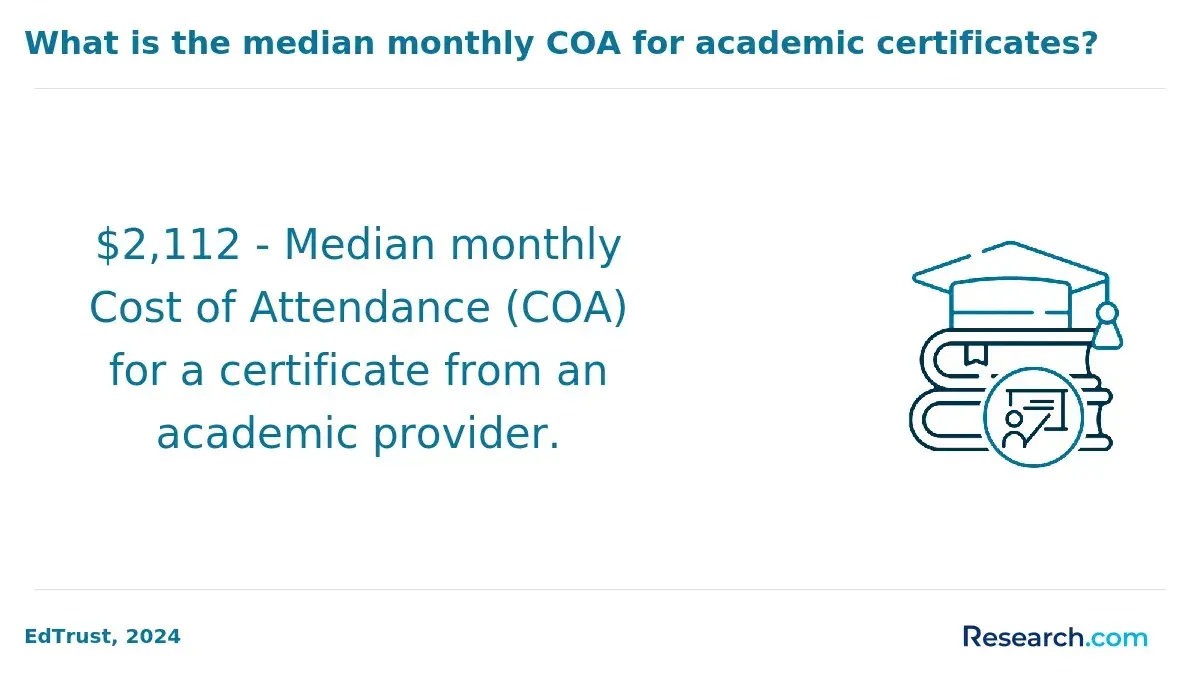
Rolling admissions surgical tech programs do not inherently reduce tuition rates but instead shift how and when costs are incurred, creating distinct financial timing implications for students. Tuition in these programs is typically charged per credit hour, ranging from approximately $200 to $600 based on institution and program type, or per term with some offering flat-rate pricing for full-time enrollment.
Additional mandatory fees, including institutional technology and registration fees, usually range from $100 to $400 per term. These modular cost structures mean that while rolling admissions allow more frequent enrollment points, students must carefully consider how overlapping terms and payment cycles could affect their cash flow, especially if they are balancing work or other financial obligations. This dynamic makes it crucial to evaluate the timing of tuition payments relative to personal financial readiness when assessing rolling admissions surgical tech program tuition costs.
The total expense for surgical tech programs with rolling admissions includes labor-intensive clinical and lab fees, which can add $300 to $1,000 for hands-on training components essential to competency requirements. Program format further impacts the cost experience: accelerated or cohort-based models may frontload tuition payments, potentially increasing short-term financial burden but shortening time-to-completion and reducing ancillary costs such as living expenses.
Conversely, online or part-time designs often spread tuition out over longer periods, enabling manageable pacing but possibly raising aggregate costs. The varied pacing and fee structures inherent to rolling admissions underscore the value of aligning enrollment with financial and scheduling flexibility rather than merely seeking lower cost.
Students exploring options should also weigh the effect of program design on long-term affordability, employment readiness, and credential timeliness amid a competitive healthcare job market. Researching the cheapest accredited online doctoral programs for comparison in financial planning can provide additional context beyond the rolling admissions surgical tech program tuition costs.
Are Career Outcomes Different for Rolling Admissions Students?
Enrolling in a surgical tech program through rolling admissions does not inherently change career trajectories compared to traditional admissions. The rolling admissions process is simply a flexible scheduling mechanism that allows continuous evaluation of applicants rather than a fixed deadline, and it has no direct bearing on the quality of education or employability. Career outcomes are predominantly shaped by program accreditation, the comprehensiveness of clinical training, and specialization areas within surgical technology, such as orthopedics or cardiovascular focus.
Employers often prioritize graduates from programs with recognized credentials and those who have gained hands-on experience through internships or clinical partnerships, factors unrelated to when a student enrolled. The geographic variability in healthcare job markets and the steady projected 7% employment growth for surgical technologists from 2021 to 2031 (Bureau of Labor Statistics) further underscore that outcomes hinge more on regional demand than enrollment timing.
Where rolling admissions might produce an indirect effect is through the timing of graduation and workforce entry; students admitted earlier can begin clinical rotations and enter the job market sooner, potentially accelerating their career start. However, this advantage depends heavily on institutional scheduling and individual readiness and should not be overestimated as a guarantee of better employment outcomes.
Variability among programs means some institutions may structure clinical placements or job placement support differently, influencing results independently of admission models. Ultimately, the decision to enroll via rolling admissions should be considered part of balancing personal circumstances and program fit rather than a strategy for improving long-term professional success within the surgical tech field.
One surgical tech graduate recalled applying through a program with rolling admissions during a period of job uncertainty. She hesitated, worried the open-ended timeline meant less structure, but ultimately appreciated the ability to submit materials as soon as she was ready rather than facing a hard cutoff. Though delayed several weeks due to waiting on recommendation letters, her early admission allowed her to start clinical rotations ahead of peers in traditional cycles. She noted, "The faster start meant I could finish my clinical hours before the hospital's seasonal hiring surge, which probably helped me land that first job." Yet she stressed that the rigorous training and networking opportunities from the program, not the admissions timeline, were the critical factors in securing employment.
Can Rolling Admissions Programs Lead to High-Paying Careers?
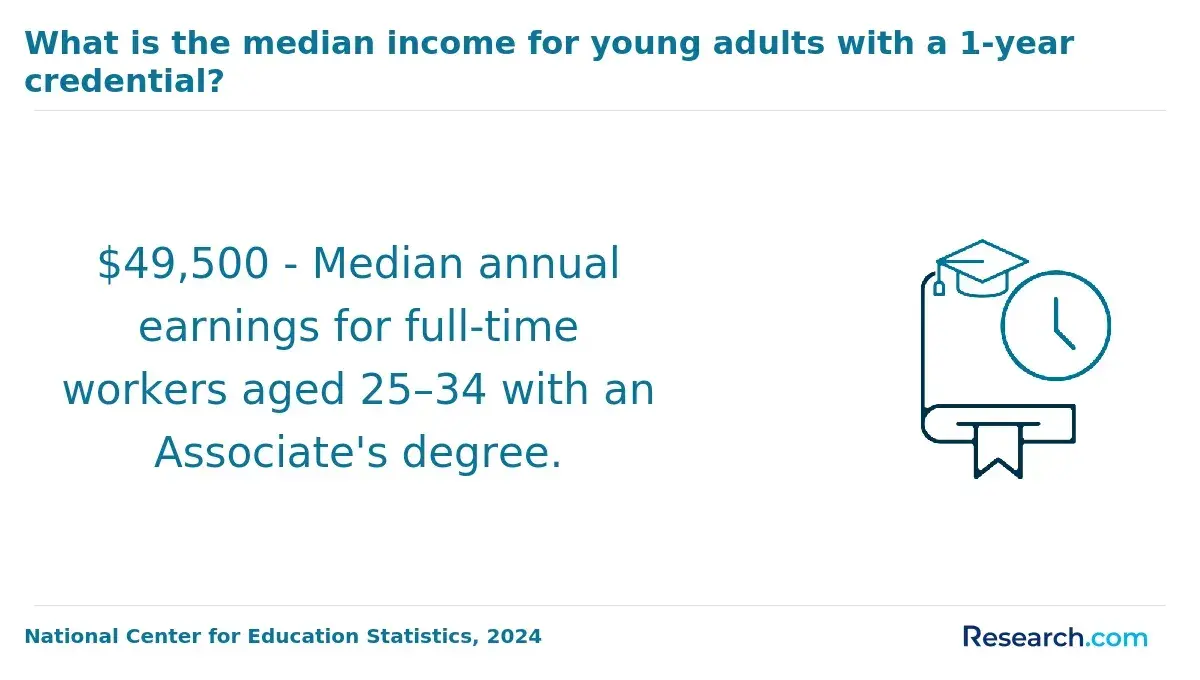
High-paying careers in surgical tech are influenced far more by specialization, program quality, and practical experience than by the admissions model of the educational institution. Rolling admissions primarily affect when students can apply and start their training, offering flexible timelines that cater to nontraditional students or those balancing personal commitments. However, this flexibility does not inherently increase salary potential. Graduates from accredited programs with strong clinical components and established industry networks are positioned to access better job opportunities, often reflected in salaries ranging from $45,000 to $65,000 annually, with top earners in specialized urban markets making considerably more.
While rolling admissions can allow earlier enrollment and thus potentially earlier program completion, this timing advantage only marginally impacts earnings by accelerating workforce entry. Geographic factors and labor market demand remain key determinants in compensation, often outweighing admission format. Additionally, individual factors such as certifications, soft skills, and career management play substantial roles in salary variation-even among graduates of the same program. Therefore, the admissions structure should be viewed as an operational convenience rather than a lever for higher pay in the surgical tech field.
What Are the Disadvantages of Rolling Admissions Programs?
Rolling admissions for surgical tech degrees may appear flexible but often bring significant disadvantages that affect applicant decision-making and long-term career trajectories. The continuous acceptance process creates uncertainty about program capacity, incentivizing early applications before candidates can thoroughly compare options. This dynamic not only pressures students to rush but may also limit their ability to find programs aligning closely with their career objectives or financial constraints. Such premature decisions can lead to costly switching or withdrawal later on.
Another challenge with rolling admissions in surgical tech programs is the fragmentation of student cohorts. Instead of a unified enrollment, staggered start dates disrupt peer networks and the collaborative learning essential for clinical readiness. Cohort inconsistency can handicap the development of teamwork skills highly valued by employers in surgical environments, impacting graduates' employability and integration into healthcare teams.
Financial aid timing is also frequently misaligned with rolling admissions cycles. Because aid is often disbursed in fixed periods, students may face delays or gaps in funding, which can jeopardize continuous enrollment and academic focus. This misalignment creates practical difficulties that extend beyond application, influencing how students manage resources throughout their education.
Survey data from allied health students highlights these pressures: 37% of applicants using rolling admissions felt rushed, correlating with higher rates of program changes or attrition. This evidence indicates that the intended flexibility of extended application windows paradoxically increases applicant stress and reduces program fit, potentially delaying entry into the surgical tech workforce and affecting labor supply consistency.
- Greater pressure to apply early without sufficient program comparison, limiting informed decision-making and increasing risk of transfer or dropout
- Fragmented cohorts that disrupt teamwork development, weakening collaborative skills critical for clinical success and employer expectations
- Financial aid timing challenges causing enrollment instability and affecting students' ability to maintain steady academic progress
Prospective students weighing these factors in surgical tech programs should consider how rolling admissions affect not only application timing but also practical realities throughout training and employability. Those exploring allied health fields might also compare structured application models used in related areas, such as a project manager degree, to gauge how admissions approaches align with their career planning.
How Do You Choose the Best Surgical Tech Program With Rolling Admissions?
Choosing the best surgical tech program with rolling admissions presents a unique challenge: candidates must navigate varying timelines without sacrificing essential quality indicators that affect employability and training experience. Rolling admissions offer flexibility but can mask substantial differences in program rigor, clinical exposure, and career outcomes. Evaluating programs against practical decision points is crucial for students balancing diverse commitments or seeking a pathway aligned with real-world job market demands.
- Graduation and certification pass rates: High success rates on the Certified Surgical Technologist (CST) exam correlate strongly with effective instruction and employer trust. Programs with low pass rates may indicate gaps in curriculum or student support that risk delayed workforce entry.
- Clinical placement quality: The value of rolling admissions is tempered by how well clinical rotations simulate actual surgical environments. Connections to reputable hospitals provide meaningful hands-on training and networking vital for job readiness in the surgical tech field.
- Flexible scheduling and format: Hybrid or online components combined with rolling admissions accommodate working students or those with family obligations, reflecting a growing trend in accessible healthcare education models.
- Accreditation status: Accreditation from bodies such as CAAHEP is a nonnegotiable factor, ensuring curricula meet healthcare industry standards, influence financial aid eligibility, and support employer recognition.
- Career support and advising: Rolling admissions programs sometimes lack structured administrative systems, making strong advising and job placement services critical to converting education into gainful employment.
For those comparing multiple healthcare education options, including surgical tech programs with rolling admissions, examining the broader landscape of flexible learning models is advisable. For instance, insights drawn from online environmental engineering degree science and engineering trends illustrate how hybrid program growth reflects shifting learner needs and workforce demands, a dynamic also relevant in surgical tech studies.
Ultimately, how to evaluate surgical tech programs with rolling admissions rests on balancing flexibility with measurable outcomes and long-term career implications. Focusing on these top criteria for choosing rolling admissions surgical tech schools will help candidates avoid hidden tradeoffs and better align education with employment realities.
What Graduates Say About Surgical Tech Degree Programs With Rolling Admissions
- Caiden: "Balancing a full-time job and evening classes was tough, but the rolling admissions of my surgical tech program allowed me to start right away without waiting months. I chose it to speed up entry into the workforce and gained hands-on skills through internships that employers really value. While I struggled to find a position with competitive pay immediately, the practical experience gave me an edge in interviews that helped land a stable role."
- Remington: "After a career shift from retail, I needed a program that accommodated my tight budget and unpredictable schedule, so the rolling admissions in surgical tech made sense. The program's focus on building a portfolio and clinical experience paid off, but I quickly realized many hospitals prioritize certifications and internship hours more than just licensing. Now, I'm navigating lateral moves to gain more advanced experience to improve my prospects."
- Adrian: "I delayed enrolling due to concerns about workload and financial investment, but the flexible start dates in the surgical tech program eased that pressure. Upon graduating, I faced stiff competition and discovered that without additional certifications, salary growth is limited. However, securing a remote pre-op coordinator role gave me a foot in the door, and I'm planning further training to expand opportunities within surgical services."
Other Things You Should Know About Surgical Tech Degrees
Rolling admissions in 2027 allow surgical tech programs to offer a flexible start date, providing more entry points and personalized pacing for students. This flexibility can accommodate different learning speeds and enable students to start their education as soon as they are ready, rather than waiting for a traditional academic cycle to begin.
Given the flexible application process, students should focus on program quality indicators such as accreditation, clinical rotation partnerships, and instructor credentials rather than just the ease of entry. Prioritizing programs with robust clinical opportunities and strong employer ties is crucial because rolling admissions can attract diverse cohorts, sometimes leading to resource competition. Choosing a program balancing flexible entry and rigorous, well-supported training will have greater impact on skill development and employability.
While rolling admissions do not inherently reduce program credibility, employer perceptions can be influenced by the program's structure and reputation. Employers in high-volume surgical settings may prefer candidates from programs known for consistent, cohort-based instruction and comprehensive clinical experiences. Students should investigate how employers view rolling admissions graduates locally and consider programs that maintain strong community or hospital connections to avoid questions about cohort stability or the depth of training.
Rolling admissions offer flexibility in start dates, which can be advantageous for students managing jobs or family obligations. However, this flexibility often comes with compressed academic schedules or intensive clinical periods to keep up with cohort progression. Students must weigh the convenience of flexible entry against potentially demanding course pacing that may increase stress or limit time for outside responsibilities, making time management and support services critical factors in program selection.
References
- Surgical Technology https://www.monroecc.edu/academics/majors-programs/health-sciences/surgical-technology-associate-degree/
- Surgical Technologist Careers: Salary Insights, Training, and Future Demand | Aequor https://www.aequor.com/resources/surgical-technologist-careers-salary-insights-training-and-future-demand/
- Surgical Tech: The Elite Way To Level Up - Liv Hospital https://int.livhospital.com/surgical-tech-the-elite-way-to-level-up/
- How to become a surgical tech - Children's Minnesota https://www.childrensmn.org/blog/become-surgical-tech/
- Surgical TechnologyAssociate of Applied Science https://www.northshore.edu/academics/programs/srt/index.html/index.html
- Surgical Technology How to Apply | Reading Hospital School of Health Sciences https://reading.towerhealth.org/programs/surgical-technology/how-to-apply/
- Is Surgical Tech a Good Career? 9 Pros and Cons You Need to Know https://www.rasmussen.edu/degrees/health-sciences/blog/is-surgical-tech-a-good-career-pros-and-cons/
- Surgical Technologist Salary Guide for 2026 https://www.cbd.edu/blog/surgical-technology/surgical-technologist-salary-guide-2026/
- Surgical Technology | Miller-Motte College https://www.miller-motte.edu/programs/surgical-technology/
- Admissions Requirements https://delmar.edu/degrees/surgical-technology/admission-requirements.html