2027 Best Online Kinesiology Programs for Professionals Seeking School and Youth Athletics Careers

Co-Founder and Chief Data Scientist
Meeting the demand for flexible education while advancing in school and youth athletics careers presents a complex challenge for many professionals. Traditional on-campus kinesiology programs often fail to accommodate working adults juggling irregular schedules and geographic constraints. According to the National Center for Education Statistics, online enrollment among adult learners increased by over 15% between 2022 and 2024, signaling a shift toward virtual formats as a gateway for career mobility and skill acquisition.
This rise reflects employers' growing acceptance of online credentials, though program rigor and practical application remain critical. This article examines the best online kinesiology programs designed to balance accessibility, accreditation, and career relevance for professionals targeting school and youth athletics roles.
Key Things You Should Know
- Graduates from online kinesiology programs with applied biomechanics specializations earn 12% higher entry salaries, yet program costs average 25% above traditional degrees, challenging budget-sensitive students.
- Employers increasingly prioritize practical certifications linked to youth athletics experience over pure academic credentials, shifting hiring trends toward hybrid learning models combining internships with coursework.
- Completion times vary widely; part-time students face up to 40% longer durations, impacting timely workforce entry amid growing demand for school-based kinesiology professionals, per 2024 Bureau of Labor Statistics data.
What is an online kinesiology degree and how does it prepare you for school and youth athletics careers?
An online kinesiology degree for school and youth athletics careers provides more than theoretical knowledge; it equips graduates with applied skills necessary for navigating the specific demands of youth sports and school athletic programs. These programs integrate exercise physiology, human movement science, and sports psychology to train professionals who can devise injury-conscious and growth-appropriate training regimens. For instance, a high school coach may apply biomechanics and motor learning principles to improve athlete technique while reducing injury risks.
Despite the flexibility of remote education, students must secure local internships or practicum placements to gain essential hands-on experience. This is a significant practical hurdle, as placement availability varies by region and is critical for employment credibility. Additionally, certification requirements imposed by many school systems present further barriers, emphasizing that self-discipline and strategic planning are crucial to successfully leverage an online kinesiology program for youth sports and school athletics.
Employment for coaches and scouts is projected to grow 9% from 2022 to 2032, reflecting steady demand. Still, the direct career impact of the degree depends heavily on the candidate's ability to navigate experiential requirements and professional credentialing. One should evaluate programs carefully for meaningful supervised fieldwork components and local collaboration opportunities. For those weighing options, exploring the best kinesiology programs can clarify pathways aligned with these workforce imperatives.
Which types of online kinesiology degrees best support careers in school and youth sports settings?
Choosing online kinesiology degrees for school sports careers requires prioritizing programs that deliver both rigorous academic content and certified practical experience. Athletics departments and youth sports organizations increasingly demand professionals able to oversee injury prevention, rehabilitation, and sport-specific performance. Candidates lacking hands-on clinical practicum or CAATE-accredited coursework face significant hurdles in earning certifications like the Certified Athletic Trainer (ATC), which employers often require.
For example, a high school coach aiming for an athletic trainer role must select programs offering clinical supervision and exam preparation to transition effectively into sports medicine positions. Without such credentials, job mobility within youth athletics settings is limited, despite theoretical knowledge. The median salary for athletic trainers is $62,520, with an 11.1% employment growth projected through 2032, underscoring demand concentrated in school and youth sports contexts.
When assessing the best kinesiology programs for youth athletics professionals, consider these factors:
- Accreditation by recognized bodies like the Commission on Accreditation of Athletic Training Education (CAATE).
- Curriculum incorporating pediatric exercise physiology and youth strength conditioning.
- Flexible schedules accommodating working professionals engaged in coaching or education.
- Experienced faculty with direct youth sports mentorship capabilities.
- Clarification on practical clinical hour requirements to maintain certification eligibility.
Those exploring degrees with a healthcare focus might also review offerings like the bachelor of science in healthcare administration for alternative or complementary credentials within athletics administration or sports health management.
How do online kinesiology programs compare with on-campus options for future school and youth athletics professionals?
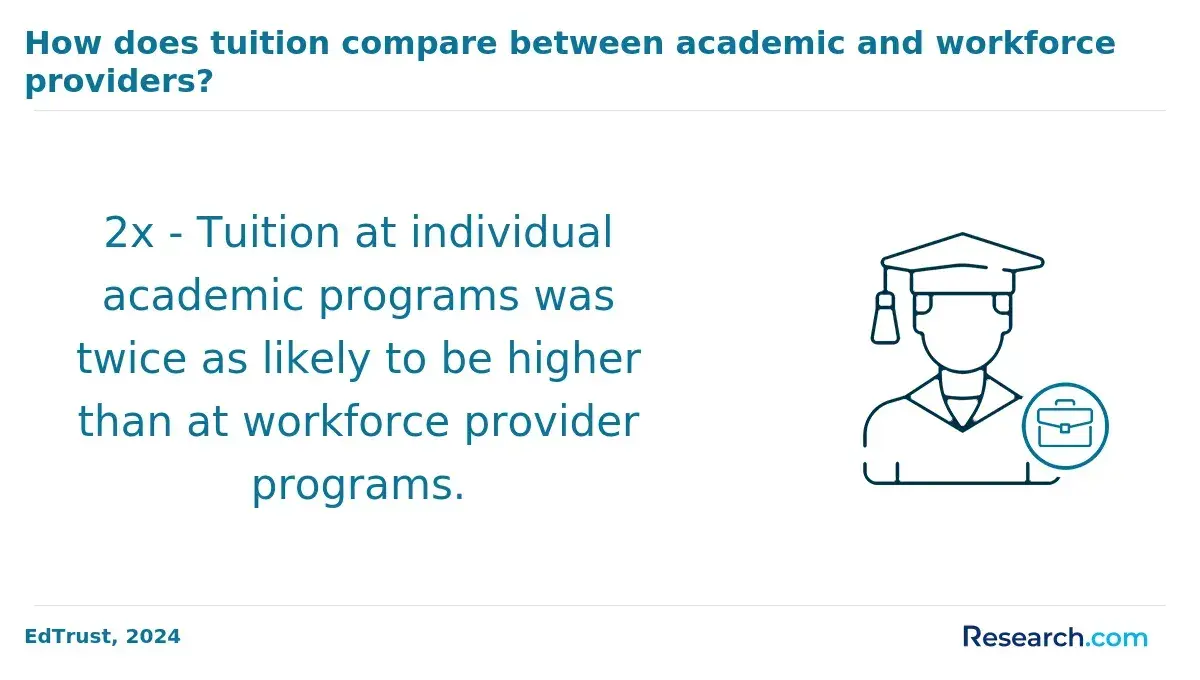
Choosing between online kinesiology programs versus on-campus training for school athletics careers involves an essential tradeoff between cost efficiency and depth of practical experience. Online kinesiology degrees for youth sports professionals typically offer annual tuition ranging from about $7,000 to $15,000, substantially lower than traditional in-state on-campus fees at public four-year institutions. This makes online study attractive for working professionals balancing income and educational expenses.
However, employers in school and youth athletics prioritize hands-on experience, which on-campus programs deliver more consistently through specialized labs, face-to-face coaching, and supervised internships. Online programs require students to secure local practicums independently, which can vary widely in quality and availability, potentially delaying skill acquisition and affecting employer perceptions. Candidates must proactively verify the rigor of these placements to remain competitive.
Workforce tradeoffs include:
- Significantly lower tuition and flexible pacing online versus richer on-campus access to resources and peer networking.
- Dependence on students to arrange high-quality fieldwork locally, which if mishandled, may impact readiness.
- Possible hiring biases favoring traditional credentials with built-in clinical experience.
Those seeking a strategic career pivot should weigh these factors against their personal circumstances and the demands of applied learning. For professionals exploring related options, a fast online master's in healthcare management can also complement kinesiology skill sets and broaden career pathways.
What accreditation and program quality standards should online kinesiology programs meet for athletics careers?
Accreditation by a U.S. Department of Education-recognized agency or the Council for Higher Education Accreditation remains non-negotiable for online kinesiology programs targeting careers in school and youth athletics; this baseline ensures academic rigor, credit transfer, and employer credibility. Meeting quality standards from the American Kinesiology Association-and alignment with specialization certifications in coaching, strength and conditioning, or sports performance-directly affects employability in high school and collegiate athletic departments. For example, programs lacking embedded coaching internships often leave graduates without practical networks or applied skills critical for school sports roles.
Program design that integrates real-world practicum, such as clinical hours within youth sports organizations, enhances readiness for athlete-facing responsibilities and regulatory compliance. Yet prospective students face tangible trade-offs: fully online kinesiology program accreditation for athletics careers may promise flexible pacing but often require supplementary in-person certifications or licensing to secure full competence and market recognition.
Employment outlooks, reflecting a 10% growth rate through 2032 per the American Kinesiology Association, stress the importance of verified outcomes-programs with graduation rates above 70% and at least 65% of graduates employed within six months demonstrate measurable value. Students should confirm curricula match National Strength and Conditioning Association standards where relevant and offer pathways to youth sports certifications mandated by school districts; missing these practical credentials can render degrees academically sound but professionally insufficient.
Those weighing program options might consider comparisons like Capella vs Chamberlain RN to BSN for structural and outcome insights, applying similar scrutiny to kinesiology programs. Transparency on experiential learning components and specialization alignment remains key to avoiding pitfalls that compromise career-ready preparation in sports education.
What courses and specializations in online kinesiology programs focus on coaching, PE teaching, and youth sports?
Online kinesiology programs oriented toward coaching, physical education teaching, and youth sports prioritize applied skills that meet immediate workforce demands, rather than pure theory. Graduates are expected to competently design training programs incorporating motor learning, athlete motivation, injury prevention, and age-appropriate workload management-critical capabilities for roles in middle and high school athletics. For instance, professionals shifting into high school PE teaching must navigate curriculum that includes legislative compliance, instructional technology for hybrid models, and student health promotion, alongside kinesiology fundamentals.
These programs often integrate coaching certification prep and adapted physical education, reflecting employer emphasis on practical readiness and diverse learner needs. Supervised fieldwork-virtual or local-provides real-time problem-solving exposure essential to effective coaching and youth fitness instruction. Over half of enrollees balance careers while studying, so curriculum design favors flexibility and relevant skill acquisition, supporting career pivots toward youth sports program administration and evidence-based coaching practices.
The focus on nuanced biomechanical analysis combined with developmental physiology prepares graduates to handle variations in resources and demographics within school and community sports settings. Embedded case studies mirror real-world disparities, enabling students to strategize around safety protocols and engagement across diverse youth populations. This outcome-oriented approach better aligns with employer expectations for immediate competency in activity planning and program implementation in the dynamic field of kinesiology.
What are typical admission requirements and prerequisites for online kinesiology bachelor's and master's programs?
Admission to online kinesiology bachelor's programs hinges on academic readiness in core sciences and math, with many programs expecting a minimum GPA around 2.5 to 3.0 and proof of coursework in biology, chemistry, and algebra. Applicants without foundational science coursework risk remedial classes that increase time and cost, a critical consideration for working adults balancing studies with professional demands. For master's level entry, a relevant bachelor's degree with at least a 3.0 GPA typically shapes admissibility, and while GRE requirements are fading, professional experience in athletic training or youth sports can offset some academic gaps and satisfy clinical prerequisites.
Licensure standards across states increasingly mandate bachelor-level kinesiology or exercise science credentials combined with supervised clinical practice. Online students encounter logistical challenges securing local internships, making program partnerships with regional schools and sports organizations a decisive factor in meeting hands-on requirements. Programs offering flexible bridge courses provide practical pathways for career changers who lack the formal prerequisites but must preserve licensure eligibility.
Employers emphasize proficiency in anatomy, physiology, and biomechanics at hire, which correlates with admissions focus on these areas. Consequently, prospective students must weigh the tradeoff between accelerated entry versus thorough foundational preparation. Selecting accredited programs aligned with national certification and state board standards eases transition into workforce roles within school and youth athletics. This alignment directly impacts employability and practical competence upon graduation.
How long do online kinesiology programs take, and what do they cost for working professionals?
The length and cost of online kinesiology programs heavily influence outcomes for working professionals weighing educational commitment against immediate workforce demands. Programs typically span 4 to 5 years full-time but may stretch to 7 years part-time, complicating timelines for those balancing jobs, clinical rotations, or required internships. The 120-credit bachelor's core integrates science fundamentals with specialization options like sports or youth athletics, but real progress depends on managing external responsibilities and transfer credits.
Tuition disparities reflect institutional and residency variables, ranging from $129 to over $500 per credit. Total program costs thus oscillate between roughly $15,000 and $60,000, a wide span that can strain budgets or slow degree completion without employer aid or financial support. Accelerated or degree-completion pathways, while potentially costly upfront, may reduce lost income and opportunity costs tied to prolonged study periods.
Consider a full-time coach prioritizing a condensed 3-year program that accepts transfer credits to quickly secure youth sports certification-this model minimizes interruption to earnings. In contrast, a practicing physical therapist may prefer a longer, part-time schedule allowing clinical duties alongside study, where pacing outweighs speed. This choice shapes long-term employability and workplace role readiness.
What school and youth athletics jobs can you pursue with an online kinesiology degree?
Success in coaching, athletic training support, fitness instruction, or athletic facility management requires more than a kinesiology degree; employers expect applied skills validated through clinical experience or internships. For instance, a high school coach must build sport-specific training programs while managing athlete wellness, contrasting with a community fitness manager who balances client assessments with operational oversight.
Program accreditation and hands-on practicum opportunities significantly affect employability. Data from American Public University indicates approximately 70% of graduates enter related roles within two years, reflecting broad demand in school and community athletics.
Certification requirements also shape career pathways. Athletic trainers typically must obtain national board certification and state licensure, while coaching positions often require coaching-specific certifications alongside the degree. These credentials influence job eligibility and salary, particularly within public school systems subject to regulatory mandates.
Without embedded practicum experience, graduates face steeper entry barriers and longer adjustment periods, often beginning in assistant roles before advancing. Practical training embedded in an online kinesiology program thus serves as a critical lever for smoothing workforce integration and reducing early-career friction.
What are the salary ranges and job outlook for kinesiology graduates in school and youth athletics roles?
Salary outcomes for kinesiology graduates pursuing careers in school and youth athletics reveal notable variance based on experience and role specificity. Entry-level positions, such as assistant coaches or athletic trainers, start near $38,000 annually, while seasoned professionals like athletic directors or sports program coordinators can earn beyond $70,000. This wage spectrum reflects the practical tradeoff between early-career accessibility and the need for accumulating certifications or administrative experience to reach higher pay tiers.
Employment for coaches and scouts is projected to grow 12% through 2032 according to the U.S. Bureau of Labor Statistics, outpacing average occupational growth and driven by amplified demand for specialized youth sports programming. However, competition with candidates holding credentials in coaching or physical therapy often influences starting salary benchmarks and hiring decisions.
Employers value kinesiology degrees for their evidence-based approach to movement science, which aligns directly with roles in coaching, teaching, and sports administration, as noted by the American Kinesiology Association. Yet, graduates who secure internships or develop industry connections substantially improve their hiring prospects and salary negotiation leverage.
Job seekers targeting urban or suburban school districts and well-funded extracurricular leagues position themselves to access greater resources and compensation. Emphasizing competencies in injury prevention and performance analytics within kinesiology programs strengthens candidacy for advanced roles emphasizing both athlete safety and empirical performance enhancement.
How can you choose a reputable online kinesiology program aligned with your school and youth athletics goals?
Successful navigation of an online kinesiology program demands prioritizing accreditation recognized by the U.S. Department of Education, ensuring credits transfer and are valued by employers. Programs must extend beyond theory, offering applied courses in biomechanics, sports psychology, athletic training, and youth physical development to match the demands of school sports roles.
Evaluating workforce outcomes requires attention to how well programs connect graduates to advanced opportunities. For example, a bachelor's in kinesiology from the University of North Dakota often serves as a prerequisite for graduate studies in physical therapy or athletic training-fields that significantly enhance earnings and leadership potential in youth athletics. Those targeting specific roles should confirm the curriculum's alignment with their career path, such as focusing on injury prevention for athletic trainers or management principles for sports coordinators.
Flexibility is a decisive factor for working professionals balancing job and study. Fully online, self-paced designs accommodate schedules of current coaches or trainers pivoting careers, while access to career counseling and certification support directly influences employability within youth and school athletic settings.
In practical terms:
Other Things You Should Know About Kinesiology
To succeed in online kinesiology programs in 2027, professionals should manage their time effectively, actively participate in discussions, and network with peers. Engaging in real-world applications through community involvement or personal projects can also enhance learning and career prospects in school and youth athletics.
Online kinesiology programs vary in pacing, but many require rigorous weekly hours combining theory, assignments, and applied projects. Professionals already engaged in youth athletics roles should expect multitasking demands and plan for intensive periods during clinical or coaching practicums. Selecting programs offering flexible scheduling or part-time tracks can mitigate dropout risks and support sustained career development without sacrificing job performance.
Employer acceptance hinges largely on program accreditation and graduate competencies rather than delivery mode alone. Schools and youth sports organizations consistently emphasize practical skills, certifications, and student teaching experience over degree format. Graduates from regionally accredited, well-structured online kinesiology programs with verified hands-on training face comparable employment prospects as traditional degree holders but should be prepared to demonstrate applied skills effectively.
Graduates targeting youth athletics careers benefit more from programs offering coaching, youth physical education, or athletic training concentrations tailored to school environments. While a broader kinesiology curriculum provides foundational knowledge, specialization improves employability by addressing employer expectations for specific skill sets. Prospective students should weigh their career goals and local job market demands, prioritizing programs that integrate targeted practicum experiences.
References
- Choose the Right Training Program - NST Guide https://nstsports.com/guides/choosing-program
- What is kinesiology and why should you study it? https://brive.com/blog/studies/kinesiology-degree/
- What Can You Do With a Kinesiology Major? | USAHS https://www.usa.edu/blog/what-can-you-do-with-a-kinesiology-major/
- 2026 Best Online Kinesiology Degrees https://www.onlineu.com/degrees/kinesiology
- Best Masters in Kinesiology Degree Programs Online for 2026 https://www.kinesiologydegrees.org/programs/degree/masters
- Online Bachelor’s in Kinesiology and Exercise Science Programs https://teach.com/online-ed/healthcare-degrees/online-bachelors-kinesiology-exercise-science/
- Kinesiology Online Master's: See & Compare Top Programs https://www.edumed.org/online-schools/kinesiology-degrees/masters/
- How to choose a youth sports program: Parent Fit Checklist https://bassathletics.com/how-to-choose-a-youth-sports-program/
- Choosing the Right Online School for Your Athlete: A Comprehensive Guide Player Experience : Future Champions Golf Tour https://futurechampionsgolf.com/choosing-the-right-online-school-for-your-athlete-a-comprehensive-guide/