2027 Best Online Kinesiology Degrees for Strength and Conditioning Careers

Co-Founder and Chief Data Scientist
Professionals aiming to pivot or advance in strength and conditioning often confront a narrow window for education amid full schedules and geographic limitations. According to the National Center for Education Statistics, over 40% of undergraduate enrollments in 2024 were part-time or adult learners seeking flexible options. This surge highlights deeper shifts in workforce dynamics: traditional on-campus programs frequently fail to accommodate the urgent need for immediate skill application and credentialing. The tension between acquiring rigorous scientific training and managing personal, financial, and work commitments can stall career momentum and diminish long-term employability in a field increasingly valuing specialized credentials.
This article evaluates the best online kinesiology degree programs optimized for strength and conditioning careers, focusing on flexibility, curriculum relevance, and real-world outcomes to help readers navigate these constraints and make informed enrollment decisions.
Key Things You Should Know
- Graduates from accredited online kinesiology programs report 25% lower starting salaries in strength and conditioning roles compared to on-campus peers, according to 2024 BLS data, reflecting employer bias toward in-person experiential learning.
- National Strength and Conditioning Association employer surveys reveal 48% prioritize candidates with supervised internship hours, a common barrier in fully online degrees, constraining immediate workforce entry and advancing credentials.
- Average total costs for online kinesiology degrees run 15-22% lower statewide, yet longer completion times-averaging 6 months more than traditional routes per NCES-require candidates to weigh opportunity costs amid shifting industry credential inflation.
What are the best online kinesiology degrees for strength and conditioning careers?
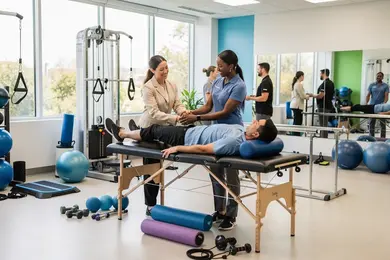
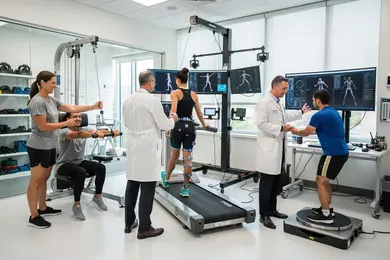
Employers in strength and conditioning demand kinesiology graduates who marry academic knowledge with practical skills, making pedagogical design a key differentiator. Programs labeled as the best online kinesiology degree programs for strength and conditioning careers distinguish themselves by including synchronous labs and required hands-on internships rather than relying solely on asynchronous, theory-based coursework. This blend directly impacts readiness for certifications like CSCS, where experiential learning validates competence in real-world settings.
Students should assess how well a curriculum balances biomechanics, exercise physiology, and sports nutrition with applied labs or field placements, as these components foster proficiency in movement analysis and individualized programming. Access to experienced mentors and alignment with active sports science research hubs enhances job market relevance. Programs lacking these features may produce graduates less competitive in a field projected to grow 14% over the next decade, intensifying the need to demonstrate practical expertise.
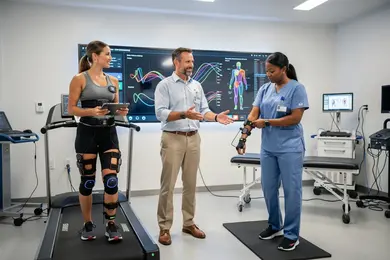
For those considering specialized pathways, top accredited online kinesiology degrees for strength and conditioning careers incorporate exposure to performance technology and internship opportunities reflective of current industry trends. Additionally, students with interests spanning nutritional aspects may benefit from exploring a nutrition school online to complement their skill set and broaden professional options.
Are online kinesiology degrees accredited and respected by employers?
Employer recognition of online kinesiology programs in strength conditioning careers heavily depends on accreditation linked to agencies like the Higher Learning Commission or the Southern Association of Colleges and Schools. Accreditation signals rigorous curriculum and validated outcomes, essential for meeting practical standards such as internships, certifications, and performance assessments favored by employers in strength and conditioning roles. Graduates from unaccredited or non-state-authorized programs face restricted certification eligibility-especially for credentials like the Certified Strength and Conditioning Specialist (CSCS)-which limits access to a growing job market projected to add 25,300 positions by 2032.
For working professionals, verifying accreditation safeguards against investing time and money in credits that may not transfer or hold industry weight. Importantly, online kinesiology degree accreditation for strength and conditioning often requires students to supplement coursework with local practical experience, reflecting employer priorities for hands-on skills in physical assessment and coaching.
Prospective students should align program choice with specific certification prerequisites to avoid gaps that impede employability or career progression. This is vital given that degrees function not only as academic proof but also as gateways in competitive labor markets focused on strength and conditioning expertise.
Comparatively, students weighing online options can consult resources tailored to career-oriented education paths, such as online ADN programs for non nurses, for insights on accreditation and practical requirements applying broadly across specialized healthcare and fitness degrees.
Do you need certifications for strength and conditioning jobs?
Holding a kinesiology degree alone does not secure strength and conditioning roles in the United States; credentials like the Certified Strength and Conditioning Specialist (CSCS) from the NSCA remain pivotal. Employers demand this certification as proof of applied expertise and liability compliance, which academic programs rarely provide in full depth. For example, graduates from Oregon State University's online Bachelor of Science in kinesiology-who achieve a median salary near $60,964 and rank in the top 25% nationally-must still acquire such credentials to compete effectively in sports teams, rehabilitation clinics, or private training settings.
The certification's rigorous exams emphasize exercise science, program design, and safety protocol knowledge-areas typically underrepresented in degree curricula. Without certification, kinesiology graduates encounter narrower job prospects and diminished earnings since employers prioritize verified competence. Additionally, maintenance of credentialing often requires ongoing education, reinforcing alignment with evolving evidence-based practices. This represents a significant tradeoff: while degrees furnish foundational theory and potential for higher salaries, certifications validate and operationalize skills demanded by employers.
Professionals pivoting into strength and conditioning should regard certification acquisition as an essential step toward qualifying for broader roles. Budgeting for this process, including associated costs and time, is a practical consideration. Students seeking related pathways may also research affordable academic options, such as the cheapest online healthcare administration degree, to support diversified career plans.
In sum, certifications required for strength and conditioning careers in online kinesiology programs function as a critical differentiator, distancing qualified candidates from degree-only peers. The best credentials for strength and conditioning jobs in united states kinesiology graduates reflect industry rigor and ongoing professional commitment.
What courses are in an online kinesiology degree?
Online kinesiology degree curriculum for strength and conditioning must be scrutinized beyond core subjects like anatomy, exercise physiology, and biomechanics, focusing on the depth of applied skills employers demand. Strength and conditioning courses in online kinesiology programs frequently address program design, injury prevention, and rehabilitation, but the actual preparedness depends heavily on experiential learning components, which many online formats struggle to incorporate effectively.
Graduates lacking synchronous labs or local practicum placements often encounter delays in certification or diminished job prospects, particularly for roles requiring recognized credentials such as Certified Strength and Conditioning Specialist or athletic trainer. For instance, professionals pivoting to collegiate sports coaching need a mastery of periodization and recovery strategies to manage athlete performance sustainably, skills cultivated through hands-on training rather than theory alone.
In parallel to coursework, programs integrating data analysis and injury risk assessment align more closely with employer expectations for measurable outcomes. The U.S. Bureau of Labor Statistics projects a 14% employment increase in athletic training through 2032, reinforcing the practical necessity of kinesiology knowledge tailored for sport-specific strength conditioning applications.
Choosing a program therefore entails weighing the value of comprehensive hands-on experiences against purely asynchronous online delivery. Candidates should examine practicum opportunities and accreditation status critically. For those evaluating broader healthcare pathways alongside kinesiology, reviewing options like online aBSN programs may also inform parallel or future career steps.
How do online and campus kinesiology programs compare?
Hands-on experience remains a decisive factor in kinesiology employment, often making campus programs more directly aligned with employer expectations. On-site internships and labs grant students access to specialized equipment and supervised practice, especially valuable in roles like strength and conditioning for collegiate sports, where in-person exposure to athlete biomechanics is critical and difficult to replicate online.
Online kinesiology degrees offer scheduling flexibility and competitive tuition, such as Liberty University's $580 per credit graduate rate for 2025-2026, which appeals to working professionals unwilling or unable to relocate. However, these programs shift the burden of securing practical experience onto students, who must seek external internships or certifications to meet employer demands in clinical or high-performance settings.
Key tradeoffs for candidates include:
- Campus pathways provide embedded networking channels facilitating quicker job placement in athletic training and physical therapy.
- Online formats economize time and finances but require proactive supplements to build manual therapy and advanced biomechanical assessment skills.
- Employment competitiveness in rehabilitation sectors often hinges on demonstrable lab-based competencies rather than theoretical knowledge alone.
Deciding between online and campus kinesiology programs depends on candidates' immediate career priorities, financial limits, and capacity to independently obtain hands-on experience post-degree.
What are the admission requirements for online kinesiology programs?
Admission to online kinesiology programs is less about formal gatekeeping and more about aligning academic readiness with realistic employer standards in health and fitness roles. Most programs require a high school diploma or equivalent, often combined with minimum GPA benchmarks around 2.5 to 3.0 to ensure students possess necessary academic discipline. This threshold matters because employers, especially in strength and conditioning fields, expect graduates to grasp scientific fundamentals.
For example, a bachelor's degree applicant will typically need transcripts verifying completion of courses in biology, chemistry, or anatomy. This prerequisite isn't arbitrary; practical job functions demand anatomical literacy, making these foundational courses non-negotiable for meaningful workforce integration.
With standardized testing becoming optional in more programs, decision-makers still weigh SAT or ACT scores heavily where quantitative and reading skills are uncertain, preserving rigor in candidate evaluation. Additionally, conditional acceptance or experience-based credit pathways serve as pragmatic routes for applicants whose hands-on health or military experience substitutes for academic gaps.
Technical requirements like reliable internet and compatible devices are implicit and vital for success in virtual labs and coursework. International applicants should anticipate additional documentation and English proficiency evaluations (TOEFL, IELTS), which can slow admissions timelines.
Comparatively, the total tuition of $15,675 for Concordia University, St. Paul's online B.A. in Exercise Science illustrates how these programs reduce financial barriers relative to traditional campuses. This lower cost often attracts non-traditional students aiming to pivot careers toward targeted strength and conditioning roles efficiently.
How long does an online kinesiology degree take?
Completion times for online kinesiology degrees vary substantially based on program design and student circumstances, directly affecting workforce entry and progression. Associate degrees typically require around two years and suit those aiming for entry-level strength and conditioning assistant roles or those seeking transfer credits toward a bachelor's degree. Bachelor of Science degrees generally span four years full-time but may extend to five years with part-time study or accelerated formats to accommodate working students.
Students balancing employment and coursework face notable challenges, especially when programs mandate practical internships or applied certifications to meet employer expectations. Limited local fieldwork options can delay completion and complicate scheduling, which means flexible pacing may increase total time to degree beyond advertised durations.
Key operational considerations include:
- Accelerated coursework compresses study time but demands higher weekly commitment, complicating work-life balance for mid-career entrants.
- Programs integrating local clinical placements require proactive coordination, potentially extending graduation timelines where opportunities or resources are scarce.
- Employers often prioritize candidates with completed hands-on experience over purely academic credentials, influencing graduate competitiveness.
High enrollment figures in online programs, such as Arizona State University Online's 52,896 students, illustrate both market demand and increased competition for roles. Strategically, students must weigh the tradeoff between expedited completion and the time needed to secure meaningful internships while managing external obligations.
What jobs can you get with a kinesiology degree?
A kinesiology degree primarily benefits those targeting roles that demand a sophisticated understanding of human movement and performance analytics, such as strength and conditioning specialists for NCAA Division I teams. Employers consistently seek candidates who can couple academic credentials with certifications like CSCS and practical experience gained through internships or assistant roles. Entry-level positions like certified personal trainers may require only a bachelor's degree, but advancing to high-performance or clinical settings often means investing in graduate education.
The salary spectrum reflects this divide: exercise physiologists report median wages near $53,000 annually, whereas specialists working with elite athletes can earn over $80,000, justifying the considerable cost of advanced programs-for example, an online Master of Science in kinesiology at Louisiana State University costs upwards of $23,000. This investment supports expertise in biomechanics, muscle physiology, and performance metrics critical for competitive roles.
Job candidates must also weigh sector-specific demands. Military and first responder fitness positions require supplemental tactical training, while corporate wellness roles impose salary and competition constraints despite applying foundational kinesiology skills. Navigating these tradeoffs is essential for aligning education with realistic employment and compensation outcomes.
How much do strength and conditioning careers pay?
Salary trajectories in strength and conditioning reflect a clear hierarchy shaped by setting, certification, and experience. Entry-level roles typically start near $35,000 annually, while seasoned professionals in collegiate or professional sports programs can earn $90,000 or more. This disparity underscores the premium value placed on advanced credentials and proven results within high-performance environments like the NFL, NBA, or NCAA Division I. Conversely, positions in fitness centers or secondary schools often yield more modest pay, demanding strategic choices from candidates balancing income goals and job accessibility.
Regional workforce trends further complicate decision-making. Minnesota's projection of 910 annual openings between 2020 and 2030 exemplifies localized demand spikes that aspiring coaches should consider alongside cost of living and professional networks. Geographic alignment with sports markets can accelerate employment prospects but may also intensify competition, particularly where labor pools are dense.
Key tradeoffs emerge in the pathway to sustainable earnings:
- Obtaining certifications such as Certified Strength and Conditioning Specialist (CSCS) is often non-negotiable for advancement.
- Experience in assistant or entry-level roles is critical but typically offers limited initial compensation.
- Emerging sectors like youth sports or rehabilitative clinics present opportunities with growing salaries and reduced rivalry.
Long-term income growth frequently depends on specialization or integration with allied health fields, involving additional credentialing and technology proficiency. Employers prioritize practitioners who quantify outcomes and apply data-driven program design, reflecting a marketplace where technical fluency is directly linked to employability and pay scale expansion.
How do you choose a reputable online kinesiology school?
Programs emphasizing hands-on training and accreditation aligned with recognized agencies meet employer expectations better than those with a broad wellness focus. For instance, strength and conditioning roles with collegiate or pro athletes demand certifications backed by applied practicum or virtual labs rather than just theory. Students should prioritize schools that facilitate clinical placements or internships, as practical experience strongly influences job readiness and employer demand.
Reviewing graduate employment rates and licensure success offers measurable indicators of program quality. Employment data, including median starting salaries from sources like the U.S. Bureau of Labor Statistics, reflect that programs producing job-ready candidates materially improve career outcomes. Financial considerations also matter: California Baptist University's online B.S. in Kinesiology charges $541 per unit, providing a concrete cost benchmark in relation to potential salary gains.
Students must also consider institutional support services such as academic advising and career counseling, especially when balancing education with ongoing work. Programs lacking these resources often face lower completion rates and weaker employment results. Ultimately, selecting a kinesiology program requires weighing curriculum rigor, accreditation status, and real-world training opportunities against cost and post-graduate success metrics.
Other Things You Should Know About Kinesiology
Most accredited online kinesiology programs require practical components like internships or lab work, but these vary in quality and accessibility. Programs with strong partnerships in sports or rehabilitation organizations tend to offer more relevant hands-on experiences, which directly improve job readiness. When choosing a program, prioritize those that explicitly include field experience or applied projects related to strength and conditioning to meet employer expectations for practical skills.
Employers increasingly accept online kinesiology degrees if they come from accredited institutions and include rigorous experiential learning. However, employers in competitive markets often prefer candidates who have demonstrated both strong theoretical knowledge and verified practical skills. Students should focus on programs with recognized clinical placements and certifications that bridge the gap between online learning and real-world demands.
Specialized programs focused on strength and conditioning provide targeted skills and certifications that match industry standards, enhancing employability in niche roles. Broader kinesiology degrees offer more versatility but may require additional certifications or training to qualify for strength and conditioning positions. For those aiming to enter strength and conditioning directly, prioritizing programs with specific specialization tracks ensures more immediate alignment with employer demands and reduces credential gaps.
References
- American Kinesiology Association | Careers in Kinesiology https://americankinesiology.org/careers-in-kinesiology/
- Strength And Conditioning Coach Jobs (with Salaries) - SEEK https://au.seek.com/strength-and-conditioning-coach-jobs
- Strength Conditioning Career Guide for Students | ETA College https://etacollege.com/start-your-career-in-strength-conditioning-a-practical-guide-for-students/
- Guide To Strength and Conditioning Coach Jobs and Careers | The Fitness Group https://www.thefitnessgrp.co.uk/strength-and-conditioning-jobs/
- Strength and Conditioning Coach Salary: What You Need to Know in 2026 - Create https://create.fit/strength-and-conditioning-coach-salary/
- Strength and Conditioning Salary Guidelines | IUSCA https://www.iusca.org/salary-guidelines
- Online Kinesiology Degree Programs: Review Top Schools https://www.edumed.org/online-schools/kinesiology-degrees/
- Best Online Kinesiology Degree Programs, Updated for 2026 https://www.kinesiologydegrees.org/programs/online
- 2026 Best Online Kinesiology Degrees https://www.onlineu.com/degrees/kinesiology
- Get Strength and Conditioning Certified | ISSA https://www.issaonline.com/products/strength-and-conditioning