2027 Best Online Surgical Tech Degrees for Jobs

Co-Founder and Chief Data Scientist
Choosing the best online surgical tech degree can feel overwhelming for career-focused students-especially when accreditation standards, curriculum rigor, cost, and return on investment vary widely across programs. Many candidates struggle to identify programs that balance comprehensive practical experience with robust student support.
Compounding this challenge, only about 55% of surgical tech graduates find employment in their field within six months, underscoring the importance of career outcomes in program selection. This article examines top online surgical tech degrees through data-driven criteria, enabling readers to confidently evaluate programs and select those best aligned with their personal and professional goals.
Key Things to Know About the Best Online Surgical Tech Degrees for Jobs
- Accreditation ensures programs meet industry standards-88% of graduates from accredited surgical tech degrees pass certification exams on their first attempt.
- Curriculum rigor combines online theory with hands-on labs, preparing students for diverse surgical environments and complex case scenarios.
- Cost-effective programs with strong job placement rates often yield a higher return on investment, with average starting salaries around $48,000 annually.
What Is a Surgical Tech Degree, and What Can It Do for Your Career?
A surgical tech degree prepares professionals to assist surgeons, nurses, and healthcare teams by ensuring smooth, safe surgical procedures. Accredited institutions and authoritative bodies like the Association of Surgical Technologists define this field's training, which emphasizes technical and clinical skills essential in operating room settings.
Core knowledge domains develop expertise in anatomy, physiology, sterile techniques, surgical instruments, and patient care protocols. The curriculum cultivates practical skills such as preparing operating rooms, managing surgical equipment, and maintaining sterile fields-distinguishing surgical tech roles from nursing assistants or medical technologists. Understanding how a surgical tech degree impacts healthcare job prospects is vital for students considering this career.
- Foundational Knowledge: Human anatomy, microbiology, surgical procedures, and infection control critical for perioperative care.
- Theoretical Frameworks: Asepsis principles, patient safety, and teamwork that support clinical decision-making.
- Applied Competencies: Equipment setup, instrument handling, and intraoperative assistance emphasizing precision and responsiveness.
Academic credentials span associate, bachelor's, master's, and doctoral degrees-each aligning with distinct career goals and industry expectations:
- Associate Degree: Prepares graduates for certification and entry-level roles in hospitals and outpatient centers.
- Bachelor's Degree: Expands clinical knowledge and management skills for supervisory or specialized surgical tech roles.
- Master's and Doctoral Degrees: Equip professionals for advanced leadership, education, or research positions within the field.
This guide focuses on the best online surgical tech degree programs for career advancement, providing a rigorous framework based on accreditation, curriculum quality, costs, career outcomes, and student support. Online pathways cater to diverse learners-working adults, veterans, and career changers-seeking flexible yet comprehensive education. Readers can also explore 1 year PhD programs online no dissertation to consider accelerated advanced degree options in healthcare fields.
How Do Online Surgical Tech Degree Programs Compare to Traditional Campus Programs?
When comparing online surgical tech degree vs traditional programs, several aspects directly impact education quality and career readiness. Online programs accredited by bodies like CAAHEP ensure curriculum depth and rigor comparable to campus options - covering anatomy, sterile techniques, and surgical procedures in detail.
- Faculty Qualifications: Both formats employ certified surgical tech professionals with clinical expertise. Online courses often enrich learning with multimedia tools, maintaining instructional quality on par with campus delivery.
- Student-Faculty Interaction: Campus programs offer face-to-face support, while online options use synchronous sessions, discussion boards, and video conferencing to foster timely engagement.
- Peer Collaboration: Spontaneous interaction occurs naturally on campuses, but leading online programs mitigate isolation through structured cohort models and group projects, supporting peer networks.
- Clinical or Practicum Requirements: Both online and campus students complete hands-on clinical placements in person, often coordinated locally, ensuring employer recognition of practical experience.
- Employer Perception: Healthcare employers increasingly accept graduates from accredited online surgical tech programs, emphasizing accredited standards and clinical experience quality over campus or online delivery modes.
- Structural Advantages for Specific Learners: Online formats notably benefit working adults, caregivers, military veterans, and those in remote areas by providing flexibility and eliminating commute time, all without sacrificing educational standards. This makes them an appealing choice for many pursuing differences between online and campus surgical tech degrees.
- Limitations and Institutional Solutions: Reduced spontaneous mentorship and hands-on training challenges exist online. Top institutions address these through virtual anatomy tools, intensive on-campus residencies, and simulated labs.
For those seeking programs focused on career outcomes and affordability, exploring options like the cheapest CACREP-accredited programs online can provide valuable parallels in quality remote education.

What Are the Accreditation Standards That Define a Reputable Online Surgical Tech Degree?
Accreditation ensures that online surgical tech programs meet recognized quality benchmarks essential for career advancement and further education. Two main types of accreditation matter most to employers and academic institutions alike.
Regional Accreditation evaluates entire colleges or universities for academic excellence, with bodies like the Middle States Commission on Higher Education and the Southern Association of Colleges and Schools earning wide respect. Degrees from regionally accredited schools typically carry significant weight in the job market and for graduate admissions.
Surgical tech programs themselves undergo scrutiny by specialized organizations focused on health education standards. The Commission on Accreditation of Allied Health Education Programs (CAAHEP), working with the Accreditation Review Council on Education in Surgical Technology and Surgical Assisting (ARC/STSA), accredits programs to confirm they prepare students adequately for licensure and professional competencies.
Choosing an unaccredited or poorly accredited online surgical tech program can create substantial hurdles-such as disqualification for licensure exams, the inability to transfer credits, and employers questioning the validity of the degree. This can severely affect both educational progression and job prospects.
Prospective students can verify accreditation status through the U.S. Department of Education's database, which lists accredited institutions and their approved programs. Additionally, the Council for Higher Education Accreditation (CHEA) publishes recognized accrediting organizations, helping students identify legitimate accreditors.
When assessing programs, accreditation must rank above factors like cost or convenience to guarantee the degree's value in licensing, employment, and further academic opportunities.
Which Types of Surgical Tech Degrees Are Available Online-Bachelor's, Master's, or Doctoral?
Exploring the different educational pathways for aspiring surgical technologists is essential for choosing the right program. Online degrees offer flexible options for those seeking to advance their careers while balancing other commitments. Let's delve into the options to help you make an informed decision.
- Associate's Degree: Ideal for recent high school graduates or those shifting careers, these entry-level credentials often come fully online or as hybrid formats. Typically completed in 18 to 24 months, they focus on core surgical tech skills and certification preparation. No prior healthcare experience is usually needed.
- Bachelor's Completion Programs: Designed for current surgical techs or allied health workers with an associate's degree or equivalent, these programs enhance clinical, management, and leadership skills. They usually take 1 to 2 years and may offer transferable credits toward graduate studies.
- Master's Degrees: Suited for surgical techs targeting educational, administrative, or specialized clinical roles, these programs demand a bachelor's degree plus healthcare experience. Completion spans 1.5 to 3 years and includes advanced management, research, and policy topics.
- Doctoral Programs: Rare and focused on leadership, research, or academia, candidates normally hold a master's degree with significant clinical or educational experience. These can require 3 to 6 years to finish.
- Post-Baccalaureate Certificates: For those with bachelor's degrees in non-related fields wanting a fast track into surgical tech, these certificates emphasize streamlined clinical training and certification readiness in about 12 to 18 months.
- Stackable Pathways: Many accredited bachelor's and master's surgical tech programs online now allow credits from certificates or associates to count toward higher degrees-offering working adults and military veterans using education benefits a flexible, cost-effective route for career growth.
IPEDS data shows associate programs attract larger enrollments but face moderate completion rates, often due to balancing work. Advanced degrees have longer durations but better graduation rates, reflecting their appeal to experienced students prepared for rigorous online coursework. Those exploring online surgical tech degree options should weigh this alongside practical clinical requirements and support services to select the best fit. For additional insight into reputable institutions, consult the top 10 online colleges.
What Is the Typical Cost of an Online Surgical Tech Degree, and How Can You Finance It?
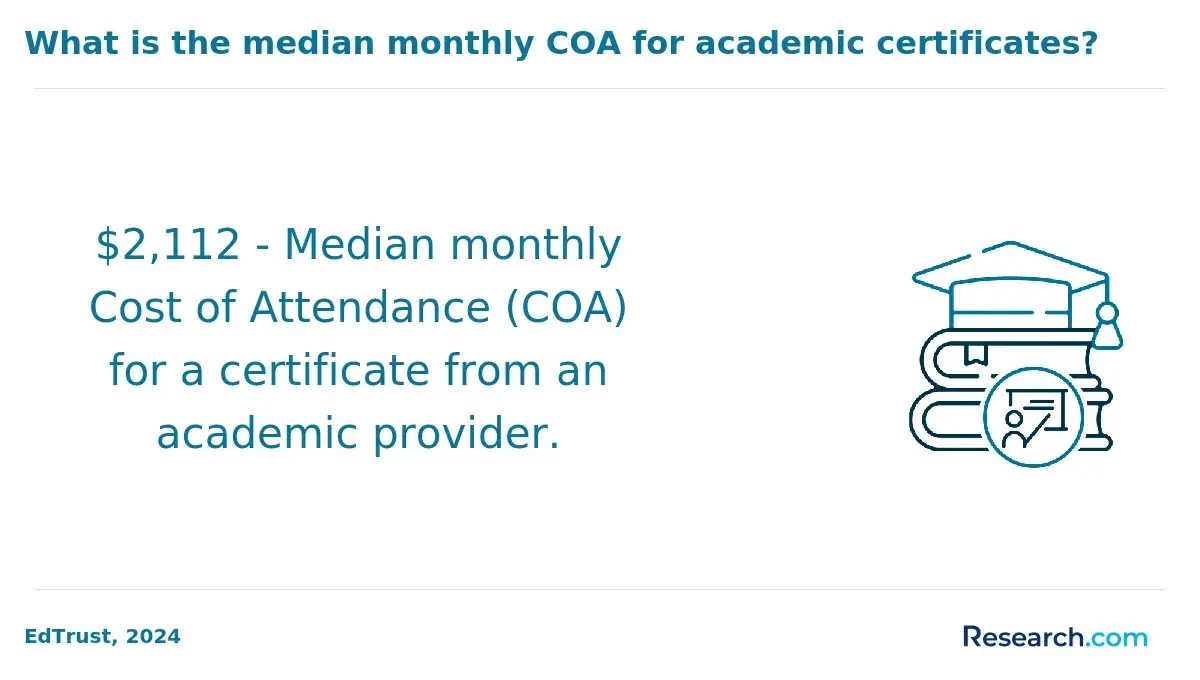
Tuition costs for online surgical tech degrees differ sharply by institution type. Public in-state programs typically range between $5,000 and $10,000 for the entire course. Attending out-of-state public schools often nearly doubles that expense. Private nonprofit and for-profit institutions usually charge between $15,000 and $30,000, with the latter sometimes adding extra fees beyond tuition.
Beyond tuition, mandatory charges such as registration, lab access, and technology fees often increase the total amount due. Some programs also require on-campus residencies or clinical hours, which add travel and lodging expenses. Considering only per-credit-hour rates can be misleading, so students should calculate all related costs to get a full picture of their financial commitment.
- Federal Financial Aid: Students may access various federal aid options, including Pell Grants that don't require repayment. Federal loans come in two forms: subsidized loans where interest is covered while studying, and unsubsidized loans that accrue interest immediately. Veterans qualify for the GI Bill, which covers tuition and may offer stipends for housing and educational materials.
- Scholarship Opportunities: Several scholarships are targeted specifically at surgical tech students, often offered by professional organizations like the Association of Surgical Technologists. State workforce agencies also provide scholarships aimed at growing healthcare professionals. Additionally, many schools award merit-based scholarships recognizing academic or leadership achievements.
- Cost Comparison Tools: Utilizing resources such as the College Scorecard's net price calculator helps prospective students assess their true out-of-pocket expenses after accounting for scholarships and grants, offering a more realistic view than sticker prices alone.
How Long Does It Take to Complete an Online Surgical Tech Degree Program?
The time needed to complete an online surgical tech degree varies widely according to degree level, student enrollment status, and program flexibility. Certificate and diploma tracks typically last about one year, while associate degrees generally require between 18 and 24 months. Bachelor's programs take approximately four years, with some accelerated options available, and doctoral degrees extend from four to six years for full-time students.
- Degree Level: Associate degree programs usually fall in the 18- to 24-month range, while bachelor's degrees often span four years unless accelerated pathways shorten this duration.
- Enrollment Status: Full-time students tend to complete programs within expected timeframes, but part-time learners-balancing work or other commitments-may take significantly longer, sometimes double the standard length.
- Transfer Credits: Bringing in previous college credits, whether from general education or clinical experience, can markedly reduce time in the program.
- Flexible Progression: Competency-based or pace-driven models enable students to advance by mastering skills rather than adhering to fixed timelines-ideal for motivated working adults.
- Accelerated and Year-Round Scheduling: Programs offering trimester formats or continuous enrollment allow faster completion by minimizing breaks; some associate degrees can be earned in as little as 12 to 15 months.
- Prior Learning Assessment (PLA): Credit awards for relevant work, military training, or certifications help shorten both time and cost, benefiting veterans and experienced students.
- Program Length Limits and Financial Aid: Institutions enforce minimum and maximum timeframes to maintain satisfactory academic progress (SAP); exceeding maximum durations risks losing financial aid eligibility.
- Realistic Completion Expectations: Actual graduation times often exceed advertised lengths-especially for part-time and adult learners-making it crucial to consider average completion data when selecting a program.
What Core Curriculum and Coursework Should a Quality Online Surgical Tech Program Include?
High-quality online surgical tech programs adhere closely to standards set by the Commission on Accreditation of Allied Health Education Programs (CAAHEP) and the Association of Surgical Technologists (AST). Their curricula focus on a blend of theoretical knowledge and practical skills designed to prepare students for the demands of surgical environments.
- Core Science and Anatomy: Essential courses cover human anatomy, physiology, microbiology, and pharmacology to ground students in fundamental biological systems and sterile techniques.
- Technical Surgical Skills: Programs emphasize instrument identification, aseptic procedures, surgical room protocol, and operative techniques-with hands-on learning supported by simulations or lab work.
- Clinical Practice and Integration: Clinical training begins early, combining virtual simulations with local clinical placements and culminating in a practicum or capstone project that integrates classroom learning with real-world experience.
- Professional Standards and Ethics: Coursework includes healthcare law, patient safety, infection control, and ethical duties to prepare graduates for compliance and responsibility in healthcare settings.
- Curriculum Currency and Industry Input: Leading programs implement structured curriculum reviews-often every three to five years-and consult advisory boards of surgical tech professionals to ensure content reflects advances in technology, updated regulations, and evolving surgical methodologies.
- Competency-Based Outcomes: Graduates must demonstrate measurable skills such as precise instrument handling, effective communication within surgical teams, adaptability under stress, and rigorous sterilization practices, directly translating to workplace readiness valued by employers.
- Transparency and Verification: Prospective students should request detailed course sequences, syllabi, and learning outcomes documentation to verify program quality rather than relying on marketing materials alone.
Industry data forecasts a 12% growth in demand for surgical technologists through 2031-reflecting healthcare expansion and technological progress-making solid, up-to-date training critical for career advancement.
Which Online Surgical Tech Programs Offer the Best Return on Investment for Working Adults?
Evaluating which online surgical tech programs offer the highest return on investment for working adults requires careful comparison of program costs against post-graduation salary data, employment rates, and loan default rates from authoritative sources like the College Scorecard.
Public universities with competitive tuition and strong employer networks consistently produce graduates who secure employment quickly and enjoy salaries that justify their educational expenses. These programs often stand out as the best accredited surgical tech degrees for career advancement and ROI.
- Cost Efficiency: Public institutions generally provide lower tuition rates, especially for in-state students, and many offer tuition reciprocity agreements that benefit out-of-state learners. This can significantly reduce the education cost burden for working adults considering a career change.
- Post-Graduation Earnings: Graduates from top online surgical tech programs earn median salaries well above the national average for entry-level roles-highlighting the strong earnings potential associated with high-quality programs and employer ties.
- Employment Outcomes: High completion rates and positive job placement statistics demonstrate that graduates of selective programs rapidly find relevant work, which shortens the time to income recovery and maximizes ROI.
- Financial Aid and Employer Support: Many programs encourage pursuing employer tuition reimbursement and scholarship opportunities to lower net education costs, an important factor to enhance ROI for working students.
- Loan Default Rates: Lower default rates at certain institutions indicate that graduates can manage debt effectively due to steady employment and attainable salaries.
- Beyond Rankings: Instead of relying solely on institutional prestige, students should examine detailed program outcomes such as median earnings six and ten years after enrollment to gauge long-term value accurately.
Working adults pursuing a surgical tech degree should prioritize programs that blend affordability with comprehensive career support, robust curriculum rigor, and essential clinical training opportunities. These components together increase the likelihood of professional success and financial stability post-graduation. For those interested in advancing their education without standardized test requirements, exploring options like an online MBA with no GMAT can provide further career flexibility alongside a surgical tech degree.
What Admissions Requirements Do the Top Online Surgical Tech Programs Typically Require?
Admissions requirements for competitive online surgical tech programs vary widely by institution type and selectivity. Programs balancing academic readiness with relevant experience-especially at the graduate level-typically expect applicants to meet several core criteria. These include:
- GPA Thresholds: Most selective undergraduate programs require a minimum GPA between 2.5 and 3.0 on a 4.0 scale. Graduate surgical tech programs often demand a higher GPA, usually around 3.0 or above. Some community colleges with open enrollment policies accept lower GPAs or waive this requirement.
- Standardized Tests: Many accredited programs now implement test-optional policies for the SAT or ACT, reflecting broader trends in higher education. While some graduate surgical tech programs may request GRE scores, this requirement is increasingly waived if applicants demonstrate relevant professional experience or hold a prior degree from a regionally accredited institution.
- Letters of Recommendation: Competitive programs usually require one to three letters from academic instructors, healthcare professionals, or employers familiar with the applicant's skills and readiness for clinical coursework.
- Personal Statements: Particularly common at the graduate level, these essays assess applicants' motivations, career goals, and communication skills, helping admissions committees evaluate commitment and suitability.
- Professional Experience: Advanced surgical tech degrees often expect clinical or healthcare-related experience or certifications. This can offset academic shortcomings and demonstrate readiness for rigorous study.
- Prerequisite Coursework: Applicants without a healthcare background may need foundational courses in anatomy, physiology, chemistry, and medical terminology before enrolling in specialized classes. Requirements vary widely, so reviewing the typical prerequisites for surgical tech degree online programs is essential.
Admissions standards differ markedly by program tier. Open-enrollment community colleges prioritize accessibility, generally requiring just a high school diploma or GED. Selective research-university master's programs demand robust academic records and meaningful professional experience. Prospective students should honestly assess their credentials to identify programs where they will be most competitive and thrive.
Because testing policies, GPA minimums, and prerequisites evolve frequently, contacting admissions advisors directly is strongly recommended for the latest information. This ensures accurate understanding and better preparation for success in online surgical tech program admission requirements.
For those considering a broader educational path, exploring an online computer science degree can offer alternative or complementary career opportunities alongside surgical tech training.
What Career Paths and Job Titles Are Available to Online Surgical Tech Degree Graduates?
Graduates holding an online surgical tech degree enter a healthcare environment rich with diverse career options and job titles. Entry-level roles typically involve supporting surgical teams in various medical settings-hospitals, outpatient centers, and specialized clinics.
- Surgical Technologist: The primary role involves assisting surgeons during procedures by preparing instruments, maintaining sterility, and ensuring patient safety throughout operations.
- Operating Room Technician: Focused on equipment management and surgical area setup, these professionals help coordinate scheduling and maintain readiness of operating rooms.
- Certified Surgical First Assistant: Earning additional certification enables graduates to take on expanded intraoperative duties-direct assistance to surgeons and wound management.
Advancing beyond initial roles, those who pursue graduate education or specialized credentials can access leadership and clinical specialist positions that combine operational oversight with research and training responsibilities.
- Perioperative Manager: Responsible for managing surgical teams and OR efficiency, overseeing compliance with safety standards, and promoting quality patient outcomes.
- Clinical Educator: Experienced surgical tech graduates may transition into educator roles-training upcoming professionals in academic institutions or hospital-based programs.
- Surgical Research Specialist: These roles involve contributing to clinical studies that improve surgical techniques and technology innovation.
An online surgical tech degree also facilitates career pivots, allowing professionals from adjacent healthcare fields-such as medical assistants or EMTs-to leverage focused upskilling and certification to enter surgical tech-specific roles with broader responsibilities and enhanced earning potential.
Typical growth paths span five to ten years and include:
- Transitioning laterally across departments like ambulatory surgery centers and specialized surgical practices to build diverse clinical experience.
- Advancing into supervisory or management roles by obtaining leadership training and certification.
- Acquiring specialized credentials such as Certified Surgical First Assistant to expand clinical scope and responsibility.
Common employment sectors for surgical tech graduates encompass acute care hospitals, outpatient surgical centers, physician offices performing minor surgeries, and government or military medical facilities-each offering unique pathways in patient care, administration, and perioperative leadership.
What Is the Salary Outlook for Professionals with an Online Surgical Tech Degree?
The median annual wage for surgical techs with an online degree is around $48,000, though pay varies widely by multiple factors.
- Degree Level: Those with an associate degree often earn near the median, while additional certifications or a bachelor's in healthcare administration may lead to higher salaries.
- Experience: Entry-level surgical techs typically start near $36,000 annually; with five to ten years of experience, salaries commonly rise to between $55,000 and $60,000.
- Industry Sector: Specialty hospitals and outpatient centers usually offer better compensation compared to general hospitals. Government healthcare employers, such as Veterans Affairs, may also provide competitive wages.
- Geographic Market: Urban areas and states with higher living costs-like California, Texas, and New York-generally pay more. Rural settings often offer lower base salaries but sometimes provide benefits like sign-on bonuses or relocation assistance.
- Specialization and Certification: Credentials such as Certified Surgical Technologist (CST) or Certified Surgical First Assistant (CSFA) often result in salary premiums by reflecting advanced skills and responsibilities.
- Career Advancement: Online graduates are advised to pursue certification soon after earning their degree to boost earning potential. Several employers support continuing education through salary incentives.
- Salary Projections: Position growth is expected to rise about 8% over the next decade, with corresponding wage increases as healthcare demand expands nationwide.
Prospective surgical techs should consult up-to-date Bureau of Labor Statistics data and industry salary surveys regularly-healthcare compensation can shift quickly due to policy changes and new technologies.
What Graduates Say About the Best Online Surgical Tech Degrees for Jobs
- Caiden: "Choosing an online surgical tech program with strong accreditation standards gave me peace of mind-knowing my degree would be recognized by employers nationwide. The curriculum was challenging but rewarding, pushing me to master both theory and practical skills. If you want a program that sets you up for real job success, this is it."
- Remington: "At first, I was hesitant about the cost of an online surgical tech degree, but the return on investment has far exceeded my expectations. The program's practical experience requirements immersed me in real-world scenarios, which I believe made all the difference when I landed my job. Plus, the career support team was always there to guide me through every step."
- Adrian: "Reflecting on my time in the surgical tech program, I really appreciate the comprehensive student support infrastructure-especially during clinical placements. The curriculum rigor was intense yet well-structured, preparing me for the complexities of the operating room. This blend of support and challenge makes these online degrees the best pathway for anyone serious about a surgical tech career."
Other Things You Should Know About Surgical Tech Degrees
The top online surgical tech programs focus on developing strong technical skills such as sterile techniques, instrument handling, and patient preparation. Graduates also gain competencies in anatomy, physiology, and surgical procedures. Critical thinking, communication, and teamwork skills are emphasized to ensure graduates can effectively support surgical teams in diverse healthcare settings.
Online surgical tech programs require students to complete clinical practicum or internships at approved healthcare facilities near their location. These hands-on experiences are mandatory to meet accreditation standards and certification eligibility. The programs typically assist students with placement but expect students to be proactive in coordinating with local hospitals or surgical centers for practical training.
Leading online surgical tech programs offer comprehensive support such as academic advising, tutoring, and career counseling specifically tailored to surgical technology careers. Many provide virtual study groups, online simulation tools, and access to professional organizations. These resources help students build professional networks and prepare for certification and job placement after graduation.
References
- Online Schools for Surgical Tech: Everything You Need to Know to Choose, Train, and Succeed - Medical Prep https://medicalprep.org/online-schools-for-surgical-tech/
- How Long Does It Take to Become a Surgical Tech? (Answered) https://www.stepful.com/post/how-long-it-takes-to-become-a-surgical-tech
- Surgical Tech Online: Your Guide To A Digital Career https://covid.fabriciano.mg.gov.br/official-origin/surgical-tech-online-your-guide-to-a-digital-career-1767648066
- Surgical technologist salary & career outlook | American College of Healthcare and Technology https://www.ach.edu/2014/08/2130/
- Certified Surgical Technologist Programs: In-Person vs. Online CST Programs | Vivian Community Hub https://www.vivian.com/community/allied-health/certified-surgical-technologist-programs-in-person-vs-online-cst-programs/
- Surgical Tech Online School: Online vs Hybrid Courses - CBD College https://www.cbd.edu/blog/surgical-technology/surgical-tech-online-school-online-vs-hybrid-courses/
- Surgical Technologist Salary: How Much Do Surgical Techs Earn Worldwide? - Surgical Teck https://surgicalteck.com/surgical-technologist-salary-worldwide-guide/
- Surgical Tech Certification: Overview and FAQ https://credenzahealth.com/career-advice/surgical-tech-certification-overview-and-faq
- Surgical Tech Salary: Boost Your Elite Pay - Liv Hospital https://int.livhospital.com/surgical-tech-salary-boost-your-elite-pay/
- Surgical Tech Career Guide & Job Details | Trusted Health https://www.trustedhealth.com/allied-career-guide/surgical-tech