2027 What Requirements Do You Need for an Online Engineering Management Bachelor's Degree? Admission Rules, Credits & Eligibility

Co-Founder and Chief Data Scientist
Many prospective students face uncertainty when exploring an online engineering management bachelor's degree, unsure if their academic background or work experience meets admission criteria. This challenge is particularly significant for those with unrelated undergraduate degrees seeking a career pivot. According to the National Center for Education Statistics, over 40% of online bachelor's degree enrollees choose programs for career advancement, highlighting demand for clear eligibility guidelines.
Understanding specific admission requirements, credit transfers, and needed qualifications can make the difference between application success and delay. This article clarifies these essential factors and outlines how to meet them effectively for prospective engineering management students.
Key Benefits of Preparing for Online Engineering Management Bachelor's Degree Requirements
- Choosing the right online engineering management program ensures alignment with career goals, accreditation standards, and flexibility, critical for balancing work and study effectively.
- Maximizing transfer credits can reduce time and cost, with many programs accepting up to 60 credit hours from accredited institutions to accelerate degree completion.
- Completing the degree opens diverse career pathways in project leadership, systems engineering, and operations management, with a 7% projected job growth rate over the next decade.
What are the basic eligibility requirements to apply for an online engineering management bachelor's degree?
Eligibility in online undergraduate admissions for an engineering management bachelor's degree refers to the essential qualifications that prospective students must meet before their application is considered. This is distinct from acceptance, which is the formal decision to admit a student, and enrollment, the act of registering for classes after acceptance.
Eligibility criteria ensure that applicants possess the academic foundation and personal qualifications necessary to succeed in the program. According to standards set by the U.S. Department of Education and common across many programs, these baseline requirements typically include possession of a high school diploma or GED equivalent, a minimum age often set at 17 or 18 years, and verified citizenship or residency status. These prerequisites support readiness for college-level coursework and compliance with federal and institutional policies on admissions and financial aid.
It's important for students to check the minimum eligibility criteria for online engineering management bachelor's degree programs with each institution directly, as specific admission requirements can vary. Some schools might require minimum GPA scores, standardized test results, or prerequisite coursework in math and science. Documentation such as official transcripts, test scores, and proof of residency or citizenship status are commonly requested.
Questions about credit transfer policies, English language proficiency, and pathways to secure financial aid, including FAFSA eligibility, should also be addressed early. For those seeking the most affordable and credit-efficient options, exploring the best online colleges that accept FAFSA can be an excellent starting point.
- High School Diploma or GED: Nearly all accredited programs require official certification of high school completion or its equivalent, confirming preparedness for undergraduate-level study.
- Minimum Age Requirements: Programs usually set a minimum age, commonly 17 or 18, to ensure maturity for self-paced online learning.
- Citizenship and Residency: Admissions often depend on legal residency or citizenship status, impacting eligibility for financial aid and compliance with immigration laws.
- Academic Performance Standards: Applicants must meet minimum GPA requirements that vary by institution to demonstrate capability for rigorous coursework.
- Documentation and Verification: Students should prepare transcripts, test scores, and identification documents and confirm requirements with admissions offices to prevent delays.
What is the minimum GPA required for admission to an online engineering management bachelor's degree program?
The minimum GPA required for admission to an online engineering management bachelor's degree program varies significantly by institution. Some programs accept applicants with a cumulative high school GPA as low as 2.0, while more selective schools may require a GPA of 2.5 or higher. These differences reflect the diverse academic standards and selectivity of different programs offering online engineering management bachelor admission GPA criteria.
GPA is just one element in a holistic review process that admissions committees use. Other factors like class rank, standardized test scores, and letters of recommendation also play crucial roles in evaluating candidates' readiness and potential. This comprehensive evaluation means that applicants with borderline GPAs often have opportunities to strengthen their applications through demonstrating leadership skills or academic promise.
Understanding whether a school considers weighted or unweighted GPAs is also important. Weighted GPAs account for the rigor of coursework, such as honors or Advanced Placement classes, providing an advantage to students who take more challenging courses. Clarifying the GPA scale used helps applicants report their academic performance accurately.
Some institutions offer conditional or probationary admission to students who do not meet the minimum GPA requirements but show potential in other areas. This option allows students to start coursework with support while working to improve their academic standing.
Applicants can best prepare by carefully calculating or verifying their GPA through official tools or school-provided instructions before applying. Accurate self-reporting helps avoid delays or complications during the application process. Those seeking cost-effective degree options should also consider programs such as a CACREP-accredited program for guidance on affordable pathways.
- Variation By Institution: GPA thresholds for admission typically range from 2.0 to 2.5 or higher depending on program selectivity and academic standards for online engineering management bachelor's programs.
- Holistic Review Process: Admissions consider GPA alongside factors like class rank, test scores, and recommendation letters to evaluate overall applicant potential and readiness.
- Weighted Versus Unweighted GPA: Knowing whether a school uses weighted GPA helps applicants accurately communicate their academic rigor and achievement.
- Conditional Admission Options: Borderline GPA students may qualify through probationary acceptance pathways that encourage academic growth and progress.
- Accurate GPA Reporting: Using official GPA calculators or clear school instructions ensures applicants report their GPA correctly and avoid application errors.
2026 Update: Technical Readiness for Online Engineering Management Coursework
For this 2026 refresh, we reviewed practical online learning requirements that can affect enrollment and early success but are often separate from academic admission rules.
- Confirm the computer specifications needed for engineering, analytics, spreadsheet, and project management coursework.
- Check whether required software is included in tuition or must be purchased separately.
- Ask if exams use online proctoring, webcam monitoring, or scheduled live assessment times.
- Review internet speed, browser, and operating system requirements before the first term begins.
- Find out whether group projects require live meetings across time zones.
- Verify access to virtual labs, simulations, or technical support during evenings and weekends.
Checking these details before applying helps students avoid delays, unexpected costs, and course access problems once they begin an online engineering management bachelor’s program.
Do online engineering management bachelor's degree programs require SAT or ACT test scores?
Many online bachelor's degree programs in engineering management, particularly those tailored for adult learners and working professionals, have largely removed the requirement for SAT or ACT scores. This shift aligns with a growing trend in higher education that values diverse academic and professional backgrounds over standardized test results.
Nonetheless, some programs may still request test scores. These typically include merit-based scholarships, honors tracks, or highly competitive engineering management degrees aiming to identify top applicants. Common benchmarks for accepted scores hover around a 1200 combined SAT or a 25 ACT composite, though criteria vary based on the institution.
Applicants are encouraged to consult each program's official admissions page to verify current policies, as requirements have been changing quickly since 2020 across many universities.
- Test-Optional Adoption: The majority of programs now focus on holistic review processes, considering work experience, previous college credits, and other qualifications over standardized tests.
- Score Requirements for Selective Cases: Scores remain relevant mainly for applicants seeking scholarships or admission to honors pathways.
- Typical Score Ranges: While a 1200 SAT or 25 ACT is a common threshold, exact requirements differ, so prospective students should check program-specific standards.
- Stay Updated: Because admissions policies are in flux, regularly reviewing university websites prevents surprises during application.
- Changing Landscape: Since 2020, over 70% of bachelor's degree programs nationwide have dropped SAT/ACT mandates, reflecting broader institutional shifts.
A professional who enrolled in an online engineering management bachelor's program shared that navigating admissions without standardized tests was both a relief and a challenge. "I worried my work experience wouldn't stand out without test scores, but the admissions office focused heavily on my career background and previous coursework," he recalled.
He noted that gathering transcripts and detailed job documentation took time, but once submitted, the process felt more personalized. "It was reassuring that my practical skills mattered more," he said, emphasizing that applicants should carefully prepare all non-test materials to strengthen their application.
How many total credit hours are needed to complete an online engineering management bachelor's degree?
Online engineering management bachelor's degree programs generally require between 120 and 130 semester credit hours to graduate. While 120 credits are the common baseline for most accredited degrees, some tracks reach up to 128 or 130 depending on curriculum variations and major requirements.
Total credit requirements for online engineering management bachelor's programs typically include categories such as general education, major-specific core courses, electives, and capstone or practicum experiences that provide hands-on application.
Credit distribution usually allot 30 to 40 hours to foundational courses in math, science, and communication, with 40 to 50 credits focused on engineering management principles and leadership. Electives offer flexibility for specialized topics, while practical components integrate real-world skills.
Students should note the difference between semester credit hours (SCH) and quarter credit hours; quarter systems require approximately 180 credits to match a 120-semester-hour degree. Transfer students must verify credit equivalencies when moving between systems.
Prior learning credits, including Advanced Placement (AP) and College-Level Examination Program (CLEP) results, can significantly reduce the total credit burden, accelerating degree completion and cutting costs. Prospective learners should also inquire about transfer credit policies to make the process more credit-efficient.
- Standard Credit Hour Requirements: Most programs demand 120 to 130 semester credits aligning with national accreditation standards for engineering management bachelor's degrees.
- Credit Distribution: Coursework divides among general education, core engineering management subjects, electives, and a capstone or practicum.
- Semester vs. Quarter Credits: Understanding how quarter credits convert to semester credits is essential for transfer students to measure total required coursework accurately.
- Prior Learning Credit: AP, CLEP, and transfer credits can reduce coursework and tuition, enabling a faster path to graduation.
- Capstone and Practical Experience: Many programs incorporate projects or internships to blend academic knowledge with hands-on skills.
Choosing an affordable path is crucial; for example, researching the cost of accounting degree can offer insights on managing tuition expenses effectively alongside your degree pursuits.
What high school courses or prerequisites are required before enrolling in an online engineering management bachelor's degree?
Applicants usually must complete specific high school courses before entering an online engineering management bachelor's program. Essential prerequisites often include Algebra I and II, Geometry, Physics, and Chemistry, as these subjects build the quantitative and scientific skills necessary for this field. Additionally, proficiency in English composition is required to ensure clear communication in technical contexts.
Though not always mandatory, social studies or economics classes are frequently encouraged to provide foundational knowledge in management principles and organizational behavior. Students who earn dual enrollment or community college credits while still in high school may apply these courses toward prerequisite fulfillment, potentially shortening the degree timeline and reducing costs.
Some programs accommodate students who lack certain prerequisites by offering remedial or bridge courses. While these help fill gaps in knowledge, they can extend the overall time needed to graduate, which students should consider during their planning.
- Core Math and Science: Completion of key math and science courses is required to establish foundational analytical and technical skills crucial for success in engineering management.
- English Composition: Strong written and verbal communication abilities are essential, making high school English courses a necessary prerequisite.
- Recommended Humanities: Courses in economics, business, or social sciences enhance understanding of management, though they are not compulsory.
- Dual Enrollment Benefits: College-level classes taken in high school can satisfy prerequisite needs, speeding up degree completion.
- Remedial Options: Bridge courses assist students needing additional preparation but may prolong the path to graduation.
A professional who completed an online engineering management bachelor's degree shared that while meeting prerequisite requirements initially felt overwhelming, the option to transfer community college credits made the process smoother and less costly. She recalled, "Navigating which courses to take was tricky at first, but speaking with admissions helped clarify how my past credits fit into the program."
Although she did not need remedial classes, she advised future students to plan early and ask questions to avoid surprises that could delay graduation. Her experience underscores that understanding and fulfilling prerequisites thoughtfully is key to a positive degree journey.
Can Transfer Credits Count Toward an Online Engineering Management Bachelor's Degree, and How Many Are Accepted?
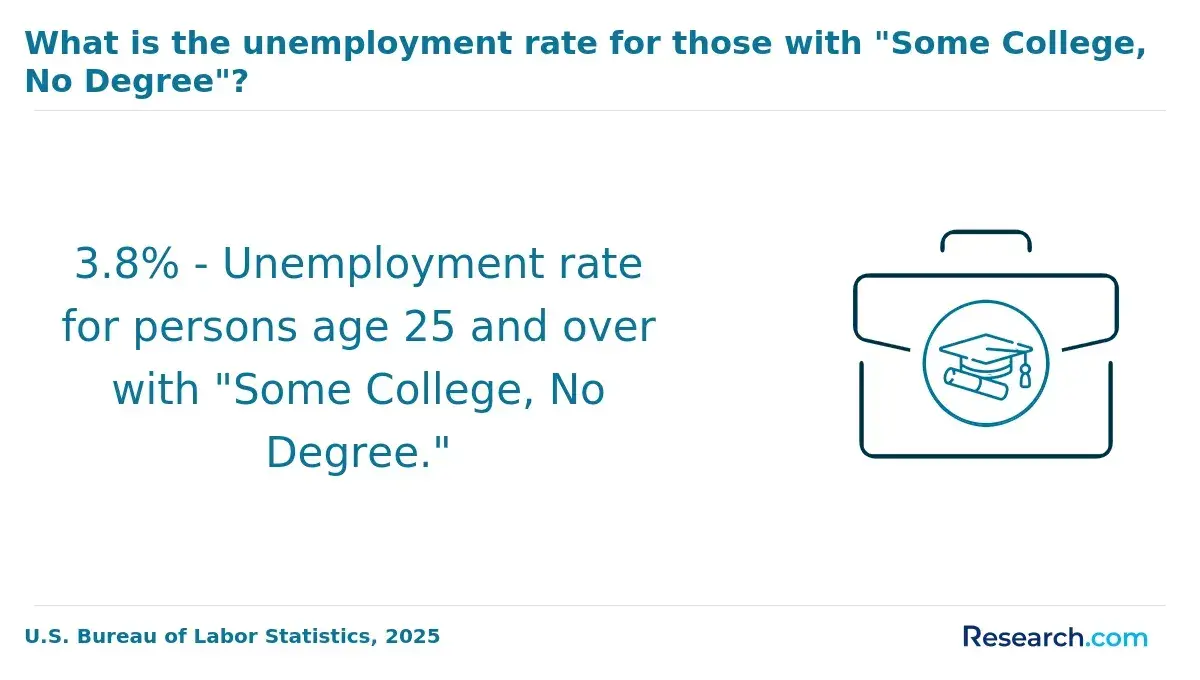
Most accredited institutions allow students to transfer between 60 and 90 credits toward a bachelor's degree, though each school sets its own limits. Schools with flexible transfer policies-especially those offering 2+2 articulation agreements partnering community colleges with four-year universities-make credit transfers easier for students pursuing an engineering management degree. Such agreements help ensure that credits earned during the first two years align well with the requirements of the degree program.
- Credit Limits: Transfer credit caps usually range from 60 to 90 semester hours, representing two to three years of prior coursework. Any credits beyond these limits often require completion at the institution awarding the degree.
- Transfer-Friendly Schools: Colleges with established relationships with community colleges often have formal agreements that simplify credit transfer processes, promoting smoother transitions for students in engineering management programs.
- Transcript Evaluation: Admissions and registrar offices assess transcripts carefully to confirm course content, accreditation status, and equivalency to required engineering management classes and general education requirements.
- Course Equivalency: Only coursework that matches the rigor and topics of the engineering management degree plan typically transfers. Credits from unrelated or non-accredited programs are often ineligible.
- Official Credit Evaluation: Requesting a formal transfer credit evaluation during admissions provides clarity on which prior courses apply, helping students plan the remaining credits they need to complete efficiently.
Data from the National Center for Education Statistics shows about 38% of U.S. bachelor's students transfer credits from other institutions, emphasizing the value of understanding and navigating transfer policies before enrolling.
Does accreditation status affect admission requirements for an online engineering management bachelor's degree?
Institutional accreditation involves regional or national recognition of a college or university's overall quality. Regional accreditation, granted by agencies acknowledged by CHEA or the U.S. Department of Education, signals that the institution meets established educational standards. This accreditation eases credit transfers between schools and improves how employers view the degree.
- Institutional Accreditation: This typically refers to regional or national recognition of the entire college or university. Regional accreditation, recognized by organizations like CHEA or the U.S. Department of Education, ensures the school meets quality standards. Attending an institution with this accreditation makes it easier to transfer credits and increases employer acceptance of your degree.
- Programmatic Accreditation: Certain engineering management programs hold specialized accreditation from discipline-specific organizations. These bodies often require specific admission criteria to maintain industry standards, which can be critical for licensure or certification in some fields.
- Transfer Credit Impact: Degrees from regionally accredited institutions generally allow smoother transfer of credits, benefiting students who move between community colleges and universities or seek flexibility in their degree progress.
- Graduate & Licensing Recognition: Unaccredited degrees frequently lack acceptance by graduate programs and professional licensing boards, potentially restricting career advancement. Confirming accreditation status beforehand is essential.
- Research Importance: Prospective students should verify both institutional and programmatic accreditation by consulting official directories and admissions offices to avoid costly mistakes.
Research shows that over 90% of employers prefer candidates with degrees from regionally accredited institutions, underscoring the significance of accreditation in career prospects for engineering management graduates.
What documents do you need to apply for an online engineering management bachelor's degree program?
Official Transcripts: Applicants must submit official high school transcripts verifying graduation. If you have college experience, official college transcripts are typically required to evaluate transfer credits. Official documents must be sent directly from the institution or be sealed to ensure authenticity.
Government-Issued ID: A valid state ID or passport is usually requested to confirm your identity. This requirement is crucial for online settings to meet federal compliance and prevent identity fraud.
Application Essays: Most programs require essays to assess your motivation and communication skills. Use this opportunity to explain why the online engineering management bachelor's degree program suits your career goals and how you plan to contribute.
Additional Documentation: Some selective programs may ask for extra items such as a portfolio of relevant projects, letters of recommendation, a detailed résumé, or a personal statement revealing your academic and professional ambitions.
Official vs. Unofficial Documents: Initial submissions may allow unofficial copies like screenshots; however, official versions are almost always mandatory for enrollment. International students applying to U.S.-based online programs must provide certified translations if academic records are not in English.
Translations for International Applicants: Certified translations from recognized agencies must accompany original documents to enable accurate assessment of qualifications by admissions officers.
Start Early: Begin gathering all application materials at least three to six months before your intended start date. Early preparation helps you handle delays in obtaining transcripts, recommendations, or translations, especially for programs with rolling admissions or strict deadlines.
Document Checklist: Maintain a checklist to track required items and submission status. Confirm specific requirements with each program to ensure no critical paperwork is missed during the admission process for an online engineering management bachelor's degree.
For those considering pathways with financial aid or credit-efficient options, also explore other fields such as masters in child psychology online programs that offer affordable alternatives to advance your education effectively.
Are there English language proficiency requirements for non-native speakers applying to an online engineering management bachelor's degree?
Most accredited U.S. online engineering management bachelor's degree programs require non-native English speakers to demonstrate English language proficiency before admission. This helps ensure students can manage coursework delivered entirely in English. Commonly accepted tests include TOEFL iBT, IELTS Academic, and the increasingly popular Duolingo English Test.
- TOEFL iBT Scores: Many undergraduate programs accept scores typically ranging from 61 to 80, evaluating reading, writing, listening, and speaking appropriate for academic settings.
- IELTS Academic Bands: An overall band score between 6.0 and 6.5 often serves as the minimum eligibility level, testing all four language skills with academic emphasis.
- Duolingo English Test: This flexible, online assessment is gaining acceptance, with typical required scores between 90 and 105, offering an accessible alternative for proving English proficiency.
- Possible Exemptions: Applicants from countries where English is the official language or those who have completed multiple years at English-medium institutions may qualify for waivers. Programs vary in how they define and verify eligibility for exemptions.
- Conditional Admission: Some online engineering management bachelor's programs provide conditional acceptance, pairing admission with ESL bridge courses or supplementary language support for students who need to improve their English skills before fully enrolling.
Before applying, prospective students should confirm specific English language proficiency requirements and minimum test scores with each program's admissions office. This information helps non-native speakers prepare accordingly, seek possible exemptions, or explore language training options to bolster their chances of acceptance into an online engineering management bachelor's degree.
Being well-informed about these policies complements understanding broader topics such as credit hour standards, minimum GPA, and transfer credit rules-essential steps in choosing one of the most valuable masters degrees programs for career advancement.
Do online engineering management bachelor's degree programs accept the CLEP exams or prior learning credits?
The College-Level Examination Program (CLEP) enables students to earn undergraduate credit by passing standardized exams. A score of 50 or higher, as advised by the American Council on Education (ACE), is accepted at more than 2,900 colleges nationwide.
Acceptance policies, however, differ significantly between institutions. Some online engineering management programs allow CLEP credits to fulfill a wide range of degree requirements, while others restrict their use to general education credits only.
Beyond CLEP, there are several routes for earning prior learning credits. DANTES/DSST exams cover professional and technical subjects relevant to engineering management.
Portfolio assessments let students showcase prior work or military experience to gain credit. Additionally, many schools recognize professional certifications and military training linked to the field.
It's crucial to consult the registrar's or admissions office at your chosen school early. Confirming which prior learning credits they accept can save both time and money on your degree journey.
- Institution Policies: Each institution sets unique rules for accepting CLEP and PLA credits, so verify how your target programs apply these.
- CLEP Credit: Passing with a score of 50 can earn credit, but it may only be valid for general education in some programs.
- Additional PLA Options: DANTES/DSST exams, portfolios, certifications, and military experience can provide alternative routes to credit.
- Early Verification: Contact admissions early to understand credit transfer policies and optimize your degree plan.
Are there residency or in-state tuition requirements that affect enrollment in an online engineering management bachelor's degree?
Many public universities offer in-state tuition rates to online students regardless of their residency, often through participation in the State Authorization Reciprocity Agreement (SARA). SARA is a nationwide pact among member states that simplifies the delivery of online education across state lines by granting institutions permission to enroll out-of-state students without separate state authorizations.
- SARA Framework: This agreement allows colleges in participating states to provide online programs to students living outside the institution's home state, reducing regulatory hurdles and expanding access.
- Tuition Policies: Despite SARA, some universities maintain out-of-state tuition fees for online learners depending on their internal rules. Confirming tuition charges before applying helps prevent unexpected expenses.
- Residency Verification: Students pursuing in-state tuition must often submit proof of residency, such as utility bills, voter registration cards, or a driver's license showing a local address within the state.
- Financial Preparedness: Knowing each school's residency and tuition guidelines enables prospective students to plan budgets and explore possible ways to lower costs during the engineering management degree program.
What Graduates Say About Preparing for the Online Engineering Management Bachelor's Degree Requirements
- Stephanie: "Starting my online engineering management bachelor's degree was smoother than I expected because I took the time to thoroughly understand the admission requirements before applying. This upfront knowledge saved me from unnecessary delays and helped me focus on what mattered most: my studies. Now, with a solid degree in hand, I'm confidently moving ahead in my career."
- Wendy: "Reflecting on my experience, I realize that grasping the credit policies and eligibility criteria early on made a huge difference in my educational journey. It allowed me to maximize transfer credits from previous coursework and avoid losing time or money. Earning my online degree in engineering management has truly opened new doors professionally that I hadn't anticipated."
- Mina: "The professional impact of completing my online engineering management bachelor's degree cannot be overstated. Knowing exactly what the program required from the start not only kept me motivated but also ensured I met every benchmark efficiently. Today, I see tangible career growth and increased opportunities thanks to the clear path I followed throughout the program."
Other Things You Should Know About Engineering Management Degrees
Students pursuing an online engineering management bachelor's degree can often access federal financial aid, including grants, loans, and work-study opportunities, provided their program is accredited. Many institutions also offer scholarships specifically targeted at engineering or technology students. Additionally, employer tuition reimbursement programs may help working professionals fund their education. It is important to contact the financial aid office at the chosen school for detailed guidance on available options.
To enroll in an online engineering management bachelor's degree in 2027, you typically need a high school diploma or equivalent, a satisfactory GPA, and a strong mathematics and science background. Some programs may also require SAT or ACT scores. Prior coursework or experience in engineering can be advantageous, along with a personal statement outlining your career objectives in the field.
To prepare for the technology and computer requirements in 2027, students should have a reliable computer with up-to-date operating systems, a stable internet connection, and essential software like Microsoft Office. Familiarity with online learning platforms and digital communication tools is also highly beneficial.
Adult learners and working professionals applying for online engineering management bachelor's programs may have different admission pathways, such as prior learning assessments or recognition of work experience. Some schools waive standardized test requirements or offer conditional admission based on professional credentials. Flexible scheduling and part-time enrollment options are often available to accommodate work commitments. Applicants should inquire directly with admissions for policies tailored to non-traditional students.
References
- Engineering Pre-Major University Transfer | Madison College https://madisoncollege.edu/academics/programs/associate-engineering
- What qualifications do I need for a career in management science and engineering? https://m.umu.com/ask/a11122301573853554793
- Bachelor of Science in Engineering Management Missouri University of Science and Technology https://www.hotcoursesabroad.com/india/course/us-usa/bachelor-of-science-engineering-management/56541152/program.html
- BSc (Hons)Engineering Management BSc (Hons)Engineering Management https://www.lincoln.ac.uk/course/engmdlub/
- Accreditation processes for technical programs https://edquip.co/blog/accreditation-processes-for-technical-programs
- Curriculum https://www.uagrantham.edu/online-degrees/engineering-management-technology-bachelors/curriculum/
- Residency Status for Tuition Classification | Enrollment Management https://www.uml.edu/enrollment/residency/residency-status-for-tuition-classification.aspx
- World's Largest platform as University Common Application https://www.planstudyabroad.uniagents.com/course-details.php
- Online Bachelor's in Engineering Management Degrees https://www.onlineengineeringprograms.com/management/online-bachelors-engineering-management
- English language proficiency https://www.uva.nl/en/about-the-uva/organisation/faculties/faculty-of-social-and-behavioural-sciences/education/social-sciences/english-language-proficiency.html