2027 Part-Time vs Full-Time Online Engineering Management Bachelor's Degree Programs

Co-Founder and Chief Data Scientist
Balancing a demanding job, family commitments, and the desire to advance in the engineering sector challenges many aspiring professionals. Consider a mid-career technician aiming to earn a bachelor's degree in engineering management without sacrificing current employment. With over 60% of online engineering management students enrolling part-time, this choice reflects a growing trend toward flexible education models.
Time constraints, financial concerns, and long-term career goals heavily influence this decision. Understanding the benefits and limitations of part-time versus full-time online engineering management bachelor's degree programs is crucial. This article explores these formats to help prospective students select the best pathway for their professional and personal needs.
Key Benefits of Part-Time vs Full-Time Online Engineering Management Bachelor's Degree Programs
- Part-time programs offer greater scheduling flexibility, allowing students to balance coursework with full-time employment and family obligations more effectively than full-time options.
- Full-time programs generally enable degree completion within 2 to 3 years, while part-time pathways often extend up to 5 or more years depending on course load.
- Students pursuing part-time study report better integration of learning and work responsibilities, reducing burnout risks common among full-time online Engineering Management bachelor's students.
What is the difference between part-time and full-time online engineering management bachelor's degree programs?
Part-time and full-time enrollment options in online engineering management bachelor's degree programs primarily differ in workload, pacing, and the time students commit to their studies. Around 60% of students prefer part-time enrollment, highlighting the demand for programs with flexible pacing that accommodate other life responsibilities. These differences shape how students engage with their coursework and manage their schedules.
Part-Time Online Programs
- Course Load: Students take fewer courses per semester, reducing their weekly academic demands and allowing more gradual progress through the program.
- Scheduling Flexibility: Many part-time programs offer asynchronous classes, enabling students to access materials and complete assignments at times that fit their personal and professional obligations.
- Study Intensity: These programs require a moderate and consistent time investment each week, supporting a balanced approach between school, work, and family life.
- Adaptability: Designed for nontraditional learners, part-time formats often accommodate changing schedules and unexpected time constraints.
Full-Time Online Programs
- Course Load: Full-time students enroll in a heavier course load each semester, often juggling multiple classes simultaneously, demanding a more rigorous study schedule.
- Scheduling Structure: These programs usually follow a fixed semester timeline with specific deadlines and a faster progression through content, requiring regular, scheduled participation.
- Study Intensity: Students face a higher weekly commitment with more frequent lectures, discussions, and assignments, making it essential to dedicate substantial time consistently.
- Focus: The intensive nature of full-time enrollment is ideal for those who can prioritize their education without major external commitments.
Students researching enrollment options can also explore accelerated offerings such as 1 year masters programs to further understand different pacing structures within higher education.
How long does it take to complete part-time vs full-time online engineering management bachelor's degrees?
Completion time for part-time versus full-time online engineering management bachelor's degrees varies widely based on enrollment intensity and individual pace. The National Center for Education Statistics reports that the average bachelor's degree completion time is about 56 months, reflecting a mix of full-time and part-time students. This statistic helps frame expectations for the time to complete full time and part time online engineering management programs. Below is a detailed comparison.
Part-Time Online Programs
- Flexible Scheduling: Part-time students usually take fewer than 12 credit hours per semester. This flexibility lets them balance work and personal commitments but extends the duration of the degree.
- Extended Completion Time: Part-time online engineering management students often need six years or more to graduate, depending on course availability and pacing.
- Course Pacing: Programs allow longer breaks between courses, accommodating diverse lifestyles but slowing progress compared to full-time study.
- Progression Speed: Reduced course loads limit the number of classes taken each term, resulting in a slower path toward degree completion.
Full-Time Online Programs
- Steady Credit Load: Full-time students generally enroll in 12 to 15 credit hours per semester, enabling them to maintain a consistent pace.
- Typical Duration: These students often finish within four years, aligning closely with traditional on-campus timelines.
- Structured Semesters: Full-time curricula follow semester-based scheduling with quicker transitions between courses, which accelerates degree completion.
- Consistent Engagement: Regular, intensive course loads support steady progress, helping students graduate in a timely manner.
Working adults exploring options can also research the best online CACREP counseling programs as an example of how accredited online programs accommodate flexibility and pacing.
What is the workload for a part-time vs. a full-time online engineering management bachelor's degree?
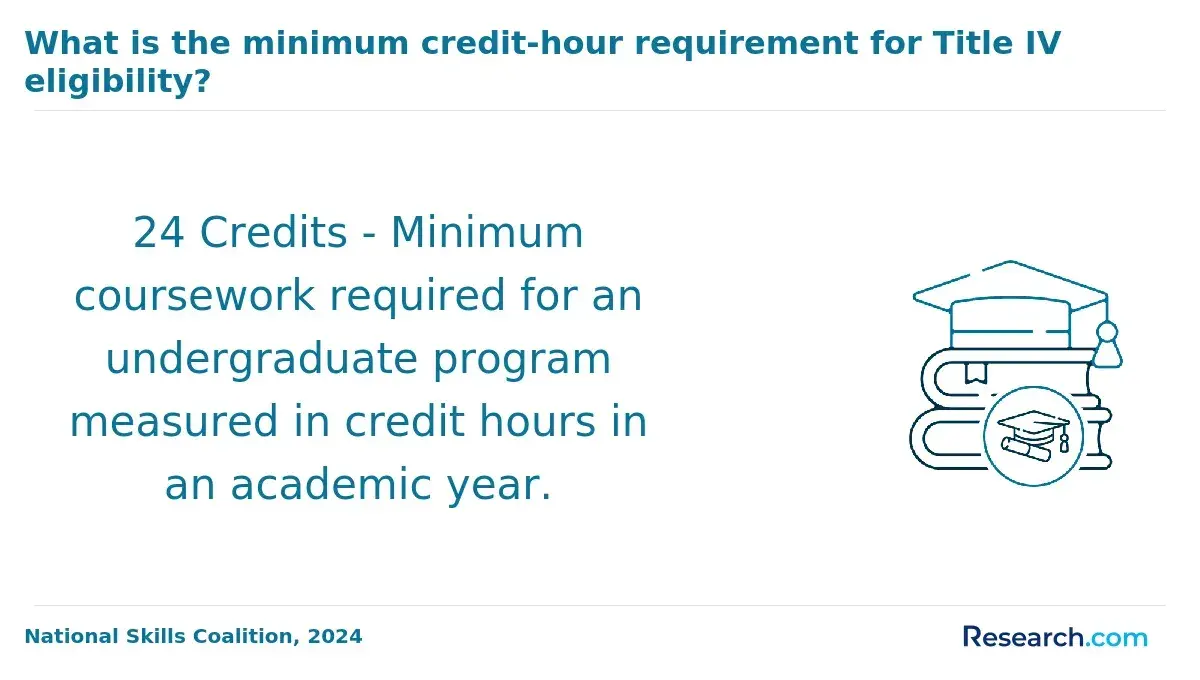
The workload for part-time and full-time online engineering management bachelor's programs varies significantly in terms of course load, weekly hours, and pacing. Full-time students usually enroll in three to five classes per semester, committing around 35 to 45 hours each week to study activities such as watching lectures and completing assignments.
Part-time learners take one to two courses per semester, which typically requires 15 to 25 hours weekly, allowing for a slower pace. Both formats operate within strict timelines, but full-time students experience a more condensed schedule with a heavier course load, while part-time students can progress more gradually. This flexibility benefits those balancing education with professional or personal responsibilities.
In terms of academic demands, full-time students encounter more frequent assignments and tighter deadlines due to overlapping courses, which increase pressure and require precise time management. Meanwhile, part-time students face fewer concurrent deadlines, making it easier to spread out their workload.
Although assignment complexity per course remains comparable, the intensity differs as full-time study demands rigorous scheduling and multitasking skills to handle multiple projects simultaneously. Part-time learners benefit from a less congested workflow but must still maintain consistent discipline to meet deadlines and complete coursework on time.
Which option is better for working adults in an online engineering management bachelor's degree?
Both part-time and full-time online engineering management bachelor's programs can accommodate working adults depending on their availability and commitments. Nearly 40% of online learners balance full-time employment alongside their studies, emphasizing the importance of adaptable learning options. Understanding how each enrollment type impacts a student's experience helps in making an informed choice.
- Scheduling Flexibility: Part-time programs often provide more leeway in pacing coursework, which suits those juggling jobs or family duties. Full-time options typically follow a rigid schedule that demands consistent weekly engagement.
- Workload Intensity: Full-time students usually handle a greater volume of coursework each semester, accelerating progress but increasing stress. Part-time learners face lighter, more manageable semester loads spread over a longer period.
- Time Management: Managing deadlines and multiple classes simultaneously can challenge full-time students, requiring disciplined time allocation. Part-time students enjoy a slower pace, though staying motivated over an extended timeframe is crucial.
- Pace of Completion: Full-time enrollment allows for finishing degrees in roughly half the time compared to part-time, beneficial for those prioritizing swift advancement. Part-time study extends the path to graduation, offering a balance with other life responsibilities.
A working professional who chose an online engineering management bachelor's program shared her experience: "Balancing a full-time job with full-time study felt overwhelming initially. I switched to part-time, which allowed me to focus on a few classes at a time. It wasn't without challenges-staying motivated amidst daily demands was tough-but spreading courses out helped me avoid burnout. The flexibility meant I could respond to work emergencies without falling behind. Sometimes I worried about taking longer, but maintaining my career while progressing academically has made the journey worthwhile."
Can I switch from part-time to full-time in an online engineering management bachelor's degree?
Many online bachelor's degree programs in engineering management offer the option to switch between part-time and full-time study to accommodate students' evolving schedules and academic progress. This flexibility supports learners managing work or family obligations while pursuing their education.
Research indicates that about 40% of students enrolled in nontraditional programs adjust their enrollment intensity at least once, reflecting the dynamic nature of online learning. Students benefit from these enrollment options by tailoring their course load to fit changing personal and professional commitments. For those interested in related programs, exploring a construction management bachelor degree might provide additional insights into nontraditional degree pathways.
Switching from part-time to full-time online engineering management studies involves several crucial considerations. The academic workload intensifies with full-time study, requiring more dedicated hours to meet faster deadlines and condensed course schedules.
The pacing differs notably, as full-time students must quickly absorb material compared to the extended timeframe available in part-time study, which can impact retention and stress. Additionally, institutional policies often require formal approval for enrollment changes, and deadlines aligned with the academic calendar may apply. Understanding how these factors influence degree completion timelines is essential for effective academic planning.
How does tuition differ for part-time vs full-time online engineering management bachelor's degrees?
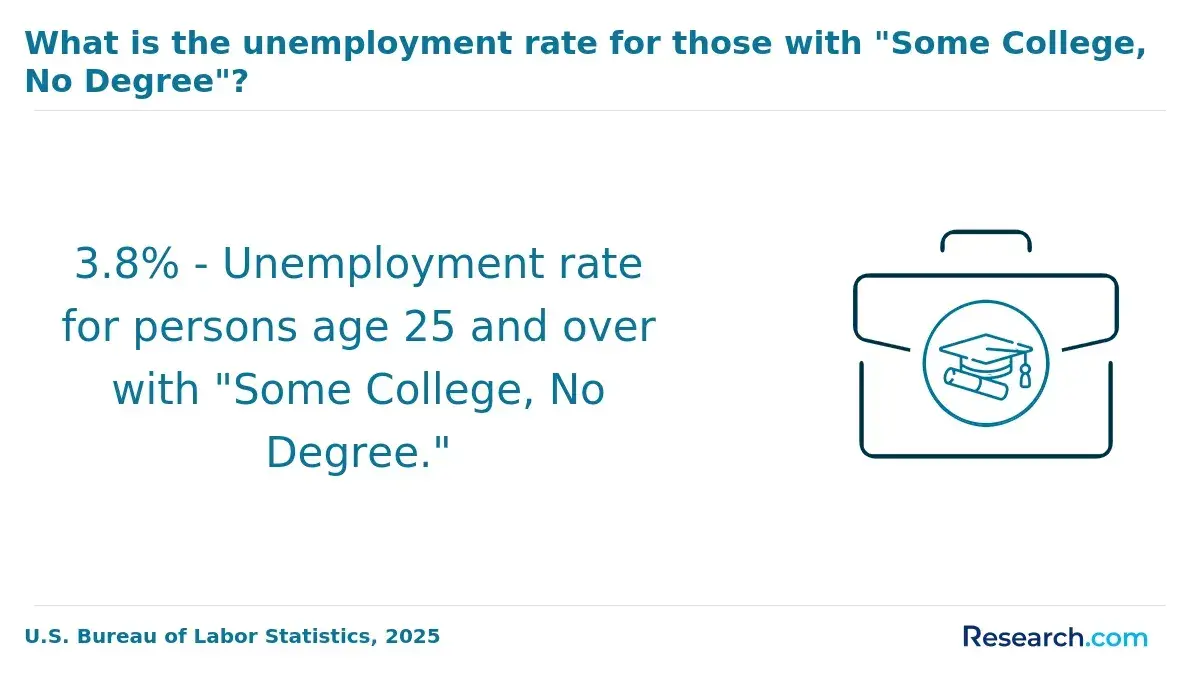
Tuition costs for online engineering management bachelor's degrees differ based on whether students enroll part-time or full-time, how programs pace their courses, and the institutions' billing methods. On average, online programs tend to charge between $300 and $600 per credit hour, but this can vary widely.
These factors shape how tuition accumulates and how students budget for their education. Below is a closer look at how part-time and full-time online programs typically differ in tuition structure.
Part-Time Online Programs
- Per-Credit Pricing: Tuition is usually charged by the credit hour, so students pay only for the courses they take each term, allowing for manageable expenses aligned with their schedules.
- Extended Timeline Costs: Because part-time students take fewer credits per semester, their total program length can stretch beyond four years, potentially adding extra fees tied to longer enrollment.
- Flexible Payment Schedules: Billing tends to coincide with registered courses each term, so students can adjust payments based on current course loads rather than fixed semester amounts.
- Lower Upfront Fees: Smaller semester payments may feel more affordable initially but can accumulate to a higher overall cost due to prolonged attendance and administrative expenses.
Full-Time Online Programs
- Flat Semester Rates: Many schools charge a set tuition amount per semester that covers a full course load, promoting a faster path to degree completion.
- Higher Term Payments: Students pay more each semester due to the heavier credit load, resulting in larger lump-sum tuition bills compared to part-time peers.
- Condensed Program Duration: Completing the degree more quickly may reduce some long-term expenses like repeated technology or administrative fees.
- Potential Financial Predictability: Fixed semester rates simplify budgeting since payments remain consistent regardless of slight variations in credit hours.
A graduate of an online engineering management bachelor's degree shared that managing tuition payments was a significant challenge throughout his studies. He recalled balancing course loads carefully to avoid overwhelming bills, especially when work demands fluctuated.
"Paying per credit gave me control, but stretching the degree longer than planned meant unexpected fees and constant budgeting," he said. His experience underscored how tuition differences influence not only finances but also emotional stress and course planning strategies.
Which option offers better financial aid for an online engineering management bachelor's degree?
Financial aid availability for online engineering management bachelor's degree students typically depends on their enrollment status, eligibility requirements, and institutional policies. While full-time students often have access to a wider variety of aid options, about 40% of part-time online students still receive some form of financial support, demonstrating the accessibility of aid for nontraditional learners. Below is a comparison of common financial aid options for part-time and full-time enrollees.
- Federal Pell Grants: These grants are mainly awarded to full-time students who demonstrate financial need. Part-time students may receive prorated amounts based on their course load, but the overall aid tends to be lower than for full-time enrollees.
- Federal Direct Student Loans: Both full-time and part-time students are eligible for these loans; however, full-time students usually qualify for higher loan limits and potentially more favorable terms.
- Institutional Scholarships: Colleges often prioritize full-time students for scholarships, though some institutions specifically design awards for part-time students or adult learners balancing work and study commitments.
- Employer Tuition Assistance: This form of aid is generally accessible regardless of enrollment intensity, depending largely on an employer's policies. It is a vital resource for working professionals pursuing degrees part-time.
What are the pros and cons of part-time vs full-time online engineering management bachelor's degrees?
Choosing between part-time and full-time online engineering management bachelor's degrees depends on individual circumstances and career goals. Both options have distinct advantages and challenges that can influence a student's learning experience and outcomes. Below is a comparison of the pros and cons associated with each mode of study.
Pros
- Flexibility: Part-time programs offer flexible pacing, allowing students to balance study with work and family commitments, which suits many nontraditional learners.
- Cost Distribution: Part-time study spreads tuition over a longer period, helping students manage expenses more comfortably without financial strain.
- Speed: Full-time programs enable faster degree completion, ideal for those eager to quickly advance their engineering management careers.
- Immersion: Intensive, full-time study fosters deeper engagement with coursework and often provides greater access to faculty and collaboration opportunities.
Cons
- Extended Duration: Part-time degrees take longer to complete, which may delay entry or advancement in management roles.
- Lesser Immersion: Part-time study may limit immediate access to faculty and peer interaction, potentially affecting networking opportunities.
- Time Commitment: Full-time programs require significant daily dedication, which can be difficult for working professionals to maintain alongside other responsibilities.
- Stress Risk: The fast pace and intensity of full-time study may increase stress and burnout if time-management skills are insufficient.
Prospective students should carefully consider these factors based on their personal situations and career objectives. For those balancing work and education, exploring options such as social work masters programs online may also offer insights into part-time and full-time study benefits and drawbacks in related fields.
Does part-time vs full-time affect career outcomes in an online engineering management bachelor's degree?
Employers increasingly emphasize practical skills and work experience over traditional degree formats, with a recent survey showing that 80% of hiring managers prioritize skills-based hiring approaches. This shift means that whether a candidate pursued their online engineering management bachelor's degree part-time or full-time generally has limited influence on career outcomes. Below are some key factors that impact how enrollment type relates to career success.
- Skill Development: Both part-time and full-time students have opportunities to build vital technical and managerial skills. Part-time students often immediately apply newly acquired knowledge in their current roles, which can enhance the integration and relevance of their skills.
- Work Experience Integration: Part-time enrollment typically allows students to balance work and study effectively, gaining valuable professional experience alongside their coursework, a quality employers highly appreciate in candidates.
- Degree Credibility: The accreditation and recognition of the program hold greater weight than whether the degree was earned part-time or full-time, meaning both modes offer similar credibility in the job market.
- Career Progression Opportunities: Full-time students may take advantage of immersive opportunities such as internships and networking activities at a faster pace, while part-time learners benefit from steady, consistent growth aligned with ongoing professional responsibilities.
- Flexibility for Nontraditional Learners: Part-time programs cater well to working adults and nontraditional learners by providing flexibility that helps manage burnout and supports sustained performance in both career and study.
For prospective students seeking an online degree for mechanical engineering, considering how part-time versus full-time enrollment aligns with their career goals and lifestyle is essential to choosing the best path forward.
What mistakes should I avoid in part-time vs full-time study?
Deciding between part-time and full-time online engineering management bachelor's programs involves careful strategy to handle common challenges. A study by the Online Learning Consortium found nearly 40% of online students struggle with retention due to workload and time management difficulties. Recognizing typical mistakes can help avoid setbacks and improve success.
- Underestimating Workload: Full-time students often believe online courses demand less effort and may neglect scheduling enough study hours. Part-time learners risk overcommitting outside responsibilities, underappreciating how quickly assignments accumulate.
- Poor Time Management: Managing multiple courses requires full-time students to set rigid study routines, while part-time students balancing jobs and family can find it difficult to consistently allocate time for coursework.
- Misaligned Schedules: Full-time learners benefit from dedicating whole days to study, but part-time students with irregular work shifts may struggle to meet deadlines or attend live sessions.
- Unrealistic Expectations: Some part-time students attempt to accelerate progress by overloading courses occasionally, leading to burnout. Full-time students might neglect necessary breaks, which can diminish performance over time.
- Lack of Communication: Both groups can falter if they do not engage regularly with instructors and peers, risking motivation and clarity in understanding assignments.
What Graduates Say About Part-Time vs Full-Time Online Engineering Management Bachelor's Degree Programs
- Apollo: "Choosing the full-time online engineering management program was a game-changer for me because it allowed me to immerse myself fully without interrupting my career trajectory. The challenge of balancing intense coursework with virtual teamwork honed my organizational skills, making me more efficient at managing cross-functional projects. Since graduating, the degree has empowered me to lead engineering teams with greater confidence and strategic insight."
- Aldo: "Enrolling part-time in the engineering management bachelor's program was crucial, as I needed to maintain my job and support my family simultaneously. Navigating deadlines while working full-time demanded discipline and time management, but the program's flexibility made it manageable. Earning this degree enhanced my credentials and opened doors for promotions, proving that dedication pays off."
- Micah: "The full-time online engineering management degree offered me the structure I needed to transition from a technical role to a leadership position seamlessly. Managing a rigorous curriculum remotely taught me resilience and adaptability, which are essential traits in today's engineering environment. Now, I apply the advanced managerial concepts daily, significantly impacting my team's productivity and innovation."
Other Things You Should Know About Engineering Management Degrees
Yes, transferring credits between part-time and full-time online engineering management programs is generally possible, but policies vary by institution. Most schools allow the transfer of completed courses, provided they meet curriculum requirements and the grades meet minimum standards. Students should confirm transferability and any necessary approval processes before switching formats.
Networking opportunities can differ between part-time and full-time formats. Full-time students may have more access to cohort-based activities, group projects, and live sessions, which foster stronger peer and faculty connections. Part-time students, often balancing work commitments, might rely more on asynchronous interactions and online forums, impacting networking depth.
In 2027, both part-time and full-time online engineering management students typically have access to similar levels of academic support, including faculty office hours, tutoring services, and online forums. However, part-time students may have access to flexible support schedules to accommodate their varied commitments.
References
- Why Part Time Engineering Course is Better Than Full Time https://nibs.in/blog/why-part-time-engineering-course-is-better-option-than-full-time-engineering-course/
- Campus vs Online Engineering Degrees - What Employers Think https://www.itcareerfinder.com/brain-food/blog/entry/what-employers-think-about-online-engineering-degrees.html
- Is it possible to transfer from full-time to part-time and vice versa? https://bizbase.techinfus.com/en/mojno-li-perevestis-s-ochnogo-na-zaochnoe-i-naoborot.html
- Full-Time Engineering vs Part-Time Engineering | Sunstone Blog https://sunstone.in/blog/full-time-engineering-vs-part-time-engineering
- Why Choose the Online MEM program at uOttawa? https://online.uottawa.ca/blog/why-choose-online-mem-program-uottawa
- Balancing Full-Time Work and Part-Time University: My Journey https://www.lemon8-app.com/@_lovelilys_/7236982634520265217
- Why Part Time Engineering Course is Better Than Full Time https://www.nibs.in/blog/why-part-time-engineering-course-is-better-option-than-full-time-engineering-course/
- Can I change from full time to part time study? https://usqassist.custhelp.com/app/answers/detail/a_id/1447/~/can-i-change-from-full-time-to-part-time-study%3F
- A Glance At Different Online Degrees Options - The Engineering Field https://www.papublishing.com/a-glance-at-different-online-degrees-options-the-engineering-field/
- 5 Tips for Studying an Online Degree Whilst Working Full Time- Online https://www.ukstudyonline.com/5-tips-for-studying-an-online-degree-whilst-working-full-time/