2027 Online Engineering Management Bachelor's Degree Completion Programs for Working Adults

Co-Founder and Chief Data Scientist
Many working adults with some college credits face significant challenges in finishing their bachelor's degree in engineering management. Juggling full-time jobs, family responsibilities, and rigid class schedules often leads to delayed or dropped educational goals. Statistics show that 57% of students enrolled in online engineering management bachelor's completion programs report improved job performance and career advancement within two years of graduation. This article examines various online programs' structures, accreditation, transfer policies, cost, and outcomes, offering a comprehensive comparison. It aims to guide readers in selecting the best online engineering management degree completion program aligned with their professional and personal needs.
Key Benefits of Online Engineering Management Bachelor's Degree Completion Programs for Working Adults
- Flexible online formats allow working adults to balance professional responsibilities while completing their bachelor's degree without relocating or altering their income streams.
- Fully asynchronous coursework provides unmatched convenience, enabling students to study anytime, helping professionals fit learning around variable and demanding work schedules.
- Degree completion programs accelerate graduation timelines, often enabling students to finish within two years, avoiding the time and cost of restarting a traditional four-year engineering degree.
What Are Online Engineering Management Bachelor's Degree Completion Programs, and Who Are They Designed For?
Degree completion programs for online engineering management bachelor's degrees offer a focused path for adults who have previously earned college credits but did not complete a traditional four-year degree. Unlike standard bachelor's programs that begin with general education and span four years, these completion programs concentrate on the final two years of study. They allow substantial transfer credits, helping students accelerate their education efficiently.
According to the National Center for Education Statistics (NCES), millions of Americans have some college experience but lack a degree, highlighting the demand for flexible structures tailored to working adults. These programs often provide asynchronous classes delivered fully online or in hybrid formats, enabling students to balance coursework with work and family responsibilities. This makes them ideal for adult learners seeking the best online engineering management programs for adult learners that fit their demanding schedules.
The rising requirements from employers for bachelor's degrees in engineering management or related disciplines have fueled the popularity of these completion programs. Students benefit from accelerated coursework designed around transfer credit policies that prevent repetition of prior learning, focusing instead on advanced topics aimed at career growth. These programs open doors to higher-level positions and better salaries in the field. Core features include:
- Target Audience: Adults with some college credits needing a flexible option to finish their degree without disrupting work or personal life.
- Program Structure: Emphasizes the last two years of study with accelerated classes and broad acceptance of transfer credits for timely completion.
- Delivery Format: Online or hybrid models with asynchronous options crafted for professional schedules and minimal campus visits.
- Career Impact: Meets employer demands for bachelor's credentials in engineering management, facilitating career advancement and salary growth.
For those comparing options or looking for affordability alongside flexibility, resources like cheapest MSW programs online exemplify how specialized degrees can be both accessible and professionally rewarding.
How Do Online Engineering Management Degree Completion Programs Differ From Traditional Four-Year Engineering Management Bachelor's Degrees?
Online engineering management degree completion programs specifically serve working adults who have already earned substantial credits, typically 60 or more. These programs offer a streamlined alternative to traditional four-year engineering management bachelor's degrees by focusing on efficiency, flexibility, and practical application without sacrificing academic standards.
- Credit Requirements: Completion programs accept a larger volume of transfer credits, often from community colleges or prior studies, reducing total required credits to around 60-65 upper-division hours. Traditional programs generally require 120-130 credit hours, including general education and foundational courses.
- Curriculum Sequencing: Unlike traditional degrees that start with general education and lower-division engineering, completion programs replace many general education requirements with prior learning assessments or competency-based options. This approach, designed for adult learners, accelerates progression to specialized coursework relevant to working professionals.
- Time to Completion: For those transferring 60 or more credits, completion programs can be finished in 12 to 24 months, depending on course load, while traditional pathways usually require a full four years from start to finish.
- Cost Structure and Program Design: According to IPEDS data, per-credit costs in completion programs may be slightly higher due to upper-division focus and online delivery, but total tuition is often lower because fewer credits are needed. Many programs support adult learners through flat tuition rates or employer tuition reimbursement partnerships.
Completion programs emphasize applied coursework like project management and systems engineering tailored to current industry challenges, contrasting with traditional programs' broader foundational focus. These structural differences are critical when comparing online and traditional engineering management bachelor's degree programs, helping students identify the best fit for their circumstances.
Working adults considering these pathways should also explore how they align with career goals and schedules, especially when targeting top paying degrees.
2026 Update: Checking Hands-On Project Requirements Before You Enroll
For this 2026 refresh, we reviewed the practical learning components that can affect working adults in online engineering management completion programs, especially capstones, simulations, team projects, and required technical tools.
- Whether the program includes a final capstone, applied research project, or workplace-based improvement plan
- How often group projects require live meetings with classmates in different time zones
- Which engineering, project management, analytics, or collaboration software students must use
- Whether students can apply current workplace challenges to assignments or capstone work
- How presentations, proctored assessments, or project defenses are completed online
- Whether completed projects can be used to build a professional portfolio for promotion opportunities
Reviewing these requirements early helps students choose a program that fits their job schedule while still providing practical evidence of engineering management skills.
Which Accredited Universities Offer the Most Affordable Online Engineering Management Bachelor's Degree Completion Programs?
Programs with the lowest overall cost typically charge a flat online tuition rate no matter where students reside, simplifying financial planning. These schools generally have welcoming transfer credit policies and prioritize flexible pacing to accommodate working professionals. Mid-range options often differentiate between in-state and out-of-state tuition and may implement more structured course timelines. Regional accreditation is universal across these programs, with several also holding ABET accreditation that signals adherence to engineering education quality and employer acceptance.
- Columbus State University: Offers an engineering management bachelor's degree online with tuition at $199 per credit hour for in-state students and $399 for out-of-state learners. Certain states benefit from a flat rate for online tuition. This program is accredited by the Southern Association of Colleges and Schools Commission on Colleges (SACSCOC) and focuses on practical skills including project management, systems engineering, and quality control.
- Eastern New Mexico University: Charges $215 per credit hour for in-state students and $320 for out-of-state students. The program is regionally accredited by the Higher Learning Commission (HLC) and balances theoretical knowledge with applied engineering management expertise, providing solid support for those balancing education with employment.
- Texas A&M University-Corpus Christi: Provides an online degree completion track in engineering management with in-state tuition at $225 per credit hour and $459 for out-of-state students. Its SACSCOC accreditation backs the program's comprehensive curriculum, which highlights operations management and engineering economics.
- Missouri University of Science and Technology: This institution charges a uniform $314.25 per credit hour for all online students regardless of residency. Accredited by HLC, its program integrates advanced technical subjects with leadership development. The engineering management program also holds ABET accreditation, ensuring industry-recognized standards.
- University of Arkansas at Little Rock: Features a flat online tuition rate of $325 per credit hour for all students. Accredited by HLC and ABET, the curriculum emphasizes leadership in engineering projects, incorporating industry best practices. It allows up to 90 transfer credits, supporting accelerated degree completion for working adults.
A professional who enrolled in an online engineering management bachelor's degree completion program shared that balancing work demands with coursework was the biggest hurdle. He emphasized the convenience of programs offering generous transfer credit options, which eased his path by recognizing prior learning and experience. "Navigating the credits transferred was like unlocking a faster route to my degree," he noted. The flexibility of online classes allowed him to study around his job schedule, reducing stress and making progress feel steady. His advice to others was to explore each institution's transfer policies and support services, as those elements made a major difference in his ability to stay motivated and complete the program successfully.
How Many Transfer Credits Can Working Adults Apply Toward an Online Engineering Management Degree Completion Program?
Online engineering management bachelor's degree completion programs typically cap transfer credits between 60 and 90 semester hours, allowing working adults to fast-track their education. Transfer credit policies for working adults often include a detailed equivalency review to ensure transferred courses match degree requirements, sometimes necessitating course descriptions or syllabi for evaluation.
- Credit Caps: Most schools allow about two-thirds of the total credits needed for the degree to transfer, ensuring students still complete essential coursework at the awarding institution.
- Credit Evaluation: Institutions thoroughly assess prior coursework to determine fit within degree plans, protecting academic integrity.
- Articulation Agreements: Formal partnerships between community colleges and four-year universities help streamline credit transfers, minimizing loss and supporting smooth degree completion.
- Credit Loss Risk: According to the U.S. Department of Education's transfer summit data, students lose an average of 40% of credits when transferring. Selecting programs with well-structured or guaranteed transfer pathways reduces this risk.
- Recognition of Military and Professional Credits: Transfer-friendly programs frequently accept credits recommended by the American Council on Education, benefiting veterans and professionals with prior learning.
- Transcript Evaluation: Prospective students should request an official evaluation before enrolling to understand which transfer credits apply toward their degree.
Working adults considering transfer-friendly options can find tailored programs for their needs, such as those featured in the best online construction management degree listings, which often share similar credit policies and pathways.
What Are the Typical Admission Requirements for Online Engineering Management Bachelor's Degree Completion Programs?
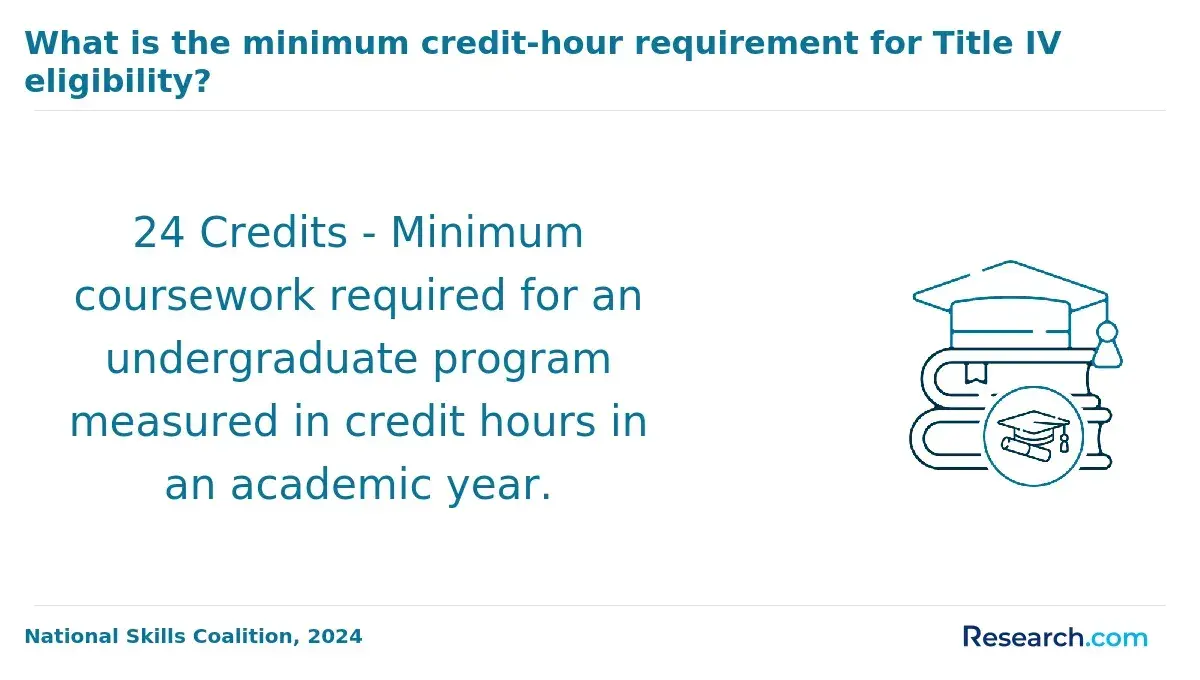
Transfer Credit Thresholds: Most programs require completion of 24 to 60 credit hours from an accredited college to qualify for admission, ensuring foundational coursework precedes advanced studies.
GPA Expectations: Admission typically demands a cumulative GPA between 2.5 and 3.0 on a 4.0 scale, although some institutions set higher standards to reflect increased competitiveness.
Required Documentation: Official transcripts from all previous institutions are a must, and some programs also request letters of recommendation, a current resume, and a personal statement detailing career goals and motivation for degree completion.
Prerequisite Coursework: Many schools expect applicants to have completed introductory courses related to engineering management or STEM fields, such as project management, statistics, or systems engineering, to prepare for advanced material.
Admission Selectivity: Open-admission options provide flexible entry by meeting basic credit and GPA requirements but may offer less academic support. Conversely, selective programs have stricter criteria, enhancing the degree's prestige but requiring more competitive applications.
Conditional Acceptance: Some institutions offer provisional admission to candidates who narrowly miss standards, often requiring additional coursework or maintaining certain grades during an initial probationary period.
Application Enhancement: Strengthening an application by completing prerequisite classes at community colleges or accredited online institutions along with highlighting relevant work experience and a compelling personal statement can improve acceptance chances.
Reflecting on her journey, a professional who completed an online engineering management bachelor's degree described the admission process as both daunting and motivating. She recalled needing to carefully gather her transcripts and craft a personal statement that emphasized her practical experience and career aspirations. Though she faced some uncertainty about meeting GPA criteria, the option for conditional admission provided a valuable safety net. "It felt like the program recognized potential beyond numbers," she noted, emphasizing that this encouragement helped her commit fully to the rigorous coursework that followed. Her experience illustrates how persistence and clear communication in the application can open doors to career advancement opportunities in engineering management.
How Long Does It Take to Complete an Online Engineering Management Bachelor's Degree Completion Program as a Working Adult?
Completion timelines for an online engineering management bachelor's degree depend largely on prior credits, enrollment intensity, and program design. Typically requiring around 120 total credits, students transferring 90 credits might finish with only about 30 credits remaining, often within one year part-time. Those transferring 30 credits face a longer journey, usually three to four years at a standard pace, while a 60-credit transfer might take about two years part-time.
- Transfer Credit Impact: Students transferring more credits can finish faster; 90-credit transfers may complete in about a year part-time, while 30-credit transfers often require three to four years at six credits per semester.
- Enrollment Pace: Part-time study at six credits per semester extends degree completion, whereas full-time accelerated enrollment of 12 or more credits can reduce this to one or two years but demands careful balance with work.
- Accelerated Terms: Many programs use eight-week sessions instead of traditional semesters, allowing students to take up to three courses per year, speeding up progress without overwhelming course loads.
- Competency-Based Progression: Some institutions offer competency-based options, letting students advance by demonstrating mastery rather than completing set hours, which benefits experienced professionals aiming to finish quickly.
- Summer Enrollment: Taking courses during summer terms offers additional credit opportunities, potentially shortening degree timelines significantly when combined with accelerated terms.
- Realistic Pacing: A typical working professional enrolling in two courses (six credits) per semester plus one summer course might expect to finish remaining credits in two to three years, balancing studies with full-time employment.
- Life Circumstances & Support: Family responsibilities, job demands, and employer tuition assistance play crucial roles in pacing studies, with flexible scheduling and reimbursement often helping students graduate sooner.
- Current Trend: Enrollment in online bachelor's degree completion programs has grown by 12% over the last two years, reflecting increased interest among working adults.
What Financial Aid, Grants, and Employer Tuition Assistance Options Are Available for Online Engineering Management Completion Students?
Adult learners completing an online engineering management bachelor's degree have access to multiple financial aid options tailored to their unique circumstances. Federal Pell Grants remain available for those demonstrating financial need, primarily for first-time bachelor's degree seekers. Federal Direct Loans also provide flexible borrowing with repayment plans adapted for working professionals.
State-funded grants and tuition assistance programs frequently target adult learners returning to higher education, though eligibility and availability vary widely by state. It's important to research local offerings early. At the institutional level, many colleges and universities provide scholarships and fellowships specifically designed for non-traditional students completing engineering management degrees, often requiring separate applications.
Employer tuition assistance programs represent a significant funding source for working students. Under IRS Section 127, employers can offer up to $5,250 annually in tax-free education benefits for undergraduate degrees. This tax advantage encourages employee development, but employees should verify their company's reimbursement policies, including any performance or employment duration requirements.
Scholarships aimed at adult learners returning to complete an engineering management degree are increasingly common, rewarding experience, career goals, and commitment to education.
How Does Per-Credit-Hour Tuition for Online Engineering Management Completion Programs Compare Across Accredited Institutions?
Data from the National Center for Education Statistics (NCES) and the Integrated Postsecondary Education Data System (IPEDS) show the national average per-credit tuition rate for online engineering management completion programs typically ranges from $350 to $550 at accredited institutions. This variation reflects differences among public, private nonprofit, and for-profit providers. Students entering with 60 transferable credits often face total tuition costs that vary significantly based on per-credit rates and total credit hour requirements.
A cost-ranked comparison of representative programs reveals:
- Institution A: $350 per credit, total program cost approximately $21,000 for 60 credits
- Institution B: $425 per credit, total program cost approximately $25,500 for 60 credits
- Institution C: $500 per credit, but requires 66 credits to complete, total cost approximately $33,000
- Institution D: $550 per credit, total cost about $33,000 for 60 credits
Ancillary fees such as technology fees ($200-$600 per semester), proctoring charges, graduation fees, and course materials add significant expenses beyond advertised tuition. These can increase total costs by an estimated 10-20%, making it essential to budget carefully.
- Average Tuition Range: Typical per-credit-hour tuition for these programs spans from $350 to $550, shaped by school type and region, influencing total financial commitment.
- Total Program Cost: Multiplying per-credit tuition by remaining credits shows wide variation. Programs requiring more than 60 credits can generate higher overall expenses despite lower rates.
- Ancillary Fees Impact: Mandatory additional fees can raise costs and should be factored into estimates when comparing accredited online engineering management completion program costs.
- Credit Hour Requirements: Verify exact credit completion needs; some programs demand 66 or more credits, which may reduce savings from lower per-credit tuition.
Working adults benefit from reviewing these factors when selecting programs. Prospective students can also explore flexible options tailored for their schedules and goals, such as programs highlighted among the best online degrees for stay at home moms.
What Prior Learning Assessment and Credit-by-Exam Options Exist in Online Engineering Management Degree Completion Programs?
Prior learning assessment (PLA) options enable working adults to leverage their existing knowledge and professional experiences to earn academic credit and accelerate completion of an online engineering management bachelor's degree. Many programs accept credit-by-exam opportunities such as CLEP and DSST exams, which test foundational knowledge in subjects relevant to engineering management curriculum. Additionally, portfolio assessments allow students to present documented work samples, certifications, and detailed reflections that demonstrate competencies aligned with course outcomes.
Transfer-friendly programs generally accept up to 30-45 credits through PLA, with some institutions offering even broader policies. Military veterans and individuals engaged in corporate training benefit from credit evaluations facilitated by the American Council on Education (ACE), which reviews military training and workplace learning to recommend college credit. This system is widely recognized across accredited institutions and supports degree completion pathways tailored for adult learners.
Top-ranked online engineering management degree completion programs typically emphasize these PLA options, supporting diverse learners such as community college transfer students and mid-career professionals. Prospective students interested in efficient pathways may also explore cheap online interdisciplinary studies degree options, which sometimes feature similar credit transfer flexibility and affordable pricing.
Understanding and utilizing prior learning assessment options for online engineering management bachelor's programs is essential for working adults who aim to capitalize on their existing credentials and experiences while efficiently completing their degrees. This approach aligns with credit-by-exam opportunities in engineering management degree completion for working adults, making it easier to balance education with ongoing career demands.
How Do Asynchronous Schedules in Online Engineering Management Programs Accommodate Full-Time Working Professionals?
- Fully Asynchronous Format: Online engineering management completion programs using fully asynchronous delivery let students access lectures, assignments, and exams anytime, suiting varied work schedules and time zones. This flexibility benefits shift workers and caregivers by removing fixed meeting times.
- Synchronous and Hybrid Options: Synchronous and hybrid formats include live sessions or scheduled group activities offering real-time interaction but require availability at specific times. While fostering peer engagement, they may challenge those with irregular hours or travel commitments.
- Eight-Week Terms: Many institutions adopt eight-week course terms, enabling learners to concentrate on fewer classes simultaneously. This structure simplifies balancing coursework with full-time employment and personal responsibilities.
- Assignments and Discussions: Discussion boards and project submissions are typically asynchronous, permitting thoughtful participation within set deadlines. This design encourages deep engagement without the pressure of simultaneous attendance.
- Time Management Strategies: Successful online learners frequently use digital calendars, task management apps, and dedicated study blocks to stay organized. Prioritizing tasks and setting reminders help accommodate coursework amid professional duties.
- Digital Tools: Platforms like learning management systems, video conferencing, and collaboration apps support interaction and resource access. Mastery of these tools enhances efficiency and communication in online engineering management studies.
What Concentrations and Career Tracks Are Available Within Online Engineering Management Degree Completion Programs?
Most online engineering management bachelor's degree completion programs incorporate concentration tracks within the standard 120-credit curriculum, avoiding added coursework that could extend completion time or increase expenses.
- Project Management: Focuses on resource coordination, scheduling, and risk mitigation to prepare graduates for leadership roles managing engineering projects. Many pursue PMP certification, complementing median annual salaries near $95,000 reported by the BLS.
- Quality Assurance & Control: Emphasizes compliance, process optimization, and quality systems relevant to quality engineer or auditor roles. Certifications like Six Sigma or ASQ are common, with typical salaries ranging from $70,000 to $90,000.
- Systems Engineering: Centers on systems integration and design optimization for industries such as aerospace and manufacturing. Graduates often seek INCOSE certification, aligning with median earnings around $92,000.
- Supply Chain & Logistics Management: Covers procurement, distribution, and inventory management for production supply chains. Positions command $75,000 to $100,000 annually and benefit from certifications like CPIM.
Since concentrations fit within existing degree requirements, prospective students should verify transfer credit policies and prior learning recognitions at their chosen institution. Aligning career interests with recognized certifications and labor market demand ensures a concentration supports both timely graduation and improved employment opportunities.
What Graduates Say About Online Engineering Management Bachelor's Degree Completion Programs for Working Adults
- Apollo: "Choosing a program with strong accreditation standards gave me confidence that my degree would be respected by employers nationwide. The clear structure of the online engineering management coursework fit perfectly into my busy schedule, allowing me to advance without pause. I also really appreciated how transparent the transfer credit policies made completing my degree faster and more affordable."
- Aldo: "Reflecting on my journey, the generous prior learning options allowed me to apply what I'd already mastered, making the path to completion more efficient. The tuition model was straightforward, which helped me budget carefully throughout the program. Most importantly, the career outcomes I've seen since graduating prove just how valuable this degree is in climbing the professional ladder in engineering management."
- Micah: "What stood out most was the program's commitment to rigorous accreditation, aligning with industry expectations and ensuring quality education. I found the transfer credit policies incredibly helpful-they recognized my previous coursework and minimized redundant classes. The focus on employer-relevant skills meant my transition to leadership roles was smooth and accelerated my career growth in engineering management."
Other Things You Should Know About Engineering Management Degrees
In 2027, online bachelor's degrees in engineering management gained through completion programs are continually gaining acceptance from employers and grad schools. Graduates are evaluated on skills and competencies, rather than the method of degree acquisition. It's essential to choose accredited programs to ensure quality and recognition.
Online engineering management completion programs typically offer tailored academic advising to help working adults navigate transfer credits and course selection. Many programs provide virtual tutoring, technical support, and access to online libraries. Career services often include resume reviews, interview preparation, and networking opportunities specific to engineering management fields to support job advancement or transition.
Most online engineering management bachelor’s completion programs accept 60 to 90 transfer credits, and many require at least 30 credits earned at the degree-granting institution. Schools usually cap the total transferred credits and may evaluate only courses with a C grade or higher.
References
- Financing your Master's of Engineering, Gonzaga University | Gonzaga University https://www.gonzaga.edu/school-of-engineering-applied-science/graduate/mem/financing
- Online Bachelor's in Engineering Management Degrees https://www.onlineengineeringprograms.com/management/online-bachelors-engineering-management
- Engineering Management Technology (BS) https://www.uagrantham.edu/online-degrees/engineering-management-technology-bachelors/
- Everything You Wanted to Know About Degree Completion Programs for Adults https://explore.neumann.edu/everything-you-wanted-to-know-about-degree-completion-programs-for-adults
- How is Engineering Management Different from Management in General? https://online.uottawa.ca/blog/engineering-management-vs-management-how-engineering-management-different-management-general
- Costs & Financial Assistance https://www.colorado.edu/emp/graduate-programs/costs-financial-assistance
- Everything You Need to Know About Online Engineering Programs https://www.nu.edu/blog/everything-you-need-to-know-about-online-engineering-programs/
- American Society for Engineering Management https://asem.org/blog/13350721
- Prior Learning Assessment https://mus.edu/pla/
- Best Online Master’s Programs in Engineering Management https://www.onlinemastersdegrees.org/best-programs/engineering/engineering-management/