2027 Self-Paced Online Engineering Management Bachelor's Degree Programs

Co-Founder and Chief Data Scientist
Professionals with degrees outside engineering often face challenges when seeking leadership roles in technical fields. Transitioning into engineering management requires both technical knowledge and management skills, which traditional programs may not offer flexibly.
Self-paced online engineering management bachelor's degree programs address this gap, accommodating work schedules and diverse educational backgrounds. According to recent data, 45% of online learners enrolled in engineering management programs balance full-time employment while studying. This article explores these self-paced programs, detailing how they enable career pivots and equip learners with essential competencies needed to excel in technical leadership roles.
Key Benefits of Self-Paced Online Engineering Management Bachelor's Degree Programs
- Self-paced online engineering management bachelor's degrees offer working professionals unmatched flexibility, allowing study around work schedules without fixed class times.
- Accelerated skill acquisition is possible through competency-based models, enabling students to progress upon mastery rather than seat time, shortening time to degree completion.
- These programs provide cost-effective learning pathways-often featuring transfer credit options and prior learning assessments-that reduce tuition expenses while leading to accredited, career-advancing credentials.
What Are Self-Paced Online Engineering Management Bachelor's Degree Programs, and How Do They Differ From Traditional Online Formats?
Self-paced learning in online higher education grants students the autonomy to advance through coursework independently, rather than following cohort-based or asynchronous scheduled formats. These self-paced online engineering management bachelor programs provide open enrollment and milestone-based progression, differing significantly from traditional online programs that rely on fixed start dates and weekly deadlines.
Key features include flexible deadlines centered on competency mastery instead of calendar-driven schedules. Students must demonstrate subject proficiency before moving ahead, aligning with competency-based education models focused on skill acquisition rather than time spent in lectures.
These programs frequently accommodate transfer credit policies and prior learning assessments, empowering learners to accelerate degree completion.
- Open Enrollment: Admission is year-round, allowing immediate access without waiting for semesters, which is ideal for busy professionals and non-traditional students.
- Flexible Timelines: Learners control their pace, accelerating or pausing progress to balance career, family, or other responsibilities, unlike rigid traditional course timelines.
- Milestone-Based Progression: Students progress by completing assessments and projects to confirm mastery, ensuring deeper understanding beyond mere attendance.
- Time Management Differences: Without cohort deadlines, self-paced students need strong self-discipline, while traditional formats provide consistent weekly schedules facilitating steady study routines.
- Faculty Interaction: Interaction with instructors tends to be less frequent and asynchronous in self-paced programs, contrasting with scheduled live sessions typical of conventional online courses.
- Student Accountability: Success depends more on internal motivation, often supported by automated reminders and progress tracking tools not always present in traditional models.
This structure best serves those requiring maximal flexibility, such as working professionals or those balancing multiple commitments. The rising appeal of these degrees in engineering management reflects the shift toward learner-centered, competency-based approaches. Prospective students should consider financial aid availability and institutional accreditation when exploring options.
For additional guidance on accelerated graduate education paths, consider reviewing one year masters programs online which complement self-paced undergraduate curricula at many institutions.
Which Accredited Institutions Offer Self-Paced Online Engineering Management Bachelor's Degree Programs?
Several regionally accredited institutions in the United States offer self-paced online engineering management bachelor's degree programs tailored for working professionals and non-traditional students seeking maximum flexibility. These programs often utilize competency-based education models-allowing learners to progress as they master specific skills-thereby potentially reducing overall completion times.
Accreditation by regional bodies also ensures program quality and eligibility for federal financial aid, critical factors when selecting a program.
- Western Governors University: This university offers a competency-based engineering management degree with a flat-rate tuition model charged per six-month subscription term. Accredited by the Northwest Commission on Colleges and Universities, WGU enables students to complete courses as rapidly as they demonstrate competency. Average completion time ranges between two and three years, depending on individual pacing.
- Southern New Hampshire University: SNHU provides a traditional per-credit online bachelor's in engineering management. Regionally accredited by the New England Commission of Higher Education, it supports transfer credits and prior learning assessments to accelerate degree completion. Most students finish within four years but can expedite graduation by maintaining full-time study.
- Capella University: Featuring the FlexPath competency-based learning format, Capella charges subscription tuition per six-month term for its self-paced online bachelor's program in engineering management. Accredited by the Higher Learning Commission, learners can complete unlimited courses per term, with an average finish time of about three years.
- Bellevue University: Combines competency-based and traditional approaches in its flexible online engineering management bachelor's degree. Also accredited by the Higher Learning Commission, Bellevue uses a per-credit tuition structure, generous transfer credit policies, and credits for prior learning, often allowing completion in under four years.
- Kansas State University Global Campus: Offers a competency-based engineering management degree online with tuition charged per credit hour and accreditation through the Higher Learning Commission. This program emphasizes personalized pacing and transfer credit options, with usual completion times between three and four years based on prior experience.
These top accredited universities with flexible self-paced online engineering management bachelor's degrees illustrate the growing options for learners balancing career and personal commitments. Students should carefully compare tuition models, transfer policies, and typical program lengths to choose the best fit for their goals.
Those interested in advanced leadership education may also explore programs such as an organizational leadership PhD for further career advancement opportunities.
2026 Update: Project-Based Learning and Student Support Checks
For 2026, this section adds a closer look at how self-paced engineering management programs support hands-on learning, collaboration, and career-ready leadership skills beyond basic course completion.
- Whether courses include applied projects tied to operations, systems, quality, or technical team management.
- How group work is handled in a self-paced format, especially if classmates move through courses at different speeds.
- Whether students can use workplace problems for assignments, case studies, or a final capstone project.
- What access is provided to faculty, tutors, writing help, and technical support during evenings or weekends.
- Which software, simulation tools, or project management platforms students must use, and whether access is included.
- How career services help students present engineering management projects in resumes, portfolios, or promotion discussions.
Checking these details helps students choose a program that is not only flexible, but also practical for building leadership skills they can apply at work.
How Long Does It Take to Complete a Self-Paced Online Engineering Management Bachelor's Degree?
Completion times for self-paced online engineering management bachelor's degrees can vary widely-some finish within 18 months, but most take between three and four years. This flexibility accommodates diverse student needs while still aligning broadly with traditional degree timelines.
- Prior Credits: Transferring previously earned college credits can significantly reduce the time needed by allowing students to skip foundational coursework and focus on their major.
- Transfer Coursework: Acceptance of transfer credits from accredited institutions benefits those with associate degrees or some college experience, accelerating degree completion and cutting expenses.
- Weekly Hours Invested: The pace depends heavily on how many hours learners dedicate weekly; more time means faster progress, while juggling work and family often extends the timeline.
- Prior Learning Assessments: Competency-based evaluations or portfolio reviews can grant credit for professional experience and knowledge, shortening degree duration.
- Average Time Benchmarks: Data from the U.S. Department of Education's NCES indicates that part-time students typically take about six years to earn a bachelor's, making self-paced programs potentially quicker depending on course load and credits transferred.
- Realistic Scheduling: Creating a manageable, personalized study routine aligned with individual commitments encourages steady progress and helps prevent burnout.
- Support Services: Institutional resources such as advising, tutoring, and time management workshops assist students in staying on track and overcoming challenges.
A professional who pursued a self-paced online engineering management bachelor's degree recounted that balancing coursework with a full-time job often tested his time management skills. He noted, "It wasn't just about dedicating hours but knowing when to rest to avoid burnout." He appreciated the flexibility to accelerate during lighter work periods and slow down when life demanded it.
Support services like academic advising and time management workshops proved invaluable for maintaining momentum, especially during stressful stretches. He remarked that the ability to earn credit for his prior work experience made the program feel more relevant and efficiently paced, ultimately helping him achieve his degree without stepping away from his career.
What Are the Admission Requirements for Self-Paced Online Engineering Management Bachelor's Degree Programs?
Most self-paced online bachelor's degree programs require applicants to hold a high school diploma or GED, ensuring foundational academic preparedness. Many schools ask for a minimum GPA, typically between 2.0 and 3.0 on a 4.0 scale, though some programs have no strict GPA requirement, especially those with open-enrollment or rolling-admission policies that ease access for non-traditional and returning students.
These relaxed eligibility criteria for self-paced online degrees expand opportunities for a diverse student population.
High School Diploma or GED: Candidates typically need a high school diploma or equivalent, such as a GED, to demonstrate foundational academic skills essential for college-level work in online engineering management bachelor's degree admission criteria.
Minimum GPA Expectations: While GPA requirements vary, many programs set a minimum cumulative GPA around 2.5 to 3.0. Some self-paced programs emphasize demonstrated competency over formal grades, offering flexibility to those without traditional academic records.
Prerequisite Coursework: Certain programs request prior completion of introductory math, science, or basic engineering classes to prepare students for technical material. This is more common among selective programs with rigorous standards.
Open-Enrollment and Rolling Admission: Many self-paced programs reduce barriers through open enrollment or rolling admissions, allowing continuous applications and immediate course starts. These policies benefit non-traditional students balancing education with other responsibilities.
Selective vs. Open-Access Programs: Selective programs often provide academic support like advising and tutoring to meet higher eligibility requirements for self-paced engineering management programs, whereas open-access options prioritize inclusivity but expect greater learner initiative.
Application Strengthening Tips: Applicants lacking minimum GPAs or prerequisites can enhance their candidacy by submitting strong personal statements, relevant work experience, or completing foundational courses at community colleges. Prior learning assessments and portfolios may also improve acceptance chances.
Additional Resources: Prospective students looking for related flexible programs might explore fast track paralegal programs as an example of accessible online education paths.
How Much Does a Self-Paced Online Engineering Management Bachelor's Degree Cost, and What Affects Tuition?
Costs for self-paced online engineering management bachelor's degrees vary depending on how an institution structures its fees. Many schools charge tuition per credit, usually between $300 and $600, with a full degree requiring about 120 credits. This means total tuition could range roughly from $36,000 to $72,000.
Alternatively, some programs offer subscription pricing, allowing unlimited course access during a fixed period, commonly six or twelve months, encouraging faster completion and sometimes lowering overall expenses.
Several institutions bundle tuition with technology and course material fees into one payment to simplify budgeting, though these bundled fees can increase upfront costs. Additional charges often emerge from proctoring exams, specialized software, textbooks, and lab supplies, which can add hundreds or even thousands of dollars to the total price.
- Per-Credit Tuition: Costs depend on the number of credits taken, so faster progress or transfer credits can reduce total spending.
- Subscription Models: Flat fees for unlimited courses over a set timeframe provide incentives to accelerate completion and save money.
- Bundled Fees: Combining different expenses into one payment eases budgeting but may raise initial costs.
- Hidden Costs: Extra fees for proctoring, software licenses, and materials often increase overall program expenses.
- Completion Pacing: Quick finishers benefit most from subscription pricing, while slower pacing can inflate total tuition when paying per credit.
One professional who completed her degree through a self-paced online program shared that balancing work and study was a constant challenge. She explained how the subscription model motivated her to plan coursework aggressively-"I knew that finishing faster would save me money and keep me focused."
Though unexpected fees for software and exam proctoring occasionally added stress, she found that carefully tracking these costs made budgeting manageable. Reflecting on her experience, she said, "Despite the hurdles, having control over my pace and expenses was empowering and played a big role in my career growth."
What Financial Aid Options Are Available for Self-Paced Online Engineering Management Bachelor's Programs?
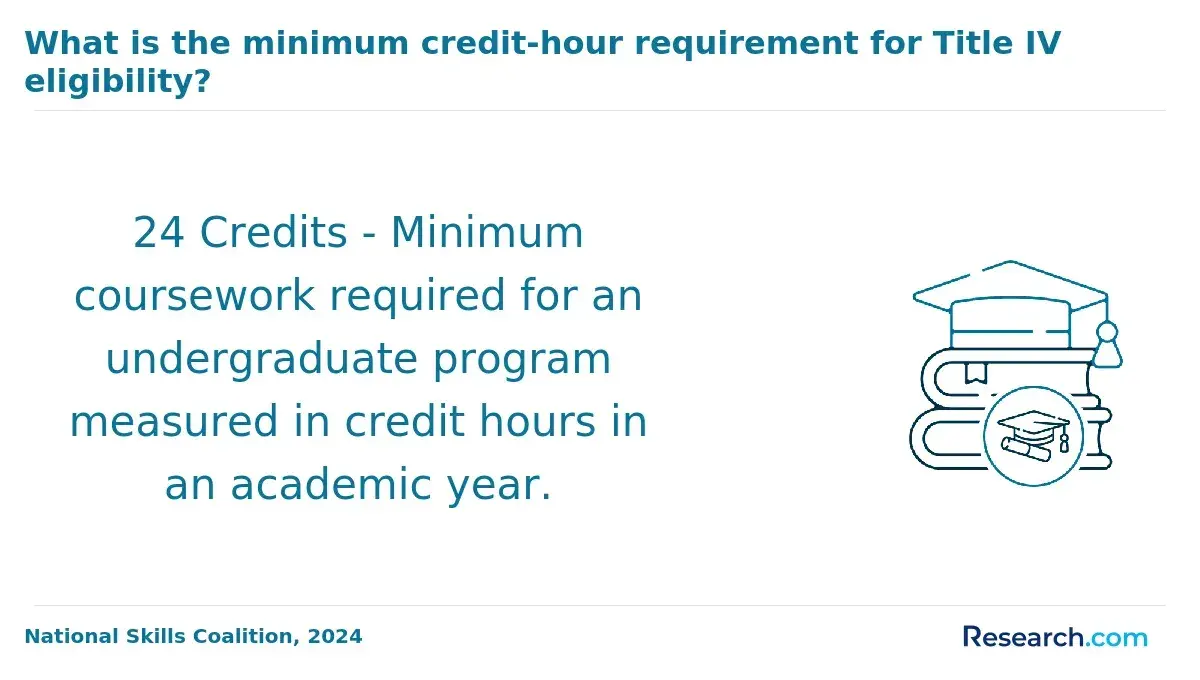
Financial support for self-paced online engineering management bachelor's degrees comes from federal, state, and institutional sources designed to accommodate these flexible formats. While FAFSA remains the primary gateway to federal aid, students in competency-based education (CBE) programs must be aware of additional eligibility rules related to credit-hour tracking, which can impact qualification for federal loans and grants.
Verifying these details with the school's financial aid office beforehand is strongly recommended to avoid surprises during enrollment.
State-sponsored grants and scholarships often extend to distance learners, but eligibility criteria vary widely. Many states allocate funds specifically for residents pursuing engineering or technology disciplines online. Colleges frequently supplement this with institutional scholarships or grants based on academic merit, financial need, or program-specific initiatives.
Industry-aligned programs sometimes offer scholarships through partnerships with professional organizations.
Professional associations, such as the American Society for Engineering Management (ASEM), provide targeted scholarships and awards for students committed to advancing in this specialized field. These opportunities reward academic excellence and professional engagement, further easing the financial burden.
According to the College Board's latest Trends in Student Aid report, grant awards have steadily increased, with nearly 70% of undergraduates receiving such aid. However, the self-paced nature of these programs may affect the timing of disbursements, making it vital for students to plan carefully and confirm funding schedules with financial offices.
- Federal Aid Eligibility: FAFSA remains essential, but competency-based programs may require students to meet specific credit-hour benchmarks to qualify for federal financial aid.
- State and Institutional Support: Many states offer grants for online learners in engineering fields, supplemented by institutional scholarships tailored to this student population.
- Disbursement Timing: Self-paced formats can cause variations in when funds are released; verifying timelines is crucial to prevent funding gaps.
- Professional Scholarships: Associations like ASEM provide discipline-specific awards encouraging academic achievement and professional growth.
- Growing Grant Aid: Average grant amounts have increased, benefiting approximately 70% of undergraduates, reflecting broader accessibility to financial assistance.
How Do Competency-Based Education (CBE) Models Work in Self-Paced Online Engineering Management Programs?
Competency-based education (CBE) programs in self-paced online Engineering Management bachelor's degrees emphasize mastery of specific skills rather than traditional credit-hour accumulation. Students demonstrate competency through assessments such as projects, exams, or practical assignments aligned with real-world Engineering Management challenges.
These assessments replace fixed classroom hours, allowing learners to progress at their own pace-advancing quickly when ready or spending more time if needed.
For financial aid and transcript purposes, many CBE programs convert mastered competencies into equivalent credit hours. This enables eligibility for federal aid, similar to traditional programs. However, there are two key CBE delivery types: direct assessment programs that measure competencies independently of credit hours, and credit-hour-equivalent programs that map competencies to credit units.
The latter often offer smoother credit transfer and a more familiar transcript structure.
Leading examples include the University of Wisconsin Flexible Option, which utilizes mastery-based assessments alongside dedicated faculty coaches for personalized support. Western Governors University offers competency-driven curricula with strong employer recognition and regular mentor feedback. These models emphasize practical application and industry relevance, enhancing graduate employability.
Success in CBE demands self-discipline, strong motivation, and excellent time management, as students must guide their own learning without fixed schedules. Prospective students should confirm program accreditation, assessment methods, and faculty access to ensure a good fit.
According to the National Center for Education Statistics, enrollment in competency-based education programs increased by 20% between 2019 and 2023, reflecting growing demand for flexible, skills-focused learning paths.
- Mastery Over Time: Students progress by demonstrating competency through assessments rather than logging classroom hours, allowing individualized pacing based on readiness.
- Credit and Aid Alignment: CBE credits often convert to federal aid-eligible hours, though direct assessment models differ from credit-hour-based ones in progress measurement and reporting.
- Program Examples: The University of Wisconsin Flexible Option and Western Governors University provide robust self-paced Engineering Management degrees with faculty coaching and strong employer recognition.
- Self-Discipline Required: Learners need high motivation and time-management skills due to the autonomous nature of pacing and study.
- Growing Popularity: A 20% increase in CBE enrollment over recent years highlights expanding acceptance of competency-focused education among diverse learners.
What Accreditation Should a Self-Paced Online Engineering Management Bachelor's Program Hold?
Accreditation is vital for self-paced online engineering management bachelor's programs, with regional accreditation carrying more weight among employers and graduate schools than national accreditation. Regional accreditation is widely respected for upholding rigorous academic standards, making degrees more transferable and valued in competitive job markets.
The six regional accrediting bodies recognized by the U.S. Department of Education are the Middle States Commission on Higher Education (MSCHE), New England Commission of Higher Education (NECHE), Higher Learning Commission (HLC), Northwest Commission on Colleges and Universities (NWCCU), Southern Association of Colleges and Schools Commission on Colleges (SACSCOC), and WASC Senior College and University Commission (WSCUC).
Some self-paced engineering management programs also hold programmatic accreditation-such as from ABET-which provides additional assurance of meeting industry technical standards, although this is less common for management-focused degrees. Choosing a nationally accredited or non-accredited program involves risks including limited credit transferability to regionally accredited schools and potential barriers to career advancement within engineering management sectors.
Prospective students should verify accreditation status using resources like the U.S. Department of Education's accreditation database and the Council for Higher Education Accreditation (CHEA) directory. Taking these steps helps avoid enrolling in programs that could undermine educational investments and career goals, especially for those seeking flexible, quality learning options.
For professionals comparing options, exploring programs such as best online MBA programs no GMAT reveals alternatives that blend flexibility with strong accreditation.
- Regional Accreditation: Recognized as the highest standard, regional accreditation ensures academic quality and is preferred by employers and graduate schools recruiting engineering management graduates.
- National Accreditation: Typically applies to vocational or specialized institutions but may hinder credit transfer and limit employer recognition within engineering management careers.
- Six Regional Accrediting Bodies: MSCHE, NECHE, HLC, NWCCU, SACSCOC, and WSCUC maintain educational quality across U.S. regions and validate institution credibility.
- Programmatic Accreditation: Accreditation from bodies like ABET signifies adherence to technical industry standards and can enhance employability in engineering management roles.
- Risks of Low Accreditation: Enrolling in non-accredited or nationally accredited programs risks reduced credit transfer options and challenges in advancing competitively in engineering management professions.
- Verification Resources: Utilizing the U.S. Department of Education and CHEA databases ensures current and accurate accreditation information before applying to programs.
How Many Transfer Credits Can Be Applied Toward a Self-Paced Online Engineering Management Bachelor's Degree?
Transfer credit policies for self-paced online engineering management bachelor's degree programs vary widely but many institutions offer generous recognition of prior academic work and military training. To maximize transferable credits toward online engineering management bachelor's degree requirements, students should carefully examine individual program guidelines and articulation agreements before enrolling.
Transfer evaluations typically verify transcript authenticity, course equivalency, and minimum grade thresholds to determine applicable credits.
Several programs accept up to 90 transfer credits-significantly reducing course loads and accelerating completion. Military training credits, often awarded based on American Council on Education (ACE) recommendations, allow veterans to translate their experience into academic credits. Additionally, many institutions maintain formal articulation agreements with community colleges, facilitating easy transfer of associate degrees or relevant coursework into engineering management programs.
Prospective students can explore details on transfer policies, including these agreements, through official transfer credit pages or articulation databases. For example, pathways from a associate degree online can streamline entry into bachelor's programs.
Requesting a transfer credit evaluation early in the admissions process is crucial. Such an evaluation clarifies how many credits will be accepted, helping students accurately estimate remaining credit hours and overall tuition costs.
- Credit Limits: Many programs accept up to 90 transfer credits, allowing students with substantial prior coursework to finish faster.
- Military Training Recognition: ACE credit evaluations help veterans convert military service into transferable academic credits.
- Community College Agreements: Formal articulation agreements simplify transferring credits from partner community colleges.
- Evaluation Process: Transfer credits undergo thorough review to ensure authenticity and alignment with degree requirements.
- Early Evaluation Recommended: Securing a transfer credit assessment before enrollment helps clarify true academic workload and financial commitment.
Can Students Earn Credit Through Prior Learning Assessment in Self-Paced Online Engineering Management Programs?
Prior Learning Assessment (PLA) enables self-paced engineering management students to earn academic credit for professional experience, military training, industry certifications, and independent study. Credit is granted by demonstrating knowledge through portfolio submissions, challenge exams, or standardized tests such as CLEP and DSST.
This approach supports learners-especially military personnel and working adults-by reducing time and financial investment in degree completion.
Affordable online programs with flexible PLA options include Southern New Hampshire University, Capella University, and Western Governors University. These schools typically accept up to 30 to 45 semester hours for prior learning credits. Applicants must provide thorough documentation-resumes, certification transcripts, and proof of competencies aligned with course goals-to qualify.
Many institutions follow the American Council on Education's (ACE) credit recommendation framework, which validates various types of prior learning and bolsters PLA's reliability.
Effective documentation is critical. Portfolios should clearly connect prior learning to specific course outcomes and include detailed narratives alongside verifiable evidence. This enhances the likelihood of maximum credit approval.
Recent data indicates over 60% of adult learners in STEM and management fields use PLA to accelerate their graduation timelines, highlighting its growing importance in online education.
- Flexible Credit Recognition: PLA accepts multiple learning formats, including exams and military training, enabling diverse learners to convert experience into credit.
- Leading Program Policies: Top affordable programs grant between 30 and 45 semester hours of PLA credit, significantly shortening degree paths.
- ACE Validation: The American Council on Education's system ensures professional and military credentials are equated with college credit.
- Comprehensive Documentation: A detailed portfolio mapping experience to course objectives is essential for maximizing credit awards.
- Widespread Adoption: More than 60% of online STEM and management students leverage PLA to expedite degree completion.
What Concentrations or Specializations Are Available in Self-Paced Online Engineering Management Bachelor's Programs?
Self-paced online bachelor’s degree programs often offer a range of concentrations or specializations that allow students to tailor their studies to specific career goals or industry interests. These options help learners build focused expertise while gaining the broader knowledge and skills associated with a bachelor’s-level education.
Project Management: This concentration focuses on mastering the lifecycle of engineering projects, including planning, execution, and closure. Graduates often enter roles such as project managers or coordinators, earning median salaries near $77,000 per year according to BLS data. Some careers may require certifications like PMP, which supplement but do not replace the degree.
Quality Assurance and Control: Emphasizing the improvement and maintenance of engineering standards, this track prepares students for positions as quality engineers or analysts. Median annual wages are around $73,000, with certifications such as Six Sigma or ASQ sometimes needed to enhance job prospects.
Supply Chain and Logistics: Concentrating on effective materials management and distribution within manufacturing or technology sectors, graduates pursue roles like supply chain managers. Median salaries approximate $76,000, and professional certifications like APICS CPIM often add value in this field.
Industrial Engineering Management: This specialization is centered on optimizing production processes and workforce efficiency. Career paths include industrial production managers, with median earnings close to $108,000. While additional licensure is rarely required, hands-on experience significantly boosts employability.
Systems Engineering: Integrating technical and managerial expertise, this track suits those overseeing complex engineering projects. Systems engineers and analysts earn median wages near $97,000, and practical experience through internships or co-ops is highly recommended though not mandatory.
Choosing a concentration aligned with both individual interests and job market demand can affect program length-some tracks require more intensive coursework or certifications, potentially extending study time. Selecting a well-matched specialization may also speed degree completion due to overlapping prior knowledge or skills.
What Graduates Say About Self-Paced Online Engineering Management Bachelor's Degree Programs
- Apollo: "Choosing a self-paced online engineering management program allowed me the flexibility I needed while working full time. The affordable tuition was a major factor since I wanted to avoid debt while still gaining solid credentials. Completing the degree boosted my confidence and opened doors to leadership roles I never thought possible."
- Aldo: "Reflecting on my decision, the cost-effectiveness of the self-paced format made this engineering management bachelor's degree accessible without sacrificing quality. Balancing work and study at my own speed helped me develop essential time management skills. Today, I lead projects with greater authority and strategic insight, thanks to what I learned."
- Micah: "I pursued engineering management online to advance my career while maintaining control over my schedule-this self-paced program was perfect for that. The reasonable cost was a relief compared to traditional options, making it easier to invest in my future. Since graduating, I've secured a management position that values my practical knowledge and proactive approach."
Other Things You Should Know About Engineering Management Degrees
Evaluating ROI for a self-paced online engineering management degree involves considering factors like upfront tuition costs, potential salary increases, and career advancement opportunities. Online programs typically offer lower expenses than traditional ones, appealing to budget-conscious students, yet ROI varies based on individual career goals.
These programs support working adults and non-traditional students by offering flexible course schedules that allow learners to proceed at their own pace. They often provide asynchronous classes so students can study outside of typical office hours. Additionally, many programs allow transfer credits and recognize prior learning, which can shorten time to degree completion. Academic advising and career services tailored to adult learners are commonly available to help balance education with work and family commitments.
Graduates with a self-paced online bachelor's degree in engineering management typically pursue roles such as project managers, operations managers, or engineering supervisors in manufacturing, construction, and technology sectors. The degree equips them with leadership and technical skills to manage engineering projects and teams effectively. According to national salary data, entry-level positions often start around $65,000 annually, with mid-career professionals earning over $90,000, depending on experience and location.
References
- Picture an Online Degree at Your Own Pace https://www.snhu.edu/about-us/newsroom/education/picture-an-online-degree-at-your-own-pace
- Find Accredited Programs https://accreditation.org/find-accredited-programs/university-search
- Self-Paced Learning: What to Expect From a CBE Program https://www.umassglobal.edu/blog-news/self-paced-learning-expect-a-cbe-program
- Online Engineering Management Programs | National University https://www.nationaluniversityonline.com/engineering-management/landing
- General Engineering Transfer Pathway https://catalog.monroeccc.edu/preview_program.php
- Question: How long did it take for you to get your degrees to become an engineer? https://archive.imanengineer.org.uk/energyj15-zone/question/how-long-did-it-take-for-you-to-get-your-degrees-to-become-an-engineer/index.html
- The Types of Degree Programs offered by an Online Engineering School? - Answers https://www.answers.com/engineering/the_types_of_degree_programs_offered_by_an_online_engineering_school
- Why Pursue an Online Engineering Management Degree? https://engineeringmanagement.org/online-engineering-management-degree/
- A Glance At Different Online Degrees Options - The Engineering Field https://www.papublishing.com/a-glance-at-different-online-degrees-options-the-engineering-field/