2027 Hybrid vs Fully Online Engineering Management Bachelor's Degree Programs

Co-Founder and Chief Data Scientist
Facing a busy work schedule alongside family commitments, a student considers whether to attend a hybrid engineering management bachelor's degree program, which requires occasional campus presence, or opt for a fully online option that offers total flexibility. The tension arises between the convenience of logging in from any location and the potential benefits of hands-on learning and direct networking available through hybrid formats.
With 64% of employers preferring graduates with some in-person experience, deciding which mode suits one's professional goals and lifestyle becomes crucial. This article explores the key factors influencing the choice between hybrid and fully online engineering management programs to guide prospective students.
Key Benefits of Hybrid vs Fully Online Engineering Management Bachelor's Degree Programs
- Hybrid programs offer occasional in-person sessions, enhancing networking and hands-on learning compared to fully online formats, which rely solely on virtual interaction.
- Fully online programs provide greater scheduling flexibility, ideal for students balancing diverse professional and personal commitments without commuting.
- Hybrid formats better support experiential learning and direct faculty engagement, while fully online degrees accommodate those needing maximum adaptability amid evolving work environments.
What Is a Hybrid vs Fully Online Engineering Management Bachelor's Degree?
Hybrid and fully online engineering management bachelor's degree programs differ primarily in delivery methods, levels of in-person interaction, and overall learning structure. Nearly 75% of higher education students have experienced at least one online course, reflecting the rise in popularity of remote learning options. Both formats offer unique approaches to meet various student needs and circumstances. Below is a closer look at how hybrid and fully online programs compare.
Hybrid Programs
- Course delivery blends asynchronous online content with scheduled, mandatory on-campus sessions or labs for hands-on learning.
- Students must coordinate their schedules to attend specific in-person meetings alongside flexible online work periods.
- Face-to-face interaction enhances networking opportunities and provides immediate feedback from professors and peers.
- Learning often includes group activities, labs, and direct engagement that support practical skill development.
Fully Online Programs
- All coursework and lectures are delivered via digital platforms without any required campus visits.
- Students have greater control over managing their time and progress, following a largely self-paced schedule.
- Interaction occurs through virtual tools such as discussion boards, video chats, and online collaboration software.
- The focus is on independent study supported by digital collaboration techniques suited for remote learners.
A closer comparison of the differences between hybrid and fully online engineering management bachelor's degrees reveals the structured learning formats catered to diverse student preferences. For those exploring flexible degree options, numerous resources detail compatible courses such as BCBA programs online, illustrating the expanding landscape of hybrid and online education models.
How Does a Hybrid vs Fully Online Engineering Management Bachelor's Degree Program Work?
Both hybrid and fully online engineering management bachelor's degree programs follow structured academic pathways to develop core skills in managing engineering projects and teams. However, they differ notably in how coursework is delivered and the ways students interact with instructors and peers. According to the National Center for Education Statistics, over 45% of higher education students now engage in some form of online learning, reflecting the rise of flexible program formats. Below is a comparison highlighting the distinct structures of hybrid and fully online programs, focusing on delivery and communication methods.
Hybrid Programs
- On-campus classes are scheduled for labs, group projects, or exams, usually held once a week or biweekly.
- Online modules allow students to access lectures and complete assignments asynchronously at their convenience.
- Live or recorded video sessions support remote lectures and virtual office hours.
- Discussion boards and group activities are facilitated both in person and online to encourage interaction.
- Communication uses email, learning management platforms, and occasional face-to-face meetings with faculty.
Fully Online Programs
- All coursework and interactions happen via digital platforms, eliminating any in-person attendance requirements.
- Pre-recorded video lectures are available 24/7, supporting self-paced study within set deadlines.
- Live webinars or virtual classrooms provide real-time discussions and presentations.
- Online forums, group chats, and collaborative tools foster peer engagement and project collaboration.
- Regular communication occurs through email, messaging apps, and virtual office hours with instructors.
Students considering the hybrid engineering management program structure or the fully online engineering management degree delivery can explore options to fit their educational preferences. For those interested in exploring flexible academic pathways, the most affordable online MLIS programs offer a comparable model of online learning that highlights the growing demand for digital education solutions.
Are Admission Requirements Different for Hybrid and Fully Online Engineering Management Bachelor's Degrees?
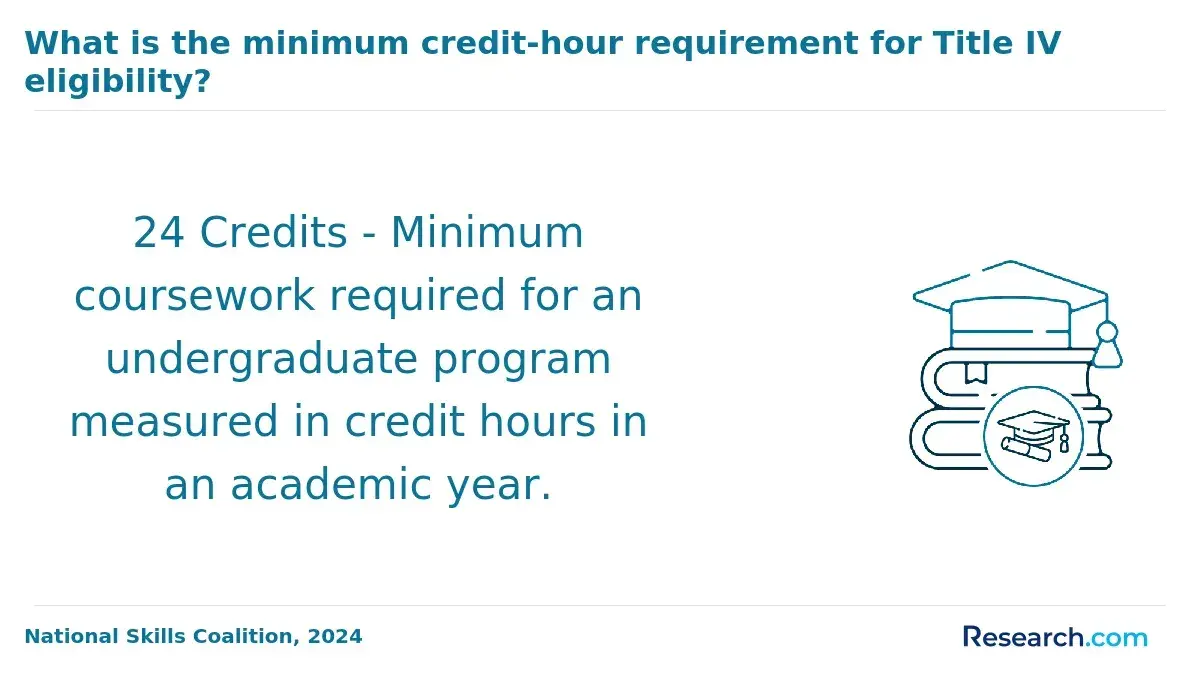
Admission criteria for hybrid and fully online engineering management bachelor's degrees usually align closely but can show subtle variations based on the program's design and the institution's guidelines. Both types generally expect academic credentials like a high school diploma or its equivalent and may require foundational courses in math or science. Below are some key distinctions in their admission expectations.
- Technical Requirements: Fully online programs typically expect applicants to have access to reliable technology, including a stable computer and high-speed internet, to smoothly engage in virtual learning. Hybrid formats might be less stringent about this since some classes occur in person.
- Geographic Eligibility: Hybrid degree programs often restrict admission to students who live near campus to attend in-person sessions, while fully online programs commonly admit students regardless of their location.
- Supplementary Documents: Some hybrid programs request additional forms or evaluations related to a student's availability for on-site activities, unlike fully online options that rarely impose such requirements.
- Prerequisites and Labs: Hybrid curricula may demand completion of hands-on prerequisites or lab work before enrollment, whereas fully online variants might offer virtual labs or alternative courses to fulfill these standards.
- Orientation Requirements: In-person orientations are frequently mandatory for hybrid students, which can impact admission timing; fully online students usually participate in virtual orientations instead.
When discussing whether admission requirements differ with a student currently enrolled in a fully online engineering management bachelor's program, she highlighted how the technological expectations initially felt overwhelming. "Ensuring I had the right equipment and a dependable internet connection was crucial," she explained. She appreciated the flexibility of virtual orientation but found that completing prerequisite coursework online tested her discipline. Despite some initial uncertainty, she valued that the admissions process felt transparent and tailored to remote learners, helping her smoothly transition into the program.
Is the Learning Experience Better in Hybrid vs Online Engineering Management Bachelor's Degrees?
Hybrid engineering management bachelor's degree programs blend in-person classes with online learning, offering students chances for direct engagement with instructors and classmates during scheduled sessions. This face-to-face interaction often boosts motivation and encourages collaboration, making it easier to stay on task. Access to campus facilities such as libraries, labs, and academic support services also enhances the educational experience. However, balancing classroom attendance with online coursework can demand excellent time management and adaptability from students.
The hybrid format typically fosters a structured learning environment that benefits those who value both social interaction and flexible study options. Fully online engineering management bachelor's degrees provide maximum flexibility, appealing especially to learners juggling work or personal commitments.
While these programs lack traditional classroom dynamics, many use digital platforms like discussion forums and video meetings to facilitate communication and maintain connection with faculty and peers. This model relies heavily on student self-motivation and organizational skills since learners navigate course material independently. Although online students may not have physical access to campus resources, extensive virtual libraries and software offerings support their studies. The success of an online program largely depends on its design and the student's effort to engage actively with content and fellow learners.
Which Is More Flexible: Hybrid or Fully Online Engineering Management Bachelor's Degree?
Hybrid engineering management bachelor's degree programs provide a mix of online and in-person learning, offering some scheduling flexibility while still requiring attendance for certain campus activities like labs or group projects. These programs often follow a fixed timetable, with students expected on campus at designated times, which can be challenging for those with unpredictable or busy routines. This format supports a balanced educational experience by combining the convenience of remote study with face-to-face engagement and campus resources.
While not entirely flexible, hybrid formats work well for individuals who appreciate structure but want some opportunity to study remotely, especially when balancing personal or professional obligations. Fully online engineering management bachelor's programs maximize convenience by allowing students to complete coursework from any location with internet access.
Many offer asynchronous learning, meaning students can access lectures and submit assignments on their own schedules, providing the ultimate freedom to manage study time. This autonomy suits learners with dynamic or full-time work lives, enabling them to tailor their education to fit varying daily demands. According to a 2023 EDUCAUSE survey, 74% of online students value flexibility as the main motivation for choosing remote learning. Prospective students interested in a variety of flexible study options may also explore online finance degrees for comparison.
What Is the Workload for Hybrid vs Fully Online Engineering Management Bachelor's Degrees?
Although hybrid and fully online engineering management bachelor's degree programs uphold comparable academic standards, their formats lead to differences in pacing, structure, and how students manage their time. Data from the Online Learning Consortium in 2022 shows that around 60% of online learners dedicate more than 15 hours per week to coursework, indicating that both modalities require significant time investment. This statistic sets the stage for understanding how workload varies across these two delivery styles.
In hybrid engineering management programs, the workload is divided between on-campus instruction and digital assignments. Students attend scheduled classes, labs, or group sessions at fixed times, providing a clear and consistent routine each week. This structure helps in planning and managing time effectively, although balancing travel or commuting with coursework can add complexity. Outside of these sessions, independent study through readings and online tasks complements face-to-face learning, demanding coordination of both in-person and remote responsibilities.
Fully online engineering management programs rely primarily on asynchronous learning, allowing students to access lectures, materials, and assignments whenever it fits their schedule. This flexibility supports learners who juggle professional and personal commitments but also requires strong time management skills and self-discipline to meet deadlines without fixed class periods. Communication and teamwork occur through virtual channels, so students must proactively engage with peers and instructors to maintain progress in this self-directed environment.
How Does Tuition Compare for Hybrid vs Online Engineering Management Bachelor's Degrees?
Tuition structures for hybrid and fully online engineering management bachelor's degree programs vary widely due to delivery format, institutional policies, credit hour requirements, and additional fees. Industry data shows that fully online programs often have lower tuition costs per credit hour compared to hybrid formats, primarily because online programs reduce the need for physical campus resources. However, these trends can differ based on the specific institution and program.
- Per-Credit Costs: Fully online engineering management programs generally charge slightly lower tuition per credit to reflect fewer on-campus services. Hybrid programs may price credits higher to cover both online components and in-person class expenses.
- Technology and Materials Fees: Online students usually face fees related to digital platforms and specialized software, whereas hybrid students often pay a combination of technology fees and expenses tied to campus facility usage.
- Campus or Facility Charges: Hybrid learners commonly encounter additional charges for access to campus labs, parking, and other physical resources, which fully online students typically avoid.
- Residency-Based Tuition Differences: Some schools enforce stricter residency requirements for hybrid students since they attend campus, resulting in varied tuition rates. Fully online students often benefit from more consistent tuition regardless of residency.
- Payment Flexibility: Many online programs offer flexible payment plans catering to distance learners, while hybrid programs might require upfront deposits to secure spots in on-campus classes.
When I spoke with a graduate of a hybrid engineering management bachelor's degree, he shared that navigating the mixed tuition and fee structure was initially confusing, especially balancing payments for digital resources and campus-based charges. He recalled, "Managing separate bills for technology fees and campus facilities was a challenge, and coordinating payment timelines required extra planning." Despite the complexity, he valued the structured interaction the hybrid format provided but emphasized that understanding the detailed tuition breakdown upfront could significantly ease financial stress for prospective students.
Do Employers Prefer Hybrid or Fully Online Engineering Management Bachelor's Degrees?
Employer perceptions of hybrid and fully online engineering management bachelor's degrees have evolved significantly as online education gains credibility. A 2023 survey by the National Association of Colleges and Employers (NACE) revealed that over 80% of employers regard online degrees, including hybrid formats, as equivalent in value to traditional degrees from accredited institutions. This shift has impacted how employers view hybrid engineering management degree employer perception compared to fully online programs.
Collaboration Opportunities: Hybrid programs often benefit from in-person components, giving students more chances for face-to-face teamwork and networking. Employers may see graduates from hybrid programs as having stronger interpersonal and leadership skills due to these direct social interactions.
Flexibility and Accessibility: Fully online degrees provide maximum scheduling flexibility, which is ideal for students balancing work and personal commitments. Many employers appreciate how online graduates can adapt to remote and hybrid work environments, reflecting the growing acceptance of fully online engineering management bachelor's degree acceptance in the workforce.
Practical Experience Focus: Employers prioritize relevant work experience and the reputation of the awarding institution over whether a degree was fully online or hybrid. Practical skills and accreditation increasingly overshadow the delivery format in hiring decisions.
Communication Skills: While hybrid degrees are linked to better in-person communication skills, the rise of virtual collaboration tools means fully online graduates are also viewed as capable team contributors. The engineering field's embrace of virtual communication lessens perceived gaps between formats.
Students exploring options might also be interested in what can I do with a masters in forensic psychology, which demonstrates how diverse career paths can be pursued through online education.
Who Should Choose a Hybrid vs Fully Online Engineering Management Bachelor's Degree?
The decision to pursue a hybrid or fully online engineering management bachelor's degree depends on a student's learning preferences, schedule flexibility, and lifestyle demands. Some learners benefit from direct interaction, while others prioritize convenience and the ability to study from anywhere. Understanding these factors can help one choose the most suitable format.
- Hands-on Learning: Students who value face-to-face instruction for real-time labs and projects often thrive in hybrid engineering management degree advantages. This format allows them to engage directly with instructors and collaborate in person.
- Structured Schedule: Those who prefer fixed class times and occasional campus visits to maintain discipline find hybrid programs beneficial. The balance of in-person and online sessions helps maintain a routine while offering some flexibility.
- Networking Opportunities: Hybrid formats appeal to learners seeking to build connections and benefit from campus engagement. Face-to-face elements foster professional relationships important for career growth.
- Maximum Flexibility: Fully online degrees suit individuals needing adaptable schedules due to irregular work hours or family commitments. These students require the freedom to study at their own pace without geographic constraints.
- Self-motivated Learners: Those comfortable managing independent study and time management excel in fully online programs, ideal for the fully online engineering management bachelor's suitability profile.
- Remote Access: Students living far from institutions or preferring remote study environments benefit most from fully online degrees, which remove commuting barriers.
For prospective students exploring options among affordable online degree programs, understanding these distinctions helps in selecting a path aligned with their lifestyle and educational goals.
How Can I Succeed in a Hybrid vs Fully Online Engineering Management Bachelor's Degree Program?
Success in hybrid and fully online engineering management bachelor's programs requires adapting to differences in course structure and interaction. Hybrid formats offer in-person sessions that foster direct engagement, while fully online setups demand strong self-motivation and disciplined study habits. The following strategies highlight practical approaches students can take to excel in either learning environment.
- Time Management: Hybrid students should balance campus commitments with online tasks by scheduling study times and avoiding last-minute work. Fully online learners benefit from establishing consistent study blocks to create routine amid flexible schedules.
- Active Participation: In-person classes allow hybrid students to ask questions and participate in discussions directly, enhancing comprehension. Fully online students must proactively engage through virtual meetings and forums to stay connected and clarify concepts.
- Preparation: Reviewing course materials before hybrid in-person sessions helps maximize learning during face-to-face meetings. Fully online students should set clear milestone goals to maintain progress and motivation throughout the term.
- Use of Digital Tools: Hybrid students can leverage learning platforms to supplement lessons and prepare for class, while fully online students rely extensively on these systems for lectures, assignments, and collaboration.
- Feedback and Improvement: Both groups benefit from regularly seeking instructor feedback and tailoring note-taking techniques to reinforce understanding and retention.
- Problem-Solving Skills: Engaging with real-world case studies aids students in both formats by applying theoretical knowledge to practical engineering management challenges.
What Graduates Say About Hybrid vs Fully Online Engineering Management Bachelor's Degree Programs
- Apollo: "Choosing a fully online engineering management bachelor's program was essential for me due to my demanding job and family commitments. The flexibility allowed me to balance coursework with real-world projects seamlessly, which enriched my learning experience. Graduating opened doors to leadership roles where I apply both technical skills and management strategies daily."
- Aldo: "Enrolling in a hybrid engineering management program gave me the perfect blend of in-person interaction and online flexibility. Navigating this mode taught me effective time management and self-discipline, which proved invaluable during group collaborations and presentations. This degree significantly boosted my confidence and strengthened my ability to handle complex engineering projects professionally."
- Micah: "I was initially hesitant about pursuing engineering management entirely online, but the structured curriculum and accessible support system made it manageable and rewarding. The program emphasized practical leadership skills alongside technical knowledge, which directly impacted my career progression by preparing me for supervisory roles. Reflecting back, the experience was both challenging and transformative."
Other Things You Should Know About Engineering Management Degrees
Hybrid engineering management programs typically include on-campus labs, group projects, or workshops that offer practical experience, making them closer to fully in-person programs. In contrast, fully online programs may use virtual simulations or remote labs, but these are often less immersive. Therefore, hybrid students usually have more direct access to hands-on learning opportunities.
Hybrid programs allow students to attend some on-campus events, fostering in-person networking with peers, faculty, and industry professionals. Fully online programs rely mainly on virtual platforms for networking, which can limit spontaneous interactions but still offer structured opportunities like online forums and webinars. This makes hybrid programs more conducive to face-to-face connections.
Both hybrid and fully online programs typically offer academic advising, career services, and tutoring, but the delivery formats can differ. Hybrid students may access some services in person, while online students use virtual platforms for support. However, most accredited programs ensure comparable student support regardless of the delivery method.
References
- A Glance At Different Online Degrees Options - The Engineering Field https://www.papublishing.com/a-glance-at-different-online-degrees-options-the-engineering-field/
- BSc (Hons)Engineering Management BSc (Hons)Engineering Management https://www.lincoln.ac.uk/course/engmdlub/
- Hybrid vs Fully Online MBA Programs - Key Differences https://www.onlinecu.in/blog/cu/differences-between-hybrid-and-fully-online-mba-programs.php
- Everything You Need to Know About Online Engineering Programs https://www.nu.edu/blog/everything-you-need-to-know-about-online-engineering-programs/
- Online and hybrid college programs explained. Flexibility, risk, and the real value equation | CG https://collegegrind.org/posts/online-and-hybrid-college-programs-explained/
- Hybrid vs. Fully Remote: What's Best for Your Software Engineering Team? | Carbon https://www.carbonremote.com/blog/hybrid-vs-fully-remote-whats-best-for-your-software-engineering-team
- Custom College Rankings https://academicinfluence.com/custom-college-rankings
- What is the difference between an online and hybrid degree program? https://www.topmanagementdegrees.com/difference-online-hybrid/