2027 Weekly Start Online Degrees vs Self-Paced Accelerated Educational Policy Degree Programs

Co-Founder and Chief Data Scientist
Choosing between weekly start online degrees and self-paced accelerated educational policy programs can challenge busy professionals seeking timely advancement. Recent data shows enrollment in fully online educational policy degrees grew by 35% from 2019 to 2023, highlighting increased demand for flexible learning options. Yet, program structures vary greatly, affecting completion speed and work-life balance.
This article, prepared by career planning experts, compares both formats, examining their advantages, pacing, and support mechanisms. It aims to guide students in selecting a program that aligns with career goals and personal schedules, ensuring informed decisions amid the expanding online education market for educational policy degrees.
Key Benefits of Weekly Start Online Degrees vs Self-Paced Accelerated Educational Policy Degree Programs
- Weekly start online degrees enhance flexibility by allowing students to begin courses at multiple points annually, supporting continuous enrollment and accommodating diverse schedules.
- Self-paced accelerated educational policy programs reduce overall tuition costs by shortening program duration, enabling students to enter the workforce sooner and minimize living expenses.
- Both formats improve student success rates; flexible starts increase retention, while accelerated pacing maintains engagement, with over 70% of such students completing degrees within projected timelines.
How Are Weekly Start Online Degrees and Self-Paced Accelerated Educational Policy Programs Structured?
Choosing between weekly start online degree programs and self-paced accelerated educational policy degree formats involves understanding their structural differences, which significantly affect study habits and scheduling. These distinctions can impact how students manage time and maintain progress throughout their studies.
Below is a detailed comparison of each program type's key structural elements to aid prospective students in making informed decisions.
Weekly Start Online Degrees
- Course Pacing: Courses begin weekly, allowing continuous enrollment without waiting for a semester start.
- Term Length: Academic terms are broken into short modules, usually lasting 5 to 8 weeks for concentrated study periods.
- Assignment Schedules: Weekly assignments, quizzes, and discussion posts create consistent deadlines, helping maintain steady progress.
- Time Commitment: Students typically dedicate 10 to 15 hours per week, promoting discipline alongside professional or personal responsibilities.
Self-Paced Accelerated Degrees
- Flexibility: Programs allow students to progress at their own speed without fixed weekly deadlines.
- Completion Window: Students generally have six months to a year to finish courses, offering adaptable study scheduling.
- Assessment Methods: Evaluations often occur at major milestones or upon module completion instead of weekly assessments.
- Time Commitment: Estimated weekly hours range from 12 to 20 when completing degrees under two years, accommodating varied study intensities.
These structural distinctions reflect broader trends in online education: structured weekly pacing tends to support higher completion rates, while self-paced programs appeal to highly motivated learners seeking maximum flexibility. For those exploring options to balance speed, cost, and flexibility, reviewing the cheapest online MBA programs may also provide insight into program affordability and design.
Are Weekly Start Online Educational Policy Programs Easier to Get Into vs Self-Paced Accelerated Programs?
Admissions ease is a crucial factor for prospective students choosing between weekly start online educational policy programs and self-paced accelerated formats. The acceptance rate often reflects the level of competition and flexibility, with some rolling admissions programs reporting rates near 70%, highlighting a more accessible entry path.
Here are key differences to consider between these two program types:
- GPA Expectations: Weekly start programs generally accept lower GPAs, sometimes as low as 2.5, while self-paced accelerated degrees typically require a minimum GPA of 3.0, making them more selective.
- Prerequisite Coursework: Self-paced accelerated tracks enforce stricter prerequisites, often demanding prior coursework in education or policy studies, unlike weekly start programs, which may have more flexible requirements.
- Standardized Testing: GRE scores and similar tests are more commonly waived in weekly start programs due to holistic admissions focused on experience and motivation.
- Additional Admissions Factors: Accelerated programs frequently request detailed interviews and writing samples to assess candidate readiness, emphasizing their competitive nature.
Choosing based on ease of acceptance for self-paced accelerated educational policy degrees versus weekly start options can also depend on personal circumstances and academic background. For students interested in affordable routes in related fields, exploring the cheapest online counseling degree programs may provide additional insights.
How Long Does a Weekly Start Online Degree Take to Complete vs Self-Paced Accelerated Educational Policy Degree?
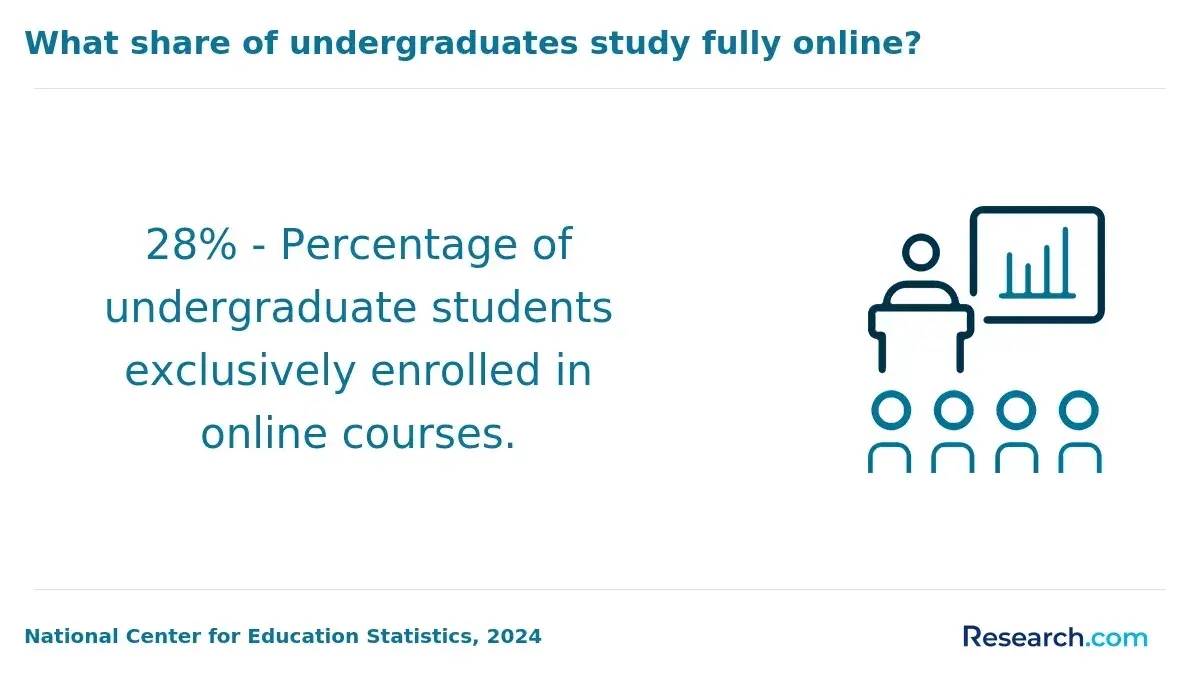
Completion time significantly impacts students' financial planning, career goals, and personal schedules. Many online learners seek quicker degree options, with recent data showing nearly 40% prefer accelerated paths to finish sooner. Comparing weekly start online degrees to self-paced accelerated educational policy programs highlights different completion timelines and student experiences.
- Term length: Weekly start degrees typically follow fixed, short terms lasting 6 to 8 weeks that cycle regularly, creating a structured pace. In contrast, self-paced accelerated programs allow students to move through materials within a flexible timeframe that suits their availability.
- Pacing control: Students in weekly start programs must adhere to predetermined deadlines, keeping all learners on the same schedule. Conversely, self-paced students manage their own deadlines and can increase or decrease course intensity to finish faster or take breaks as needed.
- Credit load: Self-paced programs often let students take heavier credit loads simultaneously if they can manage it, enabling quicker completion. Weekly start degrees usually limit credits per term to maintain consistency and support across cohorts.
- Transfer credits: Both formats typically accept transfer credits, which can reduce the total time required by bypassing previously completed coursework.
- Enrollment flexibility: Weekly start online degrees provide multiple enrollment dates throughout the year, offering more entry points than traditional semesters but less flexibility than fully self-paced models.
Breakdown of Public Fully Online Title IV Institutions

Flexibility is essential for students juggling work, family, and other responsibilities, as it helps manage stress and improves the likelihood of finishing a degree. Weekly start online degree programs allow students to begin coursework regularly-often every week or few weeks-with structured pacing and fixed deadlines. In contrast, self-paced accelerated educational policy programs let learners move through material at their own speed without specific start dates or strict deadlines.
Here is a comparison of their flexibility features.
- Scheduling control: Weekly start programs require students to follow a set weekly schedule with assigned tasks, while self-paced programs offer 24/7 access, enabling students to study whenever it suits them.
- Pacing speed: Weekly start learners progress steadily over terms lasting 8 to 16 weeks, whereas self-paced students can complete courses faster or spread out their studies as needed.
- Start dates: Weekly start programs provide frequent enrollment opportunities throughout the year; self-paced formats allow enrollment at any time without waiting for specific start periods.
- Assignment deadlines: Weekly start programs enforce firm deadlines to keep learners on track, but self-paced programs allow flexible or no deadlines, giving students more time per assignment.
- Instructor interaction: Weekly start students usually receive regular feedback and interaction with instructors, while self-paced learners may experience limited or asynchronous support.
- Ability to pause or accelerate: Self-paced programs offer greater freedom to pause studies or expedite progress, unlike the fixed weekly schedules of the weekly start format.
How difficult a program feels plays a significant role for students deciding between self-paced accelerated and weekly start online educational policy degrees. This perceived challenge affects motivation, performance, and overall satisfaction. Comparing key elements of each format helps clarify their relative demands.
- Workload intensity: Accelerated programs compress more material into shorter times, often requiring students to absorb and apply concepts quickly. Weekly start programs spread content out more evenly, allowing for incremental learning and less daily pressure.
- Pacing expectations: Self-paced learners control their study schedules, which offers flexibility but also risks procrastination or inconsistent progress. Weekly programs impose deadlines that create a steady rhythm, helping students stay on track but potentially feeling restrictive.
- Self-discipline required: The autonomy of self-paced accelerated formats demands strong time management and personal accountability. Weekly start courses supply external structure, giving more guidance and support to maintain consistent effort.
- Assessment structure: Accelerated programs may have fewer exams but expect more comprehensive knowledge demonstrations, increasing exam intensity. Weekly programs typically use regular, smaller assessments to gauge ongoing understanding with less pressure per test.
- Instructor interaction: Weekly start formats often provide continual access to instructors and peers, enhancing support and engagement. Self-paced accelerated students might have limited interaction, which can reduce opportunities for feedback and collaborative learning.
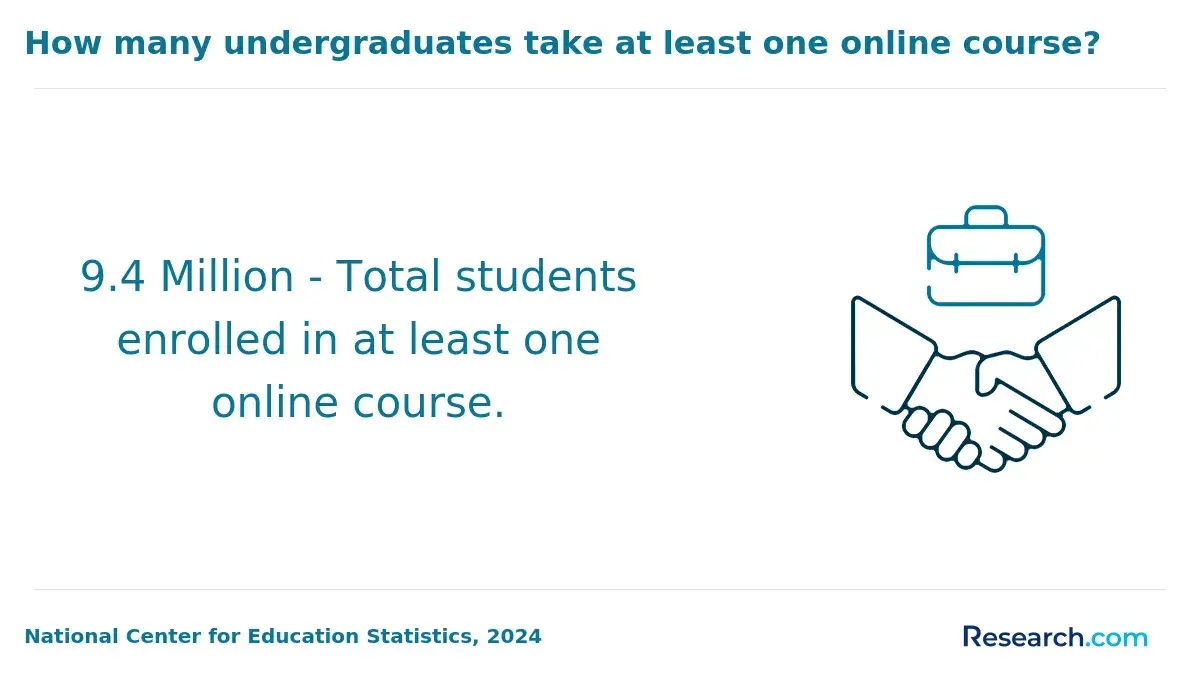
Grading approaches significantly influence how students manage workload, handle academic stress, and track their progress in educational policy programs. These factors are essential when choosing between weekly start online degrees and self-paced accelerated formats.
Below is a comparison of key grading differences between these two approaches.
- Assessment frequency: Weekly start programs feature scheduled, recurring evaluations aligned with each cohort's timeline, ensuring frequent and predictable submissions. In contrast, self-paced accelerated programs have varying assessment schedules, often grouped around major milestones, offering less regular testing opportunities.
- Mastery requirements: In weekly start formats, students must meet consistent deadlines that support steady progress through the curriculum. Self-paced programs provide more flexible deadlines, granting learners control over when to complete assignments but demanding greater self-discipline.
- Feedback timing: Weekly start courses deliver timely, regular feedback to help students stay aligned with cohort progress and make adjustments quickly. Feedback in self-paced accelerated courses may be delayed or irregular due to individualized pacing, potentially making it harder to monitor real-time performance.
- Grading flexibility: The structure of weekly start classes limits grading adaptability since all students follow the same schedule. Meanwhile, self-paced accelerated formats offer higher grading flexibility to accommodate diverse learner schedules but require students to manage their assessment pacing responsibly.
Tuition structures play a key role in how students plan financially when pursuing online educational policy degrees. Understanding these models helps learners choose programs that best fit their budgets and course timelines.
- Pricing Structure: Weekly start programs charge tuition by credit hour with set schedules, allowing clear calculation of costs per term. Self-paced accelerated programs often use a flat fee for access to courses within a subscription period.
- Time-to-Completion: Self-paced formats encourage faster degree completion, which can reduce overall expenses. Weekly start programs follow a regular calendar that may extend time to graduate compared to accelerated options.
- Cost Predictability: Fixed schedules in weekly start models offer consistent tuition payments over terms, making budgeting simpler. Accelerated self-paced students face less predictable costs due to subscription timing and course load variability.
- Course Intensity: Weekly start degree plans usually spread courses evenly across terms, while self-paced formats promote taking more courses at once to finish early, impacting workload intensity.
- Additional Fees: Weekly start learners may encounter per-term institutional fees, whereas self-paced students might pay extra for materials or exam proctoring.
- Transfer Credits and Prior Learning: Both formats accept transfer credits to lower tuition, but self-paced students often benefit from greater scheduling flexibility to accelerate completion using these credits.
Instructor support and academic guidance significantly influence student engagement and comprehension in online educational policy degree programs. These factors are especially important in online settings where students may feel isolated or struggle with managing their own study schedules. Effective instructor accessibility helps maintain motivation and ensures timely academic feedback.
The following points outline key distinctions between weekly start online educational policy programs instructor support and self-paced accelerated educational policy degree student assistance formats.
- Instructor availability: Weekly start programs usually offer frequent live interactions, such as webinars or scheduled office hours, ensuring instructors remain accessible. In contrast, self-paced formats provide less frequent direct contact, relying more on asynchronous communication like emails and discussion boards.
- Response times: Students in weekly start programs can expect quicker responses, often within 24 to 48 hours, which supports paced assignment submissions. Self-paced students might experience longer wait times, typically 48 to 72 hours or more, due to the flexibility in scheduling.
- Structured interaction: Cohort-based weekly start formats create synchronized deadlines and collaborative opportunities, promoting peer and instructor engagement. Self-paced programs emphasize individual progress, which can reduce structured peer and instructor interaction.
- Live communication opportunities: Regular live sessions are integral to weekly start formats, facilitating real-time questions and discussions. These are rare in self-paced programs, which focus more on flexible learning schedules.
- Academic advising touchpoints: Weekly start programs often schedule recurring advising sessions to monitor progress and provide ongoing support. Self-paced learners typically manage their learning paths independently with fewer formal advising checkpoints.
- Student independence expectations: Self-paced accelerated educational policy degree student assistance requires higher self-motivation and time management skills. Weekly start programs support students more actively, potentially benefiting those needing greater structure.
For students exploring advanced degrees, considering the style of instructor support is crucial. Those interested in cohort-based learning with consistent guidance might prefer weekly start programs, while self-directed learners might opt for accelerated self-paced formats. Additionally, prospective students can explore options like the online doctorate in organizational leadership for extended academic pathways.
Employer perception of online educational policy degree programs significantly influences career outcomes by shaping hiring decisions and professional advancement opportunities. Understanding how employers view different degree formats helps prospective students choose programs that align with workforce expectations.
When considering employer preferences for weekly start online educational policy degrees versus self-paced accelerated formats, several factors come into play:
- Perceived Rigor: Weekly start online programs often suggest a structured and consistent engagement, reinforcing the impression of academic rigor. Self-paced accelerated programs may be viewed with some skepticism about sustained effort, though they can showcase determination when supported by strong accomplishments.
- Completion Timelines: Self-paced accelerated educational policy degrees career prospects benefit from the ability to finish quickly, which can demonstrate adaptability and drive. Meanwhile, weekly start schedules offer a steady pace that may appeal more to employers valuing predictable progress.
- Time Management and Discipline: A weekly start demands regular deadlines, highlighting reliable time management skills. The self-paced approach requires high self-motivation, which can also impress employers if documented by verifiable results.
- Collaboration Experience: Weekly start formats typically include group projects, providing evidence of teamwork and communication abilities relevant to many educational policy roles. Accelerated programs may lack this component, potentially limiting display of collaborative skills.
- Alignment with Workforce Needs: Structured weekly programs mirror traditional academic terms, making graduates seem well-prepared for conventional workplace environments. The flexibility of accelerated programs can appeal to employers prioritizing skill mastery over formal scheduling.
For students exploring options in this field, resources listing top-ranked programs like one year online masters programs can help identify reputable choices aligned with these employer considerations.
Salary outcomes are a key consideration for students weighing weekly start online degrees versus self-paced accelerated educational policy programs. Studies show that wage differences are subtle but influenced by how employers view the structure and rigor of each format. For example, 65% of employers surveyed rated traditional-paced programs slightly higher in demonstrated skills, which can affect initial salary offers.
Factors influencing salary differences between these educational policy formats include:
- Employer Perception: Employers often perceive weekly start online programs as more rigorous due to structured schedules and cohort progression. This can lead to a preference in hiring or salary offers, though the gap is generally modest.
- Time-to-Completion: Weekly start programs provide steady pacing for timely graduation, enabling faster workforce re-entry. Self-paced accelerated degrees allow speed but require strong discipline, which can impact when salary increases begin.
- Skills and Competencies: Cohort-based weekly start students may benefit from collaborative learning, enhancing skills employers value. Self-paced learners need to demonstrate equivalent mastery independently, influencing salary negotiation leverage.
- Career Advancement Potential: Graduates completing degrees efficiently without delays often advance more quickly. The structured nature of weekly start programs can help maintain momentum for promotions and raises.
- Return on Investment: Balancing education cost, time investment, and lost income plays a role. Students may compare options, including exploring cheapest online colleges that accept FAFSA to optimize financial outcomes.
In sum, salary comparison weekly start vs self paced educational policy degrees depends on multiple factors beyond program duration alone. Considering these elements supports informed decisions aligned with career outcomes accelerated vs weekly start online educational policy programs.
What Graduates Say About Their Weekly Start Online Degrees vs Self-Paced Accelerated Educational Policy Degrees
- Vince: "Choosing the weekly start online educational policy program allowed me to dive into coursework without waiting for semester schedules, which was crucial since I needed flexibility in my unpredictable work hours. I budgeted carefully and applied for scholarships, which made the average cost of attendance manageable. This degree has elevated my role in education administration, opening doors to policy development projects I wouldn't have qualified for before. "
- Marvz: "I opted for the self-paced accelerated educational policy degree because I wanted to complete my studies swiftly while balancing family commitments. The ability to control my learning tempo helped me avoid accruing more expenses than necessary, as the overall investment was comparable to traditional timelines. Since graduating, I've been promoted to a senior analyst position, where my expanded policy knowledge directly informs our strategies. "
- Percy: "The weekly start online educational policy program appealed to me for its structured yet flexible approach, enabling me to align coursework with a full-time job. I managed the costs by leveraging employer tuition assistance and federal aid, making the average attendance fees easier to handle. Now, I confidently contribute to education reform initiatives, attributing much of my professional growth to this degree pathway."
Other Things You Should Know About Educational Policy Degrees
Typically, students can transition between these programs, but it depends on university policies and course compatibility. It's crucial to consult academic advisors to ensure credit transferability and program requirements align.
In 2027, weekly start online degrees follow a structured schedule, leading to a more predictable completion timeline. In contrast, self-paced accelerated educational policy programs allow students to progress at their own speed, potentially enabling faster completion but requiring more self-motivation and discipline.
Most programs require official transcripts and award transfer credit only for courses completed with a grade of C or better. Regionally accredited schools often accept up to 60 credits toward a bachelor’s degree and 15–18 credits toward a master’s degree, subject to departmental review.
- Cohort-Based Courses vs Self-Paced Learning: The Best Learning Approach for You https://inspirelondoncollege.co.uk/cohort-based-courses-vs-self-paced-learning-the-best-learning-approach-for-you/
- Choosing the Right Path: Comparing Online vs. In-Person Educator Preparation Programs - Moreland University https://moreland.edu/resources/blog-insights/choosing-the-right-path-comparing-online-vs-in-person-educator-preparation-programs
- 5 Reasons Why You Should Earn Your Bachelor’s Degree Online https://www.pointloma.edu/resources/accelerated-undergraduate/5-reasons-why-you-should-earn-your-bachelors-degree-online
- Student Handbook and Policies | Online Education https://accelerate.academy/policies-and-handbook/
- 10 Steps to Accelerate Your Course - Faculty eCommons https://faculty.risepoint.com/10-steps-to-accelerate-your-course/
- Guide To Self-Paced Online Colleges And Courses https://www.affordablecollegesonline.org/college-resource-center/self-paced-online-college/
- Self-Paced Learning: Insider Advice Students Need to Succeed https://www.rasmussen.edu/student-experience/college-life/self-paced-learning-advice/
- Course Schedule and Course Pacing: Does it Affect Student Success in Online Asynchronous Courses? - OJDLA https://ojdla.com/articles/course-schedule-and-course-pacing-does-it-affect-student-success-in-online-asynchronous-courses