2027 Educational Policy Degree Programs for Career Changers

Co-Founder and Chief Data Scientist
Many working adults face stalled career growth and seek roles impacting education systems but lack targeted expertise. Transitioning into educational policy can unlock leadership opportunities in school districts, government agencies, or nonprofits, yet the path often seems unclear. Research shows nearly 50% of adult learners enrolling in educational policy programs are career changers, highlighting a growing trend towards midlife upskilling to meet workforce demands.
This article will explore how educational policy degree programs cater specifically to experienced professionals, offering practical pathways and strategies to facilitate a confident and effective career transition into this vital and evolving field.
Key Things to Know About Educational Policy Degree Programs for Career Changers
- Many educational policy degree programs offer flexible scheduling and online or hybrid formats, enabling working adults to balance studies with current job responsibilities effectively.
- Programs increasingly emphasize employer-relevant skills, with curricula shaped by workforce demands, enhancing career changers' marketability in education sectors.
- Support services such as academic advising and accelerated pacing help working adults complete degrees faster, with some programs reporting up to 30% shorter completion times compared to traditional tracks.
What Educational Policy Programs Accept Career Changers?
Many educational policy programs are designed to suit working adults and professionals seeking career changes by offering flexible prerequisites and curricula that leverage diverse backgrounds. Nearly 40% of graduate students in education fields are adult learners or career changers, highlighting the rise of educational policy programs for nontraditional students.
- Master of Education (M.Ed.) in Educational Policy: This program usually features adaptable entry requirements and emphasizes policy analysis along with leadership skills that career changers can apply from previous fields.
- Master of Arts (M.A.) in Education Policy Studies: Known for its inclusive admission criteria, this degree focuses on research and advocacy, making it ideal for those transferring skills toward policy development challenges.
- Educational Leadership and Policy Programs: Tailored for mid-career professionals, these programs blend theoretical knowledge with practical application, supporting career changers in influencing education systems effectively.
- Doctor of Philosophy (Ph.D.) in Educational Policy and Administration: With flexible entry and part-time study options, this doctoral path enables deep expertise growth while maintaining employment, suitable for graduate educational policy degrees accepting career changers.
These programs emphasize practical skills and adaptability, which can support a smooth transition for professionals from various backgrounds. Adult learners interested in advancing their careers may also explore related fields through reputable online BCBA programs that align with broader policy and leadership goals.
What Educational Policy Specializations Are Best for Career Changers?
Selecting the right educational policy specialization is essential for career changers who seek efficient transitions and expanded job opportunities. Demand for education specialists with policy expertise is projected to grow by 8% through 2030, reflecting strong labor market trends. Choosing a specialization that aligns with your skills can unlock new pathways.
Here are four top educational policy specializations for career changers, each supporting practical leadership and policy analysis skills tailored to nontraditional students transitioning into education roles:
- Education Leadership and Administration: Leverages management and organizational skills, ideal for professionals with leadership experience seeking roles in school districts or educational agencies. This track is well suited for those aiming to apply their previous leadership expertise within education systems.
- Education Equity and Social Justice: Focuses on advocacy and reform, emphasizing policy development to address disparities. It is accessible to newcomers passionate about social impact and committed to driving systemic change in education.
- Education Data and Assessment Policy: Appeals to individuals with analytical backgrounds, centering on data-driven decision-making and evaluation in educational settings. This specialization supports those skilled in quantitative analysis and research.
- Higher Education Policy: Supports career changers aiming to influence postsecondary education through a blend of policy analysis, understanding student services, and institutional governance. It facilitates professional transitions into higher education leadership roles and administration.
Those interested in broader professional transitions may also consider exploring CACREP online counseling programs to complement their policy expertise and expand career options within education-related fields.
What Are the Admission Requirements for Career Changers Applying to a Educational Policy Program?
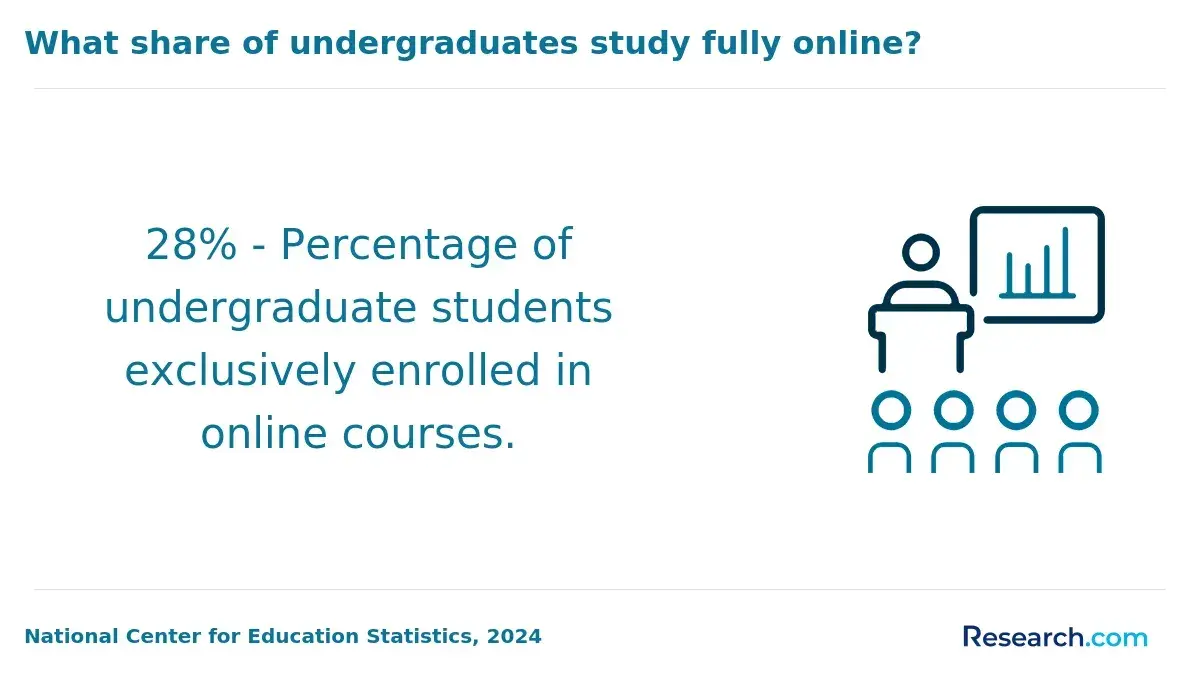
Career changers must carefully navigate admission requirements, which often differ from traditional applicant pathways. Nearly 38% of U.S. graduate students are nontraditional or adult learners, emphasizing the importance of accommodating diverse professional backgrounds. Recognizing these factors helps applicants align their experience with academic expectations.
Below are common admission criteria for career changers applying to an educational policy program.
- Bachelor's Degree: Most programs require a bachelor's degree from an accredited institution, but extensive professional experience may substitute for formal academic credentials in some cases.
- Academic Records: Submission of transcripts is typical, with some programs requiring standardized test scores like the GRE; however, many waive these for experienced professionals.
- Letters of Recommendation: Strong endorsements that highlight leadership, analytical skills, or relevant professional achievements are crucial for demonstrating potential in educational policy.
- Personal Statement: A clear essay explaining motivation for the career switch and how previous experiences support success in educational policy is often required.
- Resume or CV: Documentation of transferable skills such as project management, research, communication, or policy analysis enhances the application.
Programs that accommodate working adults emphasize format flexibility-including part-time, evening, or online options-and recognize diverse career histories. Alternative qualification pathways, such as professional certifications or demonstrated sector impact, can significantly strengthen applications.
Prospective students exploring options may also consider related online marriage and family therapy programs that offer similar flexibility and support. Understanding educational policy program prerequisites for nontraditional applicants helps career changers find the best fit for their ambitions.
For professionals shifting careers, grasping the coursework structure in an educational policy degree is vital to align learning with their unique schedules and goals. This understanding ensures the program can be effectively integrated into busy lives while providing relevant knowledge for the transition. Key coursework areas typically include the following:
- Policy Analysis: Focuses on how educational policies are created and their implications for different groups, blending theory with real-world contexts to suit those new to the field.
- Research Methods: Covers designing and interpreting studies essential for shaping sound policies, emphasizing practical research skills applicable immediately in professional settings.
- Education Law: Examines the legal structures that schools must operate within, preparing students to deal with regulatory challenges confidently as they shift careers.
- Program Evaluation: Introduces tools and approaches to measure the success and impact of education initiatives, supporting informed decision-making in various work environments.
- Flexible Delivery: Many programs offer online or part-time formats with support systems like mentoring and cohort participation, aiding adult learners in balancing responsibilities while applying knowledge in real time.
When discussing these aspects with a professional who completed an online educational policy degree to prepare for a career change, he shared that juggling coursework alongside a full-time job was initially overwhelming. "I wasn't sure if I could keep up with assignments and discussions while working," he recalled. However, the program's flexible structure and accessible faculty support made a significant difference.
He added, "Being able to study evenings and weekends, combined with practical projects, helped me feel confident that I was building relevant experience. It wasn't just theory-I could immediately apply what I learned, which kept me motivated throughout." This firsthand insight highlights how coursework designed with career changers in mind can ease the transition and foster meaningful engagement.
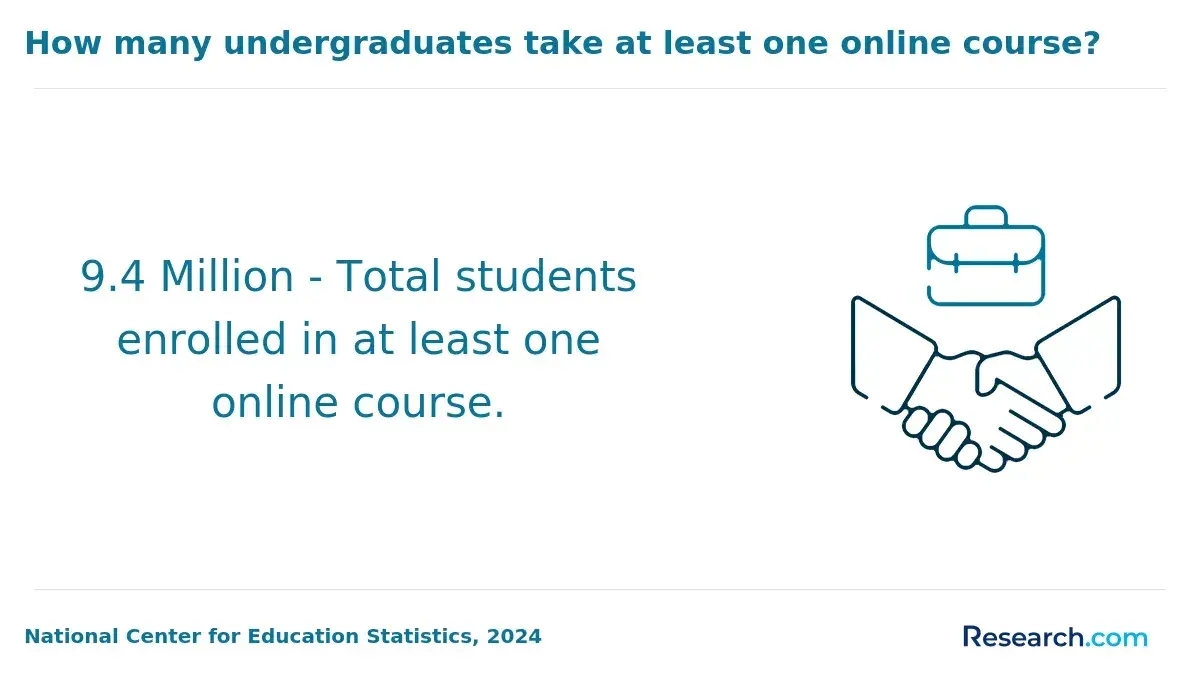
Career changers must carefully consider program formats that support balancing education with professional and personal duties. Nearly 41% of U.S. postsecondary learners take part in at least one distance education course, reflecting a shift toward more adaptable learning models.
Below are several key options suited to those transitioning careers.
- Online Programs: Coursework is delivered fully online, offering learners the freedom to study from any location and at any time. This format is optimal for professionals managing busy schedules and family responsibilities.
- Evening and Weekend Classes: Traditional in-person sessions occur outside regular working hours, making it easier for employed students to attend without disrupting their day jobs.
- Part-time Enrollment: Students take fewer courses each term, extending the duration of study to reduce time pressures and financial strain while maintaining steady progress.
- Hybrid Formats: These combine the benefits of online learning with some in-person meetings, fostering direct interaction while preserving significant flexibility.
Choosing a program format that aligns with work-life demands can enhance completion rates and overall satisfaction for career changers pursuing an educational policy degree.
For professionals switching careers, acquiring new skills is vital to ensure they can navigate unfamiliar industries confidently. Research by the Strada Education Network reveals that 72% of adults are open to returning to school to gain the skills needed for a different career path.
The following key skills are often developed in an educational policy program, enhancing one's ability to adapt and succeed.
- Policy Analysis: This skill enables students to critically examine and shape educational policies, allowing them to engage in reform efforts and influence decision-making within schools or governmental bodies.
- Research and Data Interpretation: Career changers learn to apply both qualitative and quantitative research methods to assess educational trends and outcomes, supporting sound, evidence-based policy development.
- Leadership and Management: Building leadership capabilities equips learners to oversee teams and initiatives effectively, a crucial ability for those aiming to take on administrative or organizational roles.
- Communication: Mastery of clear, persuasive communication-both written and oral-is essential for conveying complex policy ideas to varied audiences and fostering collaboration among stakeholders.
- Equity and Inclusion Awareness: Understanding social justice principles helps graduates advocate for policies that reduce disparities and promote fairness within education systems.
When I spoke with a career changer who completed an educational policy degree, she described her journey as both challenging and transformative. Coming from a corporate background, she initially struggled with the specialized vocabulary and academic research expectations. However, through persistence, she developed a new confidence in analyzing policies and advocating for underserved communities.
She noted, "The program helped me find my voice in a field I previously knew little about. It required me to learn quickly but also gave me tools to make a real impact." Her experience highlights how skill acquisition in educational policy programs can empower adult learners to embrace new professional identities with purpose and clarity.
Career changers often juggle existing financial commitments while investing in advanced education, making it essential to comprehend the total cost of a graduate degree. Recent data shows that the average debt for master's degree holders exceeds $66,000, highlighting the need to carefully evaluate expenses before enrolling.
The main costs involved generally fall into several key categories.
- Tuition and Fees: Tuition varies widely depending on whether the program is offered by a public or private institution and whether it is online or on-campus. Costs typically range from $15,000 to $50,000 for the entire educational policy degree program. Additional fees can add several thousand dollars to the total cost.
- Textbooks and Materials: Required books, software, and course materials contribute to expenses and may cost hundreds to a few thousand dollars depending on the curriculum. Utilizing digital resources or secondhand materials can reduce these costs.
- Technology Fees: Many programs charge technology or online access fees to support digital learning platforms. These fees are usually smaller compared to tuition but remain an important budget consideration for those pursuing affordable educational policy programs for working professionals.
- Travel Expenses: Some programs require in-person attendance for certain courses or residencies, leading to costs for transportation, lodging, and meals. Choosing programs with flexible or hybrid formats can help minimize these expenses, particularly for those balancing work and study.
- Payment Options and Employer Support: Many institutions offer flexible payment plans, part-time options, or accelerated courses to spread out costs and shorten program duration. Employer tuition assistance or reimbursement programs can also significantly offset expenses, making it crucial to explore such benefits early in the decision process.
- Cost-Saving Pathways: Online formats and competency-based education models are growing in popularity as affordable avenues to complete a degree without compromising quality. For example, candidates might consider an online doctorate in organizational leadership as a cost-effective, flexible alternative that aligns with career advancement goals.
Curriculum design is especially critical for career changers in the educational policy field, as it bridges existing expertise with new knowledge needed for success. This thoughtful structuring allows adult learners to engage effectively while balancing other professional and personal responsibilities. Below are key ways this curriculum facilitates smooth career transitions.
- Applied Learning Opportunities: The curriculum integrates theory with real-world educational challenges, enhancing practical problem-solving abilities essential for policy roles.
- Transferable Skill Development: Programs focus on critical thinking, data analysis, and communication, equipping students with versatile skills valuable across various careers.
- Flexible Pacing Options: Recognizing the demands on working professionals, courses offer adaptable schedules that accommodate individual progress and commitments.
- Real-World Projects: Inclusion of case studies and hands-on projects sharpens decision-making and policy evaluation competencies needed in the education sector.
- Interdisciplinary Content: Connecting educational policy with social, economic, and political contexts prepares students for complex challenges in diverse professional environments.
Career changers gain key skills from educational policy programs that enhance their ability to analyze and influence education systems effectively. Exploring online certifications can also complement these degrees and boost employability in related areas.
For career changers, knowing potential job outcomes helps align skills with market demand, improving chances for a smooth transition. According to the U.S. Bureau of Labor Statistics, education-related fields are expected to grow by 7% from 2022 to 2032, reflecting steady opportunities for those skilled in educational policy.
Here are five common career paths suitable for those with a background in educational policy.
- Education Consultant: Advises organizations on effectively implementing and enhancing educational policies. Transferable skills like analysis and communication aid professionals in guiding institutional improvements.
- Program Evaluator: Measures the success of educational projects and initiatives to support data-driven decisions. Experience in research and evaluation helps career changers assess policy impact and optimize programs.
- Policy Analyst: Investigates legislation and reform proposals, crafting recommendations that shape education systems. Analytical abilities and understanding of policy frameworks make this role accessible to those switching careers.
- Curriculum Coordinator: Develops instructional materials that meet policy standards and learner requirements. Project management and curriculum design skills translate well for professionals transitioning into this position.
- Advocacy Specialist: Engages stakeholders to promote fair and inclusive education policies. Strong communication and leadership skills enhance effectiveness in advancing educational equity.
Salary expectations play a vital role for career changers pursuing an educational policy degree, helping them weigh the financial and time commitments against future earnings. Studies show reskilled professionals experience a median salary growth of about 15% within three years after completing their education. Below are common salary ranges and factors affecting compensation in this field.
- Entry-Level Salaries: Graduates typically start with annual salaries ranging between $50,000 and $65,000, though this varies based on prior experience and geographic location.
- Mid-Level Positions: Professionals with several years of experience often earn from $70,000 to $90,000, reflecting increased responsibility and expertise.
- Senior Roles: Leadership roles or senior policy analysts frequently command $90,000 to $120,000 per year, influenced by the organizational setting and region.
- Prior Experience Impact: Backgrounds in administration, research, or related sectors can significantly boost starting pay and career advancement opportunities.
- Industry Variations: Compensation often differs between government agencies, private consultancies, and nonprofit organizations, shaping overall pay structures accordingly.
What Graduates Say About Their Educational Policy Degrees for Career Changers
- Vance: "Deciding to shift from finance to education policy was a huge step, especially considering the average cost of attendance around $30,000. Despite the price, earning my Educational Policy degree proved invaluable, opening doors in government roles focused on equity in schooling. The investment absolutely accelerated my career transition and gave me confidence in my new path. "
- Camille: "After years in corporate marketing, I took a reflective pause and pursued an educational policy degree, mindful of the $25,000 to $35,000 tuition range for career changers like me. The program deepened my understanding of systemic challenges, and although it was a significant cost, the skills I gained enabled me to influence local education reforms. This degree was a pivotal chapter, reshaping my professional identity."
- Bonnie: "I came from a healthcare background and chose to pursue a degree in educational policy to impact child health education. The tuition around $30,000 felt steep initially, but completing the program was a game-changer, equipping me with the expertise necessary to advocate for better policy in schools. This degree has profoundly enhanced my professional scope and fulfillment. "
Other Things You Should Know About Educational Policy Degrees
Most educational policy degrees do not require a licensure exam because policy roles are not teacher-licensure programs. If the degree includes a principal or administrator track, the required test is set by the state education agency, such as the Praxis School Leaders Licensure Assessment in some states.
Yes, many institutions offer financial aid and scholarships targeted at graduate students in educational policy programs. Career changers may qualify for merit-based awards, need-based aid, or scholarships aimed at professionals transitioning into education leadership. It is essential to check with individual schools and external funding sources for eligibility criteria and application deadlines.
In 2027, admissions requirements for educational policy programs typically consider both work experience and prior education. However, specific requirements may vary by institution. Many programs value diverse professional backgrounds, especially for career changers, and may offer flexible criteria to accommodate varying experiences.
- How to Become an Educational Policy Analyst - Graduate Programs for Educators https://www.graduateprogram.org/blog/how-to-become-an-educational-policy-analyst/
- A Career in Policy: 4 Transferable Skills Gained While Leading a Classroom | Teach For America https://www.teachforamerica.org/stories/a-career-in-policy-4-transferable-skills-gained-while-leading-a-classroom
- Policy master's: Cost and funding (Part 4) - Emerging Technology Policy Careers https://emergingtechpolicy.org/pathways/graduate-school/policy-masters/4-cost-and-funding/
- Education and Career Mobility Fellowship https://www.aspeninstitute.org/programs/education-and-career-mobility-fellowship/
- Alternative Education for High-Quality Careers | National Fund for Workforce Solutions https://nationalfund.org/alternative-education-for-high-quality-careers/
- Online Education Undergraduate Tutors Spires | What Jobs Can I Get With A Degree In Education? https://spires.co/online-education-tutors/undergraduate/what-jobs-can-i-get-with-a-degree-in-education
- Flexible Graduate Education Programs for Career Changers and Returners https://www.belmont.edu/stories/articles/2024/graduate-education-programs.html
- The Best Degrees for Career Changers in 2025 (No Starting from Scratch) https://www.nexford.edu/insights/the-best-degrees-for-career-changers-in-2025-no-starting-from-scratch
- Teaching and Learning, Policy and Leadership - Education Policy and Leadership Specialization, M.A. | UMD College of Education https://education.umd.edu/academics/programs/masters/teaching-and-learning-policy-and-leadership-education-policy-and
- The Best Online Degrees for Career Change After 30 | National University https://www.nu.edu/blog/best-online-degrees-for-career-change/