2027 Is an Educational Policy Online Degree Worth It?

Co-Founder and Chief Data Scientist
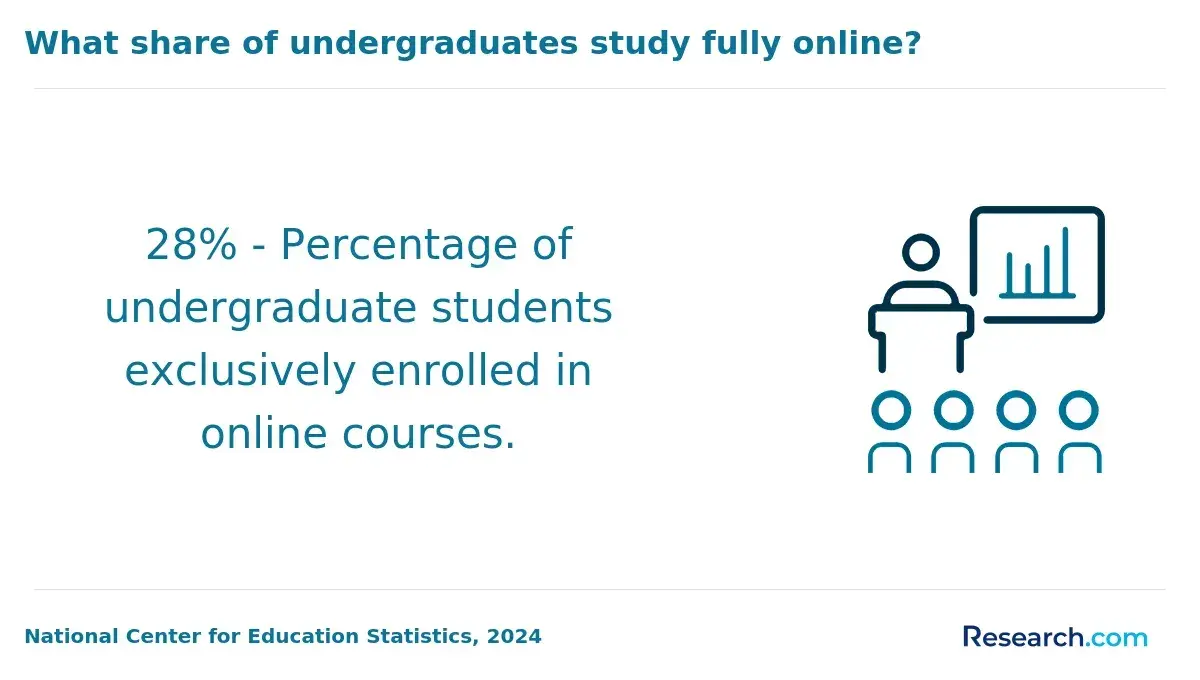
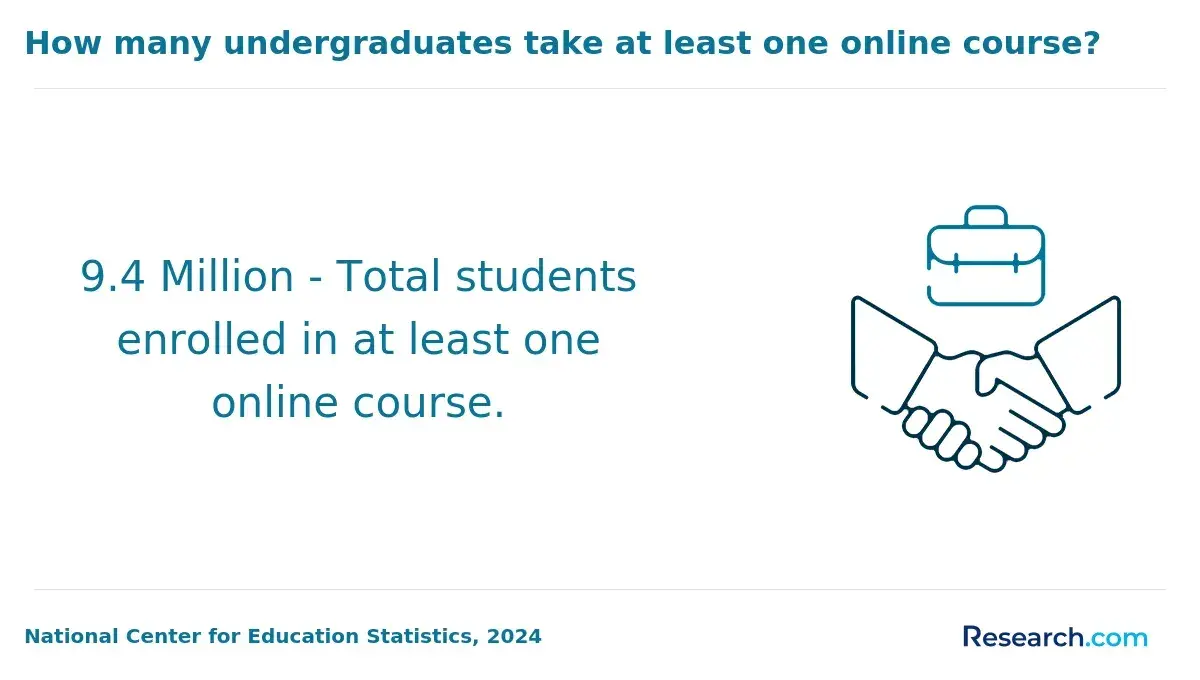
Online education has expanded rapidly, with enrollment in distance learning programs increasing by over 20% in recent years. Many students are now considering an online educational policy degree due to its accessibility and the growing need for skilled professionals in shaping education systems. This growth reflects broader trends in how education is delivered and consumed today.
This article will help prospective students evaluate if an online educational policy degree is worth pursuing by examining key factors such as cost, flexibility, accreditation, job market demand, and how employers view this qualification. Understanding these elements is crucial for making an informed decision about this specialized field.
Key Benefits of Online Educational Policy Degree
- Online educational policy programs offer flexible scheduling, allowing working professionals to balance studies with careers and family commitments without sacrificing program quality.
- Graduates gain skills in data analysis and policy evaluation, aligning with growing demand for evidence-based decision-makers in education sectors across the US.
- Long-term outcomes include opportunities in administration, advocacy, and research, with median salaries for policy analysts reaching over $75,000 annually according to recent labor data.
Who Should Choose an Online Educational Policy Degree Program?
Online learning offers a flexible pathway for students balancing work, family, and other commitments, making it an increasingly viable choice for advancing education careers. This adaptability benefits individuals with diverse personal and professional responsibilities who seek to enhance their influence within the education sector. The following groups are particularly well-suited for pursuing an online educational policy degree:
- Working educators and administrators: Teachers, principals, and counselors who want to move into policy-making or leadership roles can continue their current jobs while studying, thanks to the flexible schedule online programs provide.
- Rural and remote education professionals: Those located far from campus-based programs can access quality online courses that would otherwise be unavailable due to geographic constraints.
- Mid-career career changers: Professionals from government, nonprofit, or research sectors aiming to shift into educational policy can develop new expertise through online coursework without pausing their careers.
- Aspiring policy advocates and researchers: Individuals driven to influence educational systems at various levels can benefit from theory and practice-oriented online programs often taught by active education policy experts.
What Are the Pros and Cons of an Online Educational Policy Degree?
Online educational policy degree programs have grown in popularity as they offer flexible options for students and professionals aiming to advance their careers without compromising other commitments. These programs provide valuable expertise in education systems, policy analysis, and leadership while accommodating busy schedules.
Pros of an Online Educational Policy Degree
- Flexibility: Online programs allow students to complete coursework at their own pace, which is ideal for working professionals balancing jobs and family. Many offer asynchronous classes, enabling study during evenings or weekends.
- Accessibility: Students can enroll in top-tier institutions regardless of geographic location, increasing access to specialized courses and expert faculty. For example, individuals in remote areas can earn degrees from universities known for strong policy research centers.
- Cost-effectiveness: Typically, online degrees have lower tuition fees and eliminate commuting expenses. According to Graduate Program.org, online graduate programs can save students thousands annually, making them a smart financial choice for many.
- Networking opportunities: Virtual platforms enable connections with peers and faculty nationwide, offering diverse perspectives on policy issues and fostering professional relationships important for career growth.
Cons of an Online Educational Policy Degree
- Limited face-to-face interaction: Online learning can reduce spontaneous discussions and informal networking compared to in-person programs. Building strong relationships with classmates and professors requires extra effort and intentional engagement.
- Self-discipline challenges: Success depends on strong time management and motivation, as the lack of a physical classroom environment can lead to procrastination and missed deadlines.
- Technology requirements: Reliable internet access and digital literacy are crucial. Technical difficulties during live sessions or exams may disrupt learning and add stress.
- Program quality variability: Not all online education policy program benefits are equal; prospective students must verify accreditation and reputation to ensure their degree holds value in the job market.
For those considering accelerated degree options, exploring accelerated programs college offerings can provide additional pathways to career advancement.
How Do AI-Enhanced Virtual Classrooms Work in Online Educational Policy Programs?
AI technologies have become central to modern online education, significantly improving the learning experience for students in educational policy programs. By integrating artificial intelligence in online education classrooms, these platforms offer personalized, efficient, and interactive learning tailored to individual needs. Below are key features that demonstrate how AI-powered virtual classrooms enhance instruction and support for educational policy learners.
- Adaptive Learning Tools: AI-powered adaptive learning platforms in Educational Policy programs analyze each student's progress and interactions, automatically adjusting content to fit their pace and learning style. This personalization helps close knowledge gaps and maintain engagement by delivering tailored resources and feedback.
- Collaborative AI Matching: AI algorithms facilitate group work and discussion forums by matching students based on shared interests or strengths. This promotes meaningful peer interaction and richer dialogue, which are critical for mastering complex policy concepts.
- Instant Assessment and Analytics: AI systems provide real-time evaluation of assignments, quizzes, and participation, enabling instructors to track trends and intervene early when students struggle. This leads to more responsive and effective teaching strategies.
- 24/7 AI Support: Virtual assistants and chatbots offer continuous academic support, answering questions and guiding students through challenging topics. This ensures timely help beyond traditional classroom hours.
For those exploring flexible options, many quality educational policy programs are available as open enrollment programs, making advanced education more accessible.
Having the right technology setup is essential for success in modern online educational policy programs because all coursework, communication, and collaboration happen in digital environments. Reliable devices and software are not just conveniences-they are crucial for accessing materials, participating in discussions, and completing assignments on time. Below is an overview of the essential technology requirements for online educational policy programs that students should prepare before enrolling.
- Reliable Computer (Laptop or Desktop): A modern computer equipped with a fast processor, at least 8GB of RAM, and an up-to-date operating system is critical. This device supports video conferencing, editing documents, and using learning management systems. For example, students may attend live seminars via Zoom or review policy documents on platforms like Google Docs.
- High-Speed Internet Connection: A stable broadband connection with speeds over 25 Mbps ensures smooth streaming of lectures, quick downloads, and uninterrupted virtual classroom participation. Dropped connections can cause missed deadlines and disrupt learning.
- Webcam and Microphone: Built-in or external webcams and microphones are necessary for synchronous sessions, interviews, and virtual presentations. Many programs require students to deliver oral exams or present research findings online.
- Learning Management System Access: Familiarity with platforms such as Canvas, Blackboard, or Moodle is essential, as these hubs host assignments, readings, and collaborative discussions. Students regularly submit policy briefs and engage with peers in forums.
- Office Suite Software: Programs like Microsoft Office or Google Workspace allow students to write papers, create presentations, and analyze policy data. For instance, Excel is commonly used for quantitative analysis, and PowerPoint for creating policy proposal slides.
- Security Tools: Antivirus software and strong passwords protect sensitive educational data and private information, which is especially important when handling confidential policy materials.
- Cloud Storage and Backup: Services such as Google Drive or Dropbox provide safe storage and easy sharing options for assignments, research files, and group projects.
Students investing in the best devices for virtual educational policy degree students will better manage workloads, collaborate effectively, and maintain academic success. For those exploring career prospects, understanding the technology setup also aligns with identifying highest paying college majors related to their field of study.
Program length is a crucial consideration for prospective students as it impacts career planning and balancing personal commitments. Timelines for completing online educational policy degrees vary significantly depending on program design and individual pacing. Below is an overview of common duration ranges for these programs.
- Full-Time Online Track: Typically completed within one to two years, this option suits students able to maintain a steady course load. Programs may offer multiple start dates and asynchronous coursework that support consistent progress without on-campus attendance.
- Accelerated Programs: Some universities provide intensive pathways that allow completion in about 12 months by delivering courses in shorter, focused terms such as seven weeks. This faster format demands a rigorous schedule but can quickly advance career goals.
- Part-Time Enrollment: Designed for working professionals, part-time students often take three to four academic terms or longer to finish. Flexible pacing, evening classes, and the option to spread out credits accommodate diverse schedules and responsibilities.
- Transfer and Credit-Acceleration Options: Students with prior graduate credits or qualifying coursework may reduce their time to degree through transfer policies or accelerated pathways offered by certain programs.
Balancing full-time work with online study is a common concern for many considering an educational policy degree. Managing professional duties alongside academic demands can feel overwhelming. Several factors influence how successfully someone can maintain both roles.
Key considerations for working full-time while enrolled in an online educational policy program include:
- Flexible Scheduling: Programs offering asynchronous courses allow students to complete work on their own time, which helps accommodate unpredictable work hours. In contrast, synchronous classes require fixed attendance, potentially clashing with job responsibilities.
- Program Pacing: Some degrees are designed for completion in about three years, usually with part-time study options extending that timeline. Choosing a program with a pace that fits your lifestyle is essential.
- Workload Expectations: Coursework often demands 10 to 20 hours weekly. Realistic planning and employer support, such as flexible hours or study leave, can reduce stress and boost success.
- Time Management Skills: Prioritizing assignments, scheduling dedicated study periods, and using university resources like advising help maintain balance and progress.
When asked about managing full-time work alongside her online educational policy studies, one graduate shared that it was challenging but manageable. She recalled, "Juggling late-night assignments and early mornings at work tested my limits."
By setting firm study routines and seeking support from supervisors, she maintained steady progress. "It wasn't easy, but staying organized and remembering why I started kept me motivated." Her experience highlights that, with discipline and planning, working full-time while earning this degree is achievable.
Internships are vital for gaining real-world experience and building a career in educational policy. They bridge academic knowledge with practical skills essential for success in this field. Online educational policy programs employ multiple strategies to help students secure and excel in internships:
- Structured Placement Partnerships: Programs collaborate with education agencies, nonprofit organizations, and policy groups to create reliable internship pipelines, ensuring students have access to quality, vetted opportunities.
- Dedicated Faculty Mentorship: Advisors work closely with students to align internship placements with individual interests and career goals, providing personalized guidance throughout the experience.
- Integrated Coursework: Internships are embedded as formal course components spanning typical lengths of 16 weeks, allowing students to gain hands-on experience without pausing their studies.
- Online Support Platforms: Digital tools and portals track internship progress, facilitate communication, and help students develop proposals that connect theory to practice in real-time.
- Remote Internship Adaptations: Hybrid and fully remote internship options include structured supervision and regular check-ins, ensuring engagement and professional growth despite distance.
Grasping the tuition costs of an online educational policy degree is vital for students planning their budgets and assessing the program's value. Knowing how fees vary helps make informed decisions about which schools and payment strategies best fit one's financial situation. Below are key points outlining common tuition-related factors to consider.
- Average Tuition Per Year: At low-cost public universities, annual tuition typically ranges from approximately $3,861 to $11,286, based on recent 2025 figures. These rates represent some of the most affordable options for master's-level education.
- Cost Per Credit Hour: Public institutions often charge between $500 and $1,000 per credit, while private colleges may exceed this, with rates up to $1,458 per credit for master's courses. This variation significantly impacts total expenses depending on program length and credits required.
- In-state vs. Out-of-state Tuition: Residency status greatly influences price; for instance, the University of California's online Master of Public Policy costs roughly $29,028 annually for residents and $41,273 for non-residents, reflecting a notable difference in tuition burden.
- Private and For-profit Institution Charges: These schools commonly report higher fees, with total degree costs ranging between $44,000 and $62,000, often reflecting specialized resources or smaller cohort sizes.
- Additional Fees: Beyond tuition, many programs include technology, course materials, and administrative fees, which can add several thousand dollars annually to the overall expense.
When I spoke to a current online educational policy student about managing these costs, he described balancing financial aid applications, employer tuition assistance, and personal budgeting as demanding yet rewarding. "I had to carefully compare schools and factor in all hidden fees before committing," he said. The process involved many discussions with admissions counselors and financial advisors to clarify total expenses beyond just tuition.
Despite the complexity, he found value in pursuing online studies that fit his schedule and financial reality. "Understanding these details upfront made the entire journey less stressful and more empowering," he reflected, emphasizing how transparency about costs helped him stay focused on his academic and career goals.
Knowing the potential earnings of a career in educational policy is crucial when evaluating an online educational policy degree program. Understanding salary benchmarks can help prospective students gauge the return on investment and plan their career paths accordingly. Below are key salary insights reflecting current trends across various roles and regions.
- Average Entry-Level Salary: Entry-level professionals in education policy typically start around $55,500 annually, according to ZipRecruiter. This reflects initial roles such as policy analysts or research assistants, where on-the-job experience significantly influences growth potential.
- Mid-Career and Experienced Salaries: The average annual salary for an education policy analyst nationwide is approximately $65,126, with seasoned specialists or those in leadership positions earning upwards of $85,000. Those who advance into superintendent roles can expect salaries averaging $153,044, often requiring additional certification and administrative skills.
- Salary by Industry and Role: Graduates moving into administrative or leadership roles often see a substantial increase in earnings. School principals earn a median wage of $104,070, while postsecondary education administrators earn around $103,960. Instructional coordinators, who blend policy and curriculum responsibilities, bring in a median salary near $74,720.
- Regional and Organizational Variation: Salaries vary by location and type of employer. Major metropolitan areas and states investing heavily in education tend to offer higher wages. Government agencies and large nonprofit organizations often provide better compensation packages and benefits compared to smaller entities.
- Remote Work Opportunities: For those exploring educational policy jobs salary remote options, flexible work arrangements are increasingly common. Online programs prepare graduates for roles that offer both remote positions and competitive salaries, aligning with current labor market trends.
Additionally, median earnings for graduates from affordable online education master's programs, such as Morningside University, stand at $60,776, which surpasses the national average for education master's graduates. For those interested in advancing further, exploring the shortest online doctoral programs can offer pathways to higher qualifications and salary potential in the field.
An online educational policy degree offers graduates versatile career options across multiple professional fields by equipping them with critical thinking, data analysis, and systems reform skills. This versatility allows graduates to pursue roles in diverse sectors where education quality and organizational learning are priorities. Below is an overview of key industries hiring graduates with this degree.
- Government and Policy Organizations: This sector represents the primary employer of educational policy graduates, offering roles such as policy analyst, legislative advisor, and program director within education agencies and think tanks. These positions, which influence education systems at local, state, and federal levels, typically provide salaries ranging from $75,000 to $125,000 annually. Graduates interested in education policy analyst remote jobs can find growing opportunities in government settings adapting to flexible work arrangements.
- Educational Technology and EdTech Companies: Firms like Khan Academy, IXL Learning, and Savvas actively seek educational policy professionals for curriculum development, educational consulting, and learning specialist roles. The policy perspective is highly valued here to help design compliant products and advocate for educational standards that meet diverse learner needs.
- Corporate and Nonprofit Sectors: Corporations such as Apple and Amazon employ educational policy graduates as instructional designers and learning specialists, with average salaries near $71,005. Additionally, nonprofits focused on education reform and student advocacy offer roles in program management and policy-driven advocacy. These sectors provide dynamic career paths beyond traditional education settings, including in education policy careers in school districts and think tanks.
For those exploring educational policy programs, the most popular school for trade skills online offers resources that may help in finding suitable programs and career pathways.
What Graduates of Online Educational Policy Programs Say About Their Degree
- Parker: "The online structure of the educational policy degree made it possible for me to learn at my own pace, which was crucial given my busy schedule. The curriculum's relevance and the program's accessibility justified the moderate cost, providing clear returns in my career progression and confidence in shaping educational practices. I highly recommend this route for those seeking a flexible yet impactful learning experience. "
- Marvin: "Enrolling in an online educational policy program gave me the chance to reflect on my career goals while engaging with diverse perspectives in a virtual classroom. Although the degree required self-discipline, the relatively affordable tuition eased financial stress, allowing me to focus more on mastering the content rather than worrying about expenses. It was a practical choice that reshaped my thinking and opened new professional doors. "
- Vance: "Pursuing an online educational policy degree completely transformed my approach to education reform. The flexible pace allowed me to balance my job while deepening my understanding of policy impact, all without the hefty price tag typically associated with traditional programs. The experience was not only enriching but also cost-effective, making it a truly worthwhile investment. "
Other Things You Should Know About Educational Policy Degrees
It should be from a regionally accredited institution, and the education school or program should also hold CAEP or a comparable professional accreditation when available. For policy jobs in public agencies and universities, regional accreditation is the main benchmark used for tuition aid, transfer credit, and hiring review.
In 2027, online educational policy degrees are often more cost-effective than traditional on-campus programs. This is due to lower tuition, eliminating commuting costs, and the flexibility to work while studying. However, students should consider accreditation and potential financial aid when evaluating options.
- Technology Requirements for Online/Hybrid Courses https://www.gvsu.edu/online/technology-requirements-for-onlinehybrid-courses-8.htm
- Pros & Cons of Online Degree Courses in 2025 https://amityonline.com/blog/pros-and-cons-of-online-degree-courses
- Is an online degree right for you? Pros and cons to consider https://arden.ac.uk/knowledge-base/learning-styles/distance-learning/online-learning-pros-cons
- Artificial intelligence in education: A systematic literature review - ScienceDirect https://www.sciencedirect.com/science/article/pii/S0957417424010339
- Firsthand Advice for Taking Online Classes While Working Full Time https://www.umassglobal.edu/blog-news/advice-for-taking-online-classes-while-working-full-time
- A comprehensive AI policy education framework for university teaching and learning - International Journal of Educational Technology in Higher Education https://educationaltechnologyjournal.springeropen.com/articles/10.1186/s41239-023-00408-3
- Generative artificial intelligence (AI) in education https://www.gov.uk/government/publications/generative-artificial-intelligence-in-education/generative-artificial-intelligence-ai-in-education
- Online College Pros & Cons: Is Online College Worth It? | B&SC https://www.bryantstratton.edu/blog/degree-insights/online-college-pros-cons/
- The Pros and Cons of Studying Online https://an.edu/the-pros-and-cons-of-studying-online/