2027 How Long Does It Take to Earn an Online Educational Policy Degree?

Co-Founder and Chief Data Scientist
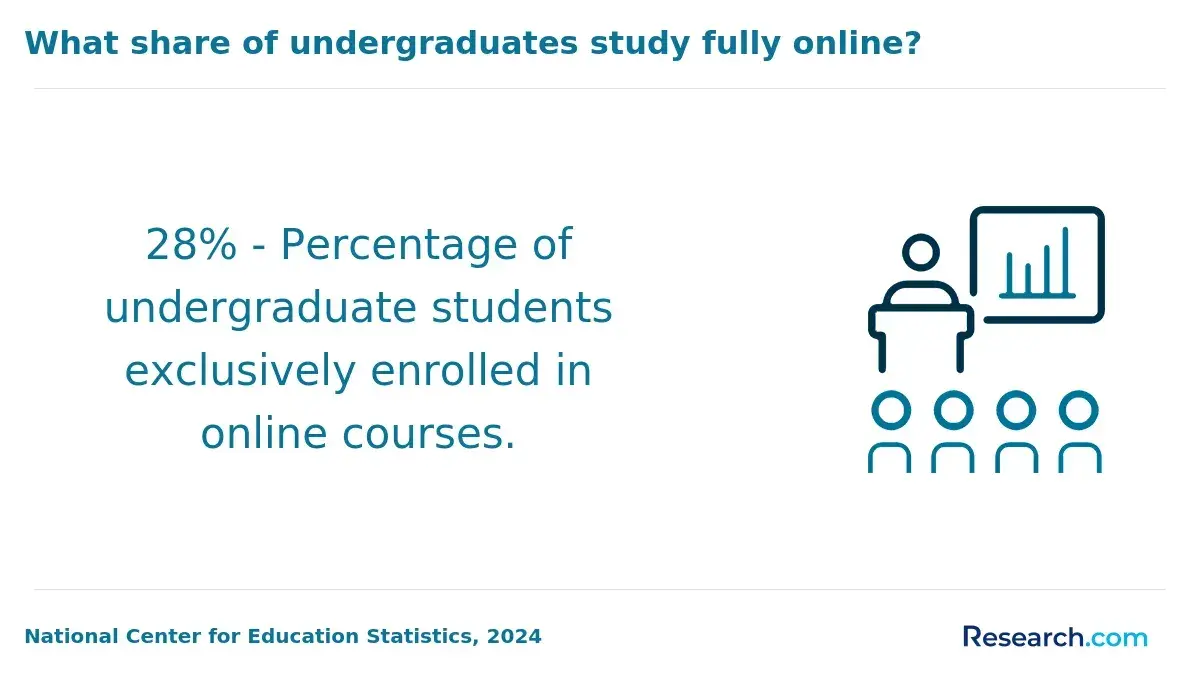
Online education offers unmatched flexibility, making it easier for busy professionals to advance their careers. According to the National Center for Education Statistics, the number of students enrolled in fully online graduate programs has steadily increased by over 5% annually, reflecting growing demand for remote learning options. Understanding how long does it take to earn an online Educational Policy degree is crucial for planning a successful academic path.
This article explores average completion times, key factors influencing program length, and guidance on selecting the right program based on individual goals and schedules. The aim is to enable informed, confident decisions about pursuing this degree online.
Key Benefits of Online Educational Policy Degree
- Most online educational policy degree programs take between 1.5 to 3 years to complete, allowing students to start their careers or advance professionally within a reasonable timeframe.
- Flexible scheduling options help students balance coursework with work or family commitments, making part-time progress common and extending timelines without compromising learning quality.
- Accelerated programs are available that can reduce completion time to about 12-18 months, appealing to motivated learners seeking faster entry into education policy roles.
What is the Average Completion Time for Online Educational Policy Programs?
Online educational policy degree programs typically vary in length depending on the degree level and format, with completion times ranging from just over a year to several years for part-time study. Understanding the average time to complete online educational policy degree programs can help prospective students better plan their academic and professional goals.
Below is a breakdown of common program lengths by degree level.
- Master's in Educational Policy: Most full-time online master's programs in educational policy take about two to three years to complete. Accelerated options can shorten this to as little as 12 to 14 months, while part-time pathways may extend the duration for working professionals balancing multiple commitments.
- Doctor of Education (EdD) in Educational Policy: Full-time EdD students generally finish online programs in around three years, covering both coursework and dissertation research. Accelerated routes or embedded research projects can reduce this to as few as two years. Part-time EdD students typically take between four and seven years, depending on their pace and dissertation requirements.
- Specialized or Accelerated Programs: Some institutions offer highly accelerated online degrees with formats like seven-week courses, enabling completion in just over a year. These options are ideal for students seeking rapid certification or those with prior experience, transfer credits, or integrated capstone projects.
Completion times vary due to factors such as study pace, program structure, transfer credits, and capstone or dissertation demands. To gain a clearer picture of an online educational policy degree program length that suits individual circumstances, prospective students should review specific programs carefully and seek advising.
For those considering their broader educational pathways, exploring a comprehensive list of college majors may also provide valuable insights.
What Factors Can Affect How Long It Takes to Earn an Online Educational Policy Degree?
The time it takes to earn an online educational policy degree varies widely due to multiple factors that influence how quickly students can progress toward graduation. Understanding these key influences can help prospective students plan their academic journey more effectively.
Below are the main factors affecting program length, each playing a role in either accelerating or extending completion time.
- Enrollment Status (Full-time vs. Part-time): Students who study full-time typically finish their educational policy programs in about three years. In contrast, part-time students often take four to seven years, as they balance coursework with jobs or family commitments.
- Transfer Credits: Applying relevant post-master's or Educational Specialist (EdS) credits can reduce the total time required. However, acceptance of transfer credits depends on institutional policies and varies by program, making it important to verify beforehand.
- Course Load and Academic Calendar: Taking heavier course loads or enrolling in accelerated programs that offer year-round classes can shorten completion time. Some programs enable motivated students to graduate in as little as 24 to 32 months by starting research early and maintaining continuous enrollment.
- Dissertation or Capstone Requirements: The scope and complexity of final projects heavily influence program length. More demanding research or writing phases may extend the timeline as students dedicate significant effort to completing these critical components.
- Personal and Professional Commitments: How personal circumstances impact online educational policy degree timeline is significant; those working full-time or supporting families often choose part-time study to maintain flexibility, which naturally extends the duration but accommodates life demands.
- Institutional Policies and Support: Clear degree requirements, flexible credit transfer rules, and availability of online courses help students progress smoothly. Schools that provide strong advising and detailed program maps contribute to minimizing unnecessary delays.
For students seeking options tailored to their needs, exploring online universities with open admission can broaden access and potentially affect how quickly they complete their studies.
What Are the Different Types of Online Educational Policy Programs Available?
Students seeking online educational policy programs can select from a variety of degree types and specializations tailored to different career goals and educational interests. The main options include the following programs, each designed to prepare graduates for specific roles in policy-making, leadership, or research within the education sector.
- Online master's in educational policy: These programs provide foundational knowledge in governance, policy analysis, and strategic planning. Typically lasting 18 to 24 months, they accommodate part-time or full-time study and suit early- to mid-career professionals aiming to influence policy or advance in administrative positions.
- Online Ed.D. in educational policy: The Doctor of Education degree emphasizes advanced policy research, data analysis, and leadership skills. Often completed over 2 to 3 years part-time, these programs focus on translating research into actionable policy and are ideal for professionals pursuing leadership roles in government, nonprofits, or school districts.
- Specialized concentrations (e.g., K-12 leadership, higher education, rural education): Many programs offer specific tracks to address needs in district administration, higher education policy, or rural education challenges. These concentrations prepare students for focused leadership and policy roles in their chosen areas.
- Policy research and data analysis programs: Designed to develop strong analytical and research capabilities, these degrees prepare graduates for roles in policy evaluation, academic research, and data-driven decision-making. They are well-suited for those interested in rigorous policy analysis and program assessment.
Online educational policy degree programs in the United States typically require a defined range of credit hours for completion, which varies significantly depending on the degree level and individual program structure. Understanding the typical credit hour requirements can help prospective students plan their study timelines and balance their commitments effectively.
Below is a breakdown of the average credit hour requirements by degree level for online educational policy programs.
- Bachelor's degree: Most online bachelor's degrees related to educational policy require around 120 credit hours. Full-time students often complete these programs in about four years. Part-time students or those transferring credits might extend or shorten this timeframe depending on their circumstances and institutional policies.
- Master's degree (M.Ed. or M.A.): These programs usually necessitate 30 to 36 credit hours. Full-time learners commonly finish within 18 to 24 months, while part-time students might take up to three years or more. Some programs permit up to six transfer credits, which can reduce the overall duration. Program components like theses or practicums can influence credit demands and pacing.
- Educational Specialist degree (Ed.S.): Typically a post-master's credential, the Ed.S. requires about 30 credit hours. Students can complete it in one to two years depending on full- or part-time status. Sequential cohort structures and transfer policies for graduate work may affect the timeline and credit load.
- Doctoral degree (Ed.D. or Ph.D.): These programs generally range from 60 to 72 credit hours, encompassing core courses, research, and dissertation credits. Full-time enrollment may lead to completion in three to five years; part-time study often takes longer. Transfer credits and prior graduate coursework can impact both required credits and total duration.
A graduate of an online educational policy degree I spoke with reflected on the emotional and logistical challenges of completing the required credits. They described balancing a full-time job and family responsibilities with semesters packed full of rigorous coursework. Particularly taxing were the moments when asynchronous classes required deep engagement late at night, demanding discipline and resilience.
However, the structure of the program - including clear credit requirements and flexible transfer options - helped them keep steady progress, making the eventual graduation a rewarding milestone. Their experience highlighted how understanding credit hour expectations early on can empower students to navigate the demands with confidence and sustain motivation throughout their journey.
A standard online educational policy curriculum typically includes a mix of foundational and specialized courses designed to equip students with both theoretical knowledge and practical skills for careers in education policy, leadership, and advocacy.
Below is a list highlighting examples of core courses and subject areas commonly offered in such programs, illustrating the diverse learning focus areas students can expect.
- Public Institutions and the Policy Process: This course explores how public institutions function and the stages of policy-making, emphasizing the development and implementation of education policies across government levels. Students learn to analyze policy effects and understand the interplay between education systems and broader societal forces, preparing for roles in policy analysis and government agencies.
- Social, Historical, and Philosophical Foundations of American Education: Focusing on the evolution of education in the U.S., this course examines key social, historical, and philosophical factors shaping current policies and practices. It provides essential context for understanding reforms and ongoing debates within a broader societal framework.
- Organizational Behavior in Educational Settings: Addressing leadership, communication, and change management in education, this course develops skills crucial for leading schools, districts, or policy organizations and fostering equitable environments.
- Program Evaluation: Students gain quantitative and qualitative research methodologies for evaluating educational programs and policies, learning to collect and analyze data to inform decision-making in research, consulting, or government roles.
- Law and Education: This course covers legal principles and landmark court decisions affecting education, with a focus on equity, access, student rights, and governance, essential for compliance and legal advocacy in policy work.
- Public Finance in Education: Students study budgeting, funding mechanisms, and economic challenges in education, enabling them to analyze fiscal policies and advocate for fair resource distribution.
- Principles of Education Research: Introducing research design, ethics, and statistical analysis, this course equips students to produce and interpret evidence-based research that influences policy.
- Diversity and Equity in Education: Exploring multiculturalism, inequality, and social justice, students learn to develop policies addressing the needs of diverse populations, a critical area in closing achievement gaps.
- Urban Education Reform: This course examines challenges unique to urban education, including segregation and funding disparities, preparing students to implement innovative policies for metropolitan school systems.
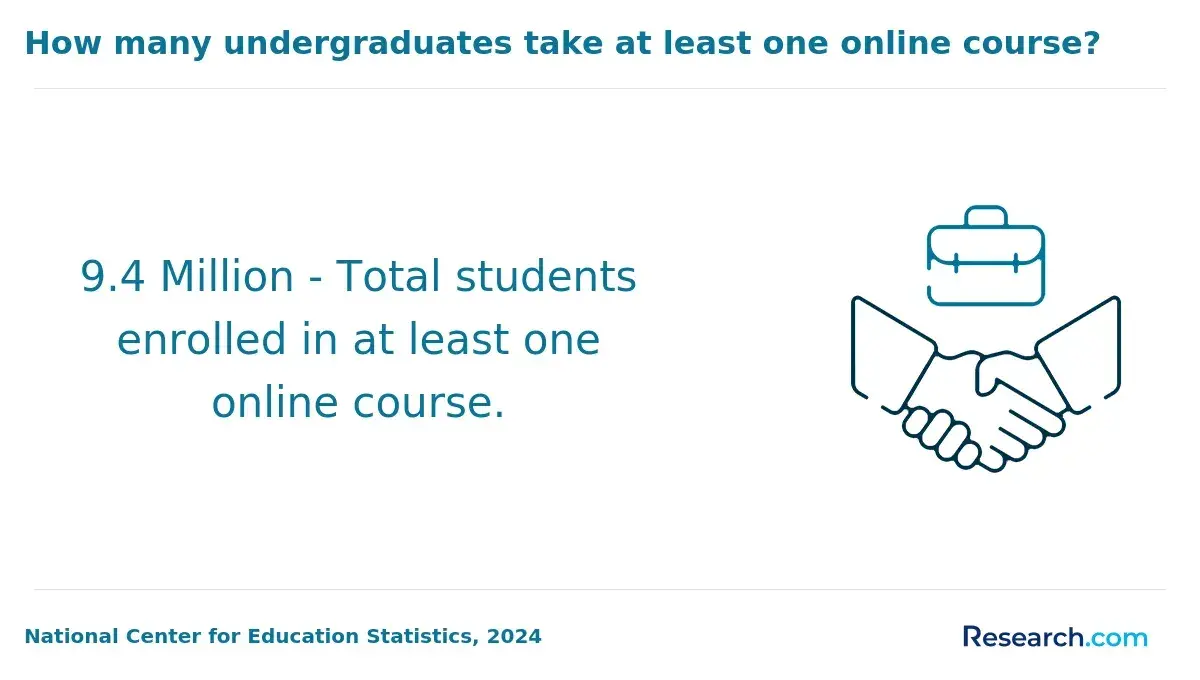
Online educational policy programs typically offer multiple start dates throughout the year, providing significant flexibility that helps working professionals and busy students begin their studies at a convenient time. This adaptability allows learners to pursue their academic goals without having to wait for traditional academic calendar cycles.
Below are the most common start schedules for online educational policy programs:
- Traditional Academic Calendar: Many reputable programs, such as those at the University of Michigan and American University, align start dates with the standard academic year, usually beginning in the fall and sometimes in the summer or spring. This option suits students who prefer a predictable timeline and want to coordinate their studies alongside other commitments.
- Summer-Only or Cohort Starts: Some programs admit students once per year, often in the summer, with all students progressing together as a cohort. This cohort model, used by the University of Kansas, appeals to learners seeking a structured experience and strong peer connections throughout the program.
- Rolling Admissions: Certain programs review applications continuously after priority deadlines, admitting students as space becomes available. This flexible schedule benefits applicants needing extra time to prepare or who want to start at the earliest opportunity once admitted.
- Monthly or Quarterly Starts: Institutions focused on serving working adults often offer start dates multiple times a year, sometimes monthly or quarterly. For example, Walden University's PhD in Educational Policy, Leadership, and Management emphasizes frequent start dates, enabling students to begin coursework year-round and maximize scheduling flexibility.
Accelerated online educational policy programs significantly shorten the time required to earn a degree compared to traditional formats, giving motivated students the chance to advance their careers more quickly. These programs achieve faster completion through several innovative approaches that streamline coursework and scheduling.
Below are common ways accelerated programs enable students to finish their educational policy degree sooner:
- Shorter Course Terms: These programs often use condensed course blocks, such as 7-week sessions instead of the usual 15-week semesters, allowing students to take more classes within a year and move through the curriculum quicker.
- Year-Round Enrollment: By offering multiple start dates and continuous enrollment, students can study through summer and winter terms without breaks, which reduces delays common in traditional academic calendars.
- Transfer Credits: Many programs accept transfer credits from prior coursework or relevant professional experience, enabling students to bypass introductory topics and jump to advanced courses, reducing total coursework needed.
- Competency-Based Learning: This approach lets students progress as soon as they demonstrate mastery, especially benefiting those with prior knowledge by focusing time on new material only and accelerating overall progress.
- Integrated Capstone or Dissertation: Especially at the doctoral level, integrating project or dissertation work within regular courses allows students to complete these requirements concurrently, significantly shortening time to degree.
I spoke with a graduate of an online accelerated educational policy degree who shared that managing an intense course load in shorter terms was initially daunting but ultimately rewarding. They described the challenge of balancing full-time work and family responsibilities with rapid learning cycles, noting that the program's flexible schedule and continuous enrollment options were crucial.
The ability to transfer prior graduate credits saved months, and competency-based assessments let them avoid repeating material they already knew well. Despite moments of stress, they appreciated the seamless integration of dissertation work within coursework, which helped maintain momentum and kept motivation high throughout the program.
Completing an online educational policy degree faster can significantly impact overall education costs, making it a practical option for many students. Accelerated programs are designed to shorten the time required to graduate, which often leads to tangible financial benefits.
Below are the main ways through which finishing an online educational policy faster can result in cost savings and improved financial outcomes:
- Lower Tuition Costs: Accelerated programs enable students to take fewer semesters to complete their degree, reducing total tuition expenses since many institutions charge tuition per credit hour or term. This tuition reduction by completing educational policy degree faster can lead to substantial savings compared to traditional timelines.
- Reduced Living Expenses: A shorter program duration means students spend less time paying for housing, food, and other living costs related to their education. This reduction is especially important for those who might otherwise need to relocate or sustain longer periods away from work.
- Earlier Entry Into the Workforce: Finishing a degree sooner allows students to begin full-time employment or career advancement earlier, providing a quicker return on investment through increased earning potential. This advantage enhances the cost savings of accelerated online educational policy degree programs by offsetting education costs with earlier income.
- Less Time Off Work: Working professionals benefit from accelerated degrees by minimizing the disruption to their careers. Less time away from work means sustained income levels and fewer financial challenges stemming from juggling job responsibilities with studies.
For those researching affordable educational options, exploring cheap master degrees online can provide additional insights into cost-effective online programs that align with accelerated timelines.
Graduates can often start working within weeks to a few months after earning their online Educational Policy degree, depending largely on the time to employment after online Educational Policy degree completion. This timeline varies with the specific field such as government, nonprofit, or academia, as well as the current market demand. Individuals with prior relevant experience or professional backgrounds in education or policy analysis typically transition faster into new roles.
In contrast, those entering highly competitive sectors or seeking advancement without prior experience may experience longer job search periods. Thus, job prospects improve significantly when graduates combine their degree with applicable work history.
Online Educational Policy programs are structured to support practical learning alongside employment, which enhances online Educational Policy graduate job prospects. Many programs encourage internships, capstone projects, or field experiences, enabling students to build valuable professional networks and gain hands-on skills before graduating.
This immersion helps students demonstrate real-world competence and facilitates smoother transitions to employment. Networking with faculty, peers, and industry professionals during study adds further advantage. For those seeking accelerated career paths, exploring short PhD programs online may also present efficient opportunities to advance in education policy roles.
The average salary for education policy graduates in the US typically ranges from about $49,000 to over $100,000 annually, depending on career level, experience, and industry. To give a clearer picture of expected earnings, here is a breakdown of average salaries by common career paths and roles for those holding an online educational policy degree.
- Entry-Level Roles: Recent graduates often begin as policy analysts or research assistants, earning between $49,000 and $65,000 annually. Salaries vary based on the employer type, such as government agencies, nonprofits, or think tanks, as well as geographical location and prior experience.
- Mid-Career Professionals: Policy analysts with several years of experience or those supervising junior staff can expect salaries ranging from $65,000 to $94,000. Advancement and pay increases often relate to additional credentials, networking, and taking on complex projects.
- Specialized Positions: Graduates focusing on research or advocacy roles, like senior policy advisors or program evaluators, earn median salaries between $75,000 and $85,000. Specialized skills, including data analysis or legislative affairs, especially in large metro areas, can increase compensation.
- Leadership Roles: Those with advanced degrees (EdD or PhD) may become postsecondary education administrators or academic deans, earning from $69,000 to over $100,000, with academic deans averaging around $105,462. These roles demand significant experience and pay varies by institution and region.
- Industry Variations: Beyond traditional public sector jobs, opportunities in private consulting, philanthropy, or corporate training often provide higher salaries. Those with strong analytical skills and advanced qualifications tend to earn at the higher end of the education policy analyst salary United States spectrum. For more details on career options related to education, see top vocational degree careers.
Here's What Graduates of Online Educational Policy Programs Have to Say About Their Degree
- Jamal: "Completing my online educational policy degree was a transformative experience that allowed me to balance my full-time job while deepening my understanding of the intricacies involved in shaping fair and effective education systems. The program's flexibility meant I could engage with coursework and discussions anytime, fostering a sense of community despite the virtual environment. Now, I'm confidently advocating for policy improvements that truly consider underrepresented communities, which is a dream come true for me. This journey has strengthened my passion for equity in education and empowered me to make a tangible difference. "
- Isabella: "Pursuing an educational policy degree online challenged me to develop strong self-discipline and time management skills, especially while juggling family responsibilities. The curriculum broadened my perspective on how legislative decisions impact classroom realities, sparking a desire to influence those decisions directly. After graduating, I secured a role as a policy analyst where I contribute to research that helps craft supportive educational reforms. This program not only boosted my professional qualifications but also deepened my commitment to improving student well-being across diverse districts."
- Ravi: "As an educator passionate about community impact, enrolling in an online educational policy program offered me unique opportunities to connect with peers nationwide and exchange ideas on educational equity and innovation. The experience enriched my leadership skills and expanded my understanding of systemic challenges facing schools today. Graduating has opened doors for me to lead initiatives that promote inclusive education policies locally, giving me a profound sense of accomplishment and hope. This program truly enhanced my career trajectory and personal growth simultaneously. "
Other Things You Should Know About Online Educational Policy Degree Programs
Yes, many online Educational Policy degree programs accept transfer credits. Typically, programs will review the content and relevance of prior courses to ensure they meet their academic standards. Students should check with their chosen institution for specific transfer credit policies.
Most online educational policy degrees end with a capstone or thesis that is worth 3 to 6 credits and takes one term to complete. Many programs require students to analyze policy data, write a formal recommendations report, and present findings to a faculty committee.
In 2027, an online Educational Policy degree typically takes 1-2 years for a master's and 3-4 years for a bachelor's, depending on part-time or full-time enrollment. Factors like program structure and transferred credits can influence the duration.
Some programs include capstone projects, internships, or practicums that provide real-world policy analysis experience. Even fully online degrees may coordinate placements locally or through virtual projects, enhancing practical understanding alongside theoretical knowledge.
- How Long Does an Online EdD Program Take? Full-Time vs. Part-Time Options Explained https://snatika.com/single-blog/how-long-does-an-online-edd-program-take-full-time-vs-part-time-options-explained
- Education Policy, M.S.Ed. https://www.gse.upenn.edu/academics/education-policy-msed
- How Long Does it Take to Complete a Master's Degree Online? https://graduate.northeastern.edu/knowledge-hub/how-long-does-it-take-to-get-an-online-degree/
- How the College Credit Transfer Process Works and How it Can Be Improved | ACE Blog https://ace.edu/blog/how-the-college-credit-transfer-process-works-and-how-it-can-be-improved/
- Do College Credits Expire? The Ultimate Guide https://www.edvisorly.com/student-guides/do-college-credits-expire
- 5-great-tips-for-graduating-early-online-education-advantages https://www.waldenu.edu/programs/resource/5-great-tips-for-graduating-early-online-education-advantages
- Master of Education (M.Ed.) in Educational Administration and Policy (Tier 1 School Leadership Track) | UGA Online | Online Degrees, Certificates and Courses https://online.uga.edu/degrees-certificates/master-education-educational-administration-policy-tier-1-school-leadership-track/
- Accelerated Online Master’s Degree in Education (MEd) | Warner Pacific https://www.warnerpacific.edu/programs/master-of-education/
- Education Policy Jobs - Careers & Salaries - School of Education https://drexel.edu/soe/resources/career-path/education-policy/
- Educational Leadership | Accelerated Online https://usm.maine.edu/academics/academic_programs/educational-leadership-online/