2027 Questions to Ask About Online Educational Policy Degree Programs Before You Enroll

Co-Founder and Chief Data Scientist
Many prospective students consider online educational policy degree programs without fully understanding their impact on career prospects or licensure eligibility. According to the National Center for Education Statistics, enrollment in education-related online graduate programs increased by 35% from 2018 to 2023, reflecting growing demand yet also greater competition for quality programs. This surge underscores the importance of carefully evaluating program outcomes and alignment with professional goals. This article outlines essential questions to ask about accreditation, faculty expertise, curriculum rigor, licensure preparation, and costs, enabling informed decisions that support successful careers in educational policy.
Key Benefits of Enrolling in Online Educational Policy Degree Programs
- Online educational policy programs offer flexible schedules, allowing students to balance coursework with professional and personal responsibilities effectively.
- These programs often reduce costs by eliminating commuting expenses and providing access to affordable digital resources.
- Studies show online learning can improve work-life balance, with 63% of students reporting less stress compared to traditional classes.
Is the Online Educational Policy Degree Program Accredited?
Accreditation plays a vital role in ensuring that an online educational policy degree program meets established quality standards, which directly affects how the degree is recognized by employers, other institutions, and certification boards. This recognition is crucial for licensure eligibility and advancing career opportunities in education policy and administration. Nearly 90% of students in licensed professions require an accredited degree to qualify for certification or licensure, highlighting the importance of choosing accredited online educational policy programs.
Regional accrediting bodies such as the Higher Learning Commission (HLC) and the Middle States Commission on Higher Education (MSCHE) typically provide the most widely accepted credentials, while specialized accreditations like those from the Council for the Accreditation of Educator Preparation (CAEP) also enhance program credibility. Prospective students should carefully verify a program's accreditation status before enrollment by consulting the U.S. Department of Education's Database of Accredited Postsecondary Institutions and Programs or the accrediting agency's official website. Accreditation affects eligibility for federal financial aid, the transferability of credits, and long-term professional recognition.
Those exploring further advanced degrees or career pathways may also consider exploring online doctorate of education programs to build on their foundational degree. Ensuring a program's accreditation is one of the most important steps for students when researching online educational policy degree accreditation and accredited online educational policy programs.
What Are the Admission Requirements for Online Educational Policy Programs?
Meeting admission requirements is essential for prospective students evaluating online educational policy programs to ensure they are eligible and adequately prepared for academic rigor. These criteria play a vital role in helping programs select candidates with the appropriate background and skills to succeed.
The following summarizes key requirements to enroll in online educational policy programs:
- Bachelor's degree: Applicants must hold a bachelor's degree from an accredited institution, providing a necessary academic foundation. This ensures candidates have completed undergraduate studies relevant to advanced education policy coursework.
- GPA minimum: Many programs set a minimum undergraduate GPA to assess academic readiness and the ability to manage graduate-level demands. This metric helps maintain program quality by admitting prepared students.
- Letters of recommendation: Usually two or three letters from academic or professional sources give insight into an applicant's competencies and potential. They help admissions committees evaluate qualities not evident in transcripts alone.
- Statement of purpose: A written explanation of the applicant's goals and interest in educational policy demonstrates focus and commitment. This document clarifies how the program fits into their career trajectory.
- Resume or CV: Candidates should include relevant experience related to education, research, or policy environments to showcase preparedness and background.
- Standardized tests: Some programs require GRE scores, though many have waived this requirement recently to increase accessibility.
For students researching admission criteria for online educational policy degrees, understanding these components helps focus applications on program expectations. Prospective students comparing programs may also want to consider costs and career outcomes, which can be explored alongside options such as an online business degree as part of a broader educational plan.
What Classes Do You Take in an Online Educational Policy Program?
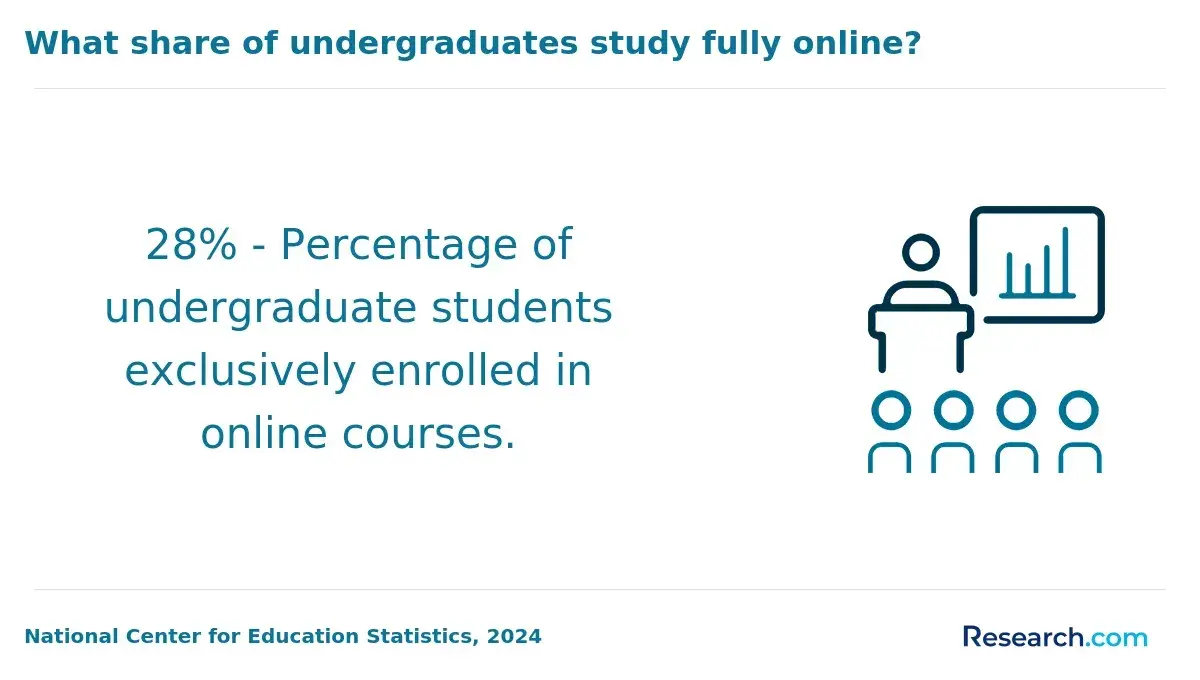
Grasping the curriculum is essential for prospective students comparing online educational policy programs, as it clarifies how each course contributes to their future career success. Enrollment in online graduate education programs has surged by over 20% annually, making it critical to choose courses that align closely with professional goals.
Online educational policy degrees commonly offer three categories of classes that form the program's backbone:
- Core courses: These classes introduce fundamental concepts in policy evaluation, education governance, and legal frameworks. They build analytical skills needed to assess how policies affect different educational settings and populations.
- Electives: Designed to deepen knowledge in specialized areas, electives might include equity in education, leadership development, or using data for policy decisions. These classes allow students to tailor their learning to particular career aspirations.
- Research seminars: These focus on honing critical thinking, communication, and data interpretation abilities while engaging with current policy issues, thus preparing students for roles in research and policy-making environments.
Breakdown of Public Fully Online Title IV Institutions

Knowing how long an online educational policy degree takes helps students manage their time and finances effectively while planning their career path. Clear expectations on program duration also assist in aligning education with professional goals. Here are typical timelines for completing an online educational policy degree:
- Full-time study: Most full-time master's programs last between 1 and 2 years. This path suits students who can dedicate substantial time each week to courses, enabling quicker graduation and earlier entry into the workforce.
- Part-time study: Part-time options extend the program length to about 3 years or more. This flexible approach allows students to balance work, family, and study commitments but requires longer-term planning.
- Accelerated programs: Some degrees offer fast-track options completed within 12 to 18 months. These require intense, focused study and are best for students able to fully commit to a condensed schedule.
- Programs with practical components: Including internships or clinical hours can lengthen completion time. The added experiential learning benefits career readiness but demands additional scheduling and time investment.
Most online educational policy programs include an internship or practicum component, although requirements vary widely. These experiences are designed to give students supervised, practical exposure where they can apply policy concepts in real education environments, helping build key skills like program evaluation and stakeholder collaboration. Some programs set mandatory hours at approved locations, while others provide flexible options such as waivers or alternative projects for those already working in the field.
Hands-on learning is increasingly seen as essential for career readiness, particularly for roles in government, nonprofits, or school districts. Notably, around 65% of students in educational policy master's programs complete a formal practicum or internship, highlighting its growing prominence in training.
Graduates of online educational policy degree programs can pursue professional licensure, but availability depends on the specific career path within the field. Unlike teacher certification, which often mandates state-approved programs and supervised clinical experiences, many educational policy roles do not require a formal license. However, positions such as school administrators or counselors usually need state licensure or certification, and reputable online programs often structure their curricula to align with these requirements. Typical licensure prerequisites include completing an accredited program, passing state exams, and fulfilling supervised practice hours.
Many online educational policy programs support licensure eligibility by offering practicum placements or partnerships with local schools, helping students meet these critical requirements. Licensure is a key factor for prospective students evaluating online educational policy degree licensure requirements because it directly affects eligibility for various jobs and influences salary potential. Nearly 70% of education administration roles require state certification, underscoring the importance of licensure-focused preparation for certain careers in educational policy. When choosing an online degree, students should verify that the program's accreditation and curriculum meet their state's licensure criteria.
It is also important to consider how licensure impacts employment opportunities and be sure to check if programs prepare students for state-specific licensure exams and offer supervised field experiences. For those exploring further options in graduate education, reviewing cheap psychology masters programs can provide insight into affordable pathways that complement educational career goals.
Prospective students evaluating online educational policy programs need to carefully consider the full costs to budget effectively and assess the program's value. Recent data show tuition for these programs ranges widely, impacting total expenses significantly. Understanding these components helps inform decisions about pursuing a degree in this field.
Typical expenses associated with online educational policy programs include the following:
- Tuition per Credit: Tuition rates commonly range from $400 to $1,200 per credit hour. Since most programs require between 30 and 36 credit hours, total tuition alone can vary between $12,000 and $43,200 depending on the institution and program structure.
- Mandatory Fees: Additional charges often cover registration, technology support, and graduation applications. These fees usually add several hundred dollars to the overall cost and differ between schools.
- Course Materials: Students may need to purchase textbooks, specialized software, or other materials that are not included in tuition. While some institutions are increasing support for affordable digital resources, costs for materials may still be a significant factor.
- Technology Requirements: Hardware, reliable internet bandwidth, and software needed for virtual classrooms and video conferencing can add to expenses. These costs depend on a student's existing equipment and the program's technological demands.
Because tuition fees for online educational policy programs vary widely, it is important to request detailed cost breakdowns from schools before enrolling. For those weighing career prospects, students might also explore information about high paying degrees related to their field to maximize return on investment.
Understanding financial aid options is essential for prospective students considering online educational policy programs because it can considerably reduce the overall expense of earning the degree. Nearly 60% of graduate students take advantage of some form of financial aid, underscoring its vital role in higher education affordability. Students searching for financial aid options for online educational policy degrees have several opportunities to explore.
These options vary in eligibility and can greatly impact the total cost of their studies:
- Federal student loans: Accessible to most students after submitting the Free Application for Federal Student Aid (FAFSA), these loans typically come with fixed interest rates and offer repayment plans that adapt to income changes. While they do lower upfront costs, these loans must be repaid with interest, so long-term financial planning is important.
- Grants and scholarships: Usually awarded based on merit or financial need, grants and scholarships do not require repayment. Eligibility can depend on academic performance, demographics, or relevant professional experience, making them a crucial component of scholarships and grants for online educational policy students.
- Employer tuition assistance: Many working adults benefit from tuition reimbursement or assistance programs offered by their employers. This aid can cover partial or full tuition costs if the coursework is aligned with their job responsibilities or career advancement in educational policy.
- State aid programs: Some states provide dedicated grants or scholarships for residents enrolled in graduate-level online programs. These programs often require proof of residency and enrollment status and can ease the financial burden for eligible students.
Careful research and timely applications for these financial aid sources can make advanced study in educational policy genuinely affordable. Those comparing programs might also consider exploring the top online degrees, which include some educational policy tracks known for favorable career outcomes and manageable costs.
Knowing the career paths available with an online educational policy degree is essential for students to align their education with their professional goals. The Bureau of Labor Statistics projects a 6% growth in education administration jobs over the next decade, indicating steady demand. Below are common roles graduates can pursue.
- Education Policy Analyst: These professionals research and evaluate education systems, advising policymakers on reforms. The degree equips students with skills in data analysis and policy development, opening doors to government agencies or think tanks.
- School Administrator: Graduates may become principals or district administrators, overseeing school operations and implementing educational programs. This role often leads to higher leadership opportunities in education management.
- Program Coordinator: Coordinators manage education initiatives, grant programs, or community outreach efforts. An educational policy degree provides a foundation in planning and assessment, crucial for driving program success.
- Advocacy Specialist: These specialists promote education equity and reform through lobbying and public engagement. The degree's focus on policy and ethics prepares graduates to influence legislation and support underserved populations.
- Researcher in Education Organizations: Researchers conduct studies that inform best practices and policy changes. With strong analytic and writing skills gained in the program, graduates contribute valuable insights to academic or nonprofit institutions.
Knowing the potential earnings after completing an online educational policy program helps prospective students evaluate the value of their investment. Recent data indicates that average salaries in this field range from $60,000 to $90,000 annually, with an expected wage growth of about 7% over the next ten years.
Below are key factors that affect salary outcomes for graduates pursuing careers in educational policy.
- Level of education: Holding advanced degrees such as a master's or doctorate often leads to higher pay since these credentials open doors to leadership and specialized roles. Employers typically reward greater expertise and qualifications with increased compensation.
- Specialization: Salary differences arise depending on focus areas within educational policy. Fields like policy analysis, educational leadership, or equity and access work each have varying demand levels and complexity, which impact earning potential.
- Experience: Career longevity matters, as professionals with more years in the sector usually command better salaries. Accumulated skills and a track record of success contribute to higher pay grades.
- Geographic location: Salaries fluctuate across regions, with urban centers and states that allocate substantial budgets to education typically offering more competitive wages. Cost of living also influences pay scales in different areas.
- Work setting: Employment type plays a significant role; government positions, non-profits, and private organizations each have distinct pay structures. Some sectors offer higher salaries based on funding sources and organizational priorities.
What Graduates Say About Enrolling in an Online Educational Policy Degree
- Briar: "Choosing the online educational policy degree was a smart financial move for me since the average cost was much lower than traditional programs. The flexibility of the courses allowed me to balance work and study efficiently, and now I'm confidently leading projects that influence school district policies. The investment truly paid off in advancing my career."
- Vance: "When I first explored the cost of an online educational policy program, I appreciated the transparency and reasonable tuition compared to on-campus options. The experience challenged my perspectives and sharpened my analytical skills while fitting into my busy schedule. This degree opened doors for my promotion into a strategic role within my organization."
- Marlo: "Paying for the online educational policy degree was a big decision, but the competitive pricing and positive reviews convinced me to enroll. The virtual learning environment was engaging, and the faculty support helped me thrive academically. Since graduating, I've seen a significant boost in my professional opportunities and influence in education reform. "
Other Things You Should Know About Educational Policy Degrees
Ask whether the program requires a laptop with at least 8 GB of RAM, a current webcam, a microphone, and reliable broadband internet. Also confirm support for Zoom, Canvas, or Blackboard, plus any needed proctoring software. Some programs require students to use a VPN for secure document access.
To evaluate faculty quality in 2027, students should review faculty qualifications, research publications, and professional experiences. Contacting alumni for feedback and analyzing faculty involvement in cutting-edge policy projects can also provide valuable insights.
Quality programs offer virtual events, webinars, and discussion groups that connect students with alumni, faculty, and education policy professionals. Some schools also facilitate access to conferences, internships, or partnerships with education agencies. Checking if the program has an active online community and career services can help students build relationships to support their careers after graduation.
- Educational Policy Graduate Certificate https://www.online.drexel.edu/online-degrees/education-degrees/cert-edpo/index.aspx
- Choosing An Online Degree Program: 9 Do's And Don'ts https://www.saintleo.edu/about/stories/blog/choosing-an-online-degree-program-9-dos-and-donts
- Education Policy Jobs - Careers & Salaries - School of Education https://drexel.edu/soe/resources/career-path/education-policy/
- How Online Education Financial Aid Can Empower Your Career https://lakewood.edu/online-education-financial-aid-6/
- MAT vs. MEd: Comparing Degrees and Leadership Styles | School of Education | American University, Washington, DC https://www.american.edu/soe/graduate/articles/mat-vs-med-comparing-degrees-and-leadership-styles.cfm
- Benefits of Earning a Master of Education Degree https://www.mountunion.edu/academics/graduate-degrees/med-program/benefits-of-earning-an-med
- Educational Policy Online Graduate Certificate https://www.umassd.edu/programs/educational-policy-graduate-cert-online/
- What Is An Online Ed.D. In Education Policy? - Noodle.com https://resources.noodle.com/articles/edd-education-policy-online/
- 293/493 Internships and 590 Practicum/Internships https://www.boisestate.edu/policy/academic-affairs-student/practicum-and-internship/
- Career Opportunities - IHEP https://www.ihep.org/about-ihep-new/working-at-ihep/career-opportunities/