2027 What Prerequisites Do You Need for an Educational Policy Degree? Entry Requirements, Credits & Eligibility Rules

Co-Founder and Chief Data Scientist
Many prospective students feel uncertain about the varying prerequisite requirements for an educational policy degree. According to recent data, nearly 40% of applicants to educational policy programs report confusion over credit transfers and eligibility rules, which can delay their admission process. Understanding these prerequisites is crucial for a smooth application and successful enrollment.
This article, prepared by career planning experts, aims to clarify common entry requirements, credit expectations, and eligibility criteria for an educational policy degree. By outlining what universities typically expect, students and working professionals can better prepare, save time, and improve their chances of acceptance into these competitive programs.
Key Things to Know About the Prerequisites for a Educational Policy Degree
- Applicants typically must have completed foundational coursework in education, political science, or sociology, ensuring a strong base for understanding policy contexts.
- A minimum GPA of 3.0 is often required, reflecting academic readiness and competency in critical analytical skills.
- Programs usually require around 120 credits, with specific emphasis on research methods, policy analysis, and quantitative skills relevant to educational policy.
Do Educational Policy Programs Require Specific High School Prerequisites?
Educational policy programs typically do not enforce strict high school prerequisites, but specific requirements can differ depending on the institution and program type. Many programs emphasize a well-rounded foundation, encouraging prospective students to have completed courses that build critical thinking and analytical skills relevant to educational policy. Those exploring the high school requirements for an educational policy degree should be aware that strong preparation often improves admissions prospects.
Commonly recommended high school subjects for students pursuing educational policy program prerequisites for high school graduates include:
- Government or Civics: Provides a foundational understanding of political systems and public administration, essential for interpreting education policies and administrative frameworks.
- History: Cultivates awareness of historical contexts behind educational reforms and policy development, linking social changes to educational outcomes.
- English or Advanced Writing Courses: Enhances skills in critical reading, essay writing, and constructing arguments, all vital for research reports and policy analysis.
- Mathematics and Statistics: Offers quantitative reasoning abilities needed for analyzing educational data and assessing policy impacts with statistical evidence.
- Economics: Introduces concepts related to resource allocation and budgeting, which are crucial for understanding funding and program development in education.
According to the National Center for Education Statistics (NCES), enrollment in educational policy-related undergraduate programs has grown by about 12% from 2016 to 2021, indicating rising interest and demand among candidates prepared with relevant high school coursework.
While specific high school courses may not be mandatory, completing these recommended subjects enhances eligibility and readiness. After admission, many programs allow flexibility through general education credits, helping students who may pursue an online associate degree in 6 months or other accelerated options.
What College-Level Prerequisites Are Required Before Starting a Educational Policy Degree?
Knowing the college prerequisites for an educational policy degree in 2026 helps students ensure academic readiness and a smooth progression through the program's interdisciplinary demands. These prerequisites build essential skills that support understanding complex policy issues and research methods.
Below are common foundational courses typically required before starting an educational policy degree.
- Introductory Social Sciences: Courses like sociology or political science introduce students to societal structures and political systems, which are crucial for analyzing education policies effectively.
- Statistics: Understanding quantitative data analysis is essential for evaluating policy outcomes and conducting rigorous research, making statistics a frequently required course.
- Academic Writing or Composition: Strong communication skills are vital to articulate complex policy issues clearly, so these courses prepare students for effective written expression in the field.
- Economics or Public Administration: Basic knowledge in these areas supports comprehension of budgeting and management within education systems, often complementing policy studies.
- Lab Sciences: While less common, lab sciences may be required in programs emphasizing experimental research methods tied to educational data analysis.
These courses align with standard educational policy degree entry requirements, providing critical thinking, data interpretation, and research skills. According to the National Center for Education Statistics, over 70% of programs emphasize these prerequisites as essential. For students exploring options, reviewing the easiest doctoral programs can offer insights into various requirements and pathways in this field.
How Many Credits Can You Transfer Into a Educational Policy Degree?
Students transferring credits into an educational policy degree generally can apply between 30% and 60% of the total credits required, although these limits fluctuate depending on the institution, program design, and accreditation standards.
For example, many bachelor's programs cap transfer credits at around 60 credit hours, while graduate degrees often permit fewer-commonly between 12 and 18 credit hours. Differences in residency rules and program criteria also influence how many credits will be accepted toward degree completion.
Several important factors impact credit transfer eligibility. Credits typically must come from college-level coursework aligned with the educational policy curriculum, and most schools expect a minimum grade of C or better. Residency requirements frequently mandate completing a portion of the program's credits through the enrolling institution to maintain academic quality. Credits from non-accredited schools, those earned via examination, or from remedial courses are often excluded.
Most educational policy degree programs no longer require SAT or ACT scores for admission, with many adopting test-optional or test-free policies. This shift reflects efforts to promote diversity and reduce barriers for applicants. Despite this trend, some competitive programs, public university systems, or merit-based scholarship applicants might still need to submit standardized test scores.
Flagship state universities often maintain testing criteria to better manage large applicant pools and finalize admission decisions. According to the National Association for College Admission Counseling, over half of four-year colleges had test-optional policies by 2023, signaling a broader move away from standardized testing in social science fields like educational policy.
Instead of relying on SAT or ACT results, admissions committees emphasize holistic evaluations based on factors such as GPA, relevant coursework in education, political science, or sociology, and personal essays. Letters of recommendation and portfolios demonstrating experience in education or research may also be considered.
The approach allows schools to assess applicants' academic potential and motivation more comprehensively. By valuing diverse qualifications, institutions better align candidate selection with the interdisciplinary and policy-focused nature of educational policy programs.
Success in an educational policy degree requires mastering several key skills before enrollment. These abilities support comprehension of complex materials and effective analysis of education systems, which are central to this field.
Here are the most important skills prospective students should develop:
- Foundational academic abilities: Strong reading, writing, and research skills are essential to evaluate policy papers and academic sources critically and craft clear, persuasive arguments.
- Technical proficiency: Familiarity with data analysis tools like SPSS, Stata, or Excel is valuable for interpreting statistical information that informs policy evaluation.
- Analytical and problem-solving skills: These enable students to break down intricate policy challenges and develop actionable solutions.
- Effective communication: Being able to present policy recommendations in a clear and accessible way to diverse audiences such as policymakers is crucial.
- Field-specific knowledge: Understanding how education systems operate and how policies are formed prepares students for meaningful engagement in coursework and practice.
Professional experience requirements for entry into educational policy degree programs vary widely depending on the institution, program level, and area of focus. Undergraduate degrees generally do not require work experience, prioritizing academic achievements instead.
For master's and doctoral levels, experience may be optional, recommended, or mandatory based on the school's priorities. Programs emphasizing leadership or policy analysis often favor applicants with 1 to 3 years of relevant work in education, public policy, or administration, which can enhance an application but is not always strictly necessary.
Many programs value professional experience because it signals practical knowledge and preparedness for complex coursework. Admissions committees may view roles in schools, government, or nonprofits as evidence of commitment and insight into education systems.
Nonetheless, programs with strong theoretical foundations or cohort-based learning often admit candidates without prior experience, especially those with strong academic records and clear objectives. More competitive programs that include experiential learning typically prioritize applicants with professional backgrounds to foster collaboration and applied research.
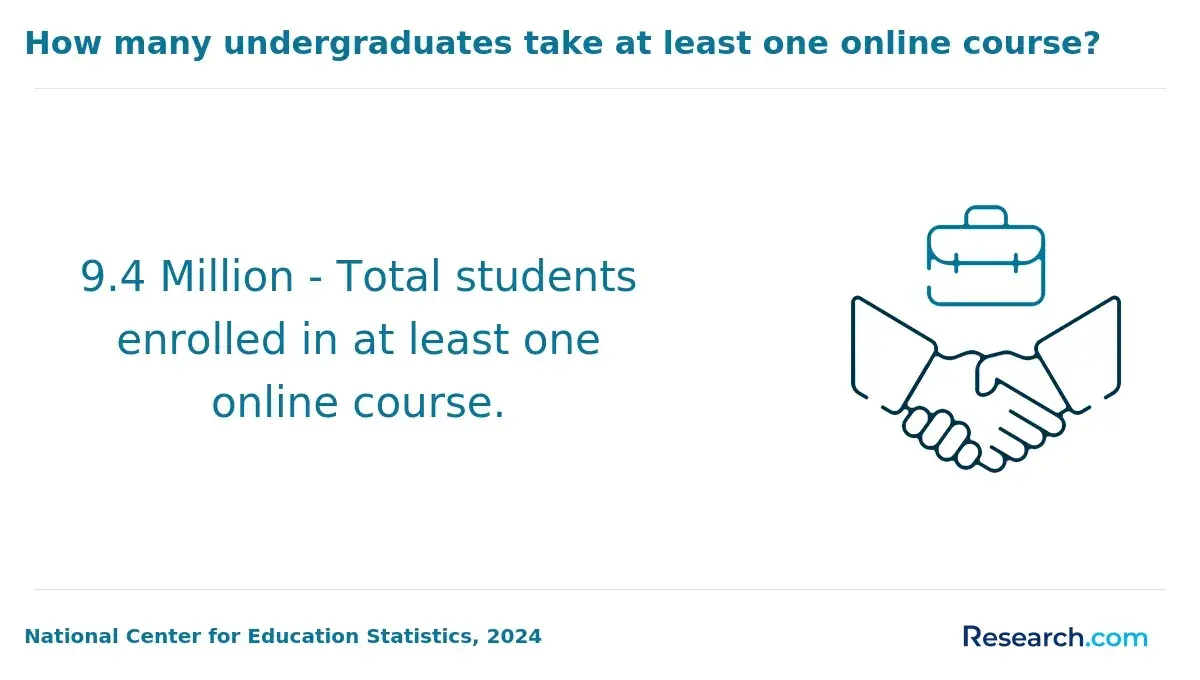
Online educational policy programs require specific technology standards to ensure students can effectively participate in coursework, collaborate with peers, and access materials without disruption. Meeting these tech prerequisites supports a smooth learning experience essential for the critical thinking and research demanded in this field.
- Hardware specifications: Students should use a computer with at least a dual-core processor, 8GB RAM, and a recent operating system such as Windows 10 or macOS Catalina or later. Adequate hardware ensures software compatibility and reliable performance during video lectures and data analysis.
- Reliable internet connection: At least 5 Mbps download speed is typically required to support streaming, live discussions, and prompt submission of assignments. A stable connection minimizes interruptions critical for active online participation in educational policy degree technology requirements 2026.
- Software and learning platforms: Access to tools like Microsoft Office or Google Workspace and learning management systems such as Blackboard, Canvas, or Moodle is essential. These platforms host course content and facilitate communication, vital for managing coursework efficiently.
- Digital literacy skills: Basic proficiency in navigating online portals, using video conferencing software, managing digital files, and conducting online research is expected. These skills enable students to fully engage with the curriculum and collaborative policy simulations remotely.
These tech standards reflect the broader trend of tech prerequisites for online educational policy programs and their role in supporting students' academic success. For individuals seeking flexible advanced learning paths, options like a doctorate degree no dissertation may also leverage similar technological requirements to ensure accessibility and rigor.
International students applying to educational policy programs often face additional prerequisites compared to domestic applicants. These requirements ensure that candidates meet academic standards and possess the necessary language proficiency to succeed.
Below is a concise overview of the most common prerequisites for enrollment in these programs.
- Academic Credentials: Applicants must provide official transcripts or degree certificates equivalent to a U.S. bachelor's degree. Many programs require demonstrated coursework in social sciences or education-related fields to ensure preparedness.
- English Language Proficiency: Since most programs are taught in English, international students typically need to submit TOEFL or IELTS scores meeting minimum thresholds. This ensures effective participation in coursework and research activities.
- Standardized Tests: Some institutions require GRE scores as part of the application. These tests assess verbal reasoning, quantitative skills, and analytical writing, reflecting readiness for graduate-level study.
- Letters of Recommendation: Strong recommendations from academic or professional sources provide insight into the applicant's capabilities and potential for success in the field of educational policy.
- Statement of Purpose: This essay outlines the applicant's academic interests, career goals, and reasons for choosing educational policy, demonstrating alignment with program objectives.
Beyond basic entry requirements, eligibility rules and credit transfers for international students often require careful review to ensure compliance with U.S. educational standards. Prospective students may find detailed guidance about these rules and enrollment trends on top accredited online universities, which provide updated data relevant to program searches in fields related to education and policy.
Planning academic timelines and ensuring eligibility for educational policy programs requires clear insight into how general university admission requirements differ from program-specific prerequisites. These distinctions have a notable impact on preparation strategies and student readiness.
General University Entry Requirements for Educational Policy
- Minimum GPA: Most universities request a GPA around 3.0 on a 4.0 scale as a baseline for admission.
- English language proficiency: Proof via tests such as TOEFL or IELTS is commonly required to demonstrate adequate communication skills.
- General education coursework: Completion of foundational classes in humanities or sciences is typically necessary for broad academic preparedness.
Educational Policy Degree Program Prerequisites
- Disciplinary coursework: Programs often expect prior classes in social sciences, economics, or statistics to support policy analysis capabilities.
- Technical and quantitative skills: Demonstrated ability in data interpretation or analytics through coursework or experience may be mandatory.
- Portfolio submissions and experience: Approximately 40% of master's level programs require research portfolios or advocacy documentation related to education, emphasizing practical engagement beyond transcripts.
Such specialized requirements can extend preparation timelines, especially for those transitioning from unrelated fields. Students lacking sufficient quantitative background might need additional coursework before full admission, highlighting how program prerequisites often surpass standard admission criteria. A further consideration is credit transferability; general credits in humanities might not fulfill the specific demands of educational policy programs, potentially delaying progress toward the degree.
Prospective students should carefully examine these layers of admission criteria to coordinate their academic planning effectively. For current information on nationally accredited universities offering relevant educational paths, consulting nationally accredited universities can provide valuable guidance for selecting appropriate institutions.
Yes, students generally must pay tuition and fees for prerequisite courses before applying to an educational policy program if they have not completed them previously. These courses are often taken at the institution where the student plans to enroll, which means paying that school's standard tuition rates. Alternatively, many students choose community colleges, which usually offer lower costs compared to four-year universities.
Online and accredited distance education options can also provide more budget-friendly choices, though prices vary considerably. For example, community college tuition averages about $3,440 annually, while public four-year universities charge around $10,560, making community colleges a cost-effective option for fulfilling prerequisites.
To manage these expenses, students utilize various tactics such as applying for financial aid, including Pell Grants, and seeking scholarships aimed at developmental or transfer credits. Another common approach is transferring previously earned credits to avoid repeating courses.
Some opt to enroll part-time to distribute costs across more semesters. Working professionals might also explore employer tuition reimbursement programs to offset fees. These strategies can significantly reduce the financial burden associated with prerequisite coursework while maintaining eligibility for admission.
What Graduates Say About the Prerequisites for Their Educational Policy Degree
- Vance: "Getting into the educational policy degree program was straightforward once I completed the required prerequisite courses, which gave me a solid foundation. While the average cost hovered around $30,000, I found the investment worthwhile given the professional doors it opened. Since graduating, I've been able to influence education reform in meaningful ways within my district. "
- Marvin: "I approached the educational policy program with some hesitation due to concerns about the program's cost, which averaged about $28,000. However, fulfilling the prerequisite requirements really helped prepare me academically and gave me confidence. Reflecting on my career growth, I appreciate how this degree has enhanced my ability to critically analyze policies and advocate for equitable education. "
- Parker: "Completing the prerequisites was a necessary step that ensured I was ready for the rigorous coursework in educational policy. Considering the average cost of roughly $29,000, I was initially cautious, but the career advancements I've experienced post-degree have validated this expense. Professionally, this program sharpened my analytical skills and broadened my opportunities significantly. "
Other Things You Should Know About Educational Policy Degrees
Admissions committees often value extracurricular activities related to education as they demonstrate commitment and practical experience. Participating in relevant volunteer work or educational initiatives can enhance a candidate's application, showcasing their interest and potential contribution to the field of educational policy.
Yes, typically students must meet foundational coursework requirements, although flexibility might exist depending on individual programs. Communication with academic advisors and departmental approval can facilitate a smooth transition.
Many educational policy master’s programs do not require the GRE in 2027. When a school does ask for it, admissions pages often set a minimum around 150 verbal and 145 quantitative, with official scores sent through ETS. Some universities waive the exam for applicants with a 3.0 GPA or higher.
- ACT/SAT Optional List for Fall 2025 - Fairtest https://fairtest.org/test-optional-list/
- General Education Program | UIC Committee on Policy | University of Illinois Chicago https://policies.uic.edu/educational-policy/general-education-program/
- Education Policy and Leadership, PhD | Penn State College of Education https://ed.psu.edu/academics/departments/department-education-policy-studies/education-policy-and-leadership
- Admissions & Requirements, MEd Policy & Leadership | School of Education | American University, Washington, DC https://www.american.edu/soe/graduate/med/requirements.cfm
- Credit Transfer Policy | Eton University https://www.eton-university.us/credit-transfer-policy
- Careers In Education Policy With Your Degree - Noodle.com https://resources.noodle.com/articles/education-policy-jobs/
- Technology Requirements for Online/Hybrid Courses https://www.gvsu.edu/online/technology-requirements-for-onlinehybrid-courses-8.htm
- How to Become an Educational Policy Analyst - Graduate Programs for Educators https://www.graduateprogram.org/blog/how-to-become-an-educational-policy-analyst/