2027 Can You Get Licensed With an Online Educational Policy Degree? Requirements, Rules, and What to Know

Co-Founder and Chief Data Scientist
Many prospective students wonder if an online educational policy degree qualifies them for professional licensure, a vital step for careers in education administration and policy analysis. According to recent data, nearly 40% of educational leadership roles require state-specific licensure or certification, emphasizing the importance of understanding regulatory demands. Additionally, 75% of educational policy graduates work in sectors where licensure enhances employment prospects and advancement opportunities. This article clarifies the licensure requirements tied to online educational policy degrees, explores state and institutional variations, and guides readers through navigating the credentialing process effectively to achieve their career goals in education policy.
Key Benefits of Getting Licensed with an Online Educational Policy Degree
- Licensure with an online educational policy degree validates professional credibility, enabling eligibility for leadership roles in education administration and influencing policy development at various levels.
- It opens expanded employment opportunities across public, private, and nonprofit sectors, facilitating greater job mobility within education systems and policy organizations.
- Licensed graduates often experience higher long-term earning potential and accelerated career advancement, reflecting increased demand for policy experts in evolving educational landscapes.
Can You Get Licensed With an Online Educational Policy Degree?
Licensure with an online educational policy degree is achievable when the program fulfills specific accredited coursework and practical experience requirements. These programs often include comprehensive training in research methods, educational law, and policy implementation, preparing graduates effectively for licensing exams and professional roles.
Ensuring that the program aligns with state certification standards is critical for meeting licensure eligibility, especially when considering online educational policy degree licensure requirements. Practical components such as internships or supervised fieldwork completed in a local setting typically complement the online curriculum to satisfy regulatory agencies.
Obtaining a license through an online educational policy program offers several advantages, including access to regulated career paths like education administration, policy advising, and compliance positions. Licensed professionals tend to qualify for roles with greater responsibilities and enjoy enhanced salary potential compared to their non-licensed peers.
The flexibility of online study also allows candidates to pursue work or internships locally while advancing their credentials. For those interested in expanding their credentials beyond educational policy, exploring options such as online MBA programs can provide additional career pathways, making getting licensed with an online educational policy degree a practical and versatile choice.
Do Licensing Requirements for Educational Policy Vary by State?
Licensing rules for educational policy professionals exist to ensure that individuals meet standards of professional competence and ethical practice. Requirements can differ widely by state, with over 40% of states having distinct exams and supervised experience mandates for licensure. These variations create important considerations for those planning their careers in this field.
The state licensing requirements for educational policy degree holders typically vary in key areas, including:
- Examination requirements: Some states require passing a comprehensive examination specific to educational policy, while others may not have testing prerequisites. This affects how and when candidates can qualify for licensure and may influence preparation strategies.
- Supervised experience: Several states mandate documented hours of supervised practice or internships, which can vary in length and scope. This impacts the practical training phase and can delay entry into professional roles if not planned for accordingly.
- Continuing education and professional development: Requirements for ongoing credits differ, with some states enforcing annual or biennial completion of professional development courses to maintain licensure, while others have more lenient rules or none at all. This directly influences long-term career planning and workload.
- License renewal policies: Frequency and documentation for renewing licenses vary by state, affecting how professionals maintain their credentials and stay compliant with regulations.
Prospective students should carefully assess educational policy licensure rules by state to ensure their educational path and work experience align with local standards. Those considering online options might explore the fastest online psychology degree programs, which can offer flexible pathways for meeting licensure prerequisites and continuing education obligations.
Are Online Educational Policy Programs Different From Campus Programs for Licensure?
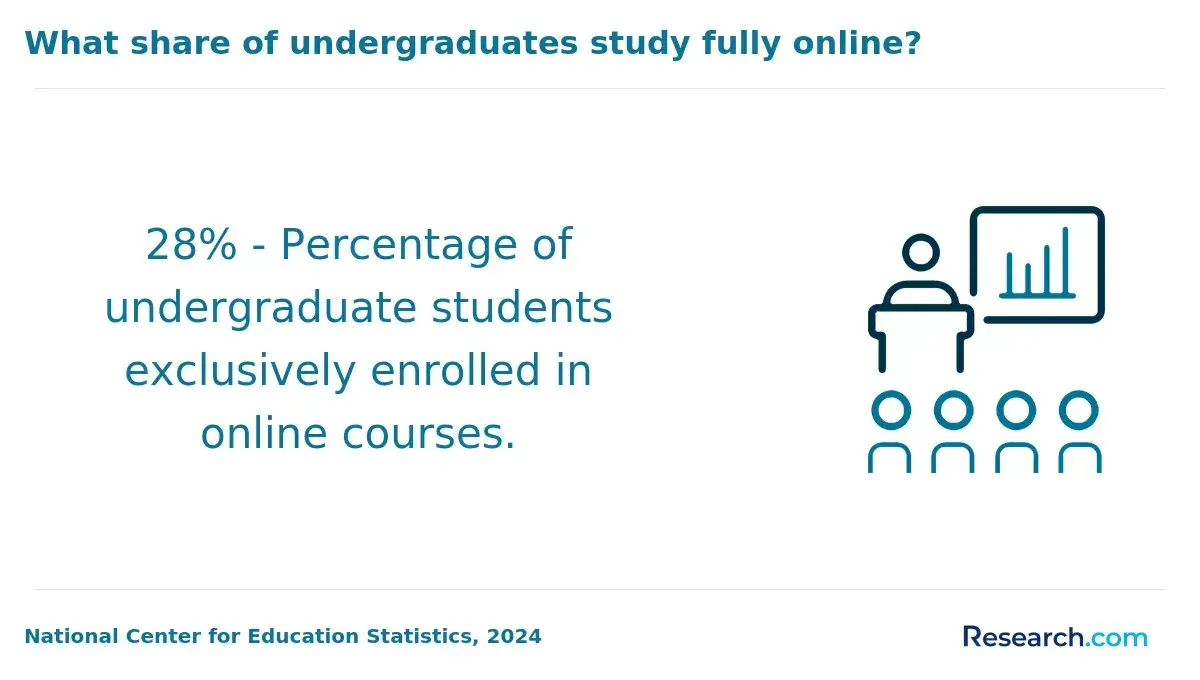
Online and on-campus educational policy programs are essentially equivalent when it comes to eligibility for professional licensure. Licensing authorities prioritize program quality and outcomes over whether coursework is delivered virtually or in person. In fact, more than 70% of state education departments now officially accept online graduate programs for licensure eligibility, underscoring growing trust in remote learning.
- Curriculum and Standards: Both online and campus programs must cover comprehensive content aligned with relevant state and national educational standards. This ensures graduates possess the foundational knowledge required for licensure.
- Practical Experience: Hands-on components like internships or clinical practice are mandatory regardless of delivery mode. Online students typically arrange these experiences locally to meet licensure prerequisites.
- Skill Development and Assessment: Competency evaluations-including exams, projects, and presentations-are used in both formats to verify that candidates have mastered essential skills for professional practice.
- Accreditation: Maintaining accreditation is vital, as licensing boards rely on this assurance to verify program quality irrespective of whether the program is online or on campus.
- Flexibility vs. Format: Online programs often offer more adaptable scheduling and varied instructional methods, but these differences rarely affect licensure decisions since boards emphasize demonstrated competencies and experience.
A licensed professional who completed an online educational policy degree shared that initially, he worried about the legitimacy of virtual electives but found the ability to tailor course selections helpful. He recalled, "The challenge was making sure my local internships aligned with licensure requirements, which took some extra coordination." Despite occasional feelings of isolation, he appreciated the convenience and diverse perspectives gained through online interactions. "Choosing electives related to current education policies gave me confidence in my practical knowledge," he mentioned, highlighting how well-rounded course choices supported his licensure goals.
Clinical or practicum hours play a crucial role in preparing students for professional practice and licensure by providing hands-on experience under supervision. These practical hours develop essential skills, allow application of theory, and meet licensing board requirements in many education-related fields.
Most online educational policy degree programs do not mandate clinical hour requirements for online educational policy degrees, as these programs focus more on theory, research, and administration rather than direct clinical practice. However, if a student's career path involves licensure or certification tied to specific practice areas, practicum experience may be required.
- Typical Hour Range: Clinical or practicum hours vary widely, often ranging from 100 to over 1,000 hours depending on the profession and state regulations. These hours demonstrate competency and readiness for licensed roles.
- Placement Settings: Hours are typically completed in schools, clinics, or educational agencies that provide real-world environments for skill development relevant to educational policy or practice.
- Supervision Requirements: Licensed professionals supervise these hours to ensure students meet professional standards and acquire necessary competencies for their future roles.
- Skills Developed: Practical experience enables students to practice assessment, intervention, management, or policy implementation relevant to their licensure track and employment goals.
- Online Program Adaptations: Many online educational policy programs that require practicum facilitate local placements near students' homes, allowing supervised in-person experience without compromising the online format.
Prospective students should verify clinical hour requirements and practicum experience needed for educational policy licensure to ensure their chosen program aligns with career and state-specific regulations. Those interested in affordable online degrees can also explore options like the cheapest MLIS degree online as a potential pathway in related fields.
Licensing exams play a crucial role in verifying that candidates have the expertise to lead and manage educational organizations successfully. Passing such exams is often mandatory to qualify for advanced administrative roles or certifications in many states. Recent data indicates that about 75% of test-takers pass the Educational Leadership exam on their first try, underscoring the value of diligent study and preparation. The following list summarizes important details about this licensing exam for graduates.
- Exam Name: The Praxis® Educational Leadership: Administration and Supervision test, also known as Praxis® II, serves as a standard evaluation for prospective educational leaders.
- Content Areas: Candidates are tested on leadership theory, school management, community engagement, instructional support, and legal frameworks relevant to education.
- Exam Format: This is typically a timed, multiple-choice exam designed to assess a broad range of leadership and supervisory knowledge.
- Preparation Strategies: Utilizing study guides, completing practice exams, and enrolling in review sessions are recommended to build confidence and mastery before testing.
- Retake Policy: Most states permit several attempts with required waiting periods between tests, allowing candidates to improve their scores if necessary.
- Online Degree Relevance: The exam evaluates required competencies regardless of whether the degree was earned online or on-campus, placing online graduates on equal footing for licensure.
When I spoke to a licensed professional who earned her educational policy degree online, she emphasized the mix of anticipation and challenge she felt preparing for the Praxis® II. She explained, "Balancing study time with work and family was tough, but having access to online practice materials made a big difference." The adaptability of preparing remotely complemented her online degree experience, helping her feel equipped to pass the exam. Her advice to others was to approach preparation methodically, noting that overcoming self-doubt and staying consistent were key factors in her success. Reflecting on her journey, she described the exam not just as a hurdle, but as a valuable step that solidified her confidence to lead in educational settings."
Yes, supervised work experience is generally required after completing an online educational policy degree. This practice phase helps graduates build essential professional skills and ensures they are prepared to operate independently in their roles. Over 70% of states that regulate educational policy careers mandate this step before full licensure. Below are key factors that define supervised work experience in this field.
- Duration: The period typically spans six months to two years, varying by state regulations and certification criteria.
- Work Settings: Experience usually occurs in educational institutions, government agencies, or policy research centers where candidates engage in real policy development and evaluation.
- Mentorship: Supervisors provide continuous guidance and constructive feedback, fostering growth in professional judgment and decision-making skills.
- Skill Development: This phase focuses on practical competencies such as policy analysis, stakeholder communication, ethical considerations, and data interpretation.
- Career Impact: Completion of supervised work is often necessary to qualify for licensure exams and ensures readiness to meet job responsibilities effectively.
Licensure reciprocity allows a licensed professional in one state to obtain licensure in another state without repeating all standard requirements. This process is essential for professionals seeking to practice in multiple states, enabling smoother career mobility and reducing bureaucratic delays. Several factors influence how licensure reciprocity applies to online educational policy graduates, as outlined below.
- Eligibility Criteria: Each state has distinct licensure requirements that graduates must meet. For those holding an online educational policy degree, it's important to verify that their program aligns with the specific standards of the new state to qualify for reciprocity.
- Program Accreditation and Curriculum: The online program must meet accrediting standards recognized by the receiving state. The curriculum should comprehensively cover core competencies required for licensure, which varies between states.
- Interstate Agreements: Some states participate in compacts or reciprocal agreements that simplify licensure transfer. However, these agreements may not extend to all specialties or degree types, so graduates need to confirm their degree's eligibility.
- Application Process: Applying for reciprocity often involves submitting transcripts, proof of program accreditation, and sometimes passing state-specific exams. The requirements can add additional steps compared to initial licensure.
- Potential Limitations: Differences in educational standards or practical experience requirements can limit eligibility for licensure reciprocity. Graduates should carefully assess state licensure transfer rules for education policy degrees to understand any restrictions.
Prospective graduates should research these factors thoroughly to navigate licensure reciprocity effectively and maintain flexibility in their careers. Understanding these restrictions and opportunities can be vital when considering what job makes the most money in education policy or related fields. For a comprehensive guide on career options tied to education degrees, visit what job makes the most money.
Online educational policy programs have surged in popularity, with enrollment rising over 30% recently. Prospective students often weigh licensure outcomes carefully when selecting programs, aiming to balance convenience with professional credibility.
Below are key advantages and drawbacks associated with online formats for licensure-seeking students.
Pros
- Flexible scheduling: Allows students to manage work, study, and personal commitments more easily, supporting steady progress toward licensure.
- Wide accessibility: Enables learners nationwide to enroll without relocating, increasing opportunities for diverse candidates.
- Enhanced digital resources: Provides access to online forums and materials that deepen theoretical understanding crucial for exams and policy knowledge.
Cons
- Limited hands-on experience: Few practical training options may hinder meeting certain licensure requirements reliant on supervised practice.
- Reduced direct mentorship: Less face-to-face guidance can impact skill development important for professional readiness.
- Variable employer perceptions: Some credentialing bodies or employers may still question the rigor of online degrees despite growing acceptance.
- Fewer networking chances: Less in-person interaction can limit relationship-building critical to career advancement.
Obtaining licensure with an online educational policy degree has a significant impact on earning potential. Licensed professionals typically earn about 15% more than their non-licensed peers, demonstrating the salary benefits of licensed educational policy professionals. This difference reflects the enhanced trust and recognition that come with formal certification. The following points outline the key ways licensure affects salary and career progression.
- Access to Higher-Paying Positions: Many advanced jobs in educational policy require professional licensure, allowing licensed individuals to qualify for more lucrative roles that are often inaccessible to those without certification.
- Eligibility for Leadership Roles: Licensure often paves the way for promotions to administrative or supervisory positions where decision-making authority and higher pay are standard, improving long-term career trajectories.
- Specialized Responsibilities: Licensed professionals gain eligibility to perform specialized tasks like policy analysis, program evaluation, and regulatory compliance, areas typically reserved for credentialed experts and linked to increased compensation.
- Improved Job Security: Formal recognition through licensure enhances job stability by validating expertise and qualifications, making licensed candidates more desirable to employers during staffing considerations.
Graduates from online educational policy programs who secure licensure validate their knowledge and skills, leading to better job opportunities and salary growth. Those exploring quick online degrees may find that earning licensure in educational policy is a strategic step toward competitive compensation and professional advancement. For more information about degrees with strong salary prospects, see quick online degrees.
Licensure significantly influences the types of positions available to graduates holding an online educational policy degree. While some careers require official certification to meet state regulations, others allow professionals to advance without licenses. Data shows that roughly 60% of educational policy degree holders in public education possess a teaching or administrative license, whereas 40% work in sectors where licensure isn't mandatory.
Below is an overview of common career options based on licensing status.
Jobs With a License
- School administrators: These licensed professionals oversee daily operations and compliance of educational institutions, playing a key role in shaping school policies and increasing leadership responsibilities.
- Certified teachers: Licensed educators deliver curriculum and manage classrooms, with their credentials providing access to stable employment and potential salary increments.
- District education officers: Holding certification, these individuals implement policy across school districts, coordinate with state agencies, and influence district-wide educational outcomes.
Jobs Without a License
- Education researchers: Focused on studying educational programs and policies, these professionals analyze data and recommend improvements without needing formal licensure.
- Policy analysts: These experts evaluate legislation and education reforms, advising stakeholders and guiding advocacy efforts through specialized knowledge rather than certified status.
- Nonprofit program directors: Leading education-focused initiatives at nonprofit organizations, they manage grants and outreach activities, leveraging their expertise outside of traditional licensing requirements.
What Graduates Say About Getting Licensed with an Online Educational Policy Degree
- Coughney: "The online educational policy degree program was surprisingly affordable, costing much less than I initially expected, which made earning my license a feasible goal. The flexibility of online classes allowed me to balance work and study effectively, making the learning experience highly convenient. Since completing the program, I've noticed a significant boost in my confidence and leadership skills within my educational career."
- Arek: "I found the cost of the online educational policy degree program to be reasonable, especially considering the depth of knowledge gained. The coursework challenged me intellectually but the online format provided the freedom to engage with materials at my own pace. Earning my license has opened doors to new opportunities that I couldn't have pursued otherwise."
- Darren: "The investment required for the online educational policy degree was fair given the comprehensive curriculum and licensure support it offered. My experience was very positive; the program was well-structured and the online platform was user-friendly, allowing me to focus on mastering complex policy concepts. Professionally, this degree has been instrumental in advancing my career, positioning me as a knowledgeable leader in education reform."
Other Things You Should Know About Educational Policy Degrees
Yes, accreditation from a recognized professional organization can impact your ability to get licensed. Ensuring that your online educational policy degree is accredited by a reputable organization is crucial because it demonstrates that your program meets industry standards and is often a licensing requirement.
Background checks are commonly required regardless of whether you earn your educational policy degree online or on campus. Licensing authorities generally require fingerprinting and criminal history checks to ensure candidates meet ethical and legal standards before granting licensure.
Yes. Most state education agencies require a supervised internship, practicum, or at least 300 to 600 hours of field experience before issuing a license or endorsement. The program must document the placement, supervisor qualifications, and completed hours, usually submitted with the application to the state licensing board.
- Pros And Cons Of Having An Online Degree Instead Of An Offline One https://elearningindustry.com/pros-cons-online-degree-offline-one
- State-Specific Education Requirements (PE and CE) https://mortgage.nationwidelicensingsystem.org/knowledge/products/nmls/pubs/testingHbk/education/mlo_testing/state_specificReqs/mlo_testing_hbk_stateSpecific-1.html
- EdD in Education Policy and Leadership | School of Education | American University, Washington, DC https://www.american.edu/soe/graduate/edd/
- Benefits of Earning a Master of Education Degree https://www.mountunion.edu/academics/graduate-degrees/med-program/benefits-of-earning-an-med
- Distance Education Policy Guidance for Institutions Serving International Students https://www.nysed.gov/college-university-evaluation/news/distance-education-policy-guidance-institutions-serving
- Educational Leadership and Supervision https://www.canisius.edu/academics/programs/graduate/educational-leadership-supervision
- Education Policy, BA/BS Adult Degree https://www.belmont.edu/academics/majors-programs/ad-education-policy/
- School of Education Professional Experience Policy - University of New England (UNE) https://www.une.edu.au/about-une/faculty-of-humanities-arts-social-sciences-and-education/school-of-education/office-for-professional-learning/professional-experience-policy
- Educational Leadership Degrees for Online Learning Administrators https://www.educationalleadershipdegree.com/educational-leadership-jobs/online-learning-administrators/
- What are the benefits of pursuing online diplomas through e-learning? https://www.umu.com/ask/q11122301573854322362