2027 Is Educational Policy a Hard Major? What Students Should Know

Co-Founder and Chief Data Scientist
Educational policy is often viewed as a demanding major due to its interdisciplinary nature and emphasis on critical analysis. Approximately 15% of students enrolled in U.S. educational policy programs report the workload as significantly heavier compared to other social science majors. This perception reflects both the academic rigor and the analytical skills required to navigate complex educational systems and policies.
The article will explore the typical course difficulty, workload expectations, and essential skills like research and communication. It will also examine personal factors influencing how challenging students find the major, helping prospective students gauge if educational policy aligns with their academic strengths and career goals.
Key Benefits of Educational Policy as a Major
- Educational policy offers adaptable coursework that supports career changers and full-time workers returning to school, enabling them to balance professional and academic responsibilities effectively.
- It provides critical analytical and leadership skills, preparing students for diverse roles in education reform, policy analysis, and administration, enhancing both academic and professional growth.
- Students gain confidence managing rigorous research projects and policy evaluations, which are essential for mastering complex issues and succeeding in challenging coursework.
Where Does Educational Policy Rank Among the Hardest College Majors?
Educational policy is generally viewed as moderately challenging within national difficulty rankings, falling under the social sciences rather than the more demanding STEM or business fields. Studies analyzing evaluations from over 150,000 professors and nearly 3 million student reviews place around 46% of education policy professors as hard, indicating a mid-level workload and academic intensity.
This reflects its balance between analytical requirements, such as quantitative analysis and policy evaluation, and substantial writing and critical thinking components. Unlike majors heavy on labs or practicums, educational policy programs often focus on analytical frameworks and empirical research, resulting in a workload less time-intensive than technical STEM disciplines but more demanding than many education-specific majors.
The difficulty of educational policy varies significantly depending on the type of institution and student background. Research universities with doctoral programs typically deliver a rigorous curriculum emphasizing statistical methods, while liberal arts colleges may offer a more conceptual approach.
Comparatively, educational policy is less challenging than engineering or advanced science majors, which have higher difficulty ratings, and business programs that also rank above it. However, it is considered tougher than early childhood or elementary education majors, which students often find easier.
Ultimately, students with strong quantitative skills or experience in research tend to perceive educational policy as more approachable, whereas those from less technical backgrounds might find data and policy analysis more demanding.
What Factors Make Educational Policy a Hard Major?
Certain academic and skill-related demands make educational policy a challenging major for many students. The interdisciplinary nature requires mastering diverse subjects while developing advanced analytical skills to address complex educational issues.
- Academic rigor in educational policy programs: Students face a curriculum demanding deep understanding across literature, social sciences, sciences, and specialized education policy courses. The emphasis on critical analysis, applied problem-solving, and synthesizing complex concepts demands mastery of qualitative and quantitative research methods.
- Workload demands of educational policy majors: Completing at least 30 credits of major coursework alongside university-wide requirements creates significant time pressure. Many students also take complementary courses or pursue dual majors, intensifying the academic burden.
- Analytical complexity: Educational policy programs require strong research and writing skills to analyze multidimensional educational challenges. This involves navigating both theoretical frameworks and practical applications, which can be especially demanding at advanced levels.
- Field-specific demands: Honors tracks and advanced projects necessitate maintaining a high GPA (usually 3.3 or above) and completing research that often requires original contributions to the field. These heightened expectations add to the program's difficulty.
For students exploring graduate options that build on this foundation, some may consider a one year masters degree to further enhance expertise while managing time efficiently.
Who Is a Good Fit for a Educational Policy Major?
Identifying the right student profile helps ensure success in an educational policy major, where analytical skills and a passion for equity are vital. Knowing the best skills for education policy majors can guide prospective students in preparing for the program's rigorous demands.
- Analytical Thinkers: These students excel at examining complex social, political, and economic factors influencing education. Their critical thinking skills enable them to navigate empirical research and policy analysis with confidence.
- Curious Social Observers: Motivated by a desire to understand education systems deeply, they bring a passion for equity and justice that fuels their academic engagement and real-world problem solving.
- Collaborative Learners: Comfortable working in diverse teams and community settings, they benefit from the program's interdisciplinary nature and enhance their ability to address educational challenges collectively.
- Students with Interdisciplinary Backgrounds: Those with experience in education, sociology, or political science can apply broad knowledge to tackle educational dilemmas, reflecting the types of students who succeed in education policy.
- Resilient and Reflective Candidates: Managing demanding assignments and reflective essays requires resilience. These students prepare for roles such as advocates or policy analysts by synthesizing complex information effectively.
For more on selecting the right degree, explore the top online college degrees for seniors.
Educational policy majors often face challenges due to the interdisciplinary nature and volume of reading and writing involved. However, with targeted strategies, students can better navigate these demands and enhance their academic experience.
- Build core skills early: Strengthen abilities in analytical reading, writing, and quantitative reasoning to handle complex course materials effectively.
- Adopt consistent study routines: Develop regular study schedules, engage in summarizing key concepts, and collaborate with peers to deepen comprehension and retention.
- Manage time proactively: Organize coursework, internships, and projects with digital tools that help break large assignments into manageable parts and keep deadlines visible.
- Leverage academic support: Utilize writing centers, faculty mentorship, and policy-focused seminars to refine understanding and receive constructive feedback.
- Gain hands-on experience: Participate in internships or community programs to connect theoretical knowledge with real-world contexts, reinforcing learning and confidence.
Admissions to educational policy programs in the US are moderately competitive, mainly due to a high number of applicants compared to available spots. Top-tier schools like Harvard and Stanford often have acceptance rates between 15% and 20%, while less competitive institutions may admit up to 50% or more. The competition increases in metropolitan areas and government-focused regions where interest in policy careers is strong. Program capacity and prerequisite requirements also play key roles in the selection process.
Selectivity varies widely based on GPA expectations, with most programs requiring at least a 3.0 undergraduate GPA. Relevant coursework in education or social sciences is usually needed, and some programs favor applicants with prior professional or internship experience, with up to 90% of incoming students having such backgrounds. Increasing demand at prestigious institutions has contributed to tighter admissions standards in recent years.
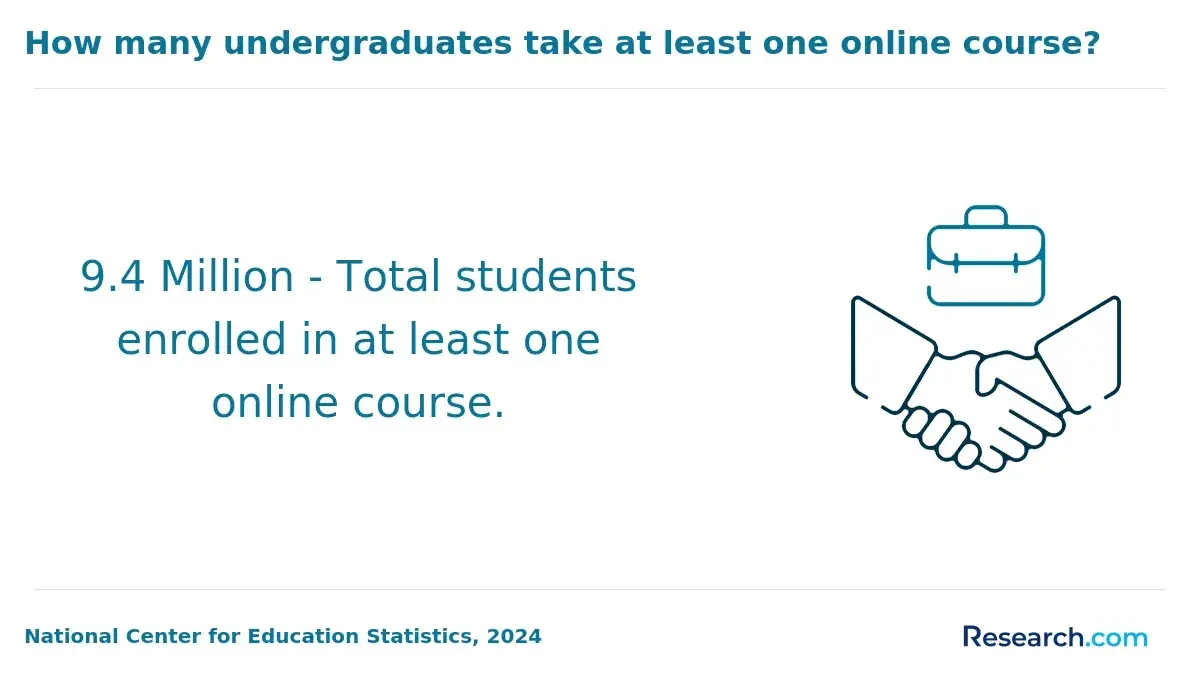
Online educational policy programs are neither universally harder nor easier than traditional on-campus majors; rather, the challenges differ according to format and individual preferences. Both paths demand equivalent academic rigor but offer distinct student experiences.
Below is a comparison of key factors influencing the difficulty of online vs on-campus educational policy majors, focusing on academic expectations, workload and pacing, interaction and support, learning environment, and unique challenges.
- Curriculum and workload: Both online and on-campus programs typically follow the same standards, ensuring comparable workload and academic rigor.
- Flexibility and pacing: Online educational policy degree program flexibility allows students to study at their own pace, which benefits those managing work or family but requires strong self-motivation and time management.
- Interaction and support: On-campus students enjoy immediate feedback and face-to-face collaboration, while online students often face reduced direct interaction, making it harder to resolve questions promptly.
- Learning environment: Online learners must manage distractions such as social media and overcome technical difficulties, whereas on-campus students navigate structured schedules and in-person expectations.
- Unique challenges: Technical issues can disrupt online coursework, while on-campus students may deal with stricter attendance policies and less schedule flexibility.
When considering the challenges of online vs on-campus educational policy major options, it is essential to match the program format with personal learning style and circumstances. For those interested in career outcomes, exploring high earning master's degrees related to policy can also inform decision-making.
Accelerated educational policy programs are generally harder than traditional formats due to their compressed timelines and intensified workload, which require students to absorb material much faster and handle a dense course load. This accelerated Educational Policy program workload amplifies academic pressure and demands exceptional time management and motivation.
Here is a comparison of accelerated vs traditional Educational Policy difficulty focusing on key factors affecting student experience:
- Course pacing and content density: Accelerated programs cover a semester's material in as little as five to eight weeks, offering a highly condensed curriculum compared to the gradual pace of traditional programs.
- Workload management for different students: First-time or younger students often find accelerated programs overwhelming, while those with prior experience handle the intensity better.
- Academic expectations and skill demands: Both formats require strong analytical and writing skills, but accelerated programs increase pressure to quickly master and apply policy analysis techniques.
- Learning retention and stress levels: Accelerated formats can boost early milestones like credit accumulation but may reduce deep understanding and increase stress compared to traditional settings.
- Flexibility and scheduling structure: Accelerated programs offer flexible scheduling suited for working or nontraditional students, whereas traditional programs provide structured pacing and more consistent academic support.
For students balancing work or family commitments, accelerated programs provide an option to complete studies quickly, though they sacrifice some aspects of the traditional collegiate experience. Those interested in enrolling might consider reviewing online college courses that accept FAFSA to explore adaptable program offerings.
Students majoring in educational policy can often manage a part-time job alongside their studies, though success depends on factors like course difficulty, weekly academic demands, available schedule flexibility, and strong personal study habits. The workload typically includes varied reading assignments, research projects, and periodic internships, which can cause fluctuations in time commitment each week.
Those with effective time management and flexible job choices tend to balance both responsibilities more easily. However, intense semesters with advanced policy analysis or project deadlines may limit the feasibility of working alongside school.
Balancing part-time work with an educational policy program usually involves careful planning around academic cycles and credit selection. Students frequently opt for jobs offering adaptable hours, such as campus positions or remote roles, to fit fluctuating study needs.
Managing credit loads to avoid overload during intensive project phases helps maintain academic performance while working. The discipline's mix of reading-heavy coursework, technical assignments, and internship requirements means some weeks are more demanding, making campus or online academic resources valuable for maintaining balance and ensuring steady progress.
Career paths for educational policy majors vary widely in terms of difficulty, responsibility, and required skills. Some jobs demand the same analytical rigor as the degree itself, while others may feel less demanding or challenge graduates in leadership and advocacy skills instead.
Below are common roles pursued by educational policy graduates and an overview of their challenge level relative to the major.
- Education policy analyst: Conducts research, analyzes data, and evaluates educational policies for government agencies, think tanks, or non-profits. This role is typically as demanding as the degree, requiring strong research skills, critical thinking, and the ability to synthesize complex information under tight deadlines.
- Educational consultant: Advises schools or educational organizations on policy implementation and program evaluation. The work emphasizes adaptability and communication and is often less analytically intense than policy analysis, focusing more on practical solutions and client relationships.
- School administrator: Manages staff, oversees operations, and implements policies in K-12 settings. This career demands leadership, decision-making, and managing diverse expectations, making it challenging in a different way than the analytical rigor of the major.
- Community-based education advocate: Works with local groups to promote educational equity and influence policy at the grassroots level. While intellectually less rigorous than research roles, this path can be emotionally demanding and requires persistence, empathy, and strong community engagement skills.
- Academic researcher or professor: Conducts original research, publishes findings, and teaches at the university level. This career is as challenging as or more challenging than the major due to ongoing expectations for scholarship, securing grants, and contributing to academic debates.
Career outcomes in education policy reflect a spectrum from analytically intensive to leadership- or advocacy-focused roles. These variations affect the perceived difficulty of jobs relative to educational policy jobs and salary potential. According to the National Center for Education Statistics, education majors, including those in policy, report a median GPA of about 3.36, slightly higher than average, indicating modestly lower grading stringency but not reduced workload or analytical expectations.
For those exploring career options, it is helpful to understand what can you do with a trade school diploma as some paths intersect with policy-related education roles requiring diverse skill sets.
There is no direct link between higher salaries and the difficulty of an educational policy major. While this field demands strong analytical abilities and familiarity with legal and social sciences, earnings depend more on how effectively graduates develop in-demand skills like data analysis and policy evaluation. Academic challenge can enhance capabilities, but salary is primarily driven by market demand and the specific job functions graduates pursue. Simply put, tougher coursework doesn't guarantee better pay.
Multiple factors shape the salary landscape for educational policy graduates. Industry demand plays a key role-positions such as education policy analysts or executive directors offer median salaries from around $74,700 to $87,900, but these roles are competitive and not abundant.
Entry-level jobs, like education researcher or coordinator, tend to pay less, typically between $46,000 and $55,000. Geographic location also impacts earnings, with some states reporting educator salaries above $100,000, while others fall short. Furthermore, having advanced degrees and relevant experience can substantially boost income in this field.
What Graduates Say About Educational Policy as Their Major
- Hayes: "Pursuing educational policy was definitely challenging but incredibly rewarding. The coursework pushed me to think critically about real-world issues, and although the average cost of attendance was tough to manage, it was a worthwhile investment for the career opportunities it opened up. I now work in a role where I can influence meaningful change in education, and that makes every difficult moment worth it."
- Draven: "Studying educational policy demanded a lot of dedication, which at times felt overwhelming, especially balancing the significant tuition costs. However, reflecting back, the learning experience helped me develop a nuanced understanding of how policies shape education systems, which has been invaluable in my current research role. The financial and academic challenges were considerable, but they prepared me well for my career."
- Rielle: "The educational policy major presented its fair share of difficulties, mainly due to the complex theoretical frameworks and the high tuition fees that come with it. Still, it profoundly shaped my personal values and professional direction, equipping me with skills to advocate effectively for equitable education. I'm grateful for the experience, despite the costs, as it truly transformed how I view education and policy work. "
Other Things You Should Know About Educational Policy Degrees
Most educational policy programs require a supervised internship or practicum of 120 to 300 hours during junior or senior year. Students usually work with a school district, state education agency, nonprofit, or policy office and submit a reflection paper or final portfolio to earn credit.
Yes, studying educational policy in 2027 often involves group work. Collaboration and teamwork are essential as students analyze case studies, develop policy proposals, and engage with real-world challenges. These skills are vital for future roles in policy-making, non-profits, and educational institutions.
Quantitative skills are essential in the 2027 educational policy major as policy analysis often involves interpreting data and evaluating research outcomes. Students need these skills to assess program effectiveness, manage educational statistics, and inform decision-making processes to improve educational systems.
- Elements of the educational policy model in schools (a systematic review) https://pmc.ncbi.nlm.nih.gov/articles/PMC10127502/
- Education Policy Studies - Not Sure? | Penn State College of Education https://ed.psu.edu/academics/departments/department-education-policy-studies/education-policy-studies-not-sure
- How To Choose Between Online Vs. Traditional Education Programs | PLNU https://www.pointloma.edu/resources/accelerated-undergraduate/how-choose-between-online-vs-traditional-education-programs
- Educational Policymaking Process: From Idea to Implementation | Online Exam Prep https://prep.educom360.com/educational-policymaking-process-from-idea-to-implementation/
- Bridging the gap between policy and practice in education https://oecdedutoday.com/bridging-gap-between-policy-practice-education/
- What Jobs are Available with an Education and Public Policy Degree? – Best Master's in Education https://www.bestmastersineducation.com/faq/what-jobs-are-available-with-an-education-and-public-policy-degree/
- Create Change in Educational Research and Policy | All Education Schools https://www.alleducationschools.com/teaching-careers/educational-research-policy/
- Career Options With A Master's in Education Policy | Resilient Educator https://resilienteducator.com/degrees/career-masters-education-policy/
- Education Policy and Leadership https://education.uoregon.edu/epol
- Are Online Classes Harder than In-Person? https://straighterline.com/blog/are-online-classes-hard