2027 Do Online Educational Policy Programs Offer Weekly Start Dates? Enrollment Calendar & Start Options

Co-Founder and Chief Data Scientist
Imagine a working professional weighing the choice between weekly and monthly start dates for an online educational policy program. Flexible enrollment could be the key to balancing work, family, and study commitments. Recent data shows a 25% annual increase in demand for programs offering more frequent start options, highlighting growing learner preference for tailored schedules in educational policy fields.
For adult learners and career changers, these flexible calendars can mean quicker access to courses and faster career advancement. Educational policy students especially benefit from weekly starts as they often juggle complex responsibilities, so understanding how institutions manage enrollment cycles is vital for making informed decisions.
Key Things to Know About Online Educational Policy Program Enrollment
- Many online educational policy programs use rolling enrollment with weekly or biweekly start dates, enabling greater flexibility compared to traditional semester schedules.
- These flexible calendars support working adults and career changers by allowing them to begin coursework without waiting months for a new term to start.
- According to recent trends, online enrollments in educational policy fields have increased by over 25% annually, driven by demand for adaptable scheduling options.
Do Online Educational Policy Programs Offer Weekly Start Dates?
Online educational policy programs increasingly offer weekly start dates and rolling enrollment options to accommodate the schedules of working adults, career changers, and adult learners. Unlike traditional semester-based schedules that typically begin two or three times a year, these flexible enrollment calendars allow students to start courses almost immediately after completing application and enrollment requirements.
Institutions such as Southern New Hampshire University and the University of Florida provide rolling or monthly start dates in their educational policy or related programs, supporting greater scheduling flexibility.
This approach better aligns with the needs of students balancing work, family, and education by allowing them to manage their pace and progress without waiting for fixed semester start dates. The rise of weekly start dates for online educational policy programs reflects a shift toward continuous enrollment models that enhance accessibility and fit diverse student timelines.
Data from the Online Learning Consortium shows that about 40% of fully online graduate programs have adopted frequent or rolling start dates, a trend especially prominent in fields targeting mid-career professionals such as educational policy.
Enrollment statistics from the National Center for Education Statistics highlight a 25% increase in adult learners choosing programs with rolling start dates since 2018, signaling growing demand for adaptable academic calendars.
For prospective students seeking flexible timing, these enrollment calendar options for educational policy degrees offer timely, career-friendly pathways. For learners exploring affordable options with flexible starts, reviewing the cheapest online msw programs may also provide useful comparisons in related social policy fields.
What Does the Enrollment Calendar Look Like for Online Educational Policy Programs?
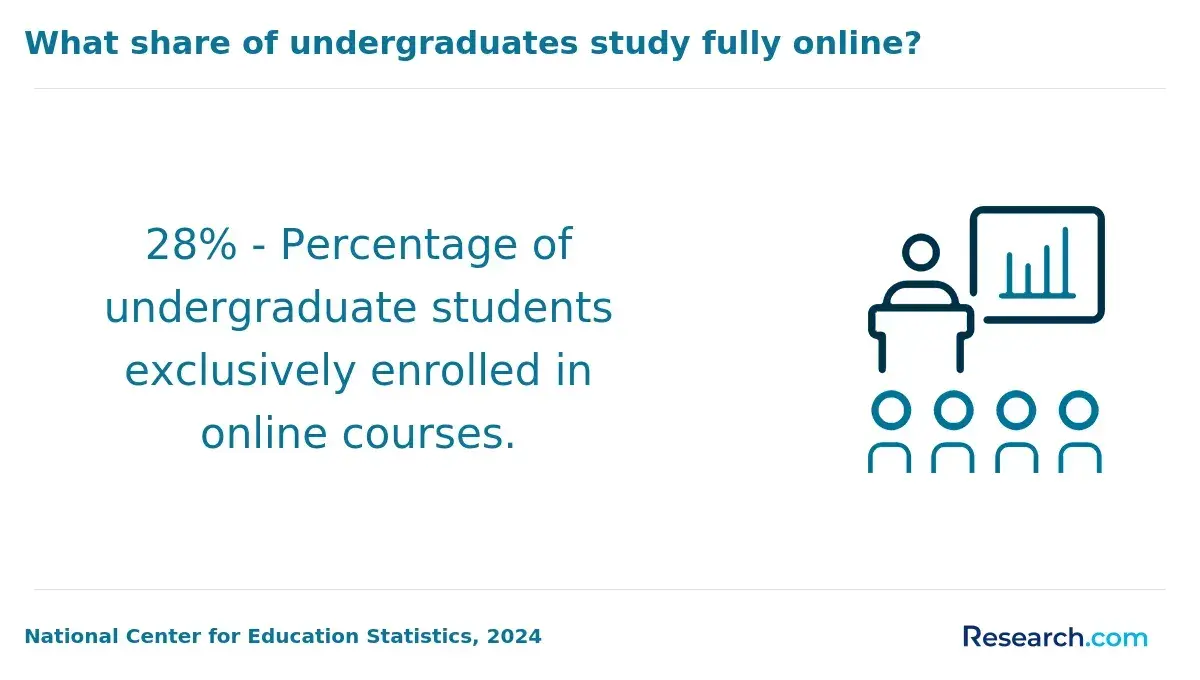
Online educational policy programs commonly feature flexible enrollment calendars to accommodate diverse student needs. Recent data from the National Center for Education Statistics (NCES, 2023) highlights an annual enrollment growth of over 7% in online programs, partly fueled by the rise of flexible scheduling such as weekly start dates for online educational policy programs.
- Flexible start dates: Many institutions offer weekly, monthly, or term-based enrollment options. This structure minimizes wait times and allows students to begin their studies on a schedule that suits their personal and professional lives.
- Modular course designs: Courses are frequently structured into smaller, self-contained modules. This enables learners to progress at their own pace and supports rolling enrollment options in online educational policy degrees, allowing students to start coursework almost any week.
- Year-round access: Programs maintain continuous enrollment periods to support working adults, career changers, and part-time learners. This ongoing availability facilitates balanced progress without requiring students to pause their careers.
Students exploring flexible pathways may also consider other options such as online counseling degrees that feature similarly accommodating enrollment calendars.
Do Admission Requirements Delay Start Dates for Online Educational Policy Programs?
Admissions processes often impact how quickly students can begin online educational policy programs, with verification and documentation steps influencing start dates. A 2023 NCES report found that 38% of such programs offer rolling admissions to improve enrollment flexibility, yet many still encounter delays related to administrative procedures.
- Transcript verification: Institutions must confirm previous coursework and degree completion before finalizing enrollment. This step may take one to four weeks depending on the responsiveness of prior schools, potentially delaying the earliest possible start date.
- Prerequisite completion: Certain programs require that foundational courses or relevant professional experience be completed and evaluated before admission. Students without these may face postponements while submitting or satisfying these requirements.
- Transfer credit evaluation: Transfer credits often need detailed review and approval, adding additional time to the admission timeline. This factor can extend waits beyond standard enrollment periods, especially for career changers.
- Standardized test requirements: Although less frequent in many online programs today, some require submission of test scores meeting minimum benchmarks. Waiting on late results can introduce further delays.
- Implications for weekly and rolling start dates: Programs offering weekly starts typically streamline admissions by pre-verifying documents or allowing conditional enrollment. However, administrative hold-ups in verifying transcripts or prerequisites can still push back start dates despite flexible calendars.
Enrollment timing for transfer students in online educational policy programs varies widely, with immediate starts possible but not guaranteed. Flexibility has increased with rolling admissions and multiple start dates, yet several key steps influence when transfer students can begin courses. Here is an overview of the main factors affecting immediate enrollment:
- Transfer credit evaluation: This essential process reviews prior coursework to establish equivalencies and prerequisite completion. Because it can take weeks, delays in credit assessment often postpone course start dates for transfer students.
- Application and program review: Institutions assess applications carefully, sometimes requiring completion of core prerequisites before enrollment. This evaluation period influences how soon a transfer student can begin.
- Prerequisite fulfillment: Certain programs mandate specific foundational courses before advancing to higher-level classes. Transfer students may need to satisfy these requirements first, limiting immediate start options.
- Institutional policies: Flexibility with start dates varies by school, as some have adopted weekly or rolling enrollment to accommodate working adults, while others remain tied to fixed academic terms.
- Rolling and multiple start calendars: Growing trends in online offerings allow transfer students to align their start dates more readily with personal schedules, reducing wait times compared to traditional semester systems.
When speaking with a graduate who transferred into an online educational policy program, she reflected on the process as cautiously optimistic. She described the credit evaluation as thorough but time-consuming, requiring patience especially when waiting for official equivalency decisions.
Although eager to begin, she found that meeting certain prerequisite requirements was necessary before fully enrolling. The rolling admissions system was helpful, allowing her to start shortly after completing transfer protocols rather than waiting months for a new term.
In her words, "It wasn't instantaneous, but the system felt designed to move transfer students forward efficiently once paperwork cleared." Her experience underscores that immediate enrollment is possible but dependent on careful, sometimes stepwise procedures in most programs.
Financial aid processing timelines can significantly influence enrollment dates for online educational policy programs. Students depending on grants, loans, or scholarships often experience delays that affect when they can begin their studies. Verification of aid applications typically lasts between two to four weeks, which may postpone course start times.
- Grants, Loans, and Scholarships Processing: Approval for financial assistance requires submission and review of multiple documents. Delays in any part of this process can push back enrollment, especially when funds are needed upfront for tuition.
- Verification Delays: Federal aid verification commonly takes 10 to 30 days, extending the time before students receive confirmation of their funding. This step often causes the longest hold-up in starting an online program.
- Rolling and Weekly Start Calendars: Many online programs offer flexible start dates that allow students to begin once aid is approved rather than waiting for traditional semester periods. This flexibility is essential for working adults managing financial aid timing alongside other commitments.
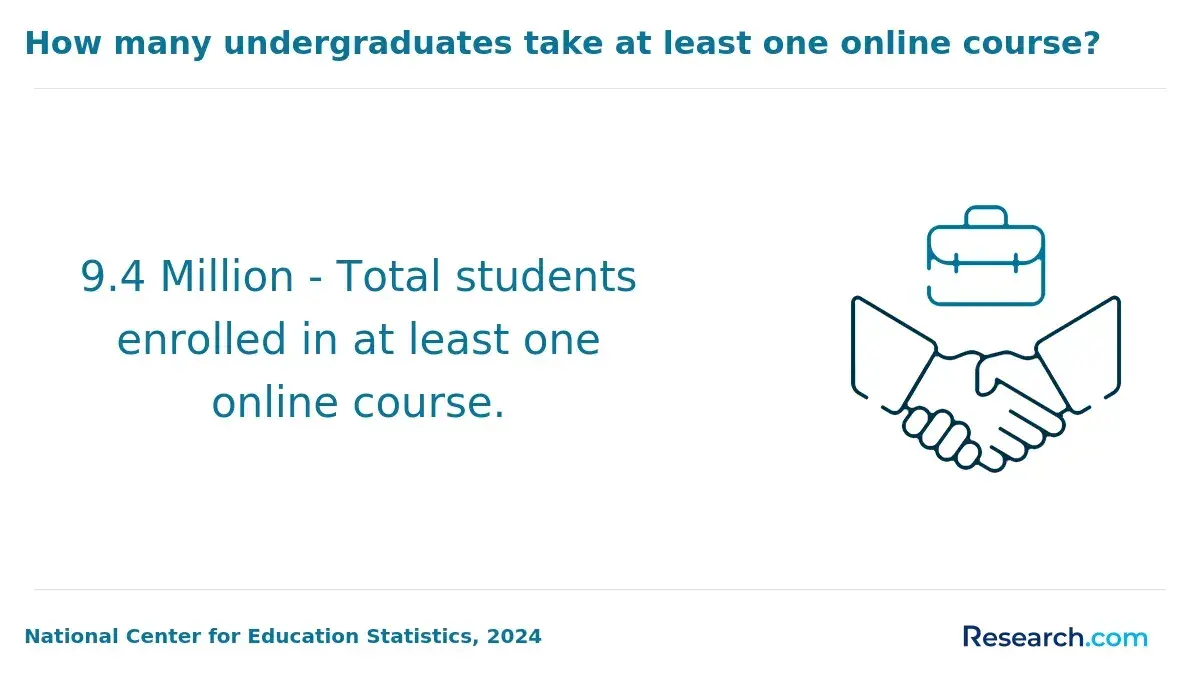
International students often encounter different start date options for online educational policy programs than domestic students, influenced by several unique factors. A 2023 study by the Online Learning Consortium found that 42% of online graduate programs in educational fields now offer rolling or weekly start dates, reflecting efforts to meet the needs of global learners.
- Visa and Regulatory Requirements: International students must navigate visa rules and document verification, which can delay enrollment despite online program access. Early submission of transcripts, language proficiency proofs, and other paperwork is frequently required, impacting when students can officially begin.
- Time Zone Challenges: While many courses are asynchronous, some orientation sessions or live activities follow local time zones, limiting flexible start options. Institutions sometimes provide multiple start dates and staggered orientations to help overcome these timing issues.
- Document Review Process: The evaluation of international credentials often takes longer than for domestic students, necessitating earlier application deadlines. This extended review period can narrow the range of feasible start dates for foreign applicants.
- Rolling and Weekly Starts: Programs adopting rolling admissions or weekly starts better accommodate international learners by allowing varied enrollment times. These models support students balancing complex application procedures and scheduling constraints across countries.
When speaking with an international student in an educational policy master's program, he described his experience beginning the program as "a careful balancing act." He recalled, "Submitting my documents months ahead was stressful because any delay meant pushing my start date back."
He also mentioned adjusting to receiving orientation materials timed for a different time zone, which sometimes meant attending sessions late at night. Despite these challenges, the availability of multiple start dates "gave me hope and flexibility to plan my move and studies effectively," he said, underscoring the value of flexible calendars for international enrollees.
Policies for late registration in online educational policy programs differ significantly across institutions. Many schools provide opportunities for late enrollment, especially those with rolling admissions or frequent start dates, designed to support working adults and career changers. These flexible calendars enable some students to join classes shortly after the official start date without major penalties.
Late registration can present challenges, but institutions often offer resources like recorded lectures and asynchronous assignments to help catch up. Below are key considerations regarding late enrollment in these programs:
- Institutional Policies: Schools vary in how they handle late registration; some programs strictly follow semester schedules, while others allow ongoing enrollment through rolling admissions or weekly start dates to accommodate diverse learner needs.
- Coursework and Participation: Students registering late might struggle to keep pace with lectures, projects, or group discussions that have already begun, potentially affecting engagement and performance.
- Flexible Start Dates: Programs offering multiple start times throughout the year provide greater flexibility for adult learners, enabling them to begin studies at convenient points and balance education with job or family responsibilities.
- Limitations and Restrictions: Late enrollees should be aware of possible restrictions, such as limited access to financial aid after deadlines, requirements for advisor approval, and difficulties joining collaborative activities already underway.
Flexible weekly start dates can offer students more control over pacing but do not inherently shorten the time needed to complete an educational policy degree. Programs that integrate accelerated sequencing or self-paced modules often show better on-time completion rates, with some studies noting up to a 20% improvement in graduation rates due to these elements. However, the presence of prerequisites and fieldwork typically limits how much weekly or rolling enrollment options reduce overall degree length.
- Accelerated Course Sequencing: Some programs offer condensed courses or stacked short modules that enable students to progress faster when scheduling allows. However, these accelerated pathways are not universally available and often depend on program design rather than start date flexibility alone.
- Modular and Self-Paced Formats: Modular coursework or self-paced options give students the freedom to adjust their learning speed. Despite this flexibility, they are usually constrained by required credit hours and learning outcomes, meaning unlimited acceleration is rare even with weekly start dates for online educational policy programs.
- Continuous Enrollment: Weekly or rolling enrollment reduces downtime between courses by letting students begin classes at multiple points throughout the year. This continuous enrollment system minimizes waiting periods inherent in traditional semester-based scheduling, which can slightly reduce total program duration.
- Prerequisites and Practicum Limitations: Essential course sequences and required practicum experiences often dictate the minimum timeline for degree completion. These structured elements set boundaries that flexible start dates alone cannot bypass, preventing substantial reductions in time to degree with rolling enrollment educational policy options.
Prospective students seeking flexible schedules might also consider degrees similar in flexibility, such as a masters in library science online, which often share modular designs and rolling admissions to accommodate nontraditional learners.
Effective preparation for the first week of online educational policy classes is critical for student success. This phase helps students-especially adult learners balancing multiple commitments-become comfortable with course requirements and technology, setting a foundation for engagement and academic achievement. Schools employ several targeted strategies to ensure a smooth transition into their programs.
Key elements of preparing students for online educational policy classes include the following:
- Orientation Modules: Institutions typically provide comprehensive orientation materials during the week before classes begin. These sessions introduce students to course platforms, outline academic expectations, and offer guidance on managing workload.
- Technology Setup: Students receive instructions and support for configuring essential tools like learning management systems (LMS), video conferencing software, and communication apps. Proper setup reduces technical barriers and increases confidence entering the course.
- Academic Advising: Advising during the first week helps students plan their course load effectively and anticipate challenges. Advisors may discuss time management and provide resources tailored to adult learners' needs, enhancing their readiness.
- Learning Platform Navigation: Early training familiarizes students with key features of the LMS, including submitting assignments, accessing readings, and engaging in discussions. This reduces confusion and accelerates engagement.
- Faculty Communication: Many instructors reach out with welcome messages and syllabus overviews before courses start. This communication builds rapport and clarifies course goals, encouraging early participation.
- Student Engagement Strategies: Schools integrate icebreaker activities in discussion boards, virtual study groups, and initial formative assessments. These approaches foster a sense of community and identify students who may need additional support during the crucial first weeks.
Studies on online educational policy first week support show that structured onboarding improves retention and success rates. For students seeking flexible weekly start dates, especially working adults and career changers, these measures are vital. Many programs offering accelerated online degrees emphasize such preparation to accommodate diverse schedules. Prospective learners can explore options at accelerated online degrees to find programs designed with these best practices in mind.
Weekly start dates have become increasingly common in online education, reflecting the growing demand for flexible enrollment options. According to a 2023 report by the Online Learning Consortium, over 70% of online graduate programs in education now offer such flexibility, responding to adult learners' needs. This trend supports the fields of educational policy, where online graduate enrollments have increased by 11% since 2020, illustrating the impact of weekly enrollment options on time to degree in educational policy programs.
Pros
- Increased Flexibility: Weekly start dates allow students to begin courses almost immediately, eliminating long waits for traditional semester beginnings. This flexibility is especially beneficial for working adults and career changers balancing multiple commitments.
- Continuous Progression: With rolling enrollment, learners can maintain steady academic momentum and reduce delays in program completion, which can accelerate time to degree.
- Improved Access: Flexible scheduling options expand access to education for adult learners across different regions, including those in remote areas or with limited availability during standard academic periods.
Cons
- Limited Cohort Interaction: Because students start at varying times, it can be challenging to build strong peer networks and collaborative learning experiences that enhance understanding.
- Advising Complexity: Academic advisors face increased challenges in supporting students who enroll on different schedules, requiring more adaptive advising systems.
- Uneven Course Availability: Not all courses may be offered every week, which can restrict scheduling choices and potentially delay program completion for some students.
These advantages and disadvantages of weekly start dates for online Educational Policy programs highlight important considerations for prospective students seeking adaptable study options. To complement program flexibility, learners may also explore online certifications that pay well and enhance professional credentials.
What Graduates Say About Their Online Educational Policy Program Enrollment Calendar & Start Options
- Parker: "The decision to pursue an online educational policy degree with weekly start dates was driven by my desire for flexibility and timely enrollment. The cost, about $16,500, was manageable, especially relative to the professional growth it sparked. This degree elevated my credibility and opened doors to consulting opportunities in education policy-truly a career milestone. "
- Marvin: "Reflecting on my journey, enrolling in an online educational policy program that offered weekly starts was a game-changer for my schedule, fitting perfectly alongside my full-time job. The tuition, roughly $18,000, felt worth every dollar given the career advancement it facilitated. Now, I'm more confident steering educational reforms within my district, armed with contemporary policy insights. "
- Vance: "I chose an online educational policy degree with weekly start dates because it allowed me the flexibility to jump in whenever I was ready. The cost was surprisingly affordable, around $15,000 for the entire program, which made it a smart investment. Since graduating, I've been able to secure a leadership role in a nonprofit, applying the policy knowledge I gained to create real change in education. "
Other Things You Should Know About Educational Policy Degrees
Most programs require an online application, official transcripts, a résumé, a statement of purpose, and one to three recommendation letters. Some schools also ask for GRE or GMAT scores, though many waive test scores for applicants with graduate experience or strong academic records.
In 2027, online educational policy programs' start date options are often influenced by their format. For example, self-paced programs may offer more frequent start dates, while cohort-based models might limit start dates to specific terms.
Enrollment deadlines create a framework that determines when students can begin their programs. While some online educational policy programs offer rolling admissions with flexible start dates, meeting specific deadlines is crucial to secure these options, as late applicants may experience limited start date choices.
- Joining Kolbe Online at Mid-year https://help.kolbe.org/kb/article/77-late-and-mid-year-enrollment-at-kolbe-academy-online/
- Course Schedule and Course Pacing: Does it Affect Student Success in Online Asynchronous Courses? - OJDLA https://ojdla.com/articles/course-schedule-and-course-pacing-does-it-affect-student-success-in-online-asynchronous-courses
- Admissions Process — DO | Des Moines University https://www.dmu.edu/do/admissions-process/
- MEd Instructional Leadership – Policy Studies https://education.uic.edu/academics/masters-programs/educational-policy-studies/
- Online Degree vs. Traditional | University of Arkansas Grantham https://www.uagrantham.edu/blog/pros-cons-online-degree-vs-traditional-university/
- Ready, Set, Go – Your First Week Online – Thriving Online: A Guide for Busy Educators https://ecampusontario.pressbooks.pub/aguideforbusyeducators/chapter/ready-set-go-your-first-week-online/
- Master of Education in Educational Leadership & Policy - Lynch School of Education and Human Development https://www.bc.edu/bc-web/schools/lynch-school/academics/departments/elhe/educational-leadership-med.html
- How To Create An Online School In 5 Easy Steps [2025 Guide] https://www.educate-me.co/blog/how-to-create-an-online-school
- EdD in Education Policy and Leadership | School of Education | American University, Washington, DC https://www.american.edu/soe/graduate/edd/
- Frequently asked questions on public school open enrollment - Reason Foundation https://reason.org/faq/frequently-asked-questions-on-public-school-open-enrollment/