2027 The Cost of Delaying an MLIS Start by One Academic Term

Co-Founder and Chief Data Scientist
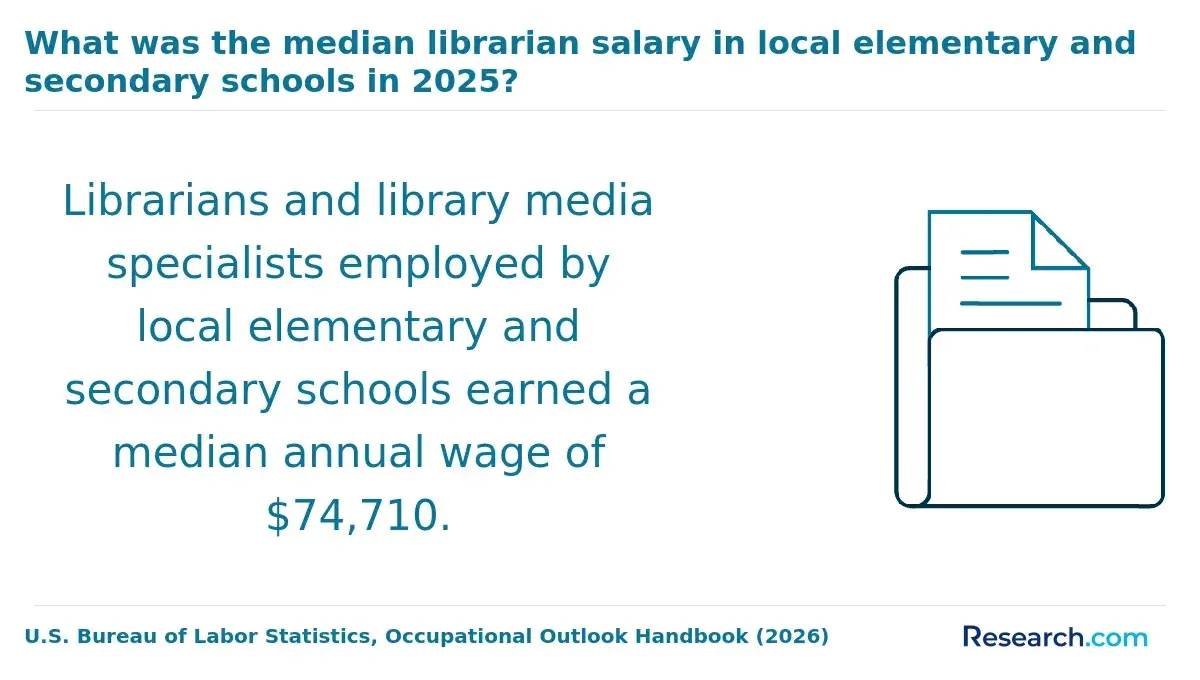
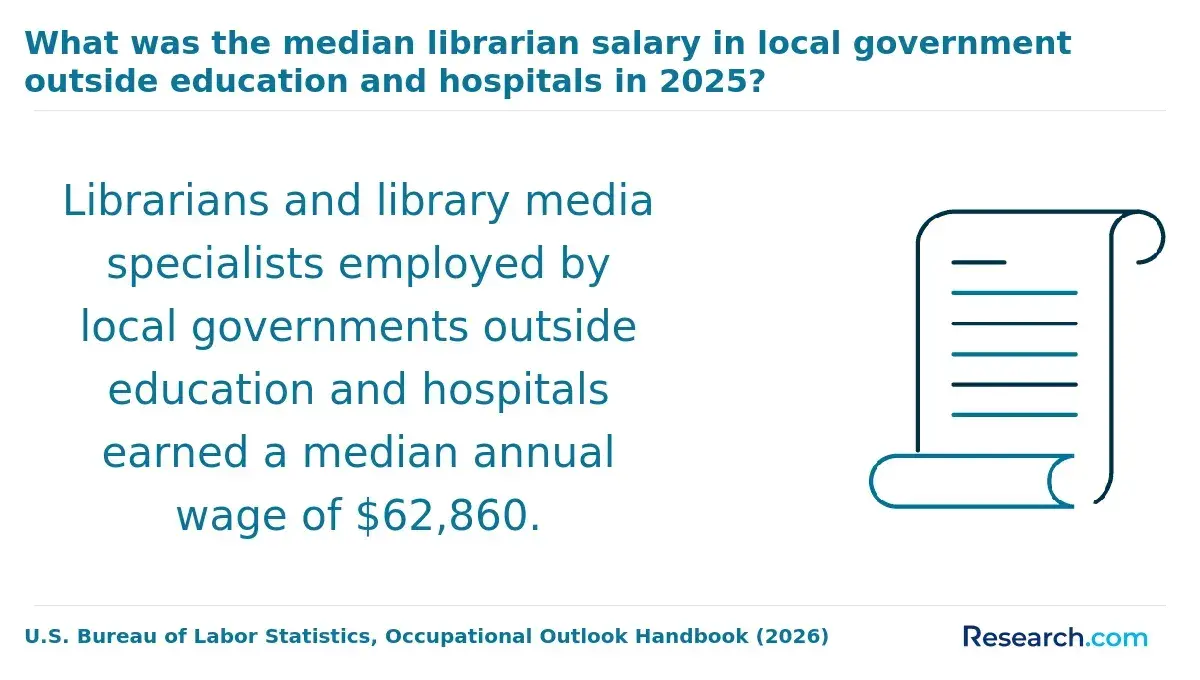
Moving an MLIS start date can affect more than the first tuition bill. A one-term delay may shift graduation, eligibility for librarian jobs, and access to courses or funding. The U.S. Bureau of Labor Statistics reports a May 2025 median annual wage of $68,270 for librarians and media collections specialists, but that occupational median is not a forecast of what an individual graduate will earn.
If you are weighing an offer against waiting, this guide shows how to estimate the costs, identify the uncertainties, and choose a start term that fits your finances and career plans.
Key Things You Should Know
- A one-term delay does not automatically mean one extra term before graduation: required-course sequencing, start dates, and your planned credit load determine the actual shift.
- Count tuition and fee changes, additional living expenses, and any later start to MLIS-dependent work, but subtract earnings or benefits you can gain while waiting.
- Do not equate delayed graduation with a lost term of librarian wages. BLS projects 2.6% employment growth for librarians and media collections specialists from 2025 to 2035, not a guaranteed job offer on graduation.
What does delaying an MLIS start by one academic term cost?
The cost is the difference between two realistic plans: starting now and starting next term. It is not simply one term of tuition. If both plans require the same credits, delaying may change when you pay rather than how much tuition you owe.
The financial difference grows if rates rise, a required course becomes unavailable, funding expires, or graduation, and an attainable career move, shifts later.
The table separates costs from timing changes and potential offsets. Use your program's published charges and your own budget to fill in the amounts; do not treat every row as an automatic expense:
| Factor | What to compare between start dates |
| Tuition and fees | Charges for the same required credits under the rates applicable to each enrollment plan |
| Extra enrollment term | Term-based fees and expenses if course sequencing extends completion |
| Living expenses | Additional months of housing, transportation, or dependent care attributable to a later graduation date |
| Career timing | The difference between plausible post-degree earnings and what you would earn during that same period otherwise |
| Offsets | Wages, savings, employer benefits, or confirmed funding gained by waiting |
A useful estimate is additional charges and expenses + plausible foregone earnings, benefits gained while waiting. Keep the career component separate from bills you must pay: it is uncertain, and applying an occupational median salary directly to a delayed term would overstate what you know.
How can postponing an MLIS affect graduation and librarian career timelines?
First, check whether the program admits students in the next term. Then map required courses, prerequisites, practica, and any culminating project against the actual course schedule. A course listed in a catalog is not necessarily offered every term.
If the missed term contains a prerequisite that runs infrequently, graduation could move by more than the initial delay; if the program offers several entry points and flexible sequencing, the effect may be smaller.
A later graduation can postpone applications for professional positions that require an MLIS or related accredited LIS master's degree. It does not necessarily postpone every career step.
Library assistant work, relevant technology projects, and experience in reference or digital collections may be available before graduation, depending on employer requirements. Ask whether a practicum can be completed alongside your current job and whether its placement calendar limits your finish date.
Is starting an MLIS now better than waiting for the next term?
Starting now is generally more compelling when you can afford the enrollment plan without excessive borrowing, required courses are available, and the earlier finish date supports a specific career objective.
Waiting may be wiser if it lets you secure confirmed employer support, resolve a work or caregiving conflict, build savings, or choose a better-fitting program. A rushed start that forces you to withdraw or reduce your course load may erase the apparent time advantage.
Compare both choices using the credit load you can actually sustain, not the fastest advertised completion time. Guidance on best MLIS programs for working adults can help frame that comparison, but confirm schedules and policies with each school.
If your target role does not require an MLIS, relevant work experience or a narrower credential may offer a better near-term path.
How do MLIS tuition, fees, and living costs change after a delay?
Ask each school for the per-credit tuition applicable to both potential start terms and multiply it by the credits you expect to take under each plan. Add mandatory fees, materials, equipment, travel for any campus requirements, and practicum-related expenses.
Distinguish a published tuition rate from your total cost of attendance; online enrollment does not, by itself, establish eligibility for in-state pricing.
Some costs depend on calendar time rather than credits. A later finish may mean more months of rent or childcare before you can pursue a full-time professional role, although a student who continues earning the same wages may have little additional living-cost exposure.
If affordability depends on part-time enrollment, compare an affordable part time MLIS against a realistic course schedule: lower spending per term need not mean a lower total bill.
Can financial aid, scholarships, or employer benefits cover an MLIS delay?
Possibly, but funding can change with the start term. A scholarship offer may apply only to a specified entry term, an assistantship may have a separate selection process, and an employer may require continued employment or prior approval for reimbursement. Ask for written confirmation before counting any award or benefit as an offset.
Submit the FAFSA for the aid year covering your actual enrollment and ask the financial aid office which federal loan options, limits, and eligibility rules apply to your borrower status and start date.
Compare gross program cost with your out-of-pocket cost after confirmed grants or employer payments, then track separately what you would finance through borrowing. A loan helps pay a bill; it does not reduce the program's price. If waiting increases savings and reduces borrowing, include that benefit in the comparison without assuming future aid will match today's offer.
How do online and campus-based MLIS programs affect enrollment timing?
Delivery format matters only insofar as it changes feasible start dates and progress. An online program may remove commuting, but synchronous meetings, group work, required visits, and placement hours can still constrain a working student.
A campus program may offer nearby practicum options or face-to-face access that suits another student better. Neither format guarantees that the next required course will fit your schedule.
Compare the published term calendar with sample course plans, then ask which required courses are scheduled for your intended entry term and whether you can complete placements where you live.
A flexible online MLIS competency model may appeal to someone balancing work and study, but verify how that specific program schedules assessments, measures progress, and awards credit before assuming it will recover a delayed term.
What accreditation should an MLIS program have for librarian careers?
For many U.S. professional librarian searches, an American Library Association (ALA)-accredited master's program is an important qualification.
Check the specific program in the current ALA directory, including its status and the degree name; schools may call their LIS graduate degree an MLIS, MLS, Master of Science in Library Science, or another title. Institutional accreditation alone does not establish ALA program accreditation.
Do not assume accreditation verifies a concentration, course schedule, internship, or online format. If you plan to become a school librarian, separately check your state education authority's certification or endorsement requirements, including any educator preparation or fieldwork rules.
ALA accreditation and state authorization answer different questions, and an online MLIS is not automatically sufficient for certification in every state.
What admission requirements and deadlines apply to MLIS programs?
Requirements vary, so use the admissions page for your intended term rather than last term's checklist. Graduate applicants commonly need evidence of a completed bachelor's degree and official transcripts; schools may also request a statement, résumé, recommendations, or other materials.
Verify the application deadline, any priority funding deadline, the decision date, and the date by which an offer must be accepted. Do not assume a later start accepts applications on the same schedule.
If you are deciding whether to wait, ask admissions whether an offer can be deferred, whether funding would carry over, and whether you would need to submit a new application.
Request an individual review if your academic history or documentation does not fit the published process. An informal assurance about a later start is no substitute for written confirmation of the policy that applies to you.
What careers and salaries can an MLIS support after graduation?
An MLIS can support applications to public and academic libraries, as well as roles involving metadata, archives, digital collections, or research support.
Job requirements differ: some professional librarian positions specify an ALA-accredited LIS master's, while adjacent information-management jobs may accept other degrees and relevant experience. School library positions can also require state credentials. Compare the qualifications in actual postings for your target job before assigning a monetary value to earlier graduation.
BLS reports a May 2025 median annual wage of $68,270 for librarians and media collections specialists. That figure describes workers across the occupation, not entry-level pay, a particular region, or the earnings of one program's graduates.
The distinctions among public academic school library degrees are worth examining alongside local job postings: the right credential and relevant experience depend on the setting you intend to enter.
How can you compare MLIS programs before choosing a start term?
Put each program on the same footing: verify ALA status, the required credits and total charges, the courses you can take in your first two terms, and the earliest graduation date at a manageable credit load.
Check whether desired electives are actually scheduled, whether placements fit your location, and whether written funding offers apply to both start dates. A comparison of online library degree earnings comparison can provide context, but occupational earnings are not a substitute for program-specific outcomes or your current pay.
Before accepting an offer or delaying it, request a term-by-term plan and itemized cost estimate for each option. Then test the decision under two scenarios: graduation moves by only the skipped term, or course availability moves it further.
If waiting still improves your finances or program fit under both scenarios, it may be justified. If the earlier start is affordable and protects a meaningful career opportunity, ask the school what you need to do to keep that timeline.
Other Things You Should Know About Library Science
That depends on the school. Ask whether it permits deferrals, how to request one, and whether admission and funding remain valid for the new term. Get the decision in writing.
Possibly. The receiving program decides whether courses qualify, how many credits it accepts, and whether they satisfy requirements. Obtain a course-by-course review before relying on transfer credit to shorten your timeline.
Yes. Library assistant, technician, and some project roles may not require an MLIS. Duties and qualifications vary by employer, so read the posting rather than assuming all library jobs have the same degree requirement.
Yes. You could seek relevant work or volunteer experience, clarify your career goal, and prepare stronger application materials. Check that the next term's deadlines leave enough time for those improvements to matter.
References
- Interest Rates and Fees for Federal Student Loans | studentaid.gov https://studentaid.gov/understand-aid/types/loans/interest-rates
- Cost of Attendance (Budget) | 2026-2027 Federal Student Aid Handbook https://fsapartners.ed.gov/knowledge-center/fsa-handbook/2026-2027/vol3/ch2-cost-attendance-budget
- An essential guide to building an emergency fund | consumerfinance.gov https://www.consumerfinance.gov/an-essential-guide-to-building-an-emergency-fund/
- Program: Library and Information Science, MLIS - Pitt Catalog https://catalog.upp.pitt.edu/preview_program.php
- MLIS Degree Options: FAQ - UW Information School https://ischool.uw.edu/programs/mlis/degree-options/faq
- Frequently Asked Questions - Master Of Library And Information Science (MLIS) - College of Information (INFO) https://info.umd.edu/academics/masters-programs/master-of-library-and-information-science/frequently-asked-questions/
- Student loan interest 101: How it works and when it adds up | About the University of Cincinnati https://www.uc.edu/blog/student-loan-interest-101--how-it-works-and-when-it-adds-up.html
- Expenses | Montana State University Academic Catalog https://catalog.montana.edu/expenses/
- Ten Ways to Avoid Financial Aid Delays - JCTC https://jefferson.kctcs.edu/affording-college/financial-aid-information/avoid-delays.aspx
- Graduation Process - Office of the Registrar - Cal Poly, San Luis Obispo https://registrar.calpoly.edu/grad_process