2027 Social Emotional Learning Degree Programs for Career Changers
Audited and Verified:
Our Editorial and Data Verification Process
Research.com uses government datasets, official education statistics and primary institutional information to support its career and degree guides. Our review process checks factual accuracy, occupational definitions, source dates and the requirements associated with the credentials discussed.
How This Article Was Fact-Checked
Our editorial team verifies salary estimates, employment projections, education requirements and program information against original data providers and official organizations. Salary figures are checked against the relevant occupational definitions and reporting periods. Information about licensure, accreditation and required in-person training is reviewed separately.
Fact-checked and verified on:

Co-Founder and Chief Data Scientist
Many working professionals seeking meaningful career shifts find themselves unsure how to leverage their existing skills toward emotionally intelligent roles. For career changers, mastering social emotional learning concepts can bridge gaps in interpersonal communication and leadership. Studies show that 67% of adult learners pursuing social emotional learning degrees report higher job satisfaction within two years of graduation, highlighting growing workforce demand.
This article explores diverse social emotional learning degree programs tailored for career changers, detailing how these credentials equip students with practical skills for smoother transitions and enhanced employability in emerging fields prioritizing emotional intelligence.
Key Things to Know About Social Emotional Learning Degree Programs for Career Changers
- Many social emotional learning degree programs offer flexible scheduling and online or hybrid formats, allowing working adults to balance education with current job responsibilities effectively.
- Accelerated pacing options enable career changers to complete their degrees faster, meeting growing employer demand for professionals skilled in social emotional learning competencies.
- Support services like career counseling and mentoring specifically target working adults, increasing retention and success rates in programs designed for social emotional learning career transitions.
What Social Emotional Learning Programs Accept Career Changers?
Programs in social emotional learning that accept career changers are designed to accommodate working adults by offering flexible prerequisites and practical curricula that support career transitions. Nearly 40% of graduate students are aged 30 or older, highlighting a growing trend in adult learners pursuing degrees to shift their professional paths.
Four types of social emotional learning degree programs commonly welcoming career changers include:
- Master's in Social Emotional Learning Leadership: This program often features flexible entry requirements and emphasizes applying SEL strategies in organizational contexts. Professionals from diverse backgrounds can leverage their leadership skills to enhance emotional learning initiatives within various settings.
- Graduate Certificates in Social Emotional Learning: These shorter programs provide focused, practical skills and are structured to fit the schedules of nontraditional students. They are ideal for those balancing work and family while gaining expertise in SEL concepts.
- Master's in Counseling with an SEL Emphasis: Combining clinical skills with emotional learning competencies, this degree suits career changers, including those from helping professions. Flexible prerequisites and experiential learning components enhance its accessibility.
- Educational Technology Programs with SEL Integration: Designed to merge emotional learning with digital tools, these programs attract individuals with backgrounds in education or technology. They offer opportunities to transition careers by utilizing transferable skills effectively.
For adult learners exploring accelerated pathways to advance their education, EdD degrees represent one option worth considering within the broader landscape of social emotional learning degree programs for nontraditional students.
What Social Emotional Learning Specializations Are Best for Career Changers?
Selecting the right social emotional learning specialization is essential for career changers because it directly influences the skills they acquire and the opportunities they can pursue. Employment in social emotional learning-related fields is projected to grow by 11% over the next decade, highlighting a rising demand for these competencies.
Below are four top social emotional learning specializations that facilitate smoother career transitions for professionals.
- Educational Leadership: Focuses on guiding school environments and utilizes prior management experience to assist in adult and youth development. This specialization is suitable for career changers wanting to lead and influence educational practices while applying transferable leadership skills.
- Counseling and Mental Health: Ideal for individuals with backgrounds in psychology or social work, this area emphasizes empathy and communication skills. It provides accessible pathways for those looking to support emotional well-being and build strong interpersonal relationships in various settings.
- Workplace Emotional Intelligence Training: Designed for professionals from corporate backgrounds aiming to enhance collaboration and leadership. This track offers career mobility by developing competencies in conflict resolution and emotional awareness applicable across industries.
- Child and Adolescent Development: Appeals to those interested in education or healthcare sectors, focusing on developmental psychology and behavioral interventions. This specialization leverages understanding of growth stages to improve social and emotional learning outcomes for younger populations.
For career changers aiming to explore how a degree in social emotional learning can facilitate their transition, focusing on specific degree focus areas for career transitions can maximize their impact. Additionally, those interested might consider related fields or complementary programs like engineering degrees online to broaden their skill set and increase employability in interdisciplinary roles.
What Are the Admission Requirements for Career Changers Applying to a Social Emotional Learning Program?
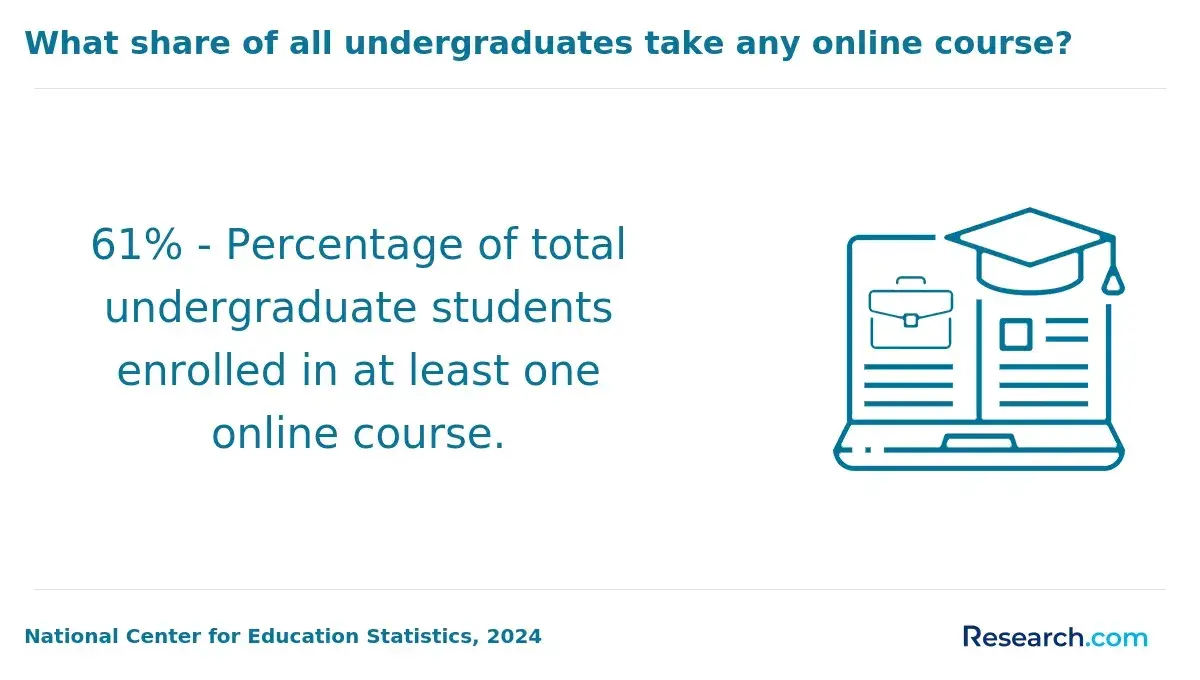
Career changers pursuing a social emotional learning program often face unique admission challenges due to their diverse educational and professional backgrounds. Nearly 40% of all undergraduate students are adult learners, which has encouraged institutions to adopt more inclusive and flexible admissions criteria.
Below are common requirements designed to accommodate this group:
- Application Form: A completed application provides a holistic view of the candidate's background and intent, essential for programs tailored to nontraditional paths.
- Official Transcripts: Transcripts from prior institutions verify academic history but may be supplemented or partially waived depending on professional experience.
- Statement of Purpose: Applicants must articulate their motivation for pursuing social emotional learning, helping evaluators understand career goals and commitment.
- Letters of Recommendation: Some programs require these to assess interpersonal skills and professional accomplishments relevant to social emotional learning.
- Professional Experience: Transferable skills in counseling, teaching, or management are highly valued, with some programs accepting professional certifications or portfolios as alternatives to coursework.
- Nontraditional Admissions: Options such as provisional acceptance or competency-based evaluations enable candidates to demonstrate readiness beyond standard prerequisites.
This flexible approach reflects broader trends in requirements for nontraditional applicants to social emotional learning degrees. Working professionals considering such degrees can also explore accredited options like an executive MBA online for additional career advancement opportunities.
Choosing the right program format is essential for career changers juggling work and personal commitments. With over 70% of adult students opting for online or hybrid learning, flexible options are increasingly vital. Below are some common formats that cater to these needs.
- Online Programs: These fully digital courses allow students to study at their convenience from any location, making them ideal for professionals managing busy schedules.
- Hybrid Programs: Combining online learning with occasional on-campus sessions, hybrid formats offer flexibility while providing valuable in-person interaction and networking opportunities.
- Evening and Weekend Classes: Designed to fit around typical work hours, these programs enable students to attend in-person or virtual sessions outside of the standard workday.
- Part-Time Enrollment: Allowing students to take fewer classes each term, part-time options extend the timeline for graduation but reduce immediate workload, which helps balance education with other responsibilities.
These formats empower career changers to progress steadily and stay motivated while managing diverse obligations in pursuit of a social emotional learning degree.
What Graduates Say About Their Social Emotional Learning Degrees for Career Changers
- Gabe: "Deciding to shift careers was daunting, but enrolling in a social emotional learning degree program made all the difference. Considering the average cost hovers around $15,000, I was initially worried about the investment, yet it turned out to be one of the best decisions for my professional growth. This program equipped me with the skills to connect deeply with others and truly enhance my new career path."
- Sienna: "After years in a different field, I took a reflective pause and realized a social emotional learning degree was key to where I wanted to go. Although the expense of about $14,500 was significant for a career changer, the outcome was invaluable. Completing the program expanded my understanding of human behavior and communication, which has transformed my approach and success in my new role."
- Yasmin: "I approached the social emotional learning degree with a professional mindset, evaluating both cost and benefit carefully. At around $16,000, the program was a considerable commitment, but it yielded profound career opportunities that I never imagined before. The knowledge and credentials I gained opened doors and helped me lead with empathy and insight in my new field. "
Other Things You Should Know About Social Emotional Learning Degrees
Many social emotional learning master’s programs require 100 to 300 supervised practicum or internship hours, often completed in K–12, counseling, or student-support settings. Some programs also require a capstone or portfolio that documents applied skills, reflection, and outcomes aligned with professional standards.
Career changers can access various forms of financial aid for social emotional learning degrees, including federal student loans, grants, and scholarships targeted at adult learners and those entering education or counseling professions. Employers may also provide tuition reimbursement, especially if the new skills support organizational goals or professional development pathways.
- Alternative Careers for Social Workers — 60 Fulfilling Options https://www.hiddengemcareercoaching.com/blog/alternative-careers-for-social-workers
- Social Worker Salary and Jobs in Social Work https://teach.com/online-ed/social-work-degrees/online-masters-social-work/salary-and-career-outlook/
- What Is the CASEL Framework? - CASEL https://casel.org/fundamentals-of-sel/what-is-the-casel-framework/
- The Long-Term Impact of Social Emotional Learning https://schooldaywellbeing.com/blog-news/the-long-term-impact-of-social-emotional-learning
- Master of Arts in Educational Leadership (MAEL) | Graduate Programs | Social Emotional Learning, Characters, and Ethics https://www.cui.edu/academicprograms/graduate/educational-leadership/social-emotional-learning-characters-and-ethics
- Social Worker (LCSW, MSW) Salary Guide By State https://socialworklicensemap.com/social-work-careers/social-work-salary/
- The Teacher and Social & Emotional Learning (SEL) Specialization https://www.colorado.edu/ali/teacher-and-social-emotional-learning-sel-specialization
- Social and Emotional Learning Specialization https://education.up.edu/graduate-programs/social-and-emotional-learning-specialty.html
- Skills-Based Health/Social Emotional Learning Master of Education https://www.cambridgecollege.edu/academics/degrees-certificates/masters-degrees/skills-based-health-social-emotional-learning
- Using Social-Emotional Learning Skills to Prepare Students for Jobs - Graduate Programs for Educators https://www.graduateprogram.org/blog/using-social-emotional-learning-skills-to-prepare-students-for-jobs/