2027 How to Verify Accreditation for Social Emotional Learning Degree Programs
Audited and Verified:
Our Editorial and Data Verification Process
Research.com uses government datasets, official education statistics and primary institutional information to support its career and degree guides. Our review process checks factual accuracy, occupational definitions, source dates and the requirements associated with the credentials discussed.
How This Article Was Fact-Checked
Our editorial team verifies salary estimates, employment projections, education requirements and program information against original data providers and official organizations. Salary figures are checked against the relevant occupational definitions and reporting periods. Information about licensure, accreditation and required in-person training is reviewed separately.
Fact-checked and verified on:

Co-Founder and Chief Data Scientist
Many prospective students struggle to verify the accreditation of social emotional learning degree programs, risking enrollment in unrecognized institutions. Without proper accreditation, students may face challenges in accessing federal financial aid or qualifying for teaching licensure.
According to recent data, over 30% of social emotional learning programs lack clear accreditation details, increasing confusion among applicants. This article will outline practical steps for verifying accreditation status, helping students confirm program credibility and safeguard their educational and professional futures in this growing field.
Key Benefits of Accredited Social Emotional Learning Degree Programs
- Accreditation ensures academic quality assurance by verifying programs meet established educational standards recognized by experts in the social emotional learning field.
- Only accredited programs allow students to access federal and state financial aid, which supports degree completion and reduces student debt burden.
- Employers and licensing bodies typically require degrees from accredited social emotional learning programs for eligibility, enhancing graduate job prospects and professional credibility.
What Does Accreditation Mean for Social Emotional Learning Degree Programs?
Accreditation is a formal recognition granted by authoritative bodies, such as regional accrediting agencies and program-specific organizations, indicating that a social emotional learning degree program meets established standards of quality, rigor, and academic integrity. In higher education, this process functions as a quality assurance mechanism, signaling that a program's curriculum aligns with current educational and professional expectations.
According to the Council for Higher Education Accreditation (CHEA), over 7,000 institutions in the U.S. hold recognized accreditation, reflecting a broad commitment to high educational standards. For students evaluating social emotional learning programs, understanding accreditation importance for social emotional learning degree programs helps verify that their education is credible and adheres to nationally accepted criteria.
Accreditation affects key aspects of a student's academic experience by ensuring programs undergo periodic reviews to maintain consistent quality, curriculum relevance, and qualified faculty. This process supports the program's integrity, benefiting students through structured learning environments and validated course content.
Students pursuing accredited social emotional learning programs can be confident that their skills and knowledge meet established professional and academic benchmarks. Those researching related fields may also explore affordable pharmacy degree online through resources tailored to accredited offerings, emphasizing coherent educational pathways aligned with evolving trends and research.
What Types of Accreditation Should a Social Emotional Learning Degree Program Have?
Knowing the different types of accreditation is essential when assessing the quality and legitimacy of social emotional learning degree programs. Accreditation impacts academic credibility, financial aid eligibility, and career opportunities, making it a key factor for prospective students.
The main types of accreditation to consider include:
- Institutional Accreditation: This verifies that the entire college or university meets established academic standards. It influences a student's qualification for federal financial aid and the ease with which credits transfer between schools, which is important for those considering flexible or extended educational paths.
- Programmatic or Specialized Accreditation: Focused on the social emotional learning program itself, this type ensures the curriculum and faculty uphold professional standards essential for effective practice in the field. It is a mark of a program's commitment to quality education tailored to social emotional learning.
- Regional vs. National Accreditation: Regional accreditation is generally more prestigious and widely accepted by employers and other academic institutions, often facilitating better transfer options. National accreditation may apply to vocational or faith-based schools but can limit credit transfer opportunities, which impacts future educational flexibility.
- Licensure-Relevant Accreditation: Programs with accreditation recognized by relevant licensing bodies are crucial for graduates aiming for certification or professional roles in education, counseling, or related social emotional learning careers. This accreditation directly affects eligibility for licensure and career advancement.
Students comparing programs may also explore accredited degrees in related fields, such as online psychology programs, which sometimes align with social emotional learning career paths. Identifying recognized accrediting agencies for social emotional learning degrees helps ensure academic standards and professional relevance are met throughout their studies.
How Can You Verify If a Social Emotional Learning Degree Program Is Accredited?
Confirming accreditation ensures a social emotional learning degree program maintains quality standards, qualifies for federal financial aid, and supports future career or licensure goals.
Several effective approaches help verify a program's accreditation status.
- U.S. Department of Education Database: Search the official database by institution name to confirm if the school and its programs have accreditation recognized by federal authorities. This resource details the type and status of accreditation, essential for financial aid eligibility.
- Council for Higher Education Accreditation (CHEA): Review CHEA's listings to identify accredited institutions and programs. Since CHEA recognizes accrediting agencies, ensuring an accreditor is CHEA-approved adds a layer of legitimacy for social emotional learning degrees.
- Direct School Contact: Reach out to the admissions or registrar's office to request written verification of accreditation. Ask specifically about the accrediting body to verify authenticity and transparency regarding the program's credentials.
- Programmatic Accreditation: Some social emotional learning degrees may hold specialized accreditation beyond institutional approval. Investigate if the program has professional accreditation related explicitly to social emotional learning education or counseling disciplines.
- Additional Resources: When exploring affordable options, consider consulting resources such as affordable online psychology masters lists, which can provide guidance on accredited programs.
Online social emotional learning degree programs can be accredited, ensuring they uphold the same high academic standards as traditional on-campus studies. Accreditation is vital because it verifies that the program delivers quality instruction, meets learning objectives, and operates under proper institutional governance, which in turn affects eligibility for federal financial aid and acceptance of the degree by employers or licensing authorities.
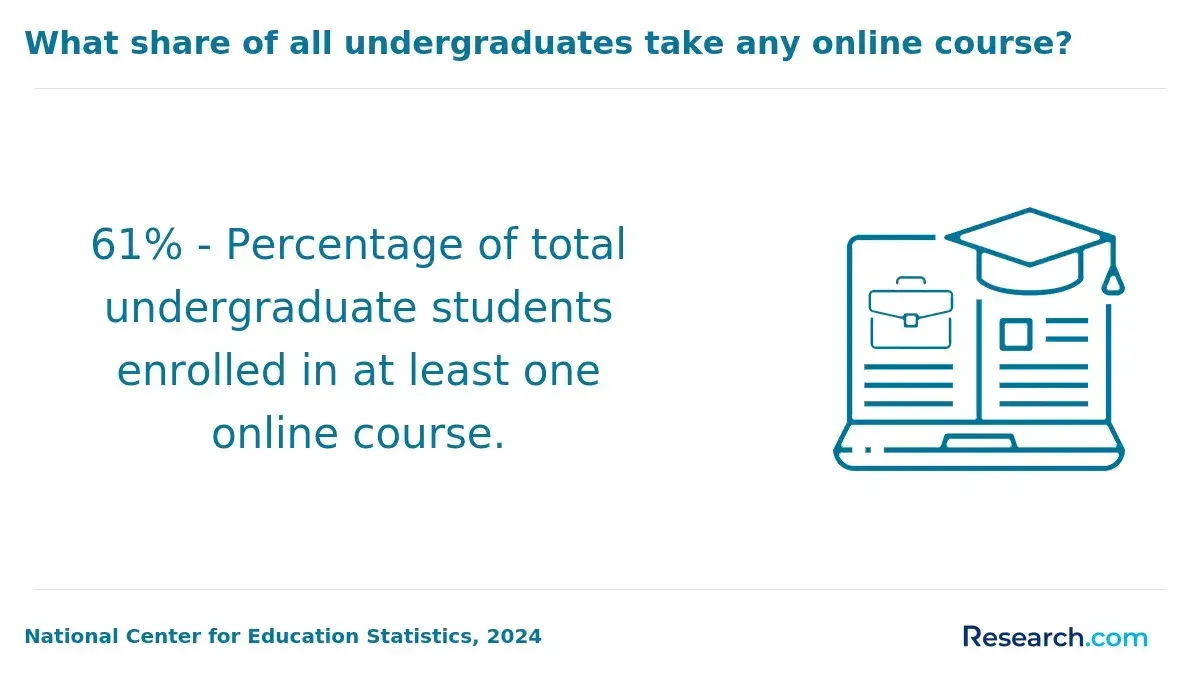
Data from the National Center for Education Statistics shows more than 75% of students taking distance education courses are enrolled in accredited institutions, highlighting the widespread recognition of accreditation in online education.
Accrediting bodies assess online social emotional learning programs against criteria similar to those for in-person programs, such as curriculum rigor and faculty expertise, guaranteeing students receive comparable academic experiences and support services regardless of the delivery format.
I spoke with a graduate of an online social emotional learning degree program about his experience with accreditation concerns. He recalled feeling uncertain at first about whether employers would view his degree as credible, but once he confirmed the program's accredited status, his confidence grew.
"Navigating the application process was daunting, especially verifying the program's legitimacy," he shared. "However, knowing that the same standards applied as with traditional degrees helped me stay focused."
His journey underscored that accreditation not only reassured him during his studies but also proved essential when pursuing career opportunities after graduation.
What Graduates Say About Their Accredited Social Emotional Learning Degree
- Madison: "Learning about the importance of accreditation completely changed how I approached my degree in social emotional learning. I made sure to check that the program was recognized by a reputable accrediting agency, which gave me confidence in the quality of my education. Now, as a counselor, I see the direct benefits of having an accredited degree in my ability to support clients effectively. "
- Layla: "When I started researching social emotional learning programs, I realized just how critical accreditation is for ensuring the curriculum meets professional standards. I took the extra step to verify the accreditation through official resources and contacted the institution to confirm all credentials. Completing an accredited program has opened doors for me in education administration I hadn't imagined before. "
- Aisha: "As a professional in the mental health field, I knew an accredited social emotional learning degree would be a non-negotiable for advancing my career. I verified the program's credentials by reviewing the accrediting body's website and reviewing state licensure requirements. Graduating from an accredited program has enhanced my credibility and allowed me to take on more responsible roles confidently. "
Other Things You Should Know About Social Emotional Learning Degrees
A legitimate program should name a U.S. institutional accreditor recognized by the U.S. Department of Education or the Council for Higher Education Accreditation. Check the school’s website and the accreditor’s directory to confirm the exact institution name, status, and accreditation dates before enrolling.
Many accredited social emotional learning degree programs require supervised practical experience or internships as part of their curriculum. This hands-on training is crucial for developing skills in real-world settings and is often mandated by accrediting bodies to ensure program quality and student preparedness.
- What is CSWE Accreditation, and Why Is It Important? https://onlinedegrees.keuka.edu/blog/cswe-accreditation
- What Is Social-Emotional Learning? | Incredible Years https://www.incredibleyears.com/what-is-social-emotional-learning
- The Ultimate Guide to Accreditation for Master’s Students https://www.onlinemastersdegrees.org/student-resources/graduate-school-accreditation/
- Verifying Accreditation for Online Degree Programs - Higher Ed Guide https://higheredme.com/verifying-accreditation-online-degree-programs-and-status-checks/
- Social Work Salaries https://www.socialworkers.org/careers/career-center/kickstart-your-job-hunt/social-work-salaries
- Advancing Social and Emotional Learning - CASEL https://casel.org/
- Social Work Salaries - How Much Do Social Workers Make? https://www.onlinemswprograms.com/careers/social-worker-salaries/
- Social Emotional Learning (SEL) Certificate https://online.merrimack.edu/social-emotional-learning-certificate/
- Certificate in Social and Emotional Learning and School Climate https://grad.qu.edu/programs/online-graduate-certificate/social-and-emotional-learning-and-school-climate/
- Avoiding Psychology Diploma Mills | Psychology Degree Guide https://psychologydegreeguide.org/resources/avoiding-diploma-mills/