2027 Social Emotional Learning Degree Programs With No GRE or GMAT Requirements
Audited and Verified:
Our Editorial and Data Verification Process
Research.com uses government datasets, official education statistics and primary institutional information to support its career and degree guides. Our review process checks factual accuracy, occupational definitions, source dates and the requirements associated with the credentials discussed.
How This Article Was Fact-Checked
Our editorial team verifies salary estimates, employment projections, education requirements and program information against original data providers and official organizations. Salary figures are checked against the relevant occupational definitions and reporting periods. Information about licensure, accreditation and required in-person training is reviewed separately.
Fact-checked and verified on:

Co-Founder and Chief Data Scientist
Many aspiring educators face barriers when applying to social emotional learning degree programs due to GRE or GMAT requirements. For working professionals balancing careers and family, preparing for these exams can cause delays or discourage applications altogether. Recent data shows that over 60% of schools offering social emotional learning degrees have eliminated GRE or GMAT requirements to widen access.
This shift reflects growing recognition of diverse applicant strengths beyond standardized tests. This article explores degree programs with no GRE or GMAT mandates, helping readers identify options that enhance accessibility and admission chances without compromising educational quality.
Key Benefits of Social Emotional Learning Degree Programs with No GRE or GMAT Requirements
- Programs without GRE or GMAT increase accessibility for nontraditional and working students, removing barriers linked to standardized testing anxiety and preparation time.
- Skipping these exams reduces application costs and shortens the admission timeline, enabling faster career advancement in a growing SEL workforce.
- Admissions focus on holistic criteria, valuing academic records and professional experience, which align better with SEL's interpersonal and practical skill emphasis.
What Does "No GRE or GMAT Required" Mean for a Social Emotional Learning Degree?
Nearly 70% of graduate programs have dropped GRE or GMAT requirements in recent years, reflecting a shift toward more inclusive admissions processes that matter to many prospective students. These no-test policies increase access by emphasizing broader criteria over standardized exam scores.
Here are key aspects of how no GRE or GMAT policies impact social emotional learning degree admission without GRE:
- Eligibility Focus: Admissions committees prioritize undergraduate GPA, relevant coursework, and professional experience in education or counseling instead of test scores.
- Holistic Evaluation: Applications are assessed through resumes, letters of recommendation, personal statements, and sometimes interviews or portfolios, offering a fuller picture of a candidate's potential.
- Academic Preparedness: Applicants must demonstrate consistent past performance or meaningful experience to prove readiness; some programs may still request test scores if academic background is weak.
- Competitive Advantage: Removing GRE or GMAT barriers widens the applicant pool and encourages candidates to highlight strengths beyond test-taking skills, which can boost admissions competitiveness.
- Conditional Scores: In rare cases, test scores may remain optional or required based on individual circumstances or program discretion.
Students seeking flexible options might also explore specialized credentials like BCBA certification online to complement their social emotional learning degrees and career goals.
What Types of Social Emotional Learning Programs Have No GRE or GMAT Requirements?
Standardized test requirements vary widely across social emotional learning (SEL) programs due to differences in program goals, formats, and target student populations. Many programs aim to increase accessibility by evaluating applicants holistically rather than relying on GRE or GMAT scores. The following are common types of SEL programs that often waive these standardized test requirements.
These programs typically prioritize relevant experience, demonstrated skills, or alternative assessments over traditional exams.
- Online or Hybrid Degrees: Designed for working professionals balancing careers and study, these programs often omit GRE or GMAT requirements to reduce barriers to enrollment and accommodate diverse backgrounds.
- Certificate Programs: Focused on specific social emotional learning skills, these shorter programs usually have less rigorous admissions standards, reflecting their emphasis on practical skill-building and quick workforce entry.
- Education/Counseling Master's: Programs with an SEL specialization may waive test scores when applicants provide evidence of relevant professional experience, valuing hands-on knowledge.
- Practitioner-Oriented Programs: Targeting current educators or counselors, these programs often rely on portfolios, interviews, or professional recommendations rather than standardized exams to assess candidate potential.
- Interdisciplinary Degrees: Blending psychology and education, these programs emphasize qualitative assessments that better capture an applicant's motivation and real-world skills instead of test scores.
Applicants interested in social emotional learning master's programs without GMAT requirements will find these options more accessible and tailored to professional development. For those exploring alternative paths to advance their careers, exploring online business degree programs accredited can also offer flexible, test-optional opportunities aligned with their goals.
What Do Schools Look at Instead of GRE or GMAT for Social Emotional Learning Admissions?
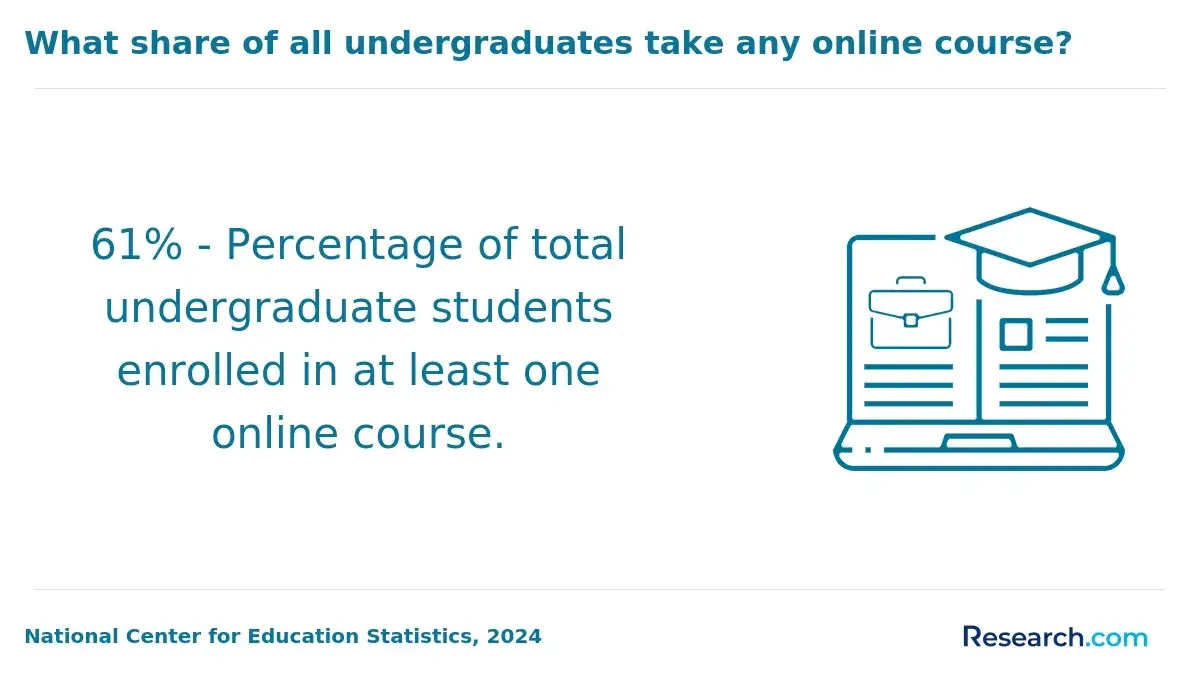
Admissions committees increasingly waive GRE or GMAT requirements in social emotional learning degree programs based on concerns these tests may not fully capture a candidate's potential or fit. Over 60% of education-related graduate programs now embrace test-optional policies, opting to evaluate applicants through alternative admission criteria for social emotional learning programs. This approach emphasizes a holistic review of candidates.
Key factors commonly considered instead of standardized tests include:
- Academic transcripts: Schools examine undergraduate coursework and GPA to ensure applicants have a solid academic foundation and demonstrate consistent performance relevant to social emotional learning.
- Letters of recommendation: These provide valuable insights into interpersonal skills, professional demeanor, and suitability for a discipline centered on empathy and collaboration.
- Personal statements or essays: Applicants express their motivations, understanding of social emotional concepts, and career goals, allowing committees to assess alignment with program values and passion.
- Relevant experience: Practical background in education, counseling, or similar fields highlights commitment and a real-world understanding of social emotional learning theories and applications.
By focusing on these social emotional learning degree application requirements without standardized tests, schools can better identify candidates who embody the skills and values essential for success. For those exploring advanced education options, programs such as an online executive MBA also often feature flexible admissions criteria aligned with evolving standards in higher education.
Some applicants question whether social emotional learning degree programs that do not require the GRE or GMAT maintain comparable academic standards to those that do. This concern stems from the traditional view of standardized tests as measures of student preparedness. Below are several key comparisons between no-test and test-required programs.
- Curriculum alignment: Both kinds of programs generally cover similar subject matter, focusing on core areas like emotional intelligence theories, designing social emotional learning initiatives, and methods for evaluation.
- Learning outcomes: The goals for student competencies remain alike, emphasizing effective implementation of social emotional learning techniques and the assessment of their impact across program types.
- Faculty oversight: Instructors with relevant academic and practical experience typically supervise students in all programs, ensuring consistency in educational quality.
- Assessment methods: Evaluation commonly relies on assignments, practical projects, and field experiences instead of entrance exams, supporting consistent professional standards for graduates.
Overall, removing GRE or GMAT requirements does not necessarily affect the depth or rigor of social emotional learning coursework and outcomes.
What Graduates Say About Their Social Emotional Learning Degree Program with No GRE or GMAT Requirements
- Byron: "Choosing a social emotional learning degree with no GRE or GMAT requirements was a game changer for me because it removed the stress of entrance exams and made higher education more accessible. The average cost of attendance, around $25,000, was reasonable compared to other programs, which made it easier to manage financially. Graduating from this program has significantly boosted my confidence and helped me advance in my role as a school counselor, allowing me to better support students' emotional needs."
- Sylvia: "I pursued a social emotional learning degree without GRE or GMAT hurdles mainly because I wanted to focus on practical skills rather than exam preparation. The cost, typically estimated at about $20,000, felt like a worthwhile investment in my future. Reflecting on my journey, completing this degree has profoundly impacted my career, equipping me with effective strategies that have enhanced my work in educational leadership."
- Dylan: "Opting for a social emotional learning degree with no GRE or GMAT requirement was a strategic decision due to time constraints and the desire to enter the workforce swiftly. Considering the average program cost of approximately $22,000, it was an accessible option that aligned with my budget. Professionally, graduating from this program has allowed me to integrate essential emotional intelligence practices into my training sessions, improving outcomes for the teams I lead."
Other Things You Should Know About Social Emotional Learning Degrees
Many social emotional learning programs with no GRE or GMAT prerequisites accept transfer credits, especially if the prior coursework is related to psychology, education, or child development. Transfer policies vary by school, so it's important to check individual program guidelines. Transferred credits may shorten the duration of study or fulfill core curriculum requirements.
Look for regional accreditation from agencies recognized by the U.S. Department of Education, plus programmatic approval if the degree leads to counseling or educator licensure. For example, a 2027 master’s should be housed in an institutionally accredited university and meet state board rules before credits count toward certification.
In 2027, certain institutions may offer scholarships specific to social emotional learning degree programs that waive GRE or GMAT requirements. These scholarships are typically merit-based or need-based, and criteria may vary by institution. Prospective students should inquire directly with schools for current scholarship opportunities.
- Social, Emotional, Behavioral, and Cultural Wellbeing, Online Graduate Certificate https://www.arcadia.edu/majors-and-programs/social-emotional-learning-certificate/
- Social and Emotional Learning, Certificate https://catalog.merrimack.edu/preview_program.php
- Social Worker (LCSW, MSW) Salary Guide By State https://socialworklicensemap.com/social-work-careers/social-work-salary/
- School Counseling https://www.assumption.edu/graduate/school-counseling
- Social Emotional Learning https://www.mountmarty.edu/academics/majors-and-programs/graduate-teacher-education/social-emotional-learning/
- Online MSW Programs With No GRE Required - MSW Degrees https://www.mswdegrees.org/degrees/no-gre/
- 54 Grad Schools That Don't Require the GRE | 2025+ Update https://www.gradschools.com/degree-guide/grad-schools-no-gre
- MA in Educational Counseling https://www.umassglobal.edu/academic-programs/ma-educational-counseling
- Parent Support of Social Emotional Learning https://www.princetonreview.com/college-advice/social-emotional-learning
- Top 50 Most Affordable Online Master's in Special Education Degrees https://www.bestcollegesonline.org/most-affordable/online-masters-special-education/