2027 Best Social Emotional Learning Degrees for Working Adults
Audited and Verified:
Our Editorial and Data Verification Process
Research.com uses government datasets, official education statistics and primary institutional information to support its career and degree guides. Our review process checks factual accuracy, occupational definitions, source dates and the requirements associated with the credentials discussed.
How This Article Was Fact-Checked
Our editorial team verifies salary estimates, employment projections, education requirements and program information against original data providers and official organizations. Salary figures are checked against the relevant occupational definitions and reporting periods. Information about licensure, accreditation and required in-person training is reviewed separately.
Fact-checked and verified on:

Co-Founder and Chief Data Scientist
Balancing a full-time job while pursuing a degree in social emotional learning can feel overwhelming, especially when programs lack flexibility. Many working adults struggle to find accredited options that accommodate their schedules without sacrificing educational quality. According to the U. S. Bureau of Labor Statistics, employment in education and training fields emphasizing social emotional skills is projected to grow 8% from 2021 to 2031, highlighting growing demand.
This article explores the best social emotional learning degree programs designed specifically for working professionals, helping readers identify flexible and credible pathways to advance their careers effectively.
Key Things to Know About Social Emotional Learning Degrees for Working Adults
- Flexible online or hybrid formats allow working adults to balance coursework with professional and personal commitments, increasing degree completion rates by up to 40% compared to on-campus programs.
- Accelerated pacing options enable faster graduation, often within 12-18 months, meeting the needs of professionals seeking timely career advancement in education or counseling roles.
- Programs emphasize employer-relevant skills like emotional intelligence and conflict resolution, aligning with growing demand for social emotional learning expertise in K-12 and corporate training sectors.
What Are the Best Social Emotional Learning Degrees for Working Adults?
The best social emotional learning degree programs for working adults vary widely depending on factors like schedule flexibility, career alignment, and return on investment. An important trend is the rise of online and hybrid programs designed to support adult learners balancing professional and personal commitments. These formats often provide self-paced modules that help accelerate degree completion.
Here are several top online social emotional learning degrees for professionals that accommodate working students:
- Bachelor's or Master's in Social Emotional Learning and Educational Psychology: These degrees typically offer flexible online delivery and focus on research-based strategies that apply both in schools and workplace settings, balancing theory with practical skills.
- Master's in Counseling with Social Emotional Learning specialization: This program includes hands-on coursework that enhances intervention skills crucial for education and human services careers, supporting career advancement while maintaining flexibility.
- Graduate Certificates in Social Emotional Learning: Shorter than full degrees, these certificates are ideal for professionals seeking targeted skill enhancement without lengthy time commitments, fitting well into busy schedules.
- Interdisciplinary Degrees Combining Social Emotional Learning with Leadership or Human Development: These blend academic theory with leadership training, preparing professionals for roles that demand both SEL expertise and management capabilities.
- Master's in Curriculum and Instruction with Social Emotional Learning Specialization: Designed with adaptable pacing, this specialization supports educators in applying SEL concepts directly to classroom environments.
Selecting from these options can optimize the educational investment for working adults. Many students also explore accelerated pathways, such as an EdD degree, to fast-track their credentials while managing employment commitments.
What Are the Admission Requirements for Working Adults in Social Emotional Learning Degree Programs?
Admission requirements for working adults in social emotional learning degree programs often differ from those for traditional students due to the unique challenges these students face while balancing education and full-time employment. This is reflected in a growing trend where nearly 40% of graduate students in the U.S. attend part-time, illustrating a demand for flexibility in graduate education. Such flexibility is a key consideration for many adults seeking social emotional learning degree admissions criteria for professionals that fit their schedules.
Common admission requirements for working adults pursuing social emotional learning degrees include:
- Prior Work Experience: Applicants are often expected to have relevant professional experience in education, counseling, or related fields that demonstrate practical knowledge and skills important to their studies and career goals.
- GPA Expectations: While many programs set a minimum GPA requirement, some allow flexibility or probationary admission based on strong professional backgrounds.
- Standardized Test Waivers: Many programs waive GRE or other standardized test requirements for candidates with substantial work experience, recognizing their practical expertise.
- Professional Recommendations: Letters from supervisors or colleagues who can attest to the applicant's readiness for graduate-level work frequently support admission applications.
- Flexible Formats: Availability of part-time or fully online options helps working adults manage coursework alongside professional responsibilities.
For those interested in exploring options, programs offering an accelerated social work degree online may align well with the needs of busy professionals seeking accreditation and career advancement.
What Coursework Is Required in Social Emotional Learning Degree Programs for Working Adults?
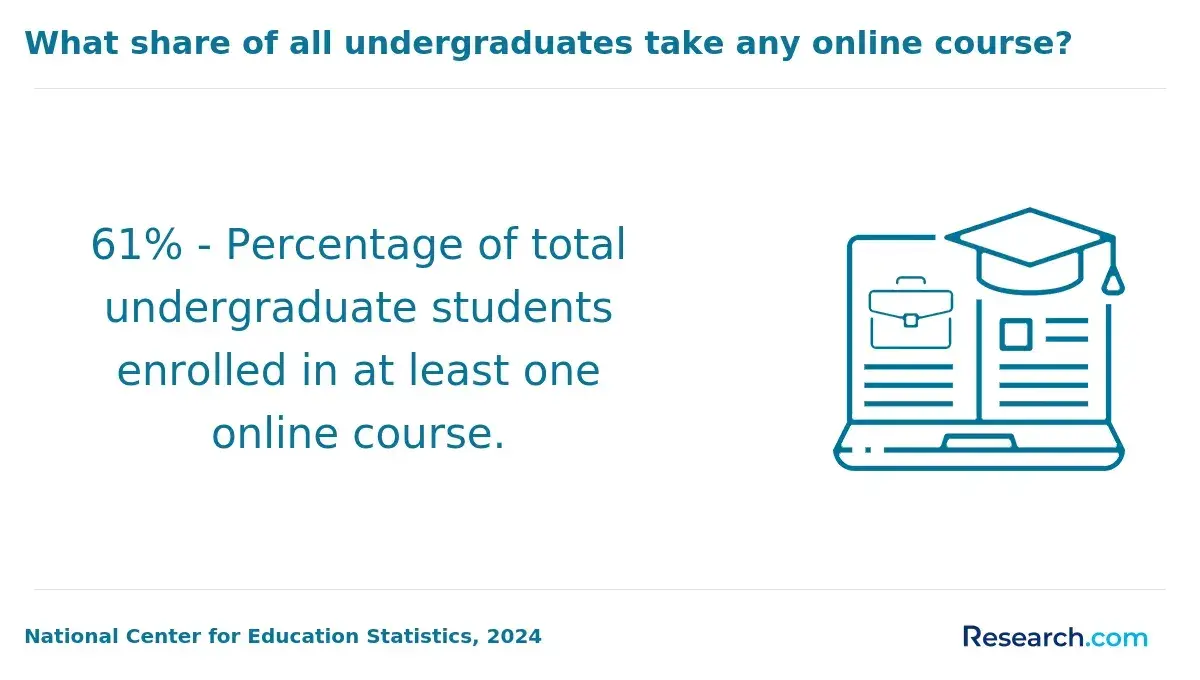
Social emotional learning degree programs for working adults are designed to balance career relevance, practical skill development, and flexible learning formats. Over 60% of adult learners in social emotional learning classes for working adults prefer flexible course delivery, such as online or hybrid models, to maintain full-time employment while pursuing their degrees. This approach helps students integrate education into busy schedules effectively.
Common core coursework in social emotional learning degrees includes essential topics that prepare professionals for real-world applications. These key areas are:
- Foundations of Social Emotional Learning: This course covers core SEL theories and frameworks critical for understanding emotional intelligence and interpersonal skills. It equips students to apply research-based strategies effectively in diverse professional settings.
- Assessment and Measurement in SEL: Focuses on evaluating SEL competencies through various tools and methods, enabling students to design and implement programs that track social and emotional growth accurately.
- Instructional Strategies and Curriculum Design: Prepares students to integrate SEL principles into educational or organizational curricula, fostering interventions that promote positive emotional and social outcomes.
- Cultural Competency and Diversity in SEL: Addresses how culture and identity impact emotional learning, training students to build inclusive environments that support a wide range of populations.
- Leadership and Program Management in SEL: Develops leadership abilities necessary to plan, manage, and sustain SEL initiatives, supporting career advancement into administrative or specialist roles.
Prospective students seeking accreditation and affordability may also explore options such as affordable online MFT programs that complement social emotional learning degrees and support diverse career pathways.
Breakdown of Private Fully Online For-profit Schools

For working adults, cost plays a significant role in pursuing a social emotional learning degree, especially as nearly 40% opt for part-time enrollment to juggle jobs and family commitments. While this flexibility helps with scheduling, it can also increase the overall financial investment by extending the duration of study. Several key factors contribute to the total expenses involved.
Here are some important considerations affecting the cost of social emotional learning programs for adult learners:
- Tuition per credit: This is often the largest component of cost and varies widely depending on whether the program is online or campus-based. Online options typically offer lower rates, which can make a difference for working students.
- Program length: The total number of credits required influences overall cost, with longer programs incurring higher expenses. Accelerated courses reduce time but demand a heavier time commitment, which may not suit all learners.
- Additional fees: Beyond tuition, students must budget for registration, technology access, and course materials-costs that can add significantly to the total.
- Textbooks and materials: Required resources sometimes carry considerable expense, though many online programs mitigate this by using digital or open-access materials to keep costs down.
- Cost-saving strategies: Employer tuition assistance, scholarships, and grants aimed at adult learners can substantially offset tuition and fees, easing the financial burden.
What Graduates Say About Their Social Emotional Learning Degrees for Working Adults
- Violet: "Choosing an online social emotional learning degree was a game-changer for me. Balancing work and studies was challenging, but the flexibility made it doable, especially knowing the average cost hovered around $15,000-$20,000, which was reasonable for a quality program. Completing this degree has deeply enhanced my ability to connect with students and colleagues, making me more effective in my educational role."
- Carl: "Reflecting on my decision to pursue a part-time social emotional learning degree while working full-time, I knew the investment was significant-costs often range between $10,000 and $25,000-but it was an investment in my future. The program's practical approach allowed me to apply learnings immediately, which enriched my professional practice and provided new career opportunities. This experience truly reshaped my understanding of emotional intelligence in the workplace."
- Jericho: "As a working professional, I was initially hesitant about the financial and time commitment of a social emotional learning degree, knowing it could cost anywhere from $12,000 to $22,000. However, completing the program part-time proved invaluable, advancing my skills and credibility in education and counseling roles. Now, I feel better equipped to foster emotional growth in diverse settings."
Other Things You Should Know About Social Emotional Learning Degrees
Yes, many institutions offering Social Emotional Learning (SEL) degrees in 2027 allow working adults to transfer previously earned college credits. This can reduce both the time and cost required to complete the degree, making it a more feasible option for those balancing work and study.
Many programs are designed specifically with flexibility in mind to accommodate working adults with diverse schedules, including shift workers. Asynchronous coursework allows students to complete lessons at any time, while some schools offer multiple start dates throughout the year. Prospective students should evaluate the program's scheduling options to ensure compatibility with their personal work hours.
Yes. Many social emotional learning programs require a practicum or internship, usually 100 to 300 supervised hours, before graduation. Some universities allow students to complete these hours in their current workplace if the site and supervisor meet program approval and state licensing or certification rules.
- 25 Scholarships For Social Work Students | Psychology.org https://www.psychology.org/resources/social-work-scholarships/
- Social, Emotional, and Mental Health Funding | Move This World https://www.movethisworld.com/school-leadership-education-policy/sel-funding/
- Social and Emotional Learning: Professional Learning | UVA School of Education and Human Development https://education.virginia.edu/academics/programs/social-and-emotional-learning-professional-learning
- Social, Emotional, Behavioral, and Cultural Wellbeing, Online Graduate Certificate https://www.arcadia.edu/majors-and-programs/social-emotional-learning-certificate/
- An Introduction to Social-Emotional Learning In Higher Ed: Can It Support Equity Efforts? - Every Learner Everywhere® https://www.everylearnereverywhere.org/blog/an-introduction-to-social-emotional-learning-in-higher-ed-can-it-support-equity-efforts/
- Frequently Asked Questions About Social-emotional Learning https://knowledgeworks.org/resources/social-emotional-faq/
- Social and Emotional Learning Specialization https://education.up.edu/graduate-programs/social-and-emotional-learning-specialty.html
- Skills-Based Health/Social Emotional Learning Master of Education https://www.cambridgecollege.edu/academics/degrees-certificates/masters-degrees/skills-based-health-social-emotional-learning
- Managing with Emotional Intelligence in Health & Social Care https://www.csss.es/emotional-intelligence-for-health-and-social-care-management-careers/
- Socio-Emotional Learning Program Developer and Trainer | UNESCO - United Nations Educational, Scientific and Cultural Organization https://www.impactpool.org/jobs/744424