2027 How to Compare Social Emotional Learning Degree Programs Effectively
Audited and Verified:
Our Editorial and Data Verification Process
Research.com uses government datasets, official education statistics and primary institutional information to support its career and degree guides. Our review process checks factual accuracy, occupational definitions, source dates and the requirements associated with the credentials discussed.
How This Article Was Fact-Checked
Our editorial team verifies salary estimates, employment projections, education requirements and program information against original data providers and official organizations. Salary figures are checked against the relevant occupational definitions and reporting periods. Information about licensure, accreditation and required in-person training is reviewed separately.
Fact-checked and verified on:

Co-Founder and Chief Data Scientist
Many prospective students face difficulty choosing social emotional learning degree programs due to the varying focus areas, delivery methods, and credentials offered. For instance, one program may emphasize child psychology while another centers on educational leadership, making direct comparisons challenging.
This matters as employment in social emotional learning fields is expected to grow by 12% over the next decade, intensifying competition and the need for relevant specialized skills. This article will explore key factors such as curriculum content, faculty expertise, and flexible scheduling to help readers effectively compare programs and select the best fit for their professional goals and personal circumstances.
Key Benefits of Comparing Social Emotional Learning Degree Programs Effectively
- Verify program accreditation to ensure recognized credibility, as 87% of employers prefer candidates from accredited social emotional learning degrees.
- Assess curriculum alignment with your career goals, focusing on specializations like counseling or educational leadership for targeted expertise.
- Compare tuition costs against potential salary gains; flexibility in scheduling often enhances return on investment by balancing work and study.
What Types of Accreditation Should a Social Emotional Learning Degree Program Have?
Accreditation helps prospective students compare the quality, credibility, and long-term value of different social emotional learning degree programs by confirming they meet established educational standards. Graduates from accredited programs have a 20% higher employment rate within their field, reflecting stronger employer recognition and improved career outcomes.
Understanding the key types of accreditation is essential when evaluating programs.
The key types of accreditation to look for include:
- Regional Accreditation: This is the most widely recognized and rigorous form of accreditation in the United States. It assures the overall quality of the institution and its programs, facilitating credit transfer, access to federal financial aid, and acceptance by employers. Its importance cannot be overstated when considering accreditation standards for social emotional learning degree programs.
- Programmatic Accreditation: This focuses on specific education or counseling fields, such as accreditation by the Council for the Accreditation of Educator Preparation (CAEP) or the Council for Accreditation of Counseling and Related Educational Programs (CACREP). This accreditation ensures that social emotional learning degrees meet professional standards required for licensure and practice.
- State Approval: State approval confirms that programs comply with local education regulations. While less comprehensive than regional or programmatic accreditation, it can influence licensure eligibility and is valuable for career changers and working professionals seeking recognized credentials.
For students also interested in related fields, exploring options like artificial intelligence degree programs can provide insight into accreditation frameworks across disciplines.
What Specializations Are Offered in Social Emotional Learning Degree Programs?
Specializations in social emotional learning degree programs enable students to focus their studies on specific career goals and academic interests, helping them compare programs more effectively. According to labor market projections, jobs emphasizing SEL-related skills are expected to grow by 8% over the next decade, reinforcing the importance of specialized social emotional learning curriculum options.
The following common specializations demonstrate the diversity of focus areas available.
- Early Childhood Development: Concentrates on emotional and social growth in young children, developing skills in age-appropriate intervention and family engagement, preparing graduates for roles in preschools or childcare settings.
- Educational Leadership: Focuses on managing SEL programs within schools, emphasizing policy development, staff training, and program evaluation, which suits those aiming for administrative or coordinator positions.
- Mental Health and Counseling: Integrates SEL with counseling techniques, fostering skills in emotional support and crisis intervention, leading to careers in school counseling or social services.
- Curriculum Design: Centers on creating SEL instructional materials and integrating SEL into academic curricula, ideal for educators and trainers.
Prospective students should consider how these specializations align with their professional objectives and scheduling needs. For those also exploring related fields, programs such as an engineering online degree offer similarly tailored curriculum options that emphasize practical skill development and career readiness.
How Can You Compare Courses Across Social Emotional Learning Degree Programs?
Comparing courses across social emotional learning degree programs is essential for prospective students to evaluate program rigor, skill development, and alignment with career goals. Research shows that programs with comprehensive course structures have up to a 20% higher student completion rate, demonstrating improved engagement and preparedness.
To make an informed choice, consider the following strategies:
- Review Course Descriptions: Detailed course outlines reveal the depth and complexity of topics, helping you assess academic rigor and relevance to your career path.
- Analyze Credit Hours: Understanding the credit hours per course indicates the expected workload and time commitment, which aids in planning your schedule and managing flexibility demands.
- Evaluate Skill Development: Focus on whether courses emphasize practical skills such as emotional regulation or conflict resolution, critical for professional application in social emotional learning settings.
- Assess Career Alignment: Check if course content supports certifications or roles you aim to pursue, ensuring your degree advances your specific career objectives.
- Investigate Faculty Expertise: Experienced instructors often deliver higher-quality instruction and current content that better prepares students for real-world challenges.
- Look for Experiential Opportunities: Courses including fieldwork or internships enhance hands-on experience, boosting job readiness after graduation.
When comparing social emotional learning course schedules and flexibility, it is important to balance curriculum depth with your lifestyle. For budget-conscious students, exploring options like cheap psychology masters programs may provide valuable pathways to affordable education without compromising quality.
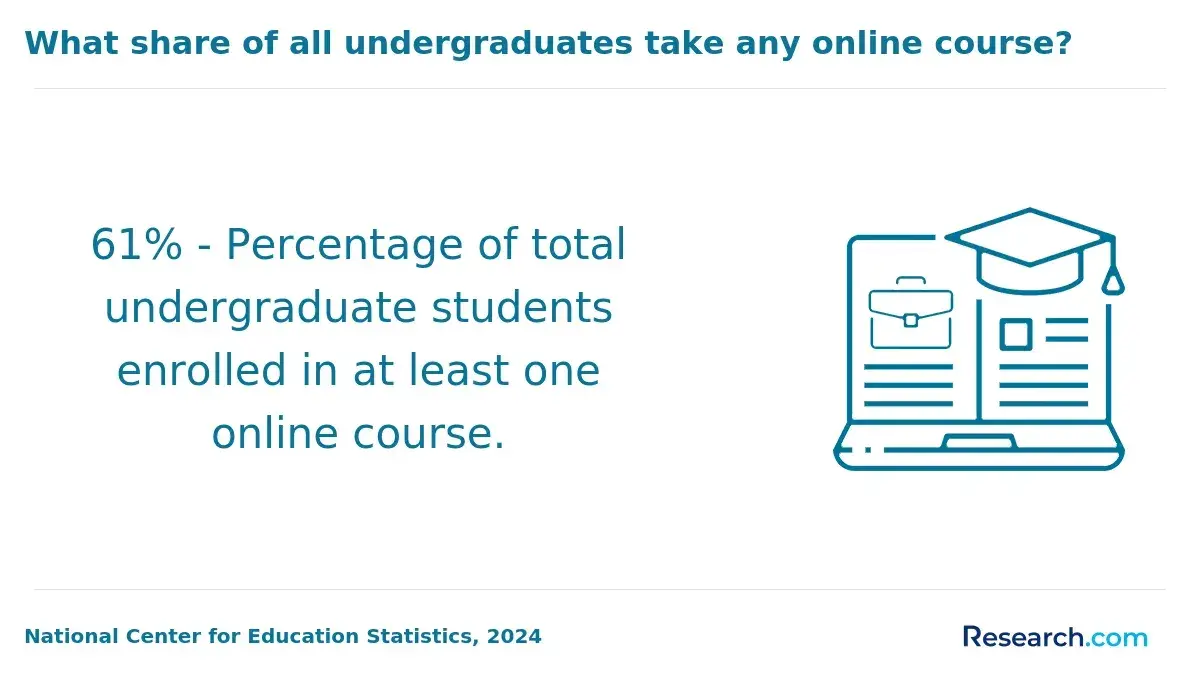
Choosing the delivery format of a social emotional learning degree greatly influences students' flexibility and career readiness. In 2023, nearly 45% of U.S. college students enrolled in at least one online course, highlighting the growing appeal of digital learning.
Below is a detailed comparison of online and campus-based programs to help guide prospective students.
Online Programs
- Flexibility: Students can balance work, family, and studies without geographic limitations, making it ideal for those requiring a self-paced schedule.
- Accessibility: Coursework and resources are available anytime online, providing convenience for learners with varied time commitments.
- Networking Challenges: Limited face-to-face interaction may restrict opportunities for building interpersonal connections critical in social emotional learning careers.
- Practical Experience: Hands-on training can be harder to integrate, which may affect skill development in emotional intelligence and interpersonal dynamics.
Campus-Based Programs
- Immersive Learning: Direct engagement with instructors and peers enhances collaboration and immediate feedback, enriching overall educational outcomes.
- Nonverbal Skills: Real-time interactions support the development of subtle communication abilities particularly valuable in social emotional learning fields.
- Scheduling Constraints: Fixed class times and commuting can impose restrictions on students managing other responsibilities.
- Higher Costs: On-campus programs often entail greater expenses related to housing, travel, and fees.
A graduate who completed an online social emotional learning degree shared his experience weighing these options. He described feeling overwhelmed by the sheer number of programs but was drawn to online formats for their flexibility during a demanding work schedule.
"I needed to keep my job and care for my family, so a rigid campus schedule wasn't feasible." However, he noted moments of isolation in virtual classes, saying, "The lack of in-person interaction made it tough to practice some interpersonal skills."
Still, he appreciated how the online environment forced him to develop strong self-discipline and time management. When asked what ultimately helped him decide, he reflected, "It was about finding a program that matched my lifestyle and learning pace while still offering support through online forums and occasional live sessions."
What Graduates Say About Comparing Social Emotional Learning Degree Programs Effectively
- Margot: "Before enrolling in the social emotional learning degree program, I weighed several options, but the affordability was a major draw for me compared to other education paths averaging upward of $30,000. Completing the program significantly boosted my confidence and career prospects, allowing me to engage with clients more empathetically. This choice truly transformed my professional journey. "
- Lynn: "Reflecting on my decision to pursue a social emotional learning degree, cost was a crucial factor since many alternatives exceeded $25,000 in tuition. The program's balance of quality education and reasonable expenses made it accessible, and now I find myself applying my skills daily in leadership roles, emphasizing emotional intelligence within teams. It's been a rewarding investment in both growth and career advancement. "
- Amara: "Professionally, I needed a program that would not only nurture my passion but also remain financially responsible; the social emotional learning degree fit perfectly, considering the average attendance cost was well below other options. Post-graduation, I have noticed a distinct advantage in my ability to navigate complex social dynamics in educational environments, which has opened many doors. This degree was well worth the strategic cost and effort. "
Other Things You Should Know About Social Emotional Learning Degrees
A strong program should be housed in a regionally accredited institution and, when applicable, align with the Council for the Accreditation of Educator Preparation (CAEP). Check the program’s college or education school status, because employer recognition and licensure review often depend on that accreditation.
Standardized test requirements vary widely among social emotional learning programs. While some undergraduate programs may require SAT or ACT scores, many have moved toward test-optional policies. Graduate programs occasionally request GRE scores but often waive this if applicants have sufficient professional experience.
Before enrolling in a social emotional learning degree program, candidates typically need a bachelor's degree in education or a related field. Some programs may also require work experience in educational settings or completion of foundational psychology or education courses. Always check the specific requirements of each program you are considering.
Investigate whether the program accepts transfer credits, ensuring they align closely with its curriculum. Check accreditation and speak with an admissions advisor to understand policies on transfer credits and conditions for acceptance in 2027.
- Which is better? Campus degrees or online degrees https://www.ecampusnews.com/teaching-learning/2017/04/06/campus-degrees-online-degrees/
- Educating the Whole Child: UDL and Social Emotional Learning PD Course https://www.novakeducation.com/udl-sel-course
- What Does the Research Say? - CASEL https://casel.org/fundamentals-of-sel/what-does-the-research-say/
- Labour market value of higher and further education qualifications: a summary report https://www.gov.uk/government/publications/labour-market-value-of-higher-and-further-education-qualifications-a-summary-report/labour-market-value-of-higher-and-further-education-qualifications-a-summary-report
- The Teacher and Social and Emotional Learning (SEL) https://www.coursera.org/specializations/teacher-sel
- Social and emotional learning course https://www.mtholyoke.edu/teacher-leadership-program/social-and-emotional-learning-course
- Master of Arts in Educational Leadership (MAEL) | Graduate Programs | Social Emotional Learning, Characters, and Ethics https://www.cui.edu/academicprograms/graduate/educational-leadership/social-emotional-learning-characters-and-ethics
- Pros and Cons of Online Learning | National University https://www.nu.edu/blog/weighing-the-pros-and-cons-of-online-vs-in-person-learning/
- The Teacher and Social & Emotional Learning (SEL) Specialization https://www.colorado.edu/ali/teacher-and-social-emotional-learning-sel-specialization
- Social Emotional Learning, M.Ed. https://www.whitworth.edu/cms/academics/graduate-studies-in-education/counseling-and-therapy/social-emotional-learning-med/