2027 Social Emotional Learning Degrees Explained: Are They Classified as Professional Degrees?
Audited and Verified:
Our Editorial and Data Verification Process
Research.com uses government datasets, official education statistics and primary institutional information to support its career and degree guides. Our review process checks factual accuracy, occupational definitions, source dates and the requirements associated with the credentials discussed.
How This Article Was Fact-Checked
Our editorial team verifies salary estimates, employment projections, education requirements and program information against original data providers and official organizations. Salary figures are checked against the relevant occupational definitions and reporting periods. Information about licensure, accreditation and required in-person training is reviewed separately.
Fact-checked and verified on:

Co-Founder and Chief Data Scientist
Many prospective students mistakenly believe that social emotional learning degrees automatically qualify as professional degrees required for licensure or immediate career advancement. In reality, only about 35% of advanced degree holders in education-related fields report that their social emotional learning specialization directly impacts their employment status or salary increases.
This confusion can lead to unnecessary time and financial investments without guaranteed outcomes. This article clarifies how social-emotional learning degrees are classified, explores accreditation standards, and explains their role in career trajectories, helping readers make informed decisions on education and professional development paths.
Key Benefits of Professional Social Emotional Learning Degrees
- Professional social emotional learning degrees enhance career advancement by equipping graduates with leadership and specialized skills sought in educational and organizational settings.
- These degrees often lead to higher earning potential, with professionals in education and psychology reporting up to 20% increased salaries compared to those without advanced credentials.
- Holding a professional degree can provide eligibility for regulated or advanced roles, ensuring long-term job stability in competitive fields including counseling and educational administration.
What Is Considered a Professional Social Emotional Learning Degree?
Identifying what qualifies as a professional social emotional learning degree is essential for students evaluating career-focused and licensure-oriented education pathways. This clarity helps avoid costly programs with limited practical value.
Workforce demand underscores this need, with a recent survey revealing a 25% increase in employer requests for certified SEL specialists over the past five years. A common misunderstanding exists about social emotional learning degrees, and the following addresses this through a myth vs. fact list.
Degree Value
- Myth: Any degree related to social emotional learning is a professional degree.
- Fact: A professional social emotional learning degree is specifically designed to provide applied training that prepares students for licensure or industry-recognized credentials supporting career advancement.
Career Focus
- Myth: All degrees mentioning social emotional learning develop career-ready professionals.
- Fact: Many social emotional learning-related programs emphasize theory or research without direct preparation for licensure or certification, which is essential for professional status.
Students seeking professional social emotional learning degree programs should consider how well they prepare for certification and real-world applications. Programs aligned with career-specific outcomes increase eligibility for roles requiring formal credentials.
For those interested in expanding their qualifications, exploring options like MSW programs online can be a valuable next step.
Who Should Pursue a Professional Social Emotional Learning Degree?
Identifying the right candidates for professional social emotional learning degrees is crucial for students aiming for career-focused, practice-oriented education. These programs target those seeking licensure and specialized roles, ensuring graduates meet industry demands.
Enrollment in social emotional learning programs has grown by over 25% in recent years, highlighting increased interest and demand for these credentials. Below are common misconceptions clarified to help prospective students understand who benefits most from these degrees.
Early Professionals
- Myth: Social emotional learning degrees are only for educators or counselors with years of experience.
- Fact: These degrees especially benefit early-career professionals seeking a focused, practice-oriented education to enter fields like school counseling, educational psychology, or social work.
Career Changers
- Myth: Career changers cannot benefit from a professional social emotional learning degree.
- Fact: Individuals transitioning from unrelated fields often pursue these degrees to gain necessary expertise and credentials, enhancing their employability in education, mental health, or youth development sectors.
Theory vs Practice
- Myth: Social emotional learning degrees are mainly theoretical with little practical application.
- Fact: Professional programs emphasize applied skills, preparing graduates for real-world challenges in diverse settings involving careers requiring social emotional learning certification.
Students should also consider program accreditation, as this affects licensure eligibility and quality of training. Prospective learners may consider CACREP accredited online counseling programs to browse options that align with professional standards in counseling and related fields.
What Are the Most Common Professional Social Emotional Learning Degree Programs?
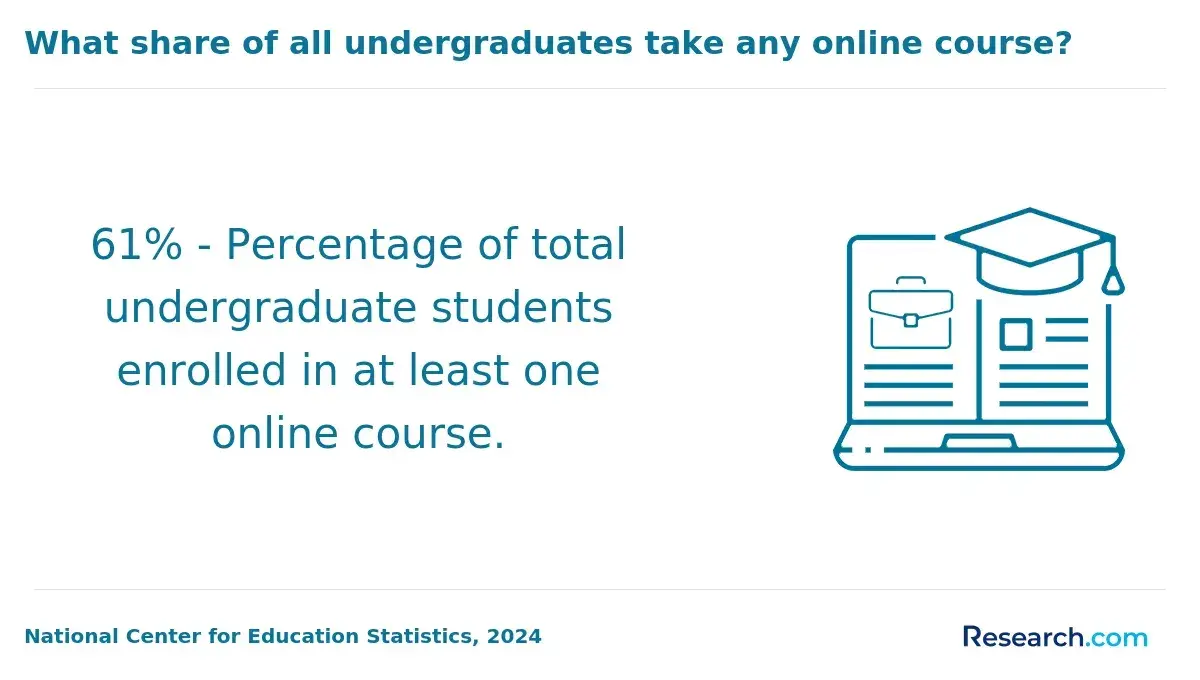
Recognizing the range of professional social emotional learning programs enables students to choose options that align with their career aspirations and certification needs. Demand for SEL-focused degrees has grown significantly, with enrollment rising over 15% annually in recent years.
Below is an overview of common degree pathways in this field.
- Master's in Educational Psychology: This program integrates social emotional learning concepts within a broader study of psychological principles applied in education. It emphasizes research methods and curriculum design to support emotional intelligence development in academic settings.
- Master's in Counseling with SEL Specialization: Focused on applying SEL theories in therapeutic contexts, this degree trains students to deliver mental health support and emotional skills interventions. Interest in this program reflects the increasing incorporation of SEL in school and community counseling.
- Master of Social Work (MSW) with SEL Emphasis: This degree prepares professionals to address social and emotional needs within diverse populations through evidence-based practices. The curriculum builds competencies for integrating SEL approaches into clinical and community services.
These programs respond to growing recognition of SEL's role in promoting well-being, driving steady enrollment increases among graduate students.
Prospective students evaluating professional social emotional learning programs must be well-informed about admission criteria to enhance their chances of acceptance and to prepare appropriately for academic demands. Enrollment in these programs has increased by more than 20% over the last five years, reflecting growing interest but also rising competition.
The following outlines key requirements commonly expected of applicants.
- Educational Background: Applicants generally need a bachelor's degree from an accredited college or university, typically in education, psychology, social work, or a related discipline. This foundation ensures candidates have the necessary academic grounding to handle advanced coursework and professional challenges.
- Academic Performance: Submission of official transcripts demonstrating satisfactory grades is standard, often with a minimum GPA threshold. This requirement helps programs identify candidates likely to succeed and meet the program's academic rigor.
- Letters of Recommendation: Programs usually ask for letters from academic or professional references who can attest to the applicant's intellectual abilities and interpersonal skills. Such endorsements provide insight into the candidate's preparedness and character.
- Personal Statement or Essay: Many applications include a written statement where candidates express their motivation, relevant experiences, and career goals related to social emotional learning, allowing admissions committees to assess commitment and fit.
- Standardized Tests and Experience: While GRE scores have become less common, some programs still request them. Additionally, relevant work or volunteer experience in education or counseling enhances applications by demonstrating practical readiness for the field.
When I spoke with a graduate of a professional social emotional learning program about his experience navigating admissions, he shared how the process felt "intimidating but clarifying." He recalled spending weeks crafting a personal statement that honestly conveyed his passion despite initial doubts about standing out among many qualified applicants.
"Gathering strong letters took effort," he said, "especially finding recommenders who really knew my work ethic." The applicant's background in volunteer counseling gave him confidence but also made him realize the importance of articulating that experience well. Overall, he emphasized that understanding each requirement deeply helped him approach the admissions process strategically and feel prepared for the program's challenges ahead.
What Graduates Say About Their Professional Social Emotional Learning Degree
- Zaynur: "Choosing to enroll in a professional social-emotional learning degree program was one of the best decisions I've made. The flexibility to balance work and study was essential, especially given the average cost of attendance, which made me appreciate the value even more. This degree has profoundly impacted my career by enabling me to implement effective SEL strategies that have improved student outcomes dramatically."
- Sofiya: "Pursuing a professional social-emotional learning degree program gave me the reflective space to truly understand the importance of emotional intelligence in education. The program's adaptable schedule meant I could continue working full-time while learning, which was crucial given the typical tuition. Now, I feel equipped to contribute meaningfully to my school's culture and support my colleagues professionally."
- Kurt: "As a professional, I valued the strategic approach of the social-emotional learning degree program and the realistic cost of attendance compared to its benefits. The program's flexibility allowed me to tailor my studies around work commitments efficiently. Graduating has enhanced my career prospects and enabled me to lead SEL initiatives confidently within my organization."
Other Things You Should Know About Social Emotional Learning Degrees
Yes, many institutions offer professional social emotional learning degrees in fully online or hybrid formats. These programs provide flexibility for working professionals while maintaining rigorous coursework and practical training requirements. Online options often include virtual classroom sessions, digital assignments, and remote fieldwork opportunities.
Social emotional learning degrees equip graduates with skills in emotional intelligence, relationship management, and effective communication. These competencies are crucial for roles in education, counseling, and human resources, where understanding human behavior and facilitating environments for emotional growth are essential.
No, most social emotional learning programs are classified as education, psychology, or counseling degrees, not professional degrees. Program status is determined by the institution’s accreditor and the degree level, with professional designation more common in licensure-linked fields such as medicine, law, or clinical counseling.
- What is Social Emotional Learning (SEL): Why It Matters https://www.nu.edu/blog/social-emotional-learning-sel-why-it-matters-for-educators/
- Benefits of prioritizing SEL https://www.goodwin.edu/enews/social-and-emotional-learning-benefits-best-practices/
- Myths About Gifted Students https://www.nagc.org/myths-about-gifted-students
- Busting 3 Myths About Social Emotional Learning https://www.edutopia.org/discussion/busting-3-myths-about-social-emotional-learning
- What Does the Research Say? - CASEL https://casel.org/fundamentals-of-sel/what-does-the-research-say/
- Social Emotional Learning https://www.mountmarty.edu/academics/majors-and-programs/graduate-teacher-education/social-emotional-learning/
- Learning on the Job: Myth vs Science – Association for Psychological Science – APS https://www.psychologicalscience.org/news/were-only-human/learning-on-the-job-myth-vs-science.html