2027 Part-Time vs. Full-Time Social Emotional Learning Degree Programs
Audited and Verified:
Our Editorial and Data Verification Process
Research.com uses government datasets, official education statistics and primary institutional information to support its career and degree guides. Our review process checks factual accuracy, occupational definitions, source dates and the requirements associated with the credentials discussed.
How This Article Was Fact-Checked
Our editorial team verifies salary estimates, employment projections, education requirements and program information against original data providers and official organizations. Salary figures are checked against the relevant occupational definitions and reporting periods. Information about licensure, accreditation and required in-person training is reviewed separately.
Fact-checked and verified on:

Co-Founder and Chief Data Scientist
Choosing between part-time and full-time social emotional learning degree programs can be challenging, especially for students balancing work, finances, and academic ambitions. Recent data show that nearly 40% of social emotional learning students prefer flexible schedules, highlighting the growing demand for programs accommodating varied lifestyles and commitments. This decision impacts workload, pace, and overall experience significantly.
This article explores the main differences between part-time and full-time study in social emotional learning, helping prospective students understand how each option aligns with their professional goals and personal responsibilities. By clarifying these distinctions, readers can make informed choices about their educational paths.
Key Benefits of Part-Time vs. Full-Time Social Emotional Learning Degree Programs
- Part-time programs enable working professionals to balance employment while progressing academically, enhancing practical application of social emotional learning theories in real-time.
- Flexible scheduling in part-time study reduces financial strain by allowing students to maintain income, minimizing debt compared to full-time enrollment.
- Part-time formats support better work-life balance, reducing burnout and improving retention rates, with up to 25% higher completion rates reported among social emotional learning students.
How Are Part-Time Social Emotional Learning Programs Structured Compared to Full-Time Programs?
Choosing between part-time and full-time social emotional learning programs requires understanding their structural differences, as these impact scheduling flexibility and the pace of academic progress. These distinctions influence how students balance their educational goals with other commitments, shaping their overall learning experience.
Part-Time Program
- Course Load: Typically 1-2 courses per semester, allowing for a lighter academic burden.
- Weekly Time Commitment: Around 10-15 hours a week dedicated to study and assignments.
- Scheduling Flexibility: Often features evening or weekend classes to accommodate working professionals and family responsibilities.
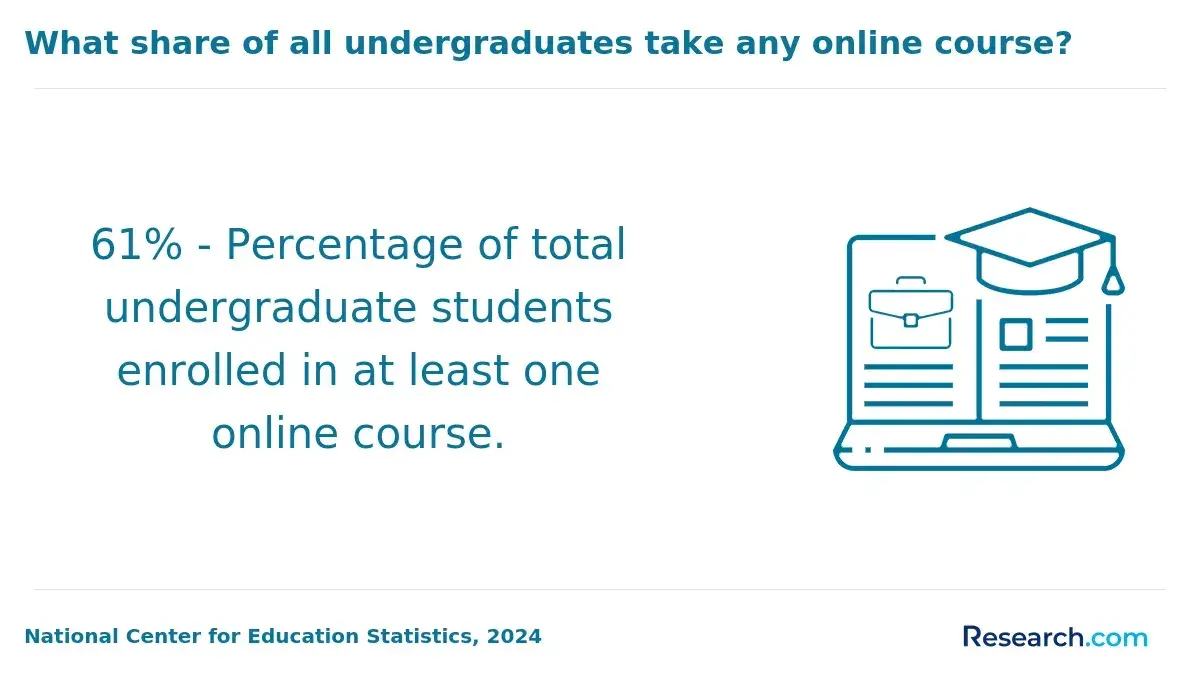
- Online Availability: Many programs offer fully online or hybrid options to increase accessibility, with over 60% including online courses according to a national survey.
Full-Time Program
- Course Load: Enrolls students in 3-5 courses per semester, demanding a more intensive study schedule.
- Weekly Time Commitment: Requires 30 or more hours weekly for attending classes, completing assignments, and engaging in practical activities.
- Scheduling: Primarily daytime attendance is expected, with a structured and immersive routine.
- Format Options: Some programs offer hybrid or online components but generally maintain a less flexible schedule compared to part-time formats.
For those interested in a quick degree, understanding these differences in social emotional learning degree formats can help determine which program structure aligns best with their professional and personal life.
Comparing part-time vs full-time social emotional learning program structure reveals how each format addresses the balance between educational engagement and practical commitments.
How Long Does It Take to Earn a Part-Time vs Full-Time Social Emotional Learning Degree?
Understanding the time to complete a social emotional learning degree is essential for students planning their academic and career timelines. The duration differs significantly between full-time and part-time study formats, influencing when graduates can enter or advance in their professional roles.
Full-time social emotional learning degree duration typically ranges from 18 to 24 months. This pathway involves enrolling in 12 to 15 credit hours per semester, enabling a steady progression through courses.
The time to complete part-time social emotional learning degree programs often extends to 3 to 5 years. Designed for working professionals or those balancing other commitments, part-time study usually includes 6 to 9 credit hours per semester, offering greater flexibility but a slower pace.
Several factors can affect how long either path takes to finish:
- Course load: Heavier semester credit hours shorten completion time, while lighter loads extend it.
- Program structure: Cohort-based programs may have fixed schedules, whereas self-paced options offer more flexibility.
- Transfer credits: Prior education credits can reduce required coursework, speeding up graduation.
- Accelerated options: Summer or intensive courses may allow faster completion.
According to the National Center for Education Statistics, part-time students nationwide take an average of 4 years to complete master's level education, compared to about 2 years for full-time students. Those curious about flexible learning paths can explore top degrees for older adults online, which often include social emotional learning programs tailored for diverse schedules.
Are Admission Requirements Different for Part-Time vs Full-Time Social Emotional Learning Programs?
While these programs share many core criteria, admission requirements can vary notably due to differences in program structure and the target student population. Recognizing these distinctions is essential for applicants to select the option best aligned with their academic and professional circumstances.
- GPA Requirements: Both part-time and full-time social emotional learning degree requirements typically include a minimum undergraduate GPA around 2.5 to 3.0. Full-time programs often enforce higher GPA thresholds because of their rigorous pace, while part-time programs may be more accommodating to balance work and study.
- Prerequisite Coursework: Foundational classes in education, psychology, or related disciplines are standard prerequisites. Full-time programs usually expect these prerequisites completed before enrollment, whereas part-time programs may permit concurrent completion alongside the degree curriculum.
- Professional Experience: Admission criteria for part-time social emotional learning programs often emphasize relevant professional experience, targeting working educators or specialists. Conversely, full-time programs frequently admit recent graduates who may have limited work history but strong academic records.
- Standardized Tests: The GRE or similar exams are less common but may be required more often by full-time programs, especially at research-intensive institutions, reflecting their academic focus.
- Supporting Documents: Both formats request letters of recommendation, personal statements, and resumes. Additionally, part-time applicants generally need to demonstrate effective strategies for managing work-study balance.
Prospective students evaluating these requirements should also explore what is the quickest masters degree to obtain if program duration is a significant factor. Understanding the nuances in admission criteria helps ensure a suitable match between the student's profile and the program's expectations, whether seeking part-time flexibility or a full-time immersive experience.
Part-time social emotional learning degree programs provide significantly more online and hybrid course options than full-time programs. This flexibility suits working adults, while full-time programs mainly focus on in-person learning experiences. Below is an overview of how each format typically handles course availability based on various factors.
- Program Design: Part-time programs often offer asynchronous or hybrid formats that allow students to balance studies with work or personal commitments. Full-time formats prioritize synchronous, campus-based classes to encourage immersion and collaboration among peers.
- Institutional Policies: Universities generally require full-time students to attend more in-person sessions, fostering community and hands-on learning. Part-time students benefit from policies offering more remote access to accommodate diverse schedules.
- Student Demographics: Part-time students tend to be working professionals seeking flexible learning paths, whereas full-time students are often recent high school graduates available for regular campus attendance.
- Course Availability Data: According to NCES data from 2022, 65% of courses in part-time social emotional learning programs have hybrid or fully online options, compared to only 40% in full-time programs.
What Graduates Say About Their Part-Time vs. Full-Time Social Emotional Learning Degree
- Brylle: "Pursuing my full-time social emotional learning degree was an eye-opening journey that deepened my understanding and practice of emotional intelligence. Though the average cost of attendance was significant, I found the investment worthwhile as it opened doors to meaningful career opportunities in counseling. I'm grateful for the immersive experience and the professional growth it spurred. "
- Vince: "Balancing a part-time social emotional learning degree with work was challenging but rewarding, especially given its reasonable cost compared to full-time programs. The flexible schedule allowed me to apply concepts directly to my role in education, enriching both my personal and professional life. This program truly transformed my approach to emotional well-being. "
- Joshua: "The full-time social emotional learning degree pushed me to think critically about how emotions shape relationships at work and beyond. While the cost was an important consideration, financing options made it manageable. I now feel equipped to lead initiatives that promote empathy and collaboration within my organization. "
Other Things You Should Know About Social Emotional Learning Degrees
Most social emotional learning programs classify full-time enrollment at 9 to 12 graduate credits per term, while part-time students take 3 to 6 credits. Some universities set full-time at 8 credits, so the registrar’s definition controls tuition status, aid eligibility, and expected completion time.
Yes, part-time students in social emotional learning programs are generally eligible for many forms of financial aid, including federal loans and scholarships, though aid availability can vary by institution. Some scholarships specifically support working professionals pursuing part-time degrees. It is important to check with the financial aid office of the institution to understand specific eligibility requirements for part-time study.
In 2027, part-time students in social emotional learning programs may have fewer chances to connect with peers through events and group projects due to time constraints, while full-time students often engage more fully in networking opportunities, benefiting from immersive campus activities and cohort interactions.
- Are SEL Programs Worth the Time & Money? A Look at the Return on Investment https://apertureed.com/blog/are-sel-programs-worth-the-time-money-a-look-at-the-return-on-investment/
- To Choose the Right SEL Program, Ask the Right Questions https://www.edutopia.org/article/choosing-sel-program-asking-right-questions/
- Remote and In-Person Learning: Utility Versus Social Experience https://pmc.ncbi.nlm.nih.gov/articles/PMC9769479/
- Social Emotional Learning for Teachers |Graduate Degree https://www.doane.edu/programs/social-emotional-learning-specialization
- Master of Education in Social-Emotional Learning, Mindfulness and Yoga | Accredited EQF7 Degree at Woolf https://woolf.university/degrees/bfc-master-of-education-in-socialemotional-learning-mindfulness-and-yoga
- Social Emotional Learning http://catalog.whitworth.edu/graduate/sel/
- Fundamentals of SEL - CASEL https://casel.org/fundamentals-of-sel/
- Private School Tuition at Fusion Warner Center https://www.fusionacademy.com/campuses/warner-center/tuition/