2027 Different Types of Social Emotional Learning Degrees and Their Salaries
Audited and Verified:
Our Editorial and Data Verification Process
Research.com uses government datasets, official education statistics and primary institutional information to support its career and degree guides. Our review process checks factual accuracy, occupational definitions, source dates and the requirements associated with the credentials discussed.
How This Article Was Fact-Checked
Our editorial team verifies salary estimates, employment projections, education requirements and program information against original data providers and official organizations. Salary figures are checked against the relevant occupational definitions and reporting periods. Information about licensure, accreditation and required in-person training is reviewed separately.
Fact-checked and verified on:

Co-Founder and Chief Data Scientist
The demand for skilled professionals in social emotional learning continues to rise as schools and organizations increasingly recognize its essential role in student development and workplace success. According to recent labor market analyses, employment opportunities in this field are expected to grow significantly over the next decade, reflecting the urgent need for experts who can foster emotional intelligence and resilience.
Choosing the right educational path in social emotional learning is critical for unlocking career potential and achieving favorable salary outcomes. This article presents a comprehensive overview of the different types of social emotional learning degrees available and outlines the typical earnings graduates can anticipate, helping prospective students make informed decisions aligned with their professional goals.
Key Points About Different Types of Social Emotional Learning Degrees and Their Salaries
- Associate-level preparation in social and human services often leads to support roles such as social and human service assistants, with median earnings around $45,120.
- A bachelor’s degree tied to SEL fields, including social work or community services, often leads to jobs such as community outreach specialists or case managers, with median pay reaching roughly $61,330.
- Graduate programs in counseling, social work, or educational psychology equip learners for advanced positions, such as school counselors or clinical social workers, where median earnings average around $65,140.
What Are the Different Types of Social Emotional Learning Degrees Available?
Each degree option caters to distinct professional goals and emphasizes various aspects of social emotional learning, ensuring a tailored approach for diverse learners.
Below is a breakdown of the main types of social emotional learning degrees and what makes each unique, providing clarity on their focus and coursework.
- Bachelor's Degree in Social Emotional Learning or Related Fields: This degree focuses on foundational SEL theories, child development, and basic intervention strategies. Typical coursework includes introductory psychology, education foundations, and classroom management emphasizing self-awareness, social skills, and emotional regulation.
- Master of Arts in Social Emotional Learning: Emphasizing advanced SEL frameworks, this degree covers research methods and evidence-based program design. Students explore SEL curriculum development, assessment techniques, and intervention planning to evaluate and implement SEL programs effectively.
- Education Specialist (EdS) in Social Emotional Learning: Designed to develop practical skills for educators and administrators, the EdS blends coursework with hands-on practice. The curriculum includes applying SEL strategies within school systems, leading SEL initiatives, and supporting student well-being at an institutional level.
- Doctor of Education (EdD) in Social Emotional Learning: This doctoral program centers on leadership, policy, and advanced research. Coursework involves in-depth study of SEL program evaluation, educational policy analysis, and organizational change to prepare graduates for directing SEL initiatives at higher administrative levels and contributing to academic research.
When researching options, students should consider fast track programs that might accelerate their education journey in these fields.
What Specializations Are Available in Social Emotional Learning Degrees?
Specialization is a crucial factor when choosing a social emotional learning degree because it allows students to tailor their education to specific career goals and industry demands. By focusing on particular areas within social emotional learning, graduates can develop targeted skills that enhance their professional opportunities and impact.
Below are some common Social Emotional Learning specializations:
- Social Emotional Learning Program Administration: This specialization prepares graduates to design, implement, and manage schoolwide or districtwide SEL initiatives. It emphasizes project management, program evaluation, and policy advocacy skills, leading to careers such as program directors, district SEL coordinators, and education consultants.
- Social Emotional Learning Classroom Practice: Focused on direct student interaction, this path equips learners with techniques in differentiated instruction, classroom management, and student assessment. Graduates often become classroom teachers, instructional coaches, or special education specialists.
- Social Emotional Learning for Teachers' Personal Development: This area concentrates on mindfulness, emotional intelligence, and building teacher resilience. It enhances skills like self-reflection and stress management, opening roles for teacher-leaders, professional development facilitators, and wellness coordinators.
- Social Emotional Learning, Character, and Ethics: Blending SEL with character education and ethical leadership, this specialization trains students in counseling, ethical decision-making, and crisis intervention. Career options include school counselors, mental health coordinators, and character education specialists.
- Social Emotional Learning in Community and Nonprofit Settings: Preparing professionals to apply SEL principles beyond schools, this path emphasizes community-building, inclusivity, and program assessment. Graduates can work as nonprofit program managers, youth development specialists, or community educators.
When considering which specialization aligns with your goals, it may help to explore programs known as the easiest masters degree options in related fields to find a balanced pathway that meets both academic and career needs.
How Long Does It Take to Complete Each Type of Social Emotional Learning Degree?
Understanding the time commitment required to complete various social emotional learning degrees is crucial for students as they plan their education and future careers. Knowing how long each program typically takes helps in setting realistic goals and managing expectations effectively.
Here is an overview of the main social emotional learning degree types and their usual completion times.
- Associate Degree in Social Emotional Learning: Typically takes about two years of full-time study to complete. This timeline can be shortened if students transfer credits from previous coursework or attend accelerated programs. Many community colleges offer flexible part-time and online options to accommodate working students.
- Bachelor's Degree in Social Emotional Learning: Usually requires four years of full-time study. Factors such as Advanced Placement credits or summer courses can reduce this time. Online and hybrid programs are increasingly available, providing additional flexibility for pacing the degree over a longer or shorter period.
- Master's in Social Emotional Learning: On average, a master's degree takes one to two years to complete after obtaining a bachelor's degree. Part-time enrollment and thesis requirements may extend the duration, while accelerated master's programs allow completion within a year. Many schools provide online formats to support working professionals.
- Doctorate in Social Emotional Learning: This advanced degree generally requires three to five years beyond the master's level. The timeline depends heavily on research progress and dissertation completion. Some programs offer part-time or distance learning options, but the overall commitment is substantial due to the depth of study and original research involved.
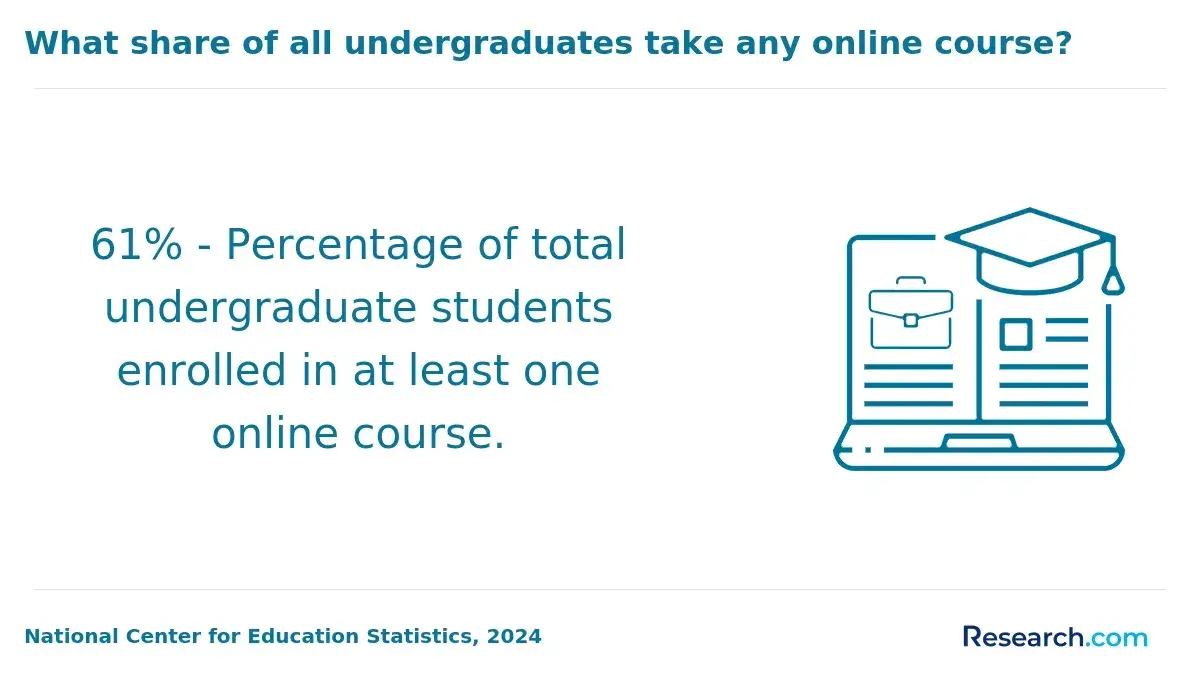
Both online and traditional social emotional learning (SEL) degree programs maintain rigorous academic standards by following similar accreditation processes and curricula. Accredited online SEL programs require the same coursework, practical experiences, and assessments as on-campus programs, ensuring comparable quality.
Research shows that students in online courses may even develop higher levels of emotional intelligence—an essential skill for SEL professionals—than those attending traditional classes. Online platforms enhance learning through interactive activities, collaborative projects, and authentic practice using digital tools, which support the development of communication and interpersonal skills vital in SEL fields.
Recent trends indicate a steady increase in employer acceptance of online SEL degrees, especially when they are earned from reputable, accredited institutions. Although some employers still show a slight preference for traditional degrees, the emphasis is shifting toward the reputation of the institution and the candidate's actual skills, regardless of delivery mode.
The flexibility and technological skills gained through online programs are particularly valued in education and counseling sectors. Data also highlights higher retention rates for online degrees, up to 60% compared to 8-10% for traditional programs, and potential cost savings exceeding $30,000.
Ultimately, the credibility of an SEL degree and the career opportunities it creates depend far more on the quality and accreditation of the institution than on whether coursework was completed online or in person.
What Social Emotional Learning Graduates Say About Their Degree and Salary
- Krista: "Finishing my bachelor's in social emotional learning completely transformed how I approach both my career and personal life. The program equipped me with practical tools to support student well-being in diverse classrooms, and now as a school counselor, I feel equipped to help children build resilience and navigate challenges effectively. The stability and demand in this field give me peace of mind while fueling my passion for creating safe emotional spaces for young people. I especially value how the degree has opened doors for ongoing professional growth and leadership opportunities within my district."
- Leilani: "After earning my master's in social emotional learning, I was thrilled to start my career as a community outreach coordinator focused on youth development. The degree provided a solid foundation to design impactful programs that engage families and schools in promoting emotional skills and mental health. Personally, I found the coursework fostered my empathy and communication skills, empowering me to be a strong advocate for underrepresented communities. Seeing the positive change and empowerment in the youth I work with daily is incredibly rewarding and energizes my ongoing learning."
- Winston: "Completing my doctorate in social emotional learning has been a challenging yet deeply fulfilling journey. It expanded my understanding of the theoretical frameworks and evidence-based practices that shape this growing field, which has been crucial as I teach future educators. The degree has also positioned me uniquely for advanced research opportunities and policy consultation roles, where I can influence systemic improvements in educational environments. Reflecting on my growth, I appreciate how this path has strengthened my critical thinking and given me a platform to amplify student voices on a larger scale."
Other Things You Should Know About Social Emotional Learning Degree Programs & Salaries
In 2027, entry-level professionals with a social emotional learning degree can expect salaries ranging from $45,000 to $60,000 annually. Experienced professionals in roles such as senior consultants or directors of SEL programs may earn between $80,000 and $110,000. Salary varies based on experience, location, and sector.
Yes, a master's degree in social emotional learning generally leads to higher earning potential compared to a bachelor's degree. Graduate degrees open opportunities for leadership roles and specialized positions in schools, nonprofits, or mental health agencies. These roles tend to offer better salaries and benefits.
Yes. CACREP-accredited counseling programs are widely accepted for school counseling and related SEL roles, and many employers also prefer programs aligned with state licensure rules. In 2027, graduates usually need a master's degree, supervised practicum or internship hours, and a valid state credential for school-based positions.
- Social-Emotional Learning & Flourishing (Post-Baccalaureate Certificate) | Notre Dame of Maryland University http://www.ndm.edu/academics/school-education/education-programs/social-emotional-learning-flourishing-post-baccalaureate-certificate
- Social Emotional Learning for College Students | University of the People | https://www.uopeople.edu/blog/importance-of-social-emotional-learning/
- The Core Components of Evidence-Based Social Emotional Learning Programs https://pmc.ncbi.nlm.nih.gov/articles/PMC6544145/
- Online vs Traditional Degrees: Similarities and Differences https://www.aiu.edu/blog/online-vs-traditional-degrees/
- What Do I Need to Know About Social and Emotional Learning? https://wallacefoundation.org/insights/what-do-i-need-know-about-social-and-emotional-learning
- Dos and Don'ts When Choosing Social-Emotional Learning Curricula https://www.edweek.org/leadership/dos-and-donts-when-choosing-social-emotional-learning-curricula/2020/04