2027 Paralegal Training for Insurance Claims Professionals: Choosing a Relevant Curriculum

Co-Founder and Chief Data Scientist
Claims experience can provide a head start in insurance litigation, but it does not automatically teach legal research, court procedure, or the boundaries of paralegal work. If you are an adjuster, claims examiner, or insurance operations professional considering legal training, the curriculum matters more than a program's general promise to prepare students for "legal careers." This guide shows how to compare credentials, identify coursework that builds on your experience, assess cost and scheduling trade-offs, and decide whether paralegal training - or a narrower alternative - is worth pursuing.
Key Things You Should Know
- Prioritize civil litigation, legal research and writing, evidence, discovery, and insurance-related electives; claims experience alone does not replace those legal skills.
- Choose a credit-bearing certificate or associate degree based on your existing education and target employers, then verify institutional accreditation and any claimed ABA program approval separately.
- The U.S. Bureau of Labor Statistics reports $62,890 in median annual pay for paralegals and legal assistants in May 2025 and 0% projected growth for 2025-2035; evaluate a program against realistic local opportunities, not a promised pay increase.
What is paralegal training for insurance claims professionals?
It is paralegal education chosen to support the legal work that follows or accompanies a claim: investigating disputed facts, organizing records, researching law, preparing litigation materials, and tracking deadlines. A claims professional may already understand coverage questions, loss documentation, negotiations, and insurer workflows. Paralegal coursework adds the rules and writing practices used by law firms and legal departments.
For example, a litigation paralegal working on a disputed claim might organize medical records, summarize deposition testimony, prepare a discovery draft, or track a court deadline under attorney supervision. The attorney remains responsible for legal advice and strategy. An adjuster's authority to handle claims does not, by itself, authorize the independent practice of law, and a paralegal credential does not confer that authority either.
First identify the work you want to do. If you hope to join insurance-defense counsel, emphasize civil procedure and discovery. If you plan to remain with an insurer in a claims or compliance role, a focused insurance-law, regulatory, or legal-research course may be more useful than an entire paralegal program.
What education do insurance claims professionals need for paralegal work?
There is no single nationwide paralegal degree requirement. Employers set many hiring preferences, while state rules may affect particular titles or activities. The right starting point depends on the education you already have and whether you want a legal-support job or broader legal knowledge for your current insurance role.
The routes below differ mainly in entry requirements, depth, and intended use. Program names alone are not enough: compare the actual courses and the credential awarded.
| Route | Typical starting point | Most relevant use | Important limitation |
| Paralegal certificate | Varies: some require a prior degree or college credits; others admit high school graduates | Adding legal-support skills to existing claims experience | A school certificate is not professional paralegal certification |
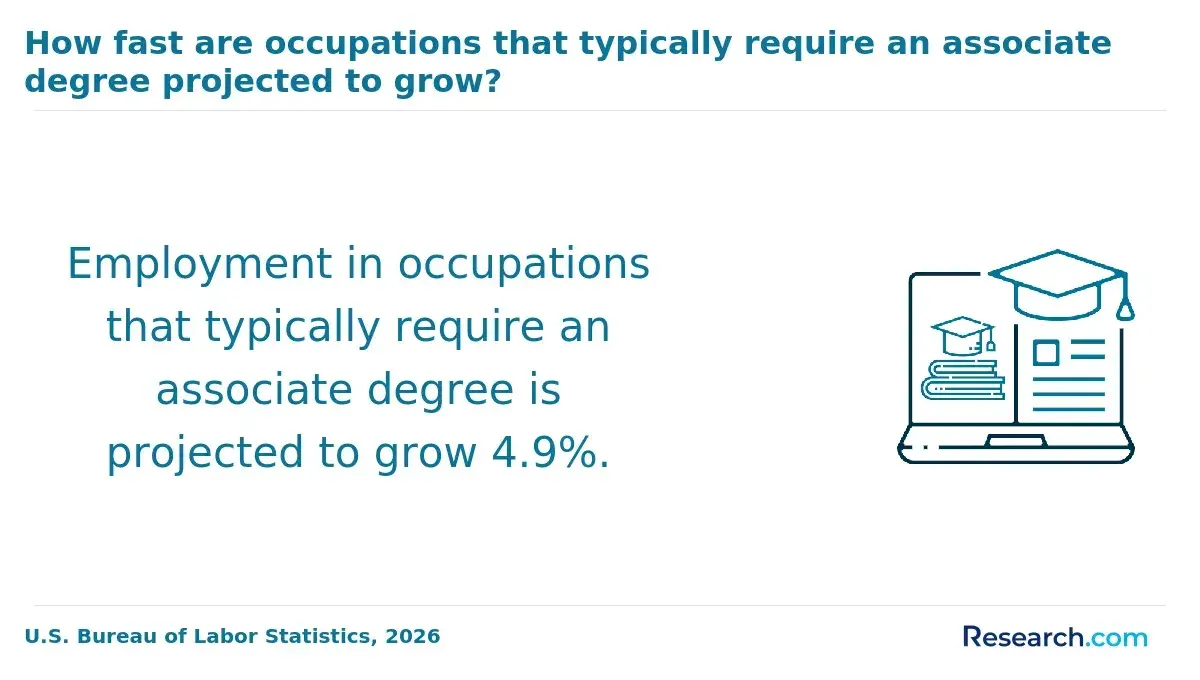
| Associate degree in paralegal studies | Often accessible to applicants without a prior college degree | Combining general education with foundational legal coursework | May repeat general coursework for someone who already has a degree |
| Bachelor's degree with paralegal coursework | Applicants seeking a full undergraduate degree | Meeting an employer's degree preference while studying legal support | Requires a larger time and tuition commitment |
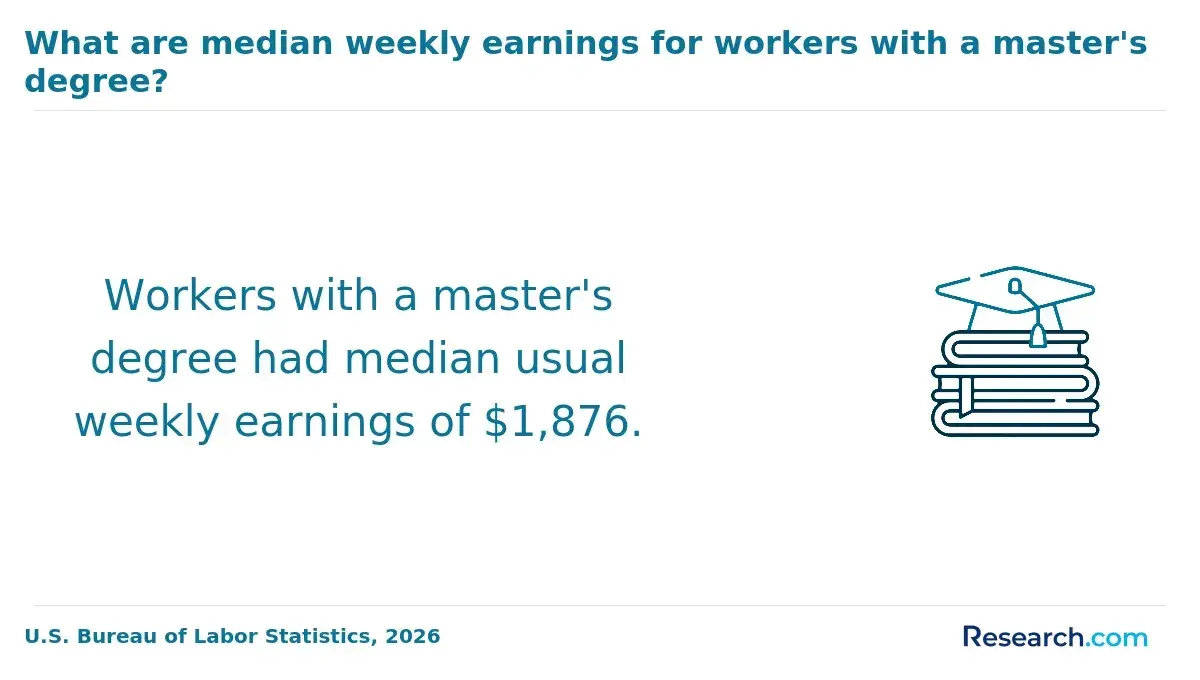
| Master's in legal studies or similar non-JD degree | Usually applicants with a bachelor's degree | Building legal knowledge for management, compliance, or policy work | Not a substitute for hands-on paralegal training or a law degree |
If you already have a bachelor's degree and want to draft, research, and manage litigation files, compare the paralegal curriculum before paying for graduate study. If your goal is interpreting legal obligations across an insurance organization, master's-level legal studies versus certificate study is a more relevant comparison. Neither route qualifies a graduate to practice as an attorney.
Which paralegal programs best prepare students for insurance claims careers?
The strongest choice is not necessarily the program with "insurance" in its title. Look for a substantial litigation foundation, opportunities to work with realistic documents, and a format you can complete while meeting your work obligations. Then check whether insurance-specific instruction goes beyond a passing mention in a course description.
For an insurance-defense or plaintiff-side litigation goal, favor a program that requires legal research and writing, civil procedure, and discovery, with supervised practice through assignments, a clinic, or an internship where available. For insurer-side legal operations, consider whether the program covers contracts, regulation, privacy, and document management. Ask to see current syllabi or representative assignments rather than relying on an elective title: an insurance-law elective may not run during your enrollment.
An accelerated format can reduce elapsed time but may concentrate reading and deadlines into fewer weeks. Use a guide to choosing an accelerated online paralegal program as a starting point, then confirm the current course sequence, meeting times, and availability of litigation courses directly with each school. A fast credential with little research or drafting practice may be a poor fit for a legal-support transition.
What courses should an insurance claims paralegal curriculum include?
Start with transferable legal skills, then add courses tied to the claims you handle. A curriculum should help you explain not just what happened in a claim, but how facts are researched, documented, and used in a supervised legal matter.
These subjects are worth checking in the catalog and, where possible, in sample assignments:
- Legal research and writing: Finding applicable authority, checking whether it remains valid, and drafting clear research memoranda and correspondence.
- Civil litigation and procedure: Following pleadings, motions, deadlines, and the stages of a lawsuit arising from a disputed claim.
- Evidence and discovery: Organizing records, preparing discovery materials, and understanding relevance, preservation, and attorney-directed privilege review.
- Contracts, torts, and insurance law: Studying policy language, liability concepts, and disputes over coverage or damages without assuming every claim raises the same law.
- Professional responsibility and technology: Protecting confidential information and practicing document organization, research, or e-discovery through actual assignments rather than software mentions alone.
Specialty electives should match your target files: personal injury may make medical-record analysis valuable, while commercial coverage work may benefit from contract and business-law study. If that second path interests you, a guide to business law study for working adults can help frame a different educational route. Before enrolling, ask which tools students actually use, whether access is included, and whether assignments require hands-on work. Software exposure alone is not proof of proficiency.
How do online and campus-based paralegal programs compare?
Either format can teach useful legal skills. The meaningful difference for a working claims professional is whether the schedule permits consistent practice, feedback, and any required fieldwork - not whether a class is labeled "online."
Online programs may remove a commute but still require live sessions, scheduled exams, group meetings, or an in-person internship. Campus programs may offer easier face-to-face interaction and local placement connections, but travel and fixed class times add costs. Hybrid programs combine both commitments. Ask when required courses run and whether missing a course delays completion.
If practical experience is required, verify who finds the placement and whether your current job can qualify; do not assume insurer employment automatically satisfies an internship. Also ask whether remote placements are permitted and what supervision the school requires. A program that fits your weekly schedule on paper may be impractical if its placement rules conflict with full-time claims work.
Do insurance claims professionals need paralegal certification or licensing?
Paralegals do not hold one universal U.S. license, and professional certification is not a nationwide condition of employment. State rules and employer requirements can differ, so check the jurisdiction and job postings relevant to your plans.
Keep three distinctions clear. A paralegal certificate is an educational award from a school. Professional certification is a separate credential granted under a certifying organization's eligibility and examination rules; for example, the National Association of Legal Assistants administers its Certified Paralegal credential. ABA approval applies to qualifying paralegal education programs, not individual graduates, and it is not the same as a college's institutional accreditation. The American Bar Association does not designate graduates "ABA-certified paralegals."
Before paying for an optional certification exam, read the credential provider's current eligibility rules and compare them with the jobs you want. Existing adjuster licensing or insurance designations may show industry expertise, but they do not automatically satisfy a paralegal certification requirement or replace legal-skills training.
What are the admission requirements for paralegal training programs?
Requirements vary by credential and institution. Some certificate programs are designed for applicants who already have a bachelor's degree; others accept students with a high school diploma or prior college coursework. Degree programs may have general college admissions requirements in addition to paralegal-program requirements.
Read the current admissions page for the specific credential you want. Check the required education, transcript rules, prerequisite courses, writing or placement requirements, and application deadlines. If you already hold college credits, request an individual evaluation: the receiving school decides whether those credits transfer and how they apply. Prior claims experience may be useful in an application, but do not assume it earns academic credit.
If you are considering graduate legal studies instead of paralegal training, its admissions rules are a separate question. Resources on no-essay application options for online legal studies may help you narrow that search, but confirm current requirements with each institution before applying.
How long do paralegal programs take and what do they cost?
There is no reliable single duration or price for all paralegal training. A short certificate, a certificate requiring prior college study, and an associate degree involve different amounts of coursework. Part-time enrollment, course rotation, prerequisites, and internships can change the time to completion substantially.
Compare each school's total expected cost, not just advertised tuition. Include mandatory fees, books, technology, legal-research access if separately charged, travel, and any expense associated with required fieldwork. Ask for a written estimate based on your actual credit load and eligibility for transfer credit. A cheaper noncredit course may be worthwhile for one skill, but it is not necessarily interchangeable with a credit-bearing credential that an employer prefers.
Financial aid depends on the institution, the specific program, and your eligibility; a paralegal certificate is not automatically eligible for federal aid. Confirm that status with the school's financial aid office before counting on grants or loans. If you are also weighing graduate study for a management or compliance goal, online master's in legal studies affordability comparisons can provide alternatives to investigate, but compare full program costs and lost work time - not tuition labels alone.
What jobs and salaries can insurance claims paralegal training lead to?
Possible targets include litigation paralegal roles at insurance-defense or plaintiff-side firms, legal assistant jobs, insurer legal-operations positions, and claims or compliance roles that value legal research. Your claims background may be particularly useful for reading policy records, building timelines, and communicating with claims teams. Employers may still expect experience with pleadings, discovery, court rules, and legal writing.
The U.S. Bureau of Labor Statistics reports median annual pay of $62,890 in May 2025 for the broad paralegals and legal assistants occupation. It projects 0% growth for 2025-2035, with about 40,800 openings per year despite little or no net employment growth. Those figures are not specific to insurance work, new graduates, or your local market. They support treating training as a way to compete for particular openings, not as a guaranteed salary upgrade.
Before changing careers, compare local postings with your current compensation and benefits. If the jobs you want mainly request claims experience plus legal knowledge, a targeted course or employer training may have a lower opportunity cost. If they consistently request paralegal education and litigation skills, a broader program becomes easier to justify.
How can you evaluate an accredited paralegal program's quality and value?
First confirm what the school means by "accredited." Institutional accreditation concerns the institution; ABA approval is a separate, voluntary status for eligible paralegal programs. Verify a school's institutional status through its recognized accreditor or U.S. Department of Education listings, and verify any ABA-approval claim through the ABA's current paralegal program directory.
Then compare the evidence that matters for your intended transition. The following sequence helps separate a genuinely relevant curriculum from an attractive program description:
- Collect current degree plans and syllabi; identify required litigation, research, writing, and insurance-relevant coursework rather than counting course titles alone.
- Confirm delivery details, course rotation, required live meetings, and who arranges any internship.
- Request a personalized total-cost estimate and written answers about transfer credit, program-specific aid eligibility, and required technology.
- Review local job postings and ask prospective employers which credentials and practical skills they actually seek.
- Ask the program how it documents outcomes and what population those outcomes cover; do not treat an unsupported placement claim as a promise.
A warning sign is a school that blurs ABA approval with institutional accreditation, calls its graduates professionally certified without a separate credentialing process, or cannot explain when required courses are offered. The best-value option is the one that closes your specific legal-skills gap at a cost and schedule you can sustain.
Other Things You Should Know About Law & Paralegal
Not without appropriate permission and safeguards. Claim files may contain confidential, personal, or legally sensitive information. Ask your employer and instructor whether a properly approved, de-identified example is permissible; otherwise, use a school-provided hypothetical.
It can. Tell a prospective employer about relevant prior work so its attorneys can assess conflicts and confidentiality duties under applicable rules. Do not take claim files or disclose protected information to support your application.
A fresh, fictional case chronology or research-style memo can demonstrate organization and clear writing without exposing employer information. Follow the prospective employer's instructions, and never submit a real confidential claim document without authorization.
It may be if local employers handle those matters. Procedures and rules are jurisdiction-specific, so compare the program's coursework with jobs in your target state rather than assuming a general civil-litigation course covers workers' compensation practice.
References
- Lines of Insurance | ca.gov https://www.insurance.ca.gov/0200-industry/0050-renew-license/0200-requirements/property/lines-of-ins.cfm
- Guidelines on the Use of Paralegals | North Carolina State Bar https://www.ncbar.gov/paralegal-certification/guidelines-on-the-use-of-paralegals/
- What Does a Paralegal Do? What Are the Paralegal Job Duties? | Online Paralegal Studies Certificate Program https://paralegalonline.bu.edu/articles/duties-of-a-paralegal/
- Information for Lawyers: How Paralegals Can Improve Your Practice | americanbar.org https://www.americanbar.org/groups/paralegals/profession-information/information_for_lawyers_how_paralegals_can_improve_your_practice/
- Ten Things to Consider and Look For in Handling Insurance Claims/Articles/CLM Magazine https://www.theclm.org/Magazine/articles/Ten-Things-to-Consider-and-Look-For-in-Handling-Insurance-Claims/574
- Unauthorized Practice of Law - Utah State Bar https://www.utahbar.org/unauthorized-practice-of-law/