2027 Paralegal Programs for Tax Preparers Interested in Tax Law Support

Co-Founder and Chief Data Scientist
Tax preparation experience can be useful in a law office, but it does not automatically prepare you to research legal issues, manage case files, or support an attorney's work. For tax preparers considering that transition, the best education choice depends on the degree you already hold, the work you want to do, and how much time and money you can commit.
This guide explains which paralegal pathways build relevant skills, what to check before enrolling, and when a shorter course or supervised experience may be enough.
Key Things You Should Know
- Most aspiring tax-law paralegals should look for a solid general paralegal program with legal research and writing, then seek tax-related coursework or supervised experience; a tax-branded program is not necessary.
- A certificate can be the shorter route for someone who already has a degree, while an associate or bachelor's pathway may make more sense when the applicant needs broader college-level preparation.
- The median pay for paralegals and legal assistants was $62,890 in May 2025, with 0% projected employment growth for 2025-2035; those figures cover the whole occupation, not tax-law specialists.
What Are Paralegal Programs for Tax Preparers?
Paralegal programs teach students to support lawyers through legal research, document preparation, case organization, and procedural work. For a tax preparer, the relevant path is usually a general paralegal degree or certificate supplemented by tax courses, an internship, or work with a tax controversy, estate-planning, or business-law team. A program's title alone does not establish that it teaches tax law in depth.
Tax preparation and paralegal work overlap in document review, deadlines, and client communication, but they serve different purposes. Preparing a return is not the same as researching a legal position for an attorney or maintaining a litigation file. A paralegal works under appropriate supervision and cannot independently give legal advice or practice law.
A Master of Legal Studies or similar non-JD degree is another way to study law, but it is generally designed for professionals seeking legal knowledge rather than hands-on paralegal preparation. Tax preparers considering management or regulatory work instead of legal-support work can explore comparing legal studies master's pathways and potential earnings. Such a degree does not qualify its holder to practice law.
What Education Does a Tax Preparer Need to Become a Paralegal?
There is no single nationwide paralegal degree requirement. Employers set hiring criteria, and state rules can affect particular titles or tasks. A tax preparer may enter through an associate degree, a bachelor's program with paralegal coursework, or a post-degree certificate. Some employers may also consider substantial relevant legal-office experience.
If you already have a bachelor's degree, compare post-degree certificates before committing to another degree. If you have college credits but no degree, check whether an associate program builds the legal foundation you need and whether its credits could later apply toward a bachelor's degree. The receiving school decides how transfer credits count; associate-to-bachelor's pathways in legal studies can help frame that decision.
Tax experience may demonstrate attention to financial records and client deadlines, but it does not replace instruction in legal research, citation, ethics, or attorney supervision. Compare your experience with actual job postings before paying for a credential: a supervised legal assistant role may provide a useful entry point, while employers seeking independent research support may prefer formal paralegal education.
Which Paralegal Degree or Certificate Pathway Best Supports Tax Law Careers?
Choose the credential that fills your specific skills gap rather than the one with the most tax-related language in its marketing. The comparison below shows what each route can offer and its main limitation.
| Pathway | Best potential fit | Tax-law career trade-off |
| Paralegal certificate | Applicants who meet the program's prior-education requirements and need focused legal skills | Can be efficient, but course depth, credit value, and admission prerequisites vary |
| Associate degree in paralegal studies | Applicants seeking both college coursework and practical paralegal preparation | Broader commitment than a focused certificate; tax electives may be limited |
| Bachelor's degree with paralegal coursework | Applicants who also want a bachelor's credential or broader academic study | May require more time and tuition than necessary for an applicant who already has a degree |
A shorter bachelor's completion route can be worth considering when you already hold transferable credits and want the degree for reasons beyond a first paralegal job. Compare its actual remaining requirements and expenses using cost and career outlook for shorter paralegal bachelor's programs; "shorter" depends on how your credits apply.
Before applying, review the current course list for legal research and writing, ethics, and practical assignments. Then ask whether tax-related courses run regularly, whether an internship can be completed with a tax-focused employer, and whether graduates have access to the legal research tools used in class. An occasional elective is less useful if it will not be offered while you are enrolled.
How Do Online and Campus-Based Tax Law Paralegal Programs Compare?
Online study can help a working preparer attend class outside tax-season office hours, but "online" does not mean self-paced. A program may require live meetings, scheduled exams, a local internship, or occasional campus visits. Campus-based study may make in-person practice and local employer connections easier, but travel and fixed class times can add costs.
Compare schedules at the assignment level, not just the delivery label. Ask for the current course sequence and whether required classes are offered during your busiest filing months. If a practicum is required, confirm who finds the placement, whether your current job can qualify, and whether remote work is permitted. A flexible class schedule will not solve an internship requirement you cannot meet.
What Courses Do Tax Law Paralegal Programs Include?
Most relevant programs begin with general paralegal skills: legal research and writing, civil procedure, contracts, professional ethics, and document management. For tax-law support, useful additional subjects may include federal tax law, business organizations, administrative law, estate planning, or tax controversy. Course titles and availability vary, so inspect descriptions and recent schedules rather than assuming a tax concentration exists.
Connect each course to work you might actually perform. Legal research and writing support attorney-reviewed memoranda; procedure helps with filing and deadline systems; business and estate courses provide context for records a tax-focused practice handles. Training should also address confidentiality and careful verification of research results. Coursework can build a foundation, but proficiency with a particular database or case-management system requires hands-on practice.
What Are the Admission Requirements for Tax Law Paralegal Programs?
Requirements depend on the credential and institution. An associate program may admit applicants with a high school credential, while a post-baccalaureate certificate may require a completed bachelor's degree. Other certificates require specified prior college coursework. Tax preparation experience can strengthen an application where relevant, but it does not waive a published prerequisite unless the school says it will.
Check the current catalog for minimum education, transcripts, placement requirements, and any required introductory courses. If you hope to transfer credits, request an evaluation before enrolling; institutional accreditation alone does not guarantee that another school will accept them. Also distinguish institutional accreditation from American Bar Association (ABA) approval: the ABA approves qualifying paralegal education programs, not whole institutions, and not every program seeks that approval. Verify any advertised approval in the ABA's current paralegal program directory.
How Long Do Tax Law Paralegal Programs Take and What Do They Cost?
Completion time depends on prerequisites, transferable credits, course availability, and whether you study part-time. A focused certificate may take less time than an associate degree; a bachelor's completion plan can be shorter than starting a bachelor's degree from the beginning. Request a term-by-term plan based on your transcript and work schedule rather than relying on the shortest advertised timeline.
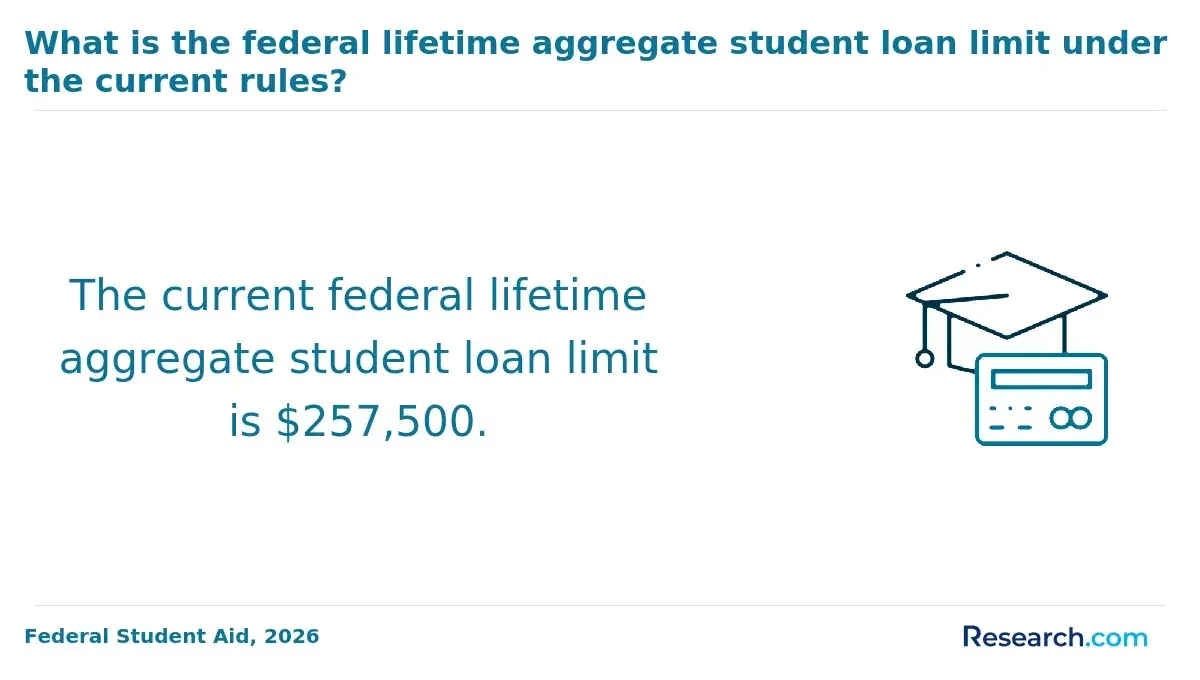
Compare the full cost of attendance, not just tuition. Include mandatory fees, books, research-platform charges, technology, travel, and any internship-related expenses. A lower-priced noncredit certificate may be worthwhile for targeted skills, but it may not transfer as college credit or qualify for the same financial aid as an eligible credit-bearing program. For a broader framework, see online paralegal degree affordability.
Before paying a deposit, obtain the program's current written cost estimate and ask its financial aid office whether the specific program qualifies for federal aid. Compare that expense with a narrower course or an entry-level legal-office role if either would address your immediate skills gap. Do not assume a certificate is aid-eligible because its institution participates in federal aid programs.
What Careers Can Tax Preparers Pursue After Paralegal Training?
Potential roles include tax controversy legal assistant, paralegal on a tax or estate-planning team, business-law paralegal, and legal operations support in an organization handling tax-related matters. Duties may include organizing financial records, tracking deadlines, preparing drafts for attorney review, and coordinating document requests. The employer - not the certificate title - determines whether a position is genuinely tax-focused.
Tax preparers bring familiarity with returns, supporting records, and client information. To compete for legal-support roles, they still need legal research, writing, procedural, and confidentiality skills. Compliance work is a related but distinct option: it may favor regulatory knowledge and operational experience over paralegal training. If your interests extend beyond tax into workplace rules, legal studies degree options for studying human resources law illustrate a different educational direction, not a required step toward tax paralegal work.
How Much Do Tax Law Paralegals Earn and What Is the Job Outlook?
The Bureau of Labor Statistics reports median annual pay of $62,890 in May 2025 for paralegals and legal assistants. That is a nationwide figure for the broader occupation, not a tax-law-specific salary or a prediction of what a career changer will earn. Location, employer, experience, and duties can change an individual offer.
BLS projects 0% employment growth for paralegals and legal assistants in 2025-2035, while projecting about 40,800 openings per year despite little or no net growth. For a tax preparer, this makes evidence of practical legal skills and access to relevant employers more important than assuming a specialty credential will create demand on its own.
Do Tax Preparers Need Certification or Licensing for Tax Law Support?
A paralegal certificate is an educational award; professional certification is a separate credential granted by an organization or an applicable state system. Employers may value credentials such as NALA's Certified Paralegal designation or credentials offered through the National Federation of Paralegal Associations, but certification is not a universal requirement for paralegal employment. Eligibility and state-specific rules should be checked with the credentialing body or relevant state authority.
Tax preparation credentials also have different purposes. A paid federal tax return preparer generally needs an IRS Preparer Tax Identification Number for covered return-preparation work, but that number does not authorize the holder to practice law. Representation rights before the IRS depend on the person's qualifications and applicable IRS rules; paralegal training does not expand those rights. Likewise, a paralegal cannot give legal advice independently merely because they have tax experience.
Before choosing another credential, compare job postings for your target role, confirm any state rules affecting paralegal titles or tasks, and identify which qualification the employer actually requests. If your goal is legal support under an attorney, prioritize a program that teaches the work. If your goal is independent tax representation, investigate the relevant tax-professional pathway instead.
Other Things You Should Know About Law & Paralegal
Potentially, but check your employer's conflict-of-interest and outside-work policies. Keep client files, access permissions, and professional responsibilities separate, and continue to meet the rules that apply to your return-preparation work.
No. It can demonstrate tax preparation and client-service skills, but it generally does not show that you have performed legal research or supported attorney-supervised matters.
Not necessarily. Tax disputes, planning, document requests, and related legal matters can continue throughout the year. The workload and schedule depend on the practice and the position.
Ask how the employer controls access to records, trains staff on confidentiality, and handles secure document exchange. Do not assume practices from a tax preparation office are identical to a law office's procedures.
References
- Frequently asked questions | Internal Revenue Service https://www.irs.gov/tax-professionals/frequently-asked-questions
- How To Get Certified | North Carolina State Bar https://www.ncbar.gov/paralegal-certification/how-to-get-certified/
- Paralegals - Tax Division https://www.justice.gov/archives/tax/paralegals
- How to Become an IRS Enrolled Agent Online | Bryan University Online© https://bryanuniversity.edu/faq/how-to-become-an-irs-enrolled-agent-online/
- What Does a Paralegal Do? What Are the Paralegal Job Duties? | Online Paralegal Studies Certificate Program https://paralegalonline.bu.edu/articles/duties-of-a-paralegal/
- How Long Does It Take to Become a Paralegal? | Pepperdine Caruso School of Law https://law.pepperdine.edu/blog/posts/how-long-to-become-paralegal.htm
- Unauthorized Practice of Law and CPAs | ufl.edu https://scholarship.law.ufl.edu/cgi/viewcontent.cgi
- Comparing a Paralegal Associate Degree Vs. Certificate | generations.edu https://www.generations.edu/comparing-a-paralegal-associate-degree-vs-a-certificate/
- Understanding The Different Paralegal Credentials | Washington Technical Institute https://www.washingtontech.edu/understanding-the-different-paralegal-credentials/
- Federal Tax Procedure • Law Courses Catalog | Lewis & Clark Law School, Portland, Oregon https://law.lclark.edu/courses/catalog/law_358.php