2027 Legal Studies Master's Programs for Franchise Operations Managers

Co-Founder and Chief Data Scientist
Franchise operations managers regularly turn contracts, brand standards, employment rules, and disclosure obligations into procedures that locations can follow. A legal studies master's may strengthen that work, but its tuition and time commitment are substantial - and it does not qualify graduates to practice law. This guide is for franchise professionals weighing a Master of Legal Studies or similar degree against shorter training. It explains what to study, what the credential can and cannot do, and how to assess whether a particular program is worth the investment.
Key Things You Should Know
- A non-JD legal studies master's can help managers identify legal risks and work more effectively with counsel; it is not required for franchise operations work or attorney licensure.
- Prioritize franchise-relevant courses in contracts, employment, compliance, and regulation over a degree title alone.
- The Bureau of Labor Statistics reports $80,730 in May 2025 as the median pay for compliance officers - a useful comparison role, not a predicted salary for franchise managers or graduates.
What are legal studies master's programs for franchise operations managers?
A Master of Legal Studies (MLS), Master of Studies in Law (MSL), or similarly named non-JD degree teaches legal concepts to professionals who do not plan to become attorneys. For a franchise operations manager, its value lies in recognizing when a field procedure, supplier arrangement, marketing practice, or franchisee communication raises a question for the legal or compliance team.
These degrees are usually broad rather than dedicated franchise-operations credentials. A program may offer relevant electives without offering a formal franchise concentration. Check the required courses and actual elective schedule: a concentration listed on a website, several optional courses, and a certificate earned within a degree are different offerings.
Graduate legal study can improve issue-spotting and communication with counsel. It does not authorize a manager to give independent legal advice, represent a business in court, or replace attorney review of franchise agreements and disclosures.
Do franchise operations managers need a master's degree in legal studies?
No general legal studies master's requirement applies to franchise operations managers. Hiring expectations depend on the employer and the scope of the role. Someone responsible mainly for site performance and training may get more immediate value from operational experience and targeted instruction; someone moving into enterprise-wide compliance or legal operations may benefit more from graduate study.
The routes below solve different problems. Compare them against the responsibilities you want, rather than assuming the longest credential has the best return.
| Route | Potential advantage | Main limitation |
| Legal studies master's | Broad, structured legal and regulatory education | Greater tuition and time commitment; no law license |
| Graduate certificate or individual courses | Focused study of a specific knowledge gap | Less breadth; credit may not apply to a later degree |
| Employer training and experience | Direct application to company systems and procedures | May not cover the legal principles behind those procedures |
| Business or operations master's | Deeper preparation in finance, leadership, or analytics | May offer limited legal coursework |
Start with the work you want to do next. If that work calls for identifying legal issues across many locations and coordinating responses with counsel, an MLS or MSL may be reasonable. If you need to solve one immediate contract, HR, or regulatory knowledge gap, ask whether a shorter course or employer-sponsored training would suffice.
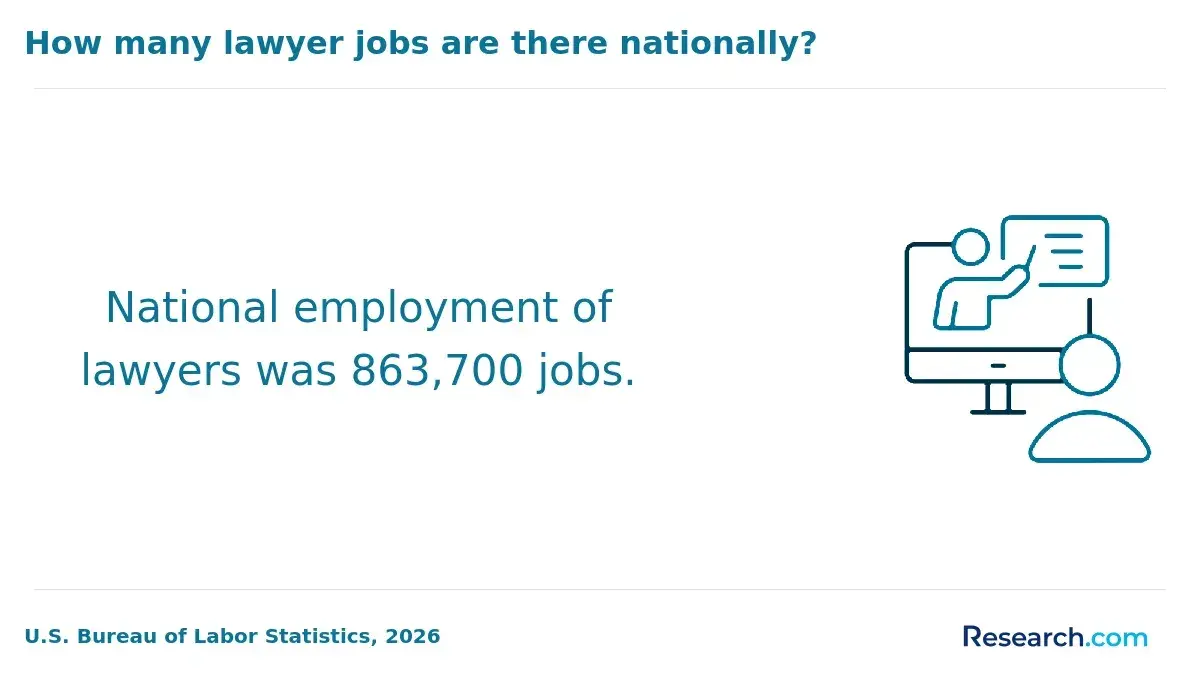
What careers can a legal studies master's prepare franchise operations managers for?
The closest progression is often within franchise systems: regional or multi-unit operations leadership, franchise relations, policy administration, or a role coordinating operational compliance.
Responsibilities might include documenting location audits, tracking corrective actions, escalating contract questions, and helping legal and operations teams implement approved policies. The degree can support those tasks, but experience and employer requirements still determine hiring and advancement.
A move into a dedicated compliance position is possible when the manager also has relevant regulatory and process experience.
A move into paralegal work is different: employers may expect legal research, document-management, and legal-support training that an operations-focused MLS does not provide. If that is the actual goal, compare the degree with best online associate degrees in paralegal studies and the requirements in local job postings.
None of these paths is an attorney role. Becoming a lawyer generally requires a qualifying legal education and satisfaction of the applicable jurisdiction's bar-admission rules; a non-JD master's is not a substitute.
What do legal studies master's programs teach franchise operations managers?
Useful coursework connects legal principles to recurring franchise decisions. Contract courses can help a manager read obligations and spot issues to escalate. Employment and labor courses can inform training and workplace procedures across locations.
Compliance, consumer protection, privacy, intellectual property, and dispute-resolution courses may also be relevant, depending on the brand and the manager's duties.
Look closely at how those subjects are taught. A course that uses operational scenarios, policy analysis, or supervised projects may be more useful for this role than one focused entirely on legal theory.
For managers whose next step involves workforce policy, online HR law-focused legal studies programs offer a relevant comparison - but verify whether HR law is a formal concentration, an elective group, or simply part of the general curriculum.
Franchise-specific instruction is particularly worth checking rather than assuming. Ask whether students examine franchise agreements, the Federal Trade Commission's franchise disclosure framework, state-law differences, and the boundary between an operations manager's responsibilities and legal counsel's advice.
Are online legal studies master's programs suitable for franchise professionals?
They can be, particularly for managers who travel between locations or cannot relocate. "Online," however, does not necessarily mean self-paced. Live classes, fixed assignment deadlines, group projects, scheduled exams, or campus visits can still conflict with store-opening and audit schedules.
Before enrolling, obtain the current course schedule and ask whether required classes rotate predictably, whether live sessions are recorded, and whether any residency or project work requires travel.
Also check whether the school permits a workplace-based capstone and how it handles confidential franchise documents. A flexible delivery format matters only if the required courses are available when you can take them.
If the immediate goal is legal-support training rather than graduate-level study, accelerated paralegal programs online may present a shorter route. They serve a different career objective and should not be treated as interchangeable with an MLS or MSL.
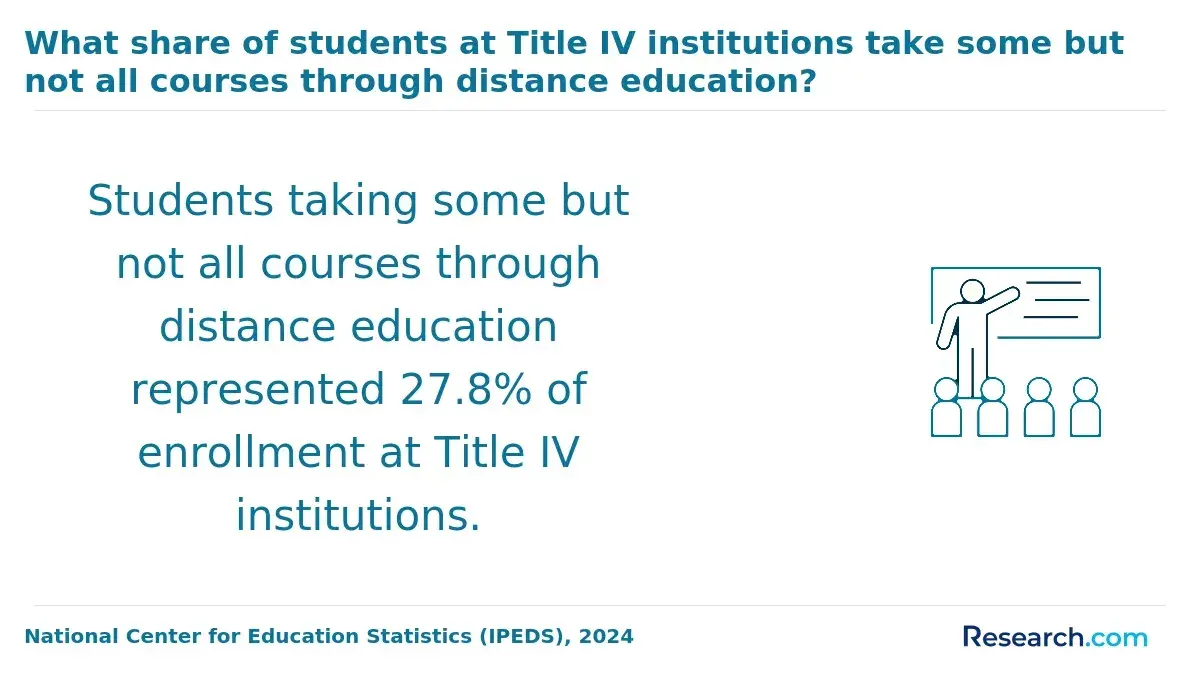
What are the admission requirements for legal studies master's programs?
Requirements vary by institution, but applicants generally need a bachelor's degree. A school may also request transcripts, a résumé, a statement of purpose, recommendations, or evidence of professional experience. Some programs welcome applicants without prior legal coursework; confirm this in the current admissions requirements rather than assuming a legal background is either required or prohibited.
Franchise operations experience can make an application more focused. Explain a specific problem you want to handle better - such as coordinating policy changes across locations - and show how the program's courses address it.
If you have prior graduate coursework, request a written evaluation before relying on it to shorten the degree. The receiving school decides whether credit transfers and how it applies; guidance on checking transfer eligibility for business law degree programs can help frame the questions to ask.
How long do legal studies master's programs take and cost?
Completion time depends on required credits, course sequencing, and whether you study part time while working. A published minimum completion time may assume a course load that is unrealistic for a manager covering multiple locations. Request a sample part-time schedule that includes every required course, not just an estimate of how quickly the fastest student can finish.
For a meaningful 2026-27 cost comparison, use each school's current tuition and required-fee schedule. Include books, technology requirements, any campus travel, and the income or personal time you would give up.
Compare total expected costs on the same basis; a per-credit quote is not a total-program price. Ask the financial aid office what aid is available for that specific program and enrollment level rather than assuming eligibility.
If graduate tuition exceeds what your target role appears to justify, compare a smaller credential or employer training before borrowing. Readers considering a different, legal-support career can also review finding affordable accredited paralegal degree programs, while recognizing that a paralegal degree and a graduate legal studies degree prepare students for different work.
Do legal studies master's graduates need a law license or certification?
A franchise operations manager does not obtain a law license by completing an MLS, MSL, or similar non-JD degree. The degree also does not create a general requirement to earn a separate legal certification. Employers may, however, prefer particular compliance experience or credentials for specialized positions, and applicable rules vary by role and jurisdiction.
Keep three distinctions clear when evaluating a school's claims: institutional accreditation concerns the institution; American Bar Association approval, where applicable, concerns a qualifying paralegal education program; and professional certification is awarded under a credentialing organization's or state system's rules.
Neither ABA approval nor a paralegal certificate makes someone an attorney, and the ABA does not certify individual paralegals.
For franchise managers, the practical boundary is job-related: use legal training to recognize and document issues, then refer legal interpretations and advice to authorized counsel.
How much can franchise operations managers earn after legal studies graduate school?
There is no reliable single salary figure for franchise operations managers after earning a legal studies master's. Pay depends on the employer, location, scope of responsibility, and prior experience; the degree alone does not establish a raise.
For context, the Bureau of Labor Statistics reports a median annual wage of $80,730 in May 2025 for compliance officers, with 4% projected job growth for 2025-2035.
That occupational category is broader than franchise compliance, and its figures do not measure the financial return on an MLS or MSL. Use job postings for your target role and your employer's promotion criteria to test whether the degree is valued before comparing its cost with potential earnings.
How should franchise operations managers choose an accredited legal studies program?
First, verify the institution's current accreditation through its recognized accreditor or the U.S. Department of Education's institutional records. Then evaluate the program itself: accreditation does not establish that its electives, schedule, or cost are right for franchise operations. ABA approval of a paralegal program is a separate matter and is not a general quality designation for an MLS or MSL.
Use the same checks for every program on your shortlist. They make it easier to reject an attractive-sounding degree that will not address your actual work.
- Identify the next role you want and compare its posted requirements with your present skills.
- Confirm which required courses and regularly offered electives address contracts, employment, franchise regulation, and compliance.
- Request a realistic working-professional schedule, including live attendance and any campus or capstone requirements.
- Obtain the current total-cost components, ask about employer assistance and program-specific aid, and compare them with shorter alternatives.
- Ask a prospective supervisor whether the credential would affect eligibility for the responsibilities or advancement you seek.
A red flag is a program that suggests its non-JD degree qualifies graduates to practice law or promises a promotion. A stronger choice is one whose verified curriculum, workable schedule, and full cost match a specific career goal.
Other Things You Should Know About Law & Paralegal
Only with appropriate permission. Ask the school about confidentiality rules and whether you can use redacted, public, or hypothetical materials instead.
Yes. A franchisor-side manager may focus on system standards and franchisee relationships; a franchisee-side manager may be more concerned with operating its own locations. Favor coursework and projects that reflect your responsibilities.
No. State requirements can differ, and rules change. Coursework should help you recognize when a location-specific question needs current legal review.
Review several postings for your intended role and discuss their requirements with a supervisor or hiring manager. Look for responsibilities the coursework would help you perform, not just whether "master's preferred" appears in a listing.
References
- Cost of Attendance (Budget) | 2025-2026 Federal Student Aid Handbook https://fsapartners.ed.gov/knowledge-center/fsa-handbook/2025-2026/vol3/ch2-cost-attendance-budget
- Requirements | The State Bar of California - CA.gov https://www.calbar.ca.gov/admissions/requirements
- Accreditation in the U.S. | ed.gov http://www.ed.gov/laws-and-policy/higher-education-laws-and-policy/college-accreditation/accreditation-in-the-us
- eCFR:: 16 CFR Part 436 -- Disclosure Requirements and Prohibitions Concerning Franchising https://www.ecfr.gov/current/title-16/chapter-I/subchapter-D/part-436
- Concentration in Franchising | PBA https://www.pba.edu/academics/majors-degrees/concentration-in-franchising/
- Online Graduate Certificate in Franchise Management | louisville.edu https://business.louisville.edu/academics-programs/certificates/online-graduate-certificate-franchise-management
- MLS vs J.D.: Which Legal Degree Fits Your Career Goals? | UC Law San Francisco MLS https://mls.uclawsf.edu/articles/mls-vs-jd/
- What Can You Do with a Master's in Legal Studies Degree? | Vanderbilt Master of Legal Studies https://law.vanderbilt.edu/master-legal-studies/articles/what-jobs-can-you-earn-with-masters-in-legal-studies/
- Master of Legal Studies (MLS) vs. JD: Which Is Right for You? | Wake Forest MLS https://mls.law.wfu.edu/articles/mls-vs-jd-which-is-right-for-you/
- Certificate in Franchise Management | Georgetown University School of Continuing Studies https://scs.georgetown.edu/programs/382/certificate-in-franchise-management/