Online MBA in Marketing: Admissions Guide for Public Sector Professionals

Co-Founder and Chief Data Scientist
Public sector professionals can bring substantial leadership and communication experience to an MBA application, but translating that experience into a strong marketing-focused case takes planning. This guide explains what online programs commonly ask for, how to assess your academic readiness, and which program features matter when your work involves public accountability rather than commercial sales. It also covers cost, career fit, and alternatives, so you can decide whether to apply - and where - before committing time and money.
Key Things You Should Know
- Admissions policies vary by school: a marketing concentration does not universally require a marketing degree, GMAT score, or private-sector experience.
- Show how your public-sector work connects to the curriculum - such as audience research, service uptake, budgeting, or organizational change - and verify that the concentration is available online.
- Do not use private-sector salary expectations as your return-on-investment estimate: the $126,520 median wage for management occupations in May 2025 covers workers across occupations, not marketing MBA graduates.
What is an online MBA in marketing for public sector professionals?
An online MBA in marketing is a broad graduate management degree with additional marketing coursework, typically delivered partly or entirely through online classes. Its management core may cover finance, operations, leadership, and strategy; a formal marketing concentration adds a defined set of requirements beyond that core. A program offering one marketing elective is not necessarily a marketing-concentration MBA.
For someone in government or a public institution, marketing skills may support public-service campaigns, resident research, digital communications, or efforts to improve awareness and use of services. These goals differ from maximizing sales: accessibility, procurement rules, privacy, political neutrality, and responsible use of public funds can shape the work. An MBA develops managerial judgment, not authority to bypass those constraints.
Is an online marketing MBA worth it for public sector careers?
It may be worthwhile if you want broader management responsibility alongside communications or outreach work, can apply the coursework in your current role, and have a credible route to an eligible position. Before applying, check whether your agency's classification or promotion rules recognize an MBA; a degree alone may not change your grade, pay band, or hiring eligibility.
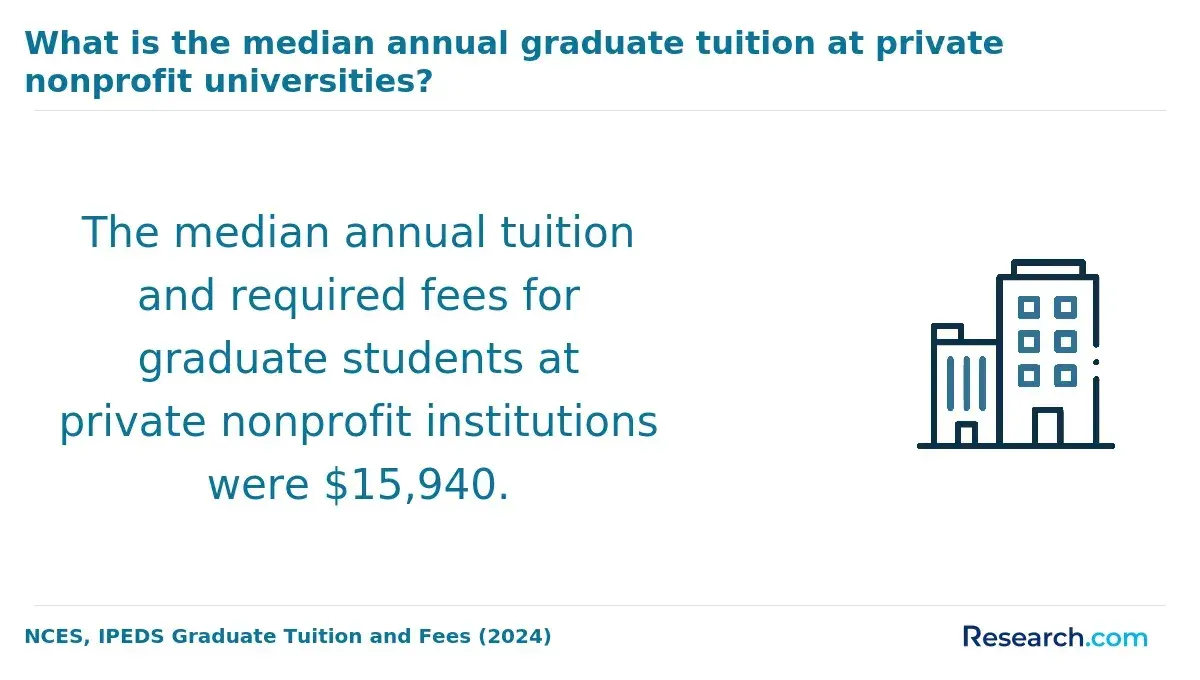
Value is less certain if your goal is narrowly technical, such as learning one advertising platform, or if the roles you want primarily require public-policy experience rather than a business degree. A targeted course, employer training, or a public administration program may be a more direct investment. Compare tuition, fees, financing costs, time spent studying, and any employer assistance against realistic opportunities - not an assumed MBA salary premium. If you have prior graduate business coursework, check transfer-credit policies for MBA programs; acceptance, credit limits, and applicability to concentration courses vary.
What careers can an online marketing MBA prepare public sector professionals for?
The strongest near-term pathways usually build on work you already do. A public information specialist might pursue communications management; a program analyst who studies service uptake might move toward outreach strategy; and a public-service manager might use marketing coursework to improve how residents learn about a service. These roles require sound judgment about budgets, accessibility, public trust, and measurable outcomes.
A move into private-sector marketing is possible but is a different transition. Employers may expect experience with commercial customers, revenue goals, campaign tools, or agency work. Applied projects and career services can help you demonstrate those skills, but an MBA concentration does not replace functional experience. For senior public affairs or agency leadership roles, examine the stated hiring criteria and required years of experience before treating the degree as a pathway.
Online study can let you remain employed and apply lessons at work. Campus-based study may make in-person recruiting and informal networking easier, particularly for a substantial career switch. Neither format is inherently more flexible or more rigorous: delivery depends on the school.
Ask whether online courses have required live meetings, group projects, exams at set times, or campus visits. Also ask whether online students can use the same career services and recruiting events as campus students. If unpredictable public-service schedules make collaborative work difficult, examine online study options for online MBA programs with limited group work, then confirm the requirements of each course you might take.
MBA core courses commonly address managerial accounting, finance, operations, organizational behavior, and strategy. Marketing study may cover market research, consumer behavior, digital marketing, analytics, and marketing strategy, but course names and concentration depth vary by school. Read the degree plan rather than assuming a concentration label guarantees particular skills.
For public-sector use, look for opportunities to apply research to diverse audiences, evaluate communications without relying solely on sales metrics, and consider privacy and ethical limits. A project on improving service awareness could be more relevant than a commercial product launch. Ask whether the school permits such a project and how it handles confidential employer information.
Expect to document a completed bachelor's degree and your academic record, then check each school's rules for work experience, a resume, essays, recommendations, interviews, and GMAT or GRE scores. None of these policies is universal. Schools also differ in whether applicants need foundation coursework; a nonbusiness degree does not automatically disqualify you. The marketing concentration may have no separate application, but verify that with admissions.
The distinction below helps you avoid treating useful preparation as an official requirement. Only the university can confirm what it requires.
| Admissions area | What to verify with the school | How public-sector experience can strengthen the application |
| Academic preparation | Degree, transcript, grade, and any foundation-course policies | Relevant quantitative, policy, budgeting, or research coursework |
| Professional experience | Whether experience is required and how it is assessed | Scope of programs, stakeholders, budgets, and decisions |
| Testing | GMAT/GRE requirement, optional policy, or waiver eligibility | Evidence of analytical readiness when tests are optional |
| Application materials | Essay, resume, recommendation, interview, and deadline rules | Specific results achieved within public-service constraints |
Prepare an application that connects your experience to a defined next step, rather than describing public service as if it were commercial marketing. A practical sequence is:
- Identify target roles and check their posted education and experience requirements.
- Confirm that each school offers the marketing concentration online and obtain its current admissions checklist.
- Choose examples showing judgment, measurable outcomes, and accountability without disclosing protected information.
- Ask recommenders who can assess your leadership or analytical work; confirm whether the school permits a reference outside your direct supervisor.
- Check deadlines and request transcripts early, allowing time for any school-specific prerequisites or test policy.
If your academic record or testing options limit your shortlist, compare online MBA programs with accessible admissions while still checking curriculum, accreditation, and fit. A less restrictive admissions policy does not establish that a program is the right investment.
Completion time depends on required credits, course sequencing, transfer-credit decisions, and whether you study part time or at an accelerated pace. Request a term-by-term plan that includes marketing courses; an advertised fastest completion time may assume a course load you cannot manage alongside public-sector work.
Compare the school's published tuition basis - per credit, course, term, or program - with mandatory fees, books and software, possible travel, and borrowing costs. Confirm whether the concentration changes the total credits required. Published low-price lists, including MBA program prices and tuition options under $10,000, are a starting point, not a substitute for a current, individualized total-cost quote.
Before borrowing, ask your employer whether education assistance requires advance approval, a minimum grade, continued service, or a connection to your present duties. Those conditions can matter more to affordability than the advertised tuition alone.
First, verify the university's institutional accreditation through the accreditor and the school. Then check whether the business school holds separate programmatic accreditation, such as AACSB, and whether the online MBA is included. Institutional and business-school accreditation answer different questions; neither establishes that a particular marketing concentration is offered online.
Use accreditation as a screening criterion, not a substitute for fit. Compare the actual concentration requirements, schedule, total cost, public-sector-relevant projects, and support available to online students. A list of affordable AACSB-accredited online MBA programs can help build a shortlist, but confirm each school's current accreditation status and curriculum directly before applying.
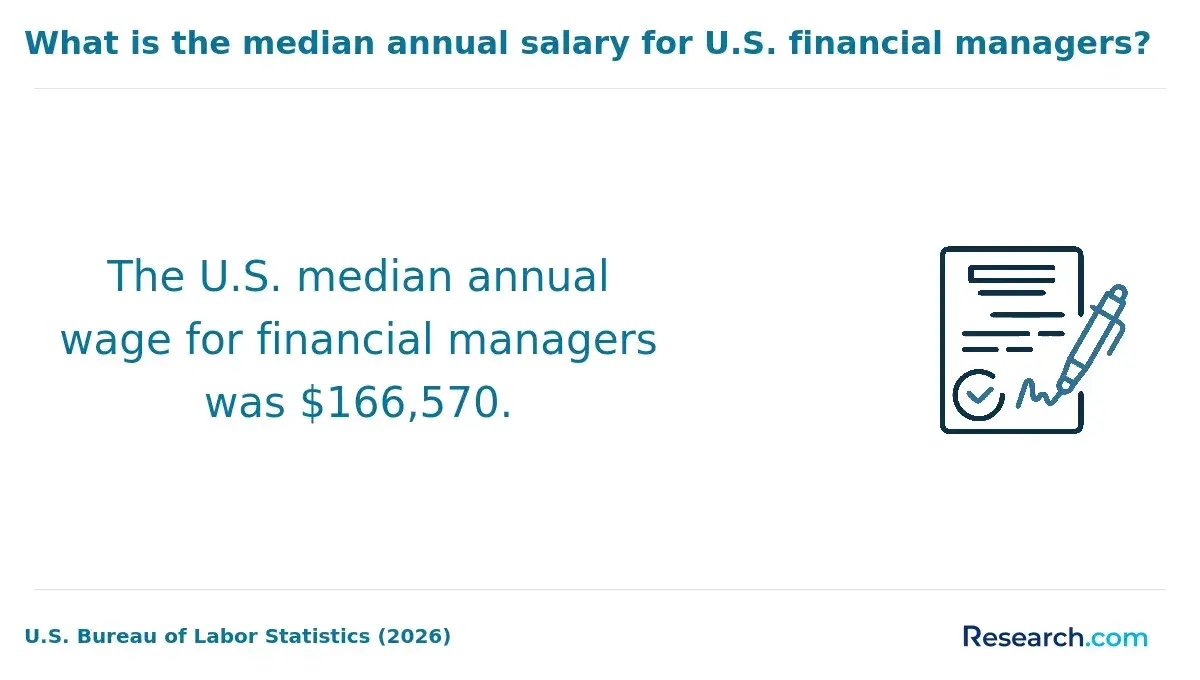
There is no single reliable salary for online marketing MBA graduates, especially across government pay systems and private employers. The U.S. Bureau of Labor Statistics reports a $126,520 median annual wage for management occupations in May 2025. That figure covers workers in a broad occupational group, not MBA graduates or public-sector marketing managers, so it is not an appropriate personal earnings forecast.
BLS projects management occupations overall to grow faster than the average for all occupations from 2025 to 2035. That broad outlook does not predict openings in your agency or advancement after graduation. For a useful comparison, examine pay bands and recent vacancies for your target role, location, and employer type; then check whether the job requires an MBA, accepts it as one qualification, or places greater weight on experience.
Are marketing certifications required after an online MBA?
Marketing certifications are not generally required simply because you earned an MBA or work in public-sector communications. A platform-specific credential may be useful if a target job calls for that tool, while employer training may be more relevant for procurement, accessibility, records, or privacy responsibilities. Check the vacancy notice and your agency's policies before paying for another credential.
Choose a certification to close a demonstrated skills gap, not as a presumed next step after graduation. If the gap is practical campaign experience, a supervised work project may provide stronger evidence of capability than another certificate.
Other Things You Should Know About MBA
Describe your responsibilities and results at a level your employer permits. Remove protected data and seek approval before sharing nonpublic documents or details with a school.
Possibly. Confirm the school's project rules and obtain any employer approvals before using agency time, data, branding, or contacts.
Employment alone is not enough. Eligibility depends on the loan type, employer, repayment arrangements, and qualifying payments under current federal rules; check your own loans and employment before relying on forgiveness.
No. Public-service communications and partisan campaign work have different purposes and may be subject to different restrictions. Review the rules that apply to your position before taking on political work.
- VA Benefits Frequently Asked Questions | Financial Aid https://www.rccc.edu/financialaid/va-benefits-frequently-asked-questions/
- MBA Admissions Requirements | Online MBA & Executive MBA https://mba.wsu.edu/admissions-details/
- Online Master's in Business Administration (MBA) | American Public University https://www.apu.apus.edu/online-masters-programs/master-of-business-administration/
- Online MBA in Marketing - Texas State University https://online.txst.edu/degrees/business/mba/marketing/
- Online MBA Program FAQ's | Arcadia University https://www.arcadia.edu/majors-and-programs/mba/faq/
- Are Online MBAs Taken Seriously? What Employers Really Think | sbs.edu https://www.sbs.edu/blog/are-online-mbas-taken-seriously-what-employers-think/
- 30 questions to ask your college admissions rep | cmich.edu https://www.cmich.edu/blog/all-things-higher-ed/25-questions-to-ask-your-college-admissions-rep
- MBA with Public Administration Certificate | CCO https://online.champlain.edu/degrees-certificates/mba-public-administration-specialization
- Admission to the MBA Program - Ole Miss Online https://online.olemiss.edu/mba/admissions.html
- Summary of VA Education Benefits | mass.edu https://www.mass.edu/foradmin/veterans/VABenefitsSummary.asp