Is an Online MBA in Real Estate Worth It for Nonbusiness Bachelor's Graduates?

Co-Founder and Chief Data Scientist
A nonbusiness bachelor's degree can be an asset in real estate, but it may not have taught you how to evaluate an investment, read a balance sheet, or manage a property business. An online MBA with real estate coursework could fill those gaps while you keep working - or cost more than your career goal requires. This guide helps you weigh the degree against targeted training and experience, with particular attention to admission, career transitions, program costs, and the evidence you need before enrolling.
Key Things You Should Know
- Worth it when the skills match the role: An online real estate MBA is most compelling if you need both broad management training and property-specific financial skills for a realistic next career step.
- A nonbusiness degree is not an automatic barrier: Check each school's admissions rules and whether accounting, finance, or quantitative foundation work adds time or cost.
- Do not treat occupational pay as an MBA payoff: The U.S. Bureau of Labor Statistics (BLS) reports a $126,520 median annual wage for management occupations in May 2025, not for real estate MBA graduates.
Is an online MBA in real estate worth it for nonbusiness graduates?
It can be, but only if the MBA solves a specific career problem. For a construction professional moving toward development management, an architect taking on investment decisions, or a property operations employee seeking broader leadership responsibility, the combination of management and real estate finance may be valuable. A history or biology graduate with no industry experience who wants an entry-level brokerage job may find the degree an expensive first step.
Your undergraduate major matters less than the skills and experience you bring to the target role. Compare the MBA with narrower routes before committing; these options address different gaps.
| Goal | Potentially better fit | Main limitation |
| Lead a real estate business or move into cross-functional management | MBA with substantial real estate coursework | Costly if your target job does not require broad management skills |
| Build deep property valuation or development expertise | Specialized real estate master's degree | May offer less general management training |
| Enter brokerage, leasing, or an adjacent junior role | Relevant state license, targeted courses, and work experience | May not provide the broader skills needed for later leadership roles |
For a financial decision, compare the additional earnings you could reasonably pursue with the full cost of the degree: tuition, fees, financing, required travel, and time diverted from paid work. Subtract employer assistance, then ask what promotion or job change would make that investment worthwhile. Do not attribute an entire future salary to the MBA; prior experience and the local property market also shape outcomes. Nonfinancial returns - confidence with investment decisions or access to a useful alumni network - may matter, but should be evaluated just as carefully.
The degree's value is uncertain if you need your first real estate job more than you need management training. In that case, test the field through projects, informational interviews, or an entry-level role before paying for graduate school.
What does an online MBA in real estate teach nonbusiness bachelor's graduates?
An MBA pairs a broad business core with a concentration, track, or set of real estate electives. The core typically develops managerial accounting, finance, strategy, operations, and leadership skills. Real estate study applies business decisions to property markets - for example, assessing cash flows, financing a project, or weighing development risk.
That combination can complement rather than replace your undergraduate expertise. An engineering graduate may already understand construction constraints but need practice evaluating capital and returns. A communications graduate may bring stakeholder skills while needing more preparation in spreadsheets and financial statements. Neither should assume that every program starts at the same quantitative level.
Look for applied assignments using property data or investment cases if you need to show employers what you can do. MBA-level analysis is not the same as supervised experience in appraisal, construction, or brokerage.
Can nonbusiness majors get admitted to an online real estate MBA?
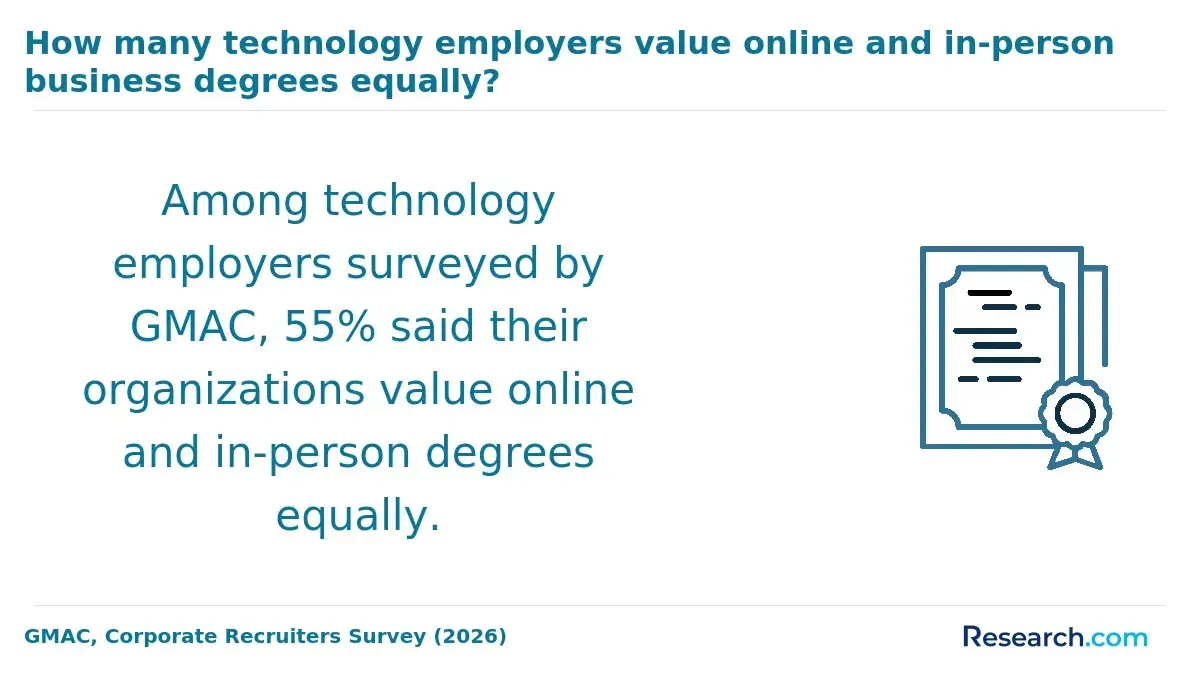
Yes, many MBA programs consider applicants from a range of undergraduate majors, but each school sets its own requirements. A bachelor's degree and application materials are common; policies on work experience, entrance tests, minimum grades, and prerequisites vary. Some schools incorporate introductory business work into the curriculum, while others require foundation courses before advanced classes.
Before applying, ask admissions staff to identify requirements for your transcript, not for a hypothetical business major. Specifically, confirm whether accounting, economics, statistics, or finance preparation is required; whether foundation courses carry extra tuition or extend the program; and whether your work experience meets any stated threshold. If quantitative work is rusty, a short accounting or spreadsheet course can help you assess readiness even when it is not an admissions requirement.
When comparing schools, resources on MBA admission pathways for working adults online MBA programs can help you identify questions to ask. Confirm the current policy directly with each program.
An online format can let you retain a job and apply coursework immediately. That advantage matters if your current position supplies real estate projects, colleagues, or employer funding. But online does not necessarily mean self-paced: live classes, group projects, examinations, and campus visits can constrain your schedule.
A campus program may be a stronger choice if you need intensive recruiting, internships, or frequent contact with a local development and investment network - particularly for a substantial career switch. Online and campus students may have different access to those opportunities even at the same school. Ask who can use career services, attend employer events, and participate in experiential projects before assuming comparable support.
Compare the actual schedules of flexible online MBA programs, then check live-session times and residency requirements for any real estate option you are considering. Delivery format alone cannot establish which program will cost less or fit better.
There is no universal real estate MBA curriculum. A program may advertise a formal concentration with required courses, offer a smaller elective cluster, or provide only one relevant class. Read the degree requirements rather than relying on the concentration's name.
Alongside the MBA core, relevant courses may cover real estate investment analysis, development, market analysis, property finance, valuation, or real estate law. An investment course might require you to model operating income and financing assumptions; a development course might examine site, entitlement, and project risks. Course titles alone do not show how much practice you will get.
For a nonbusiness graduate, sequencing matters. Check whether managerial accounting and finance come before advanced property analysis, whether electives are offered often enough to finish on schedule, and whether a capstone lets you produce work relevant to your target role.
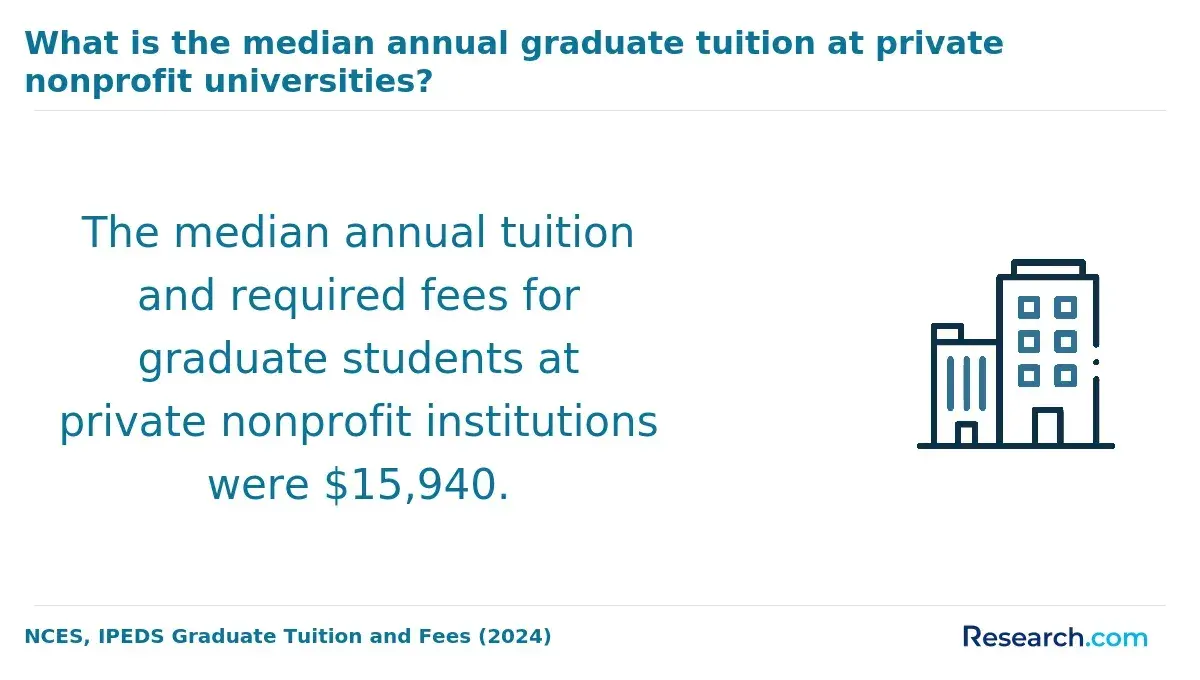
Both vary by school, enrollment pace, and the amount of foundation work you need. A published completion time may assume a course load that is impractical alongside your job. Ask for a course-by-course schedule showing when required real estate electives run and how a pause or slower term affects graduation.
For cost, request the required credits and the current tuition rate, then account for mandatory fees, materials, potential foundation courses, travel, and borrowing costs. A tuition figure by itself is not a complete cost estimate. Employer reimbursement may lower your out-of-pocket expense, but check grade requirements, annual limits, and any obligation to remain employed.
An online MBA cost guide degree programs can illustrate questions to ask about price components, although information-systems program prices are not substitutes for real estate MBA quotes. Compare written estimates from your shortlisted schools on the same basis.
First, verify that the university holds recognized institutional accreditation; check its current status through the U.S. Department of Education's accreditation database or the accreditor. Then determine whether the business school or MBA also holds specialized accreditation, such as AACSB, ACBSP, or IACBE. Institutional and specialized business accreditation are different credentials; do not assume one establishes the other.
Accreditation does not tell you whether the real estate curriculum or career support fits your goal. Confirm that the school actually offers the advertised concentration online and that its courses are available on your schedule. A veteran using an online MBA programs program list and veterans resource should make those checks independently, along with any applicable education-benefit eligibility.
The most plausible next role depends on your starting point. A property operations employee might use the MBA to pursue broader portfolio or regional responsibilities; a construction or planning professional might seek a development-related role; and a finance professional might apply existing analytical experience to real estate investment. These are potential pathways, not positions awarded by the degree.
Employers hiring for acquisitions, asset management, and development often need evidence that you can analyze deals, coordinate stakeholders, and handle industry-specific risks. If you lack real estate experience, seek relevant projects or junior opportunities while studying. If you already manage teams and budgets, examine whether the program offers enough advanced value rather than repeating skills you use daily. Established leaders can also compare EMBA options for working professionals online executive MBA programs, while checking whether those programs provide any real estate depth.
Career services are most useful when they connect to your intended market. Ask where alumni work, whether online students can attend recruiting events, and whether projects involve real estate employers. A national alumni network may be helpful, but property opportunities often depend on relationships in a particular region.
There is no reliable single salary for online real estate MBA graduates across schools, roles, and experience levels. The BLS median annual wage for all management occupations was $126,520 in May 2025. That figure describes a broad U.S. occupational group - not new MBA graduates, real estate specialists, or the pay increase caused by a degree.
For a useful personal estimate, identify the specific jobs you could plausibly obtain, then compare compensation for those roles in your location and at your experience level with your current pay. Also consider commissions or bonuses where relevant without treating variable compensation as guaranteed. Request program-specific outcomes if a school publishes them, and check who responded, which jobs they held, and whether online students are included.
Does an online real estate MBA qualify you for licensure or certification?
Not by itself. Real estate brokerage, appraisal, and some other property activities are regulated under state-specific rules. An MBA may strengthen business judgment, but it does not automatically satisfy required coursework, examinations, supervised experience, or licensing applications.
Professional designations also have their own eligibility and assessment rules. If a particular license or designation is essential to your intended job, check the relevant state regulator or credentialing organization before enrolling and ask the MBA program whether any coursework meets its requirements. Do not pay for a full degree when a more direct qualifying route would meet your immediate objective.
Other Things You Should Know About MBA
Many MBAs use a capstone, business plan, or applied project instead, but requirements vary. Check the degree plan if you want a substantial real estate project for your portfolio.
Possibly. Schools set their own transfer-credit limits and decide whether prior courses match MBA requirements. Request a written evaluation before budgeting for fewer courses.
It can help you meet local practitioners and learn about roles, especially if you are new to the industry. Choose events aligned with your intended property sector rather than assuming membership alone will lead to a job.
Yes, if you connect it to the role. Research, community engagement, design, environmental analysis, and project coordination can all be relevant; pair those strengths with evidence that you can handle the job's financial and property-specific tasks.
- How to Get an MBA Without a Business Degree | Carson-Newman University https://www.cn.edu/cps-blog/earning-mba-without-undergrad-business-degree/
- Is an MBA Worth It? Costs, Benefits & Career ROI | SCU https://www.scu.edu/business/blog/mba/is-an-mba-worth-it/
- MBA Requirements: What You Need to Get Into Business School | Southwest Minnesota State University https://online.smsu.edu/resources/article/mba-requirements/
- Is an Online MBA Worth It? Costs, Salary, ROI | University of the People https://www.uopeople.edu/blog/is-an-online-mba-worth-it/
- Business Administration (M.B.A.) | University of Florida Catalog https://gradcatalog.ufl.edu/graduate/colleges-departments/business/interdisciplinary-departments/business-administration-mba/
- How to Plan for Online MBA Costs | Colorado Technical University https://www.coloradotech.edu/degrees/studies/business/articles/online-mba-cost-planning-guide
- Master of Business Administration (MBA) | Herbert Wertheim College of Business https://wertheim.fsu.edu/mba
- Part-Time MBA concentration in Real Estate | Rutgers Business School-Newark and New Brunswick https://www.business.rutgers.edu/part-time-mba/real-estate
- The Best Online MBA Real Estate Programs | gmac https://www.gmac.com/resources/learners/business-programs/explore-programs/online-mba-real-estate
- Is An MBA In Real Estate Worth It? | Noodle.com https://resources.noodle.com/articles/is-an-mba-in-real-estate-worth-it/