2027 Online MS in Psychology - Forensic Psychology for Case Management Assistants: What to Check Before Changing Careers
Audited and Verified:
Our Editorial and Data Verification Process
Research.com uses government datasets, official education statistics and primary institutional information to support its career and degree guides. Our review process checks factual accuracy, occupational definitions, source dates and the requirements associated with the credentials discussed.
How This Article Was Fact-Checked
Our editorial team verifies salary estimates, employment projections, education requirements and program information against original data providers and official organizations. Salary figures are checked against the relevant occupational definitions and reporting periods. Information about licensure, accreditation and required in-person training is reviewed separately.
Fact-checked and verified on:

Co-Founder and Chief Data Scientist
As a case management assistant, you may already coordinate referrals, document services, and work with people affected by courts or corrections. An online MS in forensic psychology could deepen that work - but it may not be the credential a target job requires. Before committing to graduate tuition, you need to know whether the degree builds skills employers value, fits around your job, and leads toward your intended role.
This guide separates realistic career moves from licensed practice and shows you what to verify before enrolling.
Key Things You Should Know
- An online forensic psychology MS can support nonclinical justice-system or victim-services work, but it does not, by itself, qualify you as a licensed psychologist or therapist.
- Your case documentation, referrals, and client communication are transferable; a promotion or career switch will also depend on the target employer's experience, credential, and background-check requirements.
- Compare the full cost - including fees and any unpaid fieldwork - with the qualifications in actual job postings before choosing a program.
What Is an Online MS in Forensic Psychology for Case Management Assistants?
An online MS in forensic psychology is graduate study of psychological science in legal and justice-related settings. Programs may examine behavior, research, ethics, and systems such as courts, corrections, and victim services. The degree is not a special credential for case management assistants; its value depends on how its courses and applied work fit the job you want next.
Your experience may give you a head start in communicating with clients, coordinating services, and maintaining records. Graduate study should add something demonstrably new - such as evaluating research, understanding justice-system processes, or assessing a service program - not simply repeat support-work skills. If you are still deciding whether graduate study is necessary, an online psychology degree selection guide can help you compare degree levels before committing to an MS.
Can an Online Forensic Psychology Master's Degree Lead to Case Management Careers?
Yes, but the route is usually through experience plus relevant preparation, not the degree title alone. A case management assistant moving into a coordinator role may need stronger independent planning, documentation, and interagency communication. A move into victim services or reentry work may instead require knowledge of local referral systems, trauma-informed interaction, and justice-agency procedures.
The comparison below separates adjacent moves from roles that require a different qualification. It can help you decide whether graduate study addresses the actual hiring barrier.
| Target | What your experience may contribute | What to check before enrolling |
| Case coordinator or reentry support | Referrals, follow-up, records, and agency communication | Whether the employer prioritizes a degree, independent casework experience, or agency-specific training |
| Victim-services support | Client communication and connection to resources | Advocacy experience, safety procedures, and local hiring requirements |
| Licensed therapy or forensic assessment | Familiarity with service settings | The qualifying professional degree, supervised training, and state rules; a nonclinical MS alone is insufficient |
If nearby postings accept a bachelor's degree and relevant experience, compare that route with shorter routes through forensic psychology bachelor's coursework before paying for a master's. If you already hold a bachelor's, targeted training and a substantive work assignment may be more direct than another degree.
Is an Online MS in Forensic Psychology Accredited and License-Eligible?
Check institutional accreditation for the school and professional eligibility for the particular job separately. Accreditation of the institution does not mean its forensic psychology MS meets a state's requirements for psychologist, counselor, or social worker licensure. APA accreditation applies to covered professional psychology doctoral programs and internships, not to general nonclinical forensic psychology master's programs.
Some programs may discuss assessment, interviewing, or treatment in class without training students to perform those regulated services. If your goal is a license, ask the program for a written explanation of which jurisdiction's educational requirements, if any, the degree is designed to meet. Then confirm the answer with the relevant state board. For nonclinical goals, compare accredited online pathways in forensic psychology on curriculum and outcomes, not on an assumed license.
Courses vary by school, but a useful curriculum for case management work may combine psychological research methods, statistics, ethics, behavior in legal contexts, and study of justice or victim-service systems. Look beyond course titles: a class called "forensic assessment" might teach students to critique assessment evidence without qualifying them to administer restricted tests.
For your next role, the strongest academic evidence may be a research brief on service barriers, an approved program-evaluation project, or a capstone that explains referral outcomes using permissible data. Ask who supervises the work and whether a workplace project is allowed. Do not assume access to client records or permission to use agency data in coursework. When comparing shorter graduate psychology degree options, check whether the faster schedule leaves enough time for the methods training and applied work you need.
Requirements are program-specific. Schools may request a bachelor's degree, transcripts, a statement of purpose, recommendations, and evidence of readiness for graduate research and writing. A psychology major is not universally required. Experience as a case management assistant can strengthen an application, but it does not automatically replace a stated prerequisite in psychology, statistics, or research methods.
Compare each program's published requirements with your transcript before applying. If a course is missing, ask admissions whether a standalone course will count, whether it must be completed before enrollment, and who approves equivalency. Inexpensive distance learning psychology options may be worth considering for prerequisite study, but obtain the master's program's approval before spending money on a course.
Time to completion depends on required credits, course availability, enrollment pace, and any capstone or field experience. Online delivery does not remove deadlines or guarantee that every required class runs each term. For someone working in case management, a manageable part-time schedule may be worth more than the earliest advertised completion date.
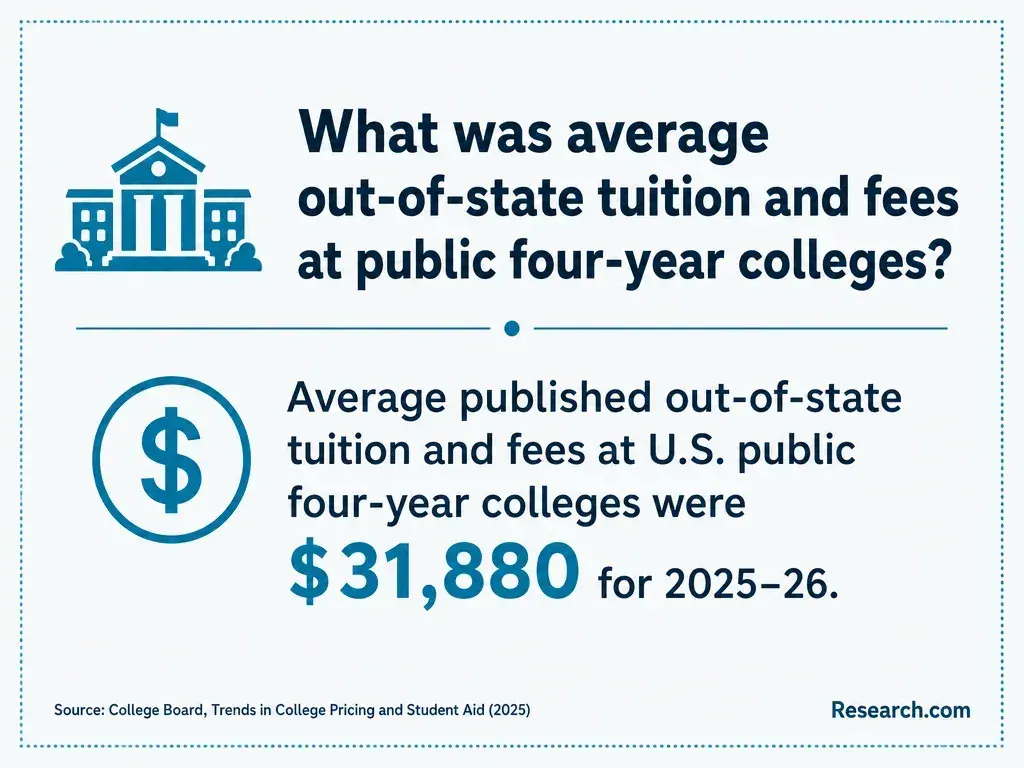
Request a term-by-term plan and an itemized estimate of tuition, mandatory fees, materials, travel, and any placement-related expenses. Ask whether reducing your course load changes aid eligibility and whether your employer offers education assistance with service or repayment conditions. Compare the estimate with cost-conscious options for a psychology master's, then judge the additional cost against the specific jobs for which the forensic curriculum would help you qualify.
Online study may let you keep your case management job and apply classroom ideas to work, while campus study may offer more routine face-to-face contact with faculty and local agencies. Neither format guarantees a placement, research mentor, or employer connection. Compare what you can actually access, not just how courses are delivered.
Ask whether classes are asynchronous, when live sessions occur, whether group meetings can be scheduled outside work hours, and whether any campus visits or local placements are required. If the target role is therapy rather than justice-system support, compare the professional pathway as well as the format: accelerated accredited clinical mental health counseling programs may have supervised-training obligations that cannot be judged by online coursework alone.
Possible nonclinical targets include reentry case coordinator, victim-services advocate, court or corrections program support specialist, and justice-focused research or program assistant. The titles are not standardized: one employer may emphasize direct service, another records and referrals, and another data collection. Your existing work is strongest evidence when you can describe its scope - such as coordinating across agencies or improving a documentation process - without disclosing client information.
Choose several local postings and compare their required credentials with your current qualifications. If they call for independent casework, seek supervised responsibility at work; if they emphasize analysis, seek an approved evaluation task. Treat lists of better-paid roles related to forensic psychology as leads to investigate, not proof that an MS qualifies you for every listed occupation. Forensic evaluation, psychotherapy, and expert testimony involve separate professional qualifications.
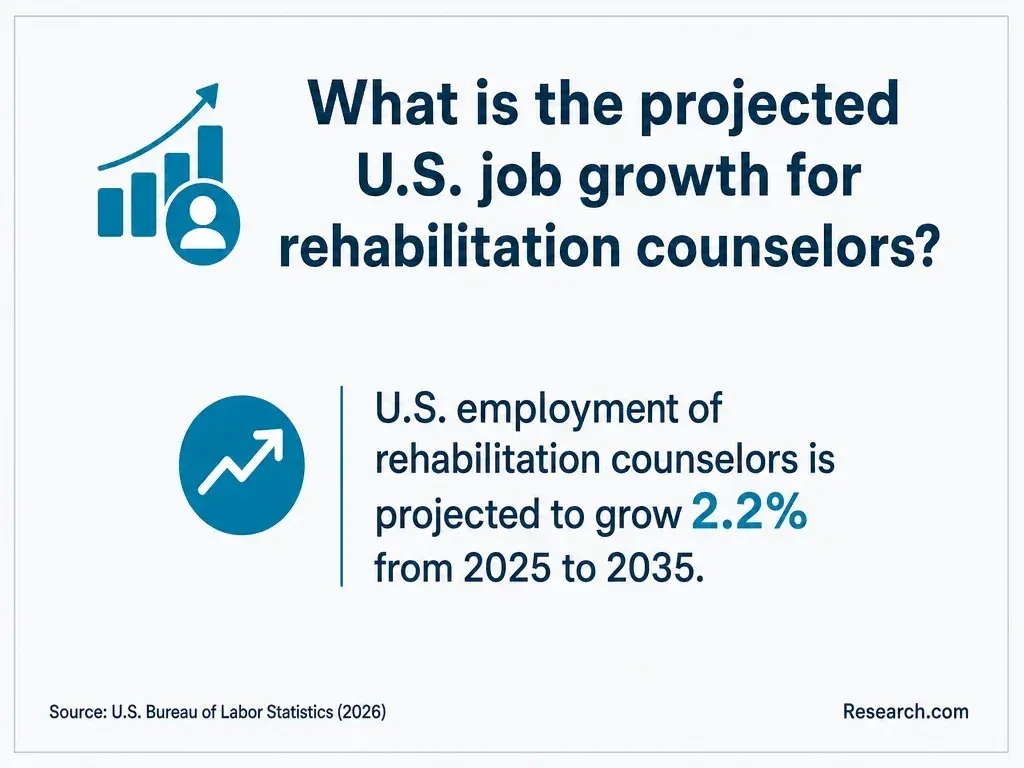
There is no single reliable "forensic psychology MS salary." Pay depends on the occupation, employer, location, experience, and any required credential. For a case management move, the US Bureau of Labor Statistics occupation social and human service assistants is a useful starting point for wage and employment-outlook research, but its occupation-wide figures are not the expected earnings of master's graduates. A licensed psychologist's wage data would be a misleading comparison unless you are planning the additional qualifying pathway.
Use the latest BLS figures for the specific occupation you are targeting, then compare local job postings and your employer's pay scale. If higher pay is driving a possible switch to counseling, examine shorter mental health counseling graduate pathways alongside their licensure and supervised-experience requirements. A higher occupational median alone does not establish a better return on your education spending.
How Can You Choose a Reputable Online Forensic Psychology Program?
Start with your intended job, not a program's concentration label. A reputable option should clearly identify its institution-level accreditation, exact degree and curriculum, delivery requirements, applied-learning rules, total charges, and the limits of its career claims. Ask for outcomes that describe the actual program and cohort rather than broad university-wide employment figures.
Before enrolling, use this sequence to test whether the program solves your career problem:
- Save local postings for the role you want and identify required degrees, experience, credentials, and duties.
- Ask the program to map specific courses and approved projects to the skills those postings require.
- Confirm accreditation, any in-person obligations, site-approval rules, and licensure claims with the appropriate authorities.
- Compare the full cost and time away from work with internal advancement, targeted training, and alternative degrees.
If your actual goal is licensed counseling, include evaluating the net cost of counseling education in that last comparison. The right choice may be a forensic psychology MS, a qualifying professional program, or no new degree yet.
Other Things You Should Know About Psychology
Possibly, if the program approves the site, supervisor, duties, and learning objectives. Ordinary paid work does not automatically satisfy an academic requirement.
Usually you can describe your responsibilities and methods, but obtain employer permission before sharing work products. Remove confidential client information; changing names alone may not make a document safe to disclose.
Not necessarily. Admissions, placement sites, and employers may apply different background-check rules. Ask about site eligibility early and follow the applicable disclosure requirements.
No. Document the duties you already perform, then seek supervised assignments that build missing skills. Relevant responsibility is more useful than a title that does not reflect your work.
- Ethical and Professional Considerations in the Forensic... - PMC https://pmc.ncbi.nlm.nih.gov/articles/PMC7278774/
- Cost of Attendance (Budget) | 2025-2026 Federal Student Aid Handbook https://fsapartners.ed.gov/knowledge-center/fsa-handbook/2025-2026/vol3/ch2-cost-attendance-budget
- Schools - California Board of Psychology - CA.gov https://www.psychology.ca.gov/applicants/schools.html
- Choosing a Program | apa.org https://digital.apa.org/accred-mirr/accreditation.apa.org/choosing-a-program.html
- Career Pathways with a Master's in Forensic Psychology | Neumann https://learn.neumann.edu/neuperspectives/careers-with-a-masters-degree-in-forensic-psychology
- Careers With a Forensic Psychology Master's Degree | The Chicago School https://www.thechicagoschool.edu/insight/career-development/career-options-masters-degree-forensic-psychology/
- FAQs for Clinical Courses: Practicum, Internship, & Field Experience - Wake Forest Department of Counseling https://counseling.wfu.edu/faqs-for-clinical-courses-practicum-internship-field-experience/
- A Career in Forensic and Public Service Psychology | apa.org https://www.apa.org/education-career/guide/subfields/forensic/education-training
- Graduate Admission Requirements | University of Cincinnati https://www.admissions.uc.edu/apply/graduate/requirements.html
- What Does a Forensic Psychologist Do? | National University https://www.nu.edu/blog/what-does-a-forensic-psychologist-do/