2027 Online BA in Psychology - Mental Health for Psychology of Loneliness: Which Courses Should You Look For?
Audited and Verified:
Our Editorial and Data Verification Process
Research.com uses government datasets, official education statistics and primary institutional information to support its career and degree guides. Our review process checks factual accuracy, occupational definitions, source dates and the requirements associated with the credentials discussed.
How This Article Was Fact-Checked
Our editorial team verifies salary estimates, employment projections, education requirements and program information against original data providers and official organizations. Salary figures are checked against the relevant occupational definitions and reporting periods. Information about licensure, accreditation and required in-person training is reviewed separately.
Fact-checked and verified on:

Co-Founder and Chief Data Scientist
A course labeled "mental health" may say little about why people feel lonely - or how to study that experience responsibly. If you are considering an online BA in psychology, the strongest preparation combines social and developmental psychology with research methods, measurement, and opportunities to examine community needs.
This guide shows which courses to prioritize, what to ask about online research and applied learning, and how to distinguish bachelor's-level support work from licensed clinical practice. You can use it to compare curricula rather than relying on a concentration name.
Key Things You Should Know
- Prioritize social psychology, lifespan development, psychopathology, statistics, and research methods; a loneliness-themed elective is useful but cannot replace that foundation.
- Look for supervised opportunities to evaluate loneliness research or community programs, with clear rules for consent, privacy, and use of participant data.
- An online psychology BA can support nonclinical work and graduate-school preparation, but it does not qualify its holder to diagnose or treat mental health conditions.
What is an online BA in psychology focused on mental health and loneliness?
It is generally a broad psychology bachelor's degree whose courses or projects let students examine loneliness - the distressing gap between the social connection someone wants and what they experience. Mental health coursework adds context about well-being, psychological disorders, prevention, and services. It does not turn the BA into clinical training.
Schools may offer a formal mental-health concentration, a cluster of electives, or no named focus at all. Check the catalog: an appealing course title might be offered infrequently, while a general major with strong methods courses and an accessible faculty project may provide better preparation. Use guides to online psychology study and degree choices as a starting point, then verify each school's actual requirements and course schedule.
This focus fits students interested in research, community outreach, aging services, student support, or later professional training. Someone whose immediate goal is a specific support job may find employer training or a targeted credential more direct than completing another bachelor's degree.
Which courses should an online psychology degree include about loneliness?
Choose the foundation before the specialty. Loneliness involves perceived relationships, life transitions, health, and social conditions. No single course explains all of those dimensions. The following sequence helps you judge whether a curriculum develops both subject knowledge and the ability to evaluate evidence.
- Social psychology: Look for belonging, relationships, social comparison, rejection, and social support. This is usually the most direct conceptual starting point.
- Lifespan developmental psychology: Compare loneliness during adolescence, emerging adulthood, caregiving, and later life without assuming the same causes or responses apply to everyone.
- Statistics and research methods: Learn sampling, study design, uncertainty, and the difference between an association and evidence that an intervention caused change.
- Psychological measurement: Examine how researchers distinguish subjective loneliness from network size or time spent alone, and whether a measure works appropriately across populations.
- Abnormal psychology or psychopathology: Study how loneliness can relate to depression and anxiety while avoiding the mistake of treating loneliness itself as a diagnosis.
- Health, community, or cultural psychology: Investigate disability access, discrimination, neighborhood conditions, digital connection, and barriers to participating in community life.
After those courses, an elective on aging, relationships, public health, or substance use can sharpen a particular interest. If your goal is loneliness in recovery settings, compare that elective with the preparation described in an addiction counseling program selection guide; studying recovery experiences is different from qualifying to counsel people with substance use disorders.
Ask whether the courses are required, elective, or merely listed as possible offerings. Also check prerequisites: a compelling advanced seminar is less useful if you cannot take the methods course needed to enroll in it before graduation.
What mental health careers can you pursue with a bachelor's in psychology?
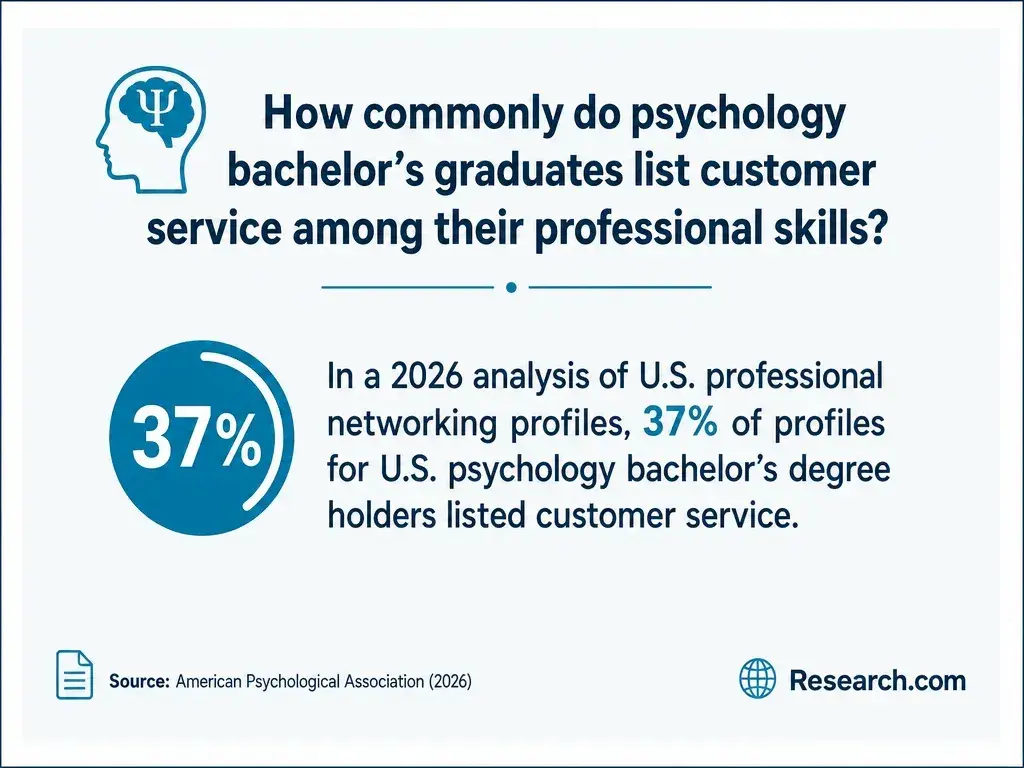
A psychology BA may help you compete for nonclinical roles such as human-services assistant, outreach worker, intake coordinator, research assistant, or program-support specialist. In loneliness-related work, tasks might include explaining available services, coordinating referrals, organizing accessible social activities, documenting participation, or helping evaluate a program under supervision. Employers may require additional experience, training, background checks, or credentials.
Match the coursework to the actual job description. A community organization may value communication and referral skills; a research team may instead expect spreadsheet work, literature searching, and careful handling of participant information. Supervised volunteering or an approved internship can provide evidence of those skills. For substance-use settings, recovery support career planning can help distinguish support responsibilities from regulated counseling duties.
If you already work in a nonprofit or service agency, ask whether you can pursue an approved, nonclinical project there. Your current job will not automatically count as an internship, and permission to serve clients does not automatically grant permission to use their records for coursework.
No - not by itself. Learning about mental health, interviewing, assessment, or counseling theories does not authorize psychotherapy, diagnosis, or independent psychological testing. A BA can establish academic groundwork for later study, but licensed roles have profession- and state-specific education, supervised practice, and examination requirements.
If you want to provide therapy, identify the intended credential and state first. Then compare qualifying graduate programs in counseling, social work, marriage and family therapy, or clinical psychology against that regulator's rules. Even accelerated master's study in clinical mental health counseling must be evaluated for its actual curriculum, field placements, and state eligibility - not speed alone. A nonclinical psychology master's is not interchangeable with a licensure-qualifying professional degree.
Confirm the institution's accreditation through the school's current accreditation information and the accreditor's own directory. Check that the listing covers the institution awarding the degree and is valid for your intended enrollment period. Accreditation is one factor in evaluating academic recognition and aid eligibility; it does not confirm that particular loneliness courses, placements, or career outcomes exist.
Do not reject a general psychology BA because it lacks APA accreditation: APA's professional accreditation is not a blanket accreditation for undergraduate psychology majors. If your long-term goal is counseling, investigate the professional recognition and state rules relevant to the later qualifying program. A guide to mental health counseling tuition fees and financial aid can help frame that separate graduate-program comparison; an accredited BA does not establish a future master's program's licensing eligibility.
Most psychology BAs combine general education with introductory psychology, core subject areas, statistics, research methods, and electives. Common core areas include biological, cognitive, developmental, and social psychology. Requirements vary: one school may require a lab or capstone, while another offers those as options.
For a loneliness focus, compare what students actually do, not just what courses are called. A research-methods course that requires a study proposal, a social-psychology course that critiques relationship research, and a capstone that permits a literature review can form a coherent pathway without a named loneliness concentration. Ask whether online students can access faculty feedback, research participation, and any required software.
Forensic psychology is a possible elective if you want to examine isolation in justice settings, but it should not displace social psychology or methods. If that interest may shape a later career, review graduate forensic psychology job options and qualifications before treating one undergraduate elective as professional preparation.
Requirements commonly depend on whether you apply as a first-year or transfer student. Schools may request prior transcripts and evidence that you meet their general undergraduate admission standards; some set additional conditions for entering the major. Check the current admissions page rather than assuming an introductory psychology course is required everywhere.
If you have college credit, request a written degree audit showing which courses satisfy general education, psychology major, prerequisite, and remaining institutional requirements. Accepted transfer credit does not necessarily fulfill a major requirement. This matters especially when statistics or research methods must precede the courses you want. Students comparing a different specialization or shorter timeline can examine undergraduate forensic psychology programs by completion time, but should obtain their own credit evaluation before relying on any advertised pace.
Completion time depends on accepted credits, course availability, prerequisites, and how many classes you can take each term. Tuition alone is not the full cost: compare mandatory fees, materials, technology, any campus visits, and expenses tied to an internship or research project. An online format does not necessarily mean every class or placement can be scheduled asynchronously.
Ask each school for a term-by-term plan and an estimate based on your remaining requirements. Comparing affordable online psychology degree programs is useful, but a lower advertised tuition rate may not yield the lower total bill if more credits remain or required courses are offered less often.
If you work or provide care, check live-meeting times, group-project expectations, leave policies, and whether a placement can be completed locally. A manageable pace that lets you finish the methods sequence may serve you better than the fastest advertised schedule.
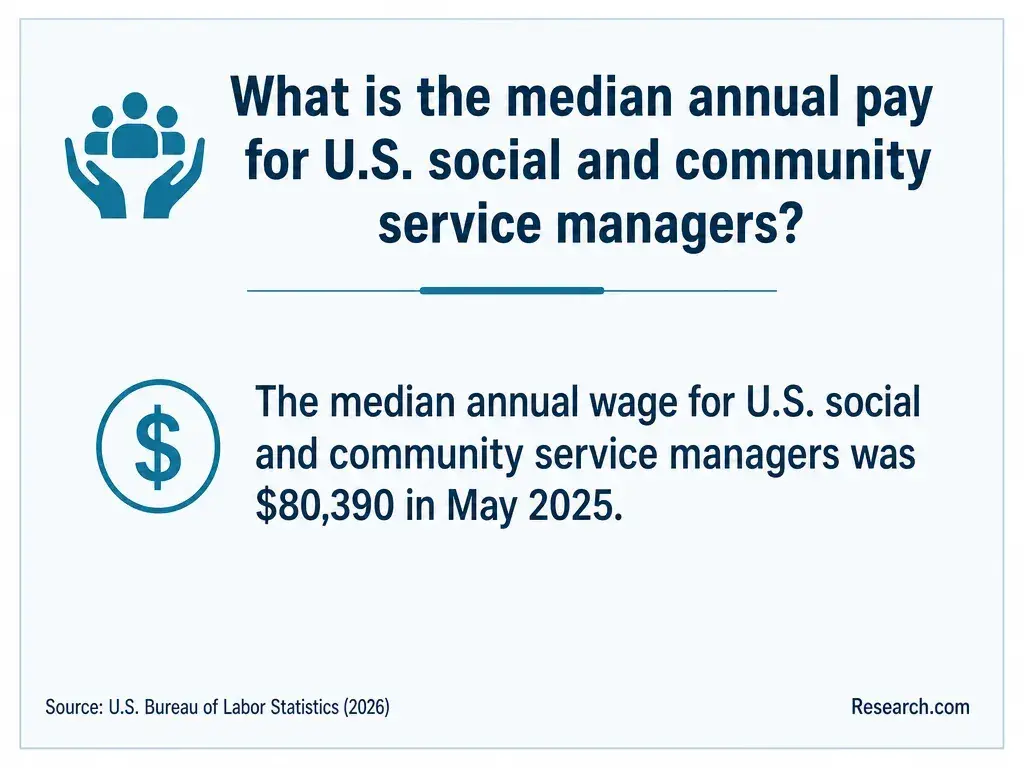
There is no single salary or job-growth figure for "psychology BA graduates." Pay and demand attach to specific occupations, locations, employers, and qualifications. A human-services support role, research-assistant position, and licensed counselor role have different duties and entry requirements; the licensed counselor's occupational median is not a reasonable salary prediction for a new BA graduate.
For a target job, compare its duties with the US Bureau of Labor Statistics Occupational Outlook Handbook's occupation definition, typical entry education, current wage reference year, and projection period. Then check local job postings for required experience and credentials. If you are weighing recovery work against a general psychology degree, a guide to undergraduate substance use counseling study on a budget can prompt a more relevant comparison of training cost and target roles - without treating program-linked earnings as a guaranteed outcome.
How should you compare online psychology programs for mental health careers?
Start with your intended next step: research support, community-service work, or admission to a qualifying graduate program. Then compare programs on the evidence that matters for that step, rather than ranking them by the presence of "mental health" in a concentration title.
- Map the curriculum: Confirm social psychology, lifespan development, statistics, methods, and relevant mental-health electives in the current catalog.
- Check access: Ask when courses run, whether online students can work with faculty, and whether a capstone or supervised nonclinical placement is available.
- Verify boundaries: Request written details about placement approval and supervision; do not assume support work counts as clinical training.
- Calculate your path: Obtain a transfer audit, remaining-course plan, and individualized cost estimate before comparing completion claims.
- Test career fit: Compare recent postings for your target role with the skills and experience you could demonstrate by graduation.
If your objective is a particular addiction-service credential, compare the psychology BA with the state's recognized training route rather than assuming either degree is sufficient. When financing that route, understanding grants versus loans for substance abuse counseling bachelor's students can help you separate aid that reduces cost from money you must repay.
Other Things You Should Know About Psychology
No. Loneliness is a subjective experience that researchers study in relation to well-being and health. It can coexist with a mental health condition, but it is not itself a diagnosis.
Loneliness concerns how connected someone feels; social isolation concerns the extent of their social contact. A person can have frequent contact and still feel lonely, or spend substantial time alone without feeling lonely.
No. Chosen, satisfying time alone differs from unwanted disconnection. Good research asks about the person's experience rather than inferring loneliness from how often they are alone.
Yes. A literature review or analysis of an appropriately available dataset may be possible. Before collecting responses or using agency information, check faculty requirements, permissions, consent, privacy rules, and whether institutional review is needed.
- Measuring loneliness: guidance for use of the national indicators on surveys - Office for National Statistics https://www.ons.gov.uk/peoplepopulationandcommunity/wellbeing/methodologies/measuringlonelinessguidanceforuseofthenationalindicatorsonsurveys
- Loneliness, Lack of Social and Emotional Support, and Mental Health Issues - United States, 2022 | MMWR https://www.cdc.gov/mmwr/volumes/73/wr/mm7324a1.htm
- Requirements Related to the Practice of Counseling - NCBI https://www.ncbi.nlm.nih.gov/books/NBK259170/
- Understanding the Development of Chronic Loneliness in Youth | nih.gov https://pmc.ncbi.nlm.nih.gov/articles/PMC11504316/
- 2b. Service-Learning Project | New York State Education Department https://www.nysed.gov/standards-instruction/2b-service-learning-project
- Evidence-Based Practices Resource Center | samhsa.gov https://www.samhsa.gov/libraries/evidence-based-practices-resource-center
- Research on the measurement of loneliness | GOV. UK https://www.gov.uk/government/publications/research-on-the-measurement-of-loneliness/research-on-the-measurement-of-loneliness
- Frequently Asked Questions for Mental Health Counselors | nysed.gov https://www.op.nysed.gov/professions/mental-health-counselors/faqs-education-requirements
- SOURCE Supported Service-Learning Courses | jhu.edu https://source.jhu.edu/publications-resources/source-supported-service-learning-courses
- Online Bachelor's Degree in Psychology | Drexel University Online https://www.online.drexel.edu/online-degrees/arts-and-science-degrees/bs-psychology/index.aspx