2027 Online BA in Psychology - Addictions vs. a BA in Sociology: Compare Curriculum, Cost, and Career Fit
Audited and Verified:
Our Editorial and Data Verification Process
Research.com uses government datasets, official education statistics and primary institutional information to support its career and degree guides. Our review process checks factual accuracy, occupational definitions, source dates and the requirements associated with the credentials discussed.
How This Article Was Fact-Checked
Our editorial team verifies salary estimates, employment projections, education requirements and program information against original data providers and official organizations. Salary figures are checked against the relevant occupational definitions and reporting periods. Information about licensure, accreditation and required in-person training is reviewed separately.
Fact-checked and verified on:

Co-Founder and Chief Data Scientist
If you want to work in addiction services, the choice between psychology and sociology affects what you study - but it may not determine which jobs you qualify for. An online psychology BA with an addictions focus usually emphasizes individual behavior and recovery, while sociology examines the social conditions and institutions that shape substance use.
This comparison is for prospective and returning undergraduates weighing those approaches. It explains curriculum, format, cost, career opportunities, and credential limits so you can choose a degree that fits your target role rather than relying on the major's name alone.
Key Things You Should Know
- Choose addictions-focused psychology for deeper study of individual behavior, substance use, and recovery; choose sociology for stronger emphasis on inequality, communities, policy, and service systems.
- Neither BA alone qualifies you to provide independent addiction counseling. State rules and the specific job determine whether further education, supervised experience, certification, or licensure is required.
- Compare the total cost of credits remaining - not advertised tuition alone - and check whether online coursework still requires scheduled meetings or an approved local placement.
What Is an Online BA in Psychology With an Addictions Focus?
It is an undergraduate psychology degree that combines the study of behavior and psychological research with coursework on substance use, prevention, and recovery. "Addictions focus" might mean a formally designated concentration, a set of electives, or simply a program theme. Only the school's catalog and transcript policy can tell you which it is.
The psychology core commonly includes statistics, research methods, development, social psychology, and biological or behavioral foundations. Addiction-related classes may examine substance use disorders, motivation, treatment research, and the effects of stigma. Studying those subjects builds understanding; it does not authorize a graduate to diagnose a disorder or deliver therapy.
Before selecting a school, compare its published concentration requirements with your intended state credential. An addiction psychology bachelor's degree planning resource can help you identify programs to investigate, but the state credentialing authority - not a program title - determines whether coursework counts toward a regulated role.
How Does an Addictions-Focused Psychology Degree Compare With Sociology?
The deciding difference is the level at which you want to understand and address addiction. Psychology generally concentrates on behavior, learning, development, and individual differences. Sociology examines social networks, institutions, inequality, and policy. Both can inform prevention and recovery work, but neither perspective is a substitute for supervised professional training.
This comparison shows where each major is likely to offer the stronger starting point. Actual course requirements and applied opportunities vary by school.
| Decision factor | Psychology with addictions focus | Sociology |
| Central lens | Behavior and psychological processes related to substance use | Social conditions, communities, and systems affecting substance use |
| Common research preparation | Psychological research design and statistics | Social research methods, often with quantitative and qualitative work |
| Strongest immediate fit | Behavioral-health support or recovery-service roles | Community outreach, policy support, or program evaluation |
| Important limitation | An addictions focus is not a counseling credential | A sociology BA is not a counseling credential |
If you are drawn specifically to justice-system settings, compare the actual electives rather than assuming either major covers them. Guidance on comparing forensic psychology curricula and career fit can clarify that separate interest; forensic coursework does not confer investigative or clinical authority.
Which Degree Offers Better Career Opportunities in Addiction Services?
For direct entry into nonclinical addiction-service support, an addictions-focused psychology BA may offer more immediately relevant subject knowledge. For prevention campaigns, community partnerships, policy work, or evaluation of service access, sociology may be equally useful or a better fit. Employers also weigh experience, communication, documentation, and the qualifications specified in the job posting.
A graduate of either major might seek supervised work involving outreach, appointment coordination, resource navigation, or referrals. Those duties differ from independently assessing clients or providing substance-use-disorder treatment. A local agency placement can help you test your fit and build experience, but you should confirm the tasks, supervision, and any background-check requirements before committing.
If your long-term goal is a justice-related specialty rather than addiction services generally, assess its additional education separately. Forensic psychology master's degree career return considerations are relevant to that later decision, not evidence that either BA leads directly to a forensic practitioner role.
Both majors commonly require general education, research methods, and substantial reading and writing. The most useful comparison is between required courses, not appealing electives that may be unavailable when you enroll.
An addictions-focused psychology plan may include introductory and developmental psychology, statistics, research methods, abnormal psychology, and courses on addiction or health behavior. A sociology plan may include social theory, statistics or social research methods, inequality, institutions, and electives in health, crime, or public policy. A sociology student can often strengthen addiction-service preparation through relevant psychology electives; a psychology student can add sociology or public-health coursework to better understand structural barriers to care.
For either major, look for supervised opportunities to practice ethical data handling, evidence appraisal, and clear communication. If graduate study interests you, check that program's prerequisites before choosing electives. Even a faster-paced option, such as forensic psychology master's study with faster pacing, should be evaluated for its methods preparation and fit - not just its completion time.
Online delivery can remove a commute, but it does not necessarily let you work at any hour. Either major may include live discussions, group research projects, exams at fixed times, or an internship at an approved site. Campus programs may offer easier access to faculty research and nearby agencies; online programs may suit students who need geographic flexibility.
Ask for a sample course schedule and written placement policy. If you work or care for family, find out whether meetings are synchronous, whether placements can occur near home, how many hours must be completed during agency business hours, and what happens if you need to pause enrollment. An online class is only a workable choice if its least flexible requirement fits your schedule.
This distinction matters even more if you later consider professional training. A guide to accredited counseling study with accelerated schedules can help frame questions about pace, live instruction, and supervised experience; undergraduate online flexibility should not be assumed to carry over to a counseling master's.
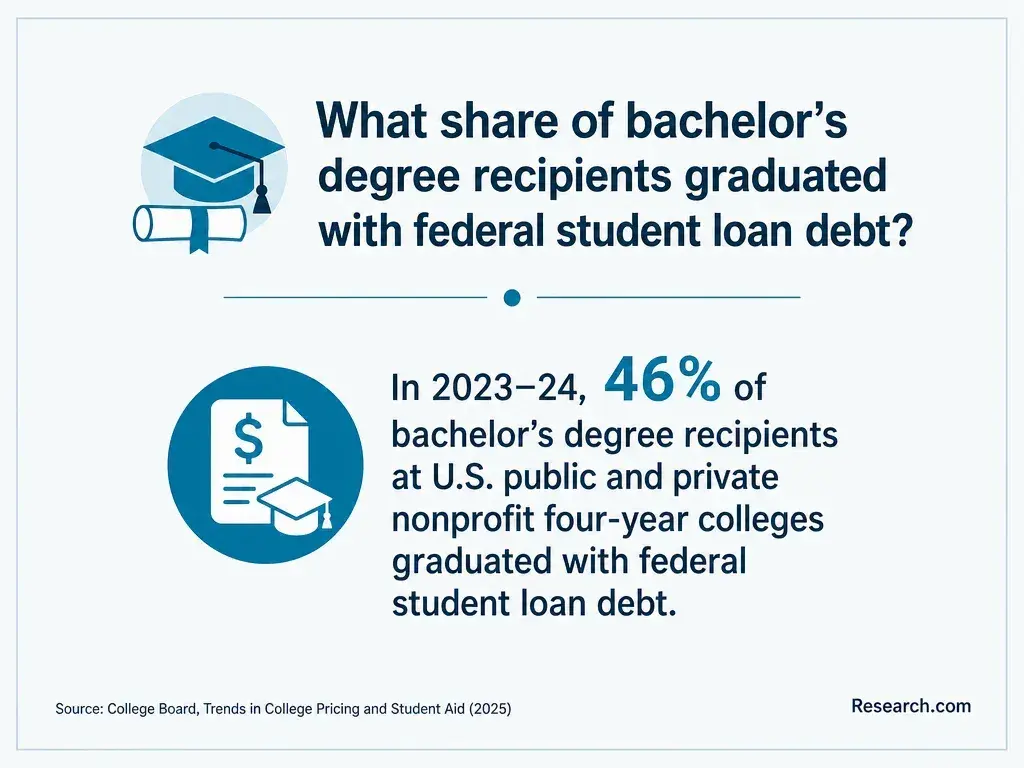
There is no reliable single price for either major. Tuition may be charged per credit or term, and the cheaper advertised rate may not produce the cheaper completed degree. For a transfer student, the crucial figure is the school's estimate of credits still needed to graduate, including major, general-education, and residency requirements.
Use the same cost categories for each school so that online fees and applied-learning costs do not disappear from the comparison.
| Cost component | What to verify | Why it can change the comparison |
| Tuition | Rate, billing unit, and credits remaining | A low rate can be offset by more required courses |
| Mandatory fees | Technology, course, and graduation charges | Online students may still owe fees |
| Materials and placement | Books, software, travel, and possible unpaid hours | Applied requirements can create expenses or reduce work time |
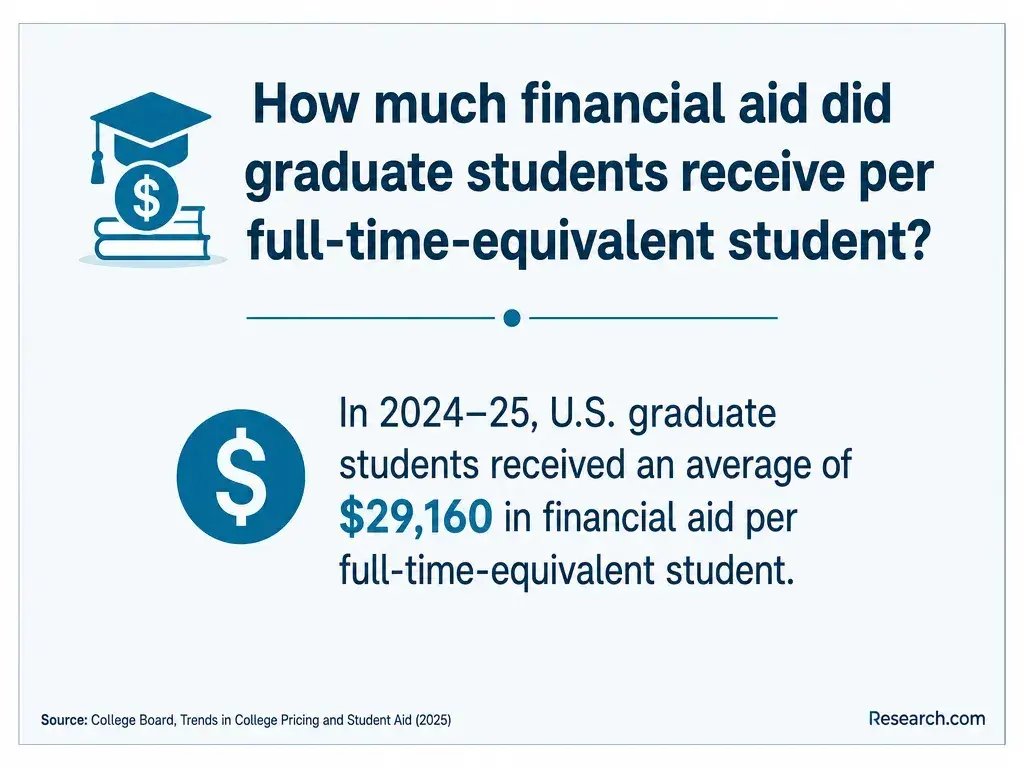
| Financial aid | Eligibility and enrollment conditions | The amount available may change with course load |
Request a degree audit and an itemized estimate for your remaining courses before comparing psychology degree tuition and affordability options. Confirm any aid, employer assistance, or transfer-credit decision with the offices that administer it.
Requirements vary by institution and by whether you apply as a first-year or transfer student. Schools typically ask for an application and prior academic records; some majors have separate entry or progression rules. An admissions offer also does not establish which previous courses will satisfy the major.
If you have college credit, ask for an official evaluation showing accepted credits, requirements satisfied, and courses left to take. Check especially whether prior statistics or research-methods courses meet the new major's rules, and whether either degree has a minimum number of credits that must be completed at the awarding institution. The school has final authority over these decisions.
Do not confuse BA admission with the later admission process for a professional master's. A clinical mental health counseling master's pacing guide addresses a different degree level; if that is your goal, review prospective graduate programs' prerequisites while you still have room to choose undergraduate electives.
First, verify that the institution holds recognized institutional accreditation and that it applies to the school awarding the online degree. You can check the accreditor named by the institution against the U.S. Department of Education's recognized-accreditor information. Accreditation matters for institutional quality assurance and can affect credit transfer, aid, and graduate applications, although it does not guarantee that another school will accept every credit.
Then ask whether the degree has any separate recognition relevant to your goal. Do not reject a psychology BA or sociology BA because it lacks American Psychological Association accreditation: APA does not accredit general undergraduate majors. Conversely, institutional accreditation does not establish eligibility for an addiction-counselor credential.
If licensed counseling is the eventual goal, accreditation questions become program- and state-specific at the graduate level. Resources on tuition-conscious mental health counseling degree choices can inform a later comparison, but confirm each program's recognition and licensure disclosures with the program and the state where you plan to practice.
Both degrees can support applications for nonclinical human-services jobs, but neither determines a job title or salary. Relevant openings may include outreach worker, intake coordinator, program assistant, or case-support worker. Psychology coursework may help with behavioral-health terminology; sociology coursework may help with community research and program context. Hiring standards depend on the employer, setting, and duties.
Salary comparisons require particular care. The U.S. Bureau of Labor Statistics reports a May 2024 median annual wage of $59,190 for the combined occupation of substance abuse, behavioral disorder, and mental health counselors. That is an occupation-wide figure, not a starting salary for either BA: counselor roles may require graduate education or a state credential. Use the qualifications in local postings - not that median - to judge which bachelor's-entry jobs you can pursue.
If a job consistently calls for graduate education, compare its requirements and likely payoff before enrolling in another degree. Psychology graduate study on a budget may help with the cost question, but a general psychology master's should not be mistaken for a qualifying counseling degree.
What Licenses and Certifications Are Needed for Addiction Careers?
Requirements depend on the state and the precise role. An addiction counselor, a licensed mental health counselor providing addiction treatment, and a peer recovery specialist can follow different credential pathways and have different permitted duties. A BA concentration is not itself any of those credentials.
Before paying for a degree to reach a particular position, use the job title and intended state to check the responsible licensing or certification authority. Compare its educational requirements, approved coursework, supervised experience, examination rules, and scope of practice with the school's written curriculum. If a program claims its graduates can pursue a credential, ask which state and credential the claim covers and whether extra courses or supervised hours are needed.
For a career changer already working in community services, an employer-supported certification route or targeted training may be more direct than a second bachelor's. If the goal is licensed psychotherapy, evaluate an appropriate qualifying graduate program instead. When weighing one, assessing shorter clinical mental health master's program outcomes is useful only alongside verification of state eligibility and the time required for supervised practice.
Other Things You Should Know About Psychology
Often, yes, if your school offers both and its degree rules allow the combination. Check which addiction-related courses are available to minors and whether they fit your graduation plan.
Usually not. Relevant coursework, research skills, and community experience may be more useful than adding a second major that delays graduation. Compare actual job requirements first.
Some programs accept applicants from other majors. Check each program's psychology, statistics, and research-methods prerequisites rather than assuming either automatic eligibility or exclusion.
Usually, subject to school policy. Ask for a new degree audit before switching: completed credits may still count toward graduation without satisfying the new major's requirements.
- Fast Facts: Tuition costs of colleges and universities (76) | ed.gov https://nces.ed.gov/fastfacts/display.asp
- TNReconnect | Prior Learning Assessment Information https://tnreconnect.gov/Choose-a-Degree-College-Path/Prior-Learning-Assessment-Information
- Accreditation in the U.S. | ed.gov http://www.ed.gov/laws-and-policy/higher-education-laws-and-policy/college-accreditation/accreditation-in-the-us
- Core Curriculum Healthcare Education Integration | samhsa.gov https://www.samhsa.gov/substance-use/treatment/resources/provider-support/core-curriculum
- Cost of Attendance | Financial Aid - Georgia Tech https://finaid.gatech.edu/current-cost-overview
- Cost of attendance | Twin Cities One Stop Student Services https://onestop.umn.edu/finances/costs/cost-attendance
- Counseling and Mental Health, BA | West Virginia University https://www.wvu.edu/academics/programs/counseling-and-mental-health-ba/
- Credit for Prior Learning | Dallas College https://www.dallascollege.edu/special-programs/prior-learning/
- Transfer Credit Policy | Pace University New York https://catalog.pace.edu/undergraduate/academic/academic-policies-general-regulations/transfer-credit-policy/
- Time Management for Online Students: How to Balance Work, Family and an Online Degree - The City University of New York https://www.cuny.edu/blog/time-management-for-online-students-how-to-balance-work-family-and-an-online-degree/