Online MBA in Business Analytics: Curriculum and Workload for First-Time Managers

Co-Founder and Chief Data Scientist
A first management role changes the decisions you make: You may now have to explain a budget, assess team performance, and persuade stakeholders to act on incomplete information. An online MBA in business analytics can develop those skills, but its value depends on what the curriculum teaches and whether its demands fit alongside your new responsibilities.
This guide separates management coursework from analytics training, shows how to assess the workload, and helps you decide whether a full MBA is a better investment than a shorter alternative.
Key Things You Should Know
- Expect a broad MBA management core plus analytics courses focused on using data to make business decisions; the concentration is not necessarily advanced data-science training.
- For a first-time manager, live meetings, group projects, and unpredictable team demands can matter more to workload than an "online" label suggests.
- Compare the full cost with the responsibilities you can realistically gain at work. The $126,520 May 2025 median wage for US management occupations is not an MBA graduate salary or a predicted return.
What Is an Online MBA in Business Analytics?
An online MBA in business analytics is a general management degree with additional study in using data to evaluate problems and guide decisions. The MBA core typically covers areas such as accounting, finance, operations, marketing, and leadership. Analytics may be a formally named concentration, a track, or simply a selection of electives; those are not interchangeable credentials.
For a new manager, the distinction matters. An analytics-focused MBA may help you question a forecast, define a useful team metric, or explain a recommendation to executives. It does not necessarily prepare you to build production data systems or perform the advanced statistical work associated with some specialized degrees. If systems implementation is your main goal, compare the actual coursework with affordable graduate business education degree programs focused on information systems rather than relying on degree labels.
Is an Online Business Analytics MBA Worth It for First-Time Managers?
It may be worthwhile when your job already gives you opportunities to manage people, allocate resources, and act on performance data. You can then test lessons against real decisions while building the broader business judgment needed for larger responsibilities. Coursework alone, however, will not grant authority over a team or guarantee a promotion.
Value is less certain if you mainly want to learn a particular software tool, have little room to apply management concepts, or would need substantial borrowing without a plausible advancement path. A targeted analytics course, employer training, or mentored project may solve a narrower skills gap at lower cost. Sector fit also matters: A newly promoted clinical supervisor, for example, may find career-focused online MBA choices more relevant than a general analytics concentration.
Before applying, identify a responsibility you want to handle better - such as staffing forecasts or budget discussions - and ask whether the program provides both the instruction and a practical project to support it.
What Does an Online MBA in Business Analytics Curriculum Include?
Schools set their own requirements, so there is no universal course sequence. The comparison below shows what to look for in a catalog and what each part could contribute to an early management role.
| Curriculum component | Common subject matter | First-time manager application |
| MBA core | Managerial accounting, finance, operations, strategy, and organizational behavior | Connect team decisions to budgets, organizational priorities, and people management |
| Analytics concentration or electives | Data visualization, forecasting, decision models, and interpretation of business data | Evaluate performance measures and communicate the limits of an analysis |
| Applied work, if offered | Case studies, simulations, consulting projects, or a capstone | Practice turning evidence into a recommendation stakeholders can use |
Check course descriptions for the level of technical work. A class on interpreting dashboards is different from one requiring substantial coding or statistical modeling. Also look for instruction in data quality, privacy, and ethical use: A manager must know when a persuasive-looking metric should not drive a personnel decision.
There is no reliable universal weekly-hour estimate. Workload changes with course intensity, quantitative preparation, assessment design, and the number of classes taken at once. An asynchronous lecture may be easy to schedule; a team presentation or fixed-time discussion may not be. Online delivery does not eliminate deadlines or collaboration.
A first-time manager also has less control over the workday than a calendar may suggest. Employee issues, hiring, and reporting deadlines can arrive just as a group assignment is due. Before enrolling, request a recent syllabus and term calendar, then check the commitments most likely to conflict with your role:
- Required live classes, exams, group meetings, and any campus visits.
- The number and timing of major assignments, especially in analytics courses.
- Options to reduce course load or take a term off if management duties expand.
Protect recurring study time and discuss predictable work conflicts with your supervisor. If you are new to spreadsheets, statistics, or accounting, allow additional time for preparation rather than treating the published course schedule as your entire commitment.
Requirements vary by school. Applicants commonly submit evidence of a bachelor's degree, transcripts, a résumé, and a statement of purpose; some programs also request recommendations, an interview, or test scores. Work-experience expectations and GMAT or GRE policies are program-specific. Being a first-time manager does not automatically make you either eligible or ineligible.
Ask whether the school expects prior coursework in statistics, accounting, or another quantitative subject and whether foundation courses are available. In your application, describe a real transition into management - such as resolving a resource conflict or presenting evidence for a decision - rather than implying you already have senior-level experience.
Completion time depends on required credits, course sequencing, term length, and how many courses you take at once. Concentration courses may be offered only in particular terms, so a program's fastest advertised timeline may not match a working manager's feasible schedule.
Ask for a term-by-term plan at the course load you would actually take, including prerequisites and the final project. If you have previous graduate study, examine graduate management degrees with transfer credit, but confirm how many credits a particular school will accept and whether transferred courses can satisfy concentration requirements.
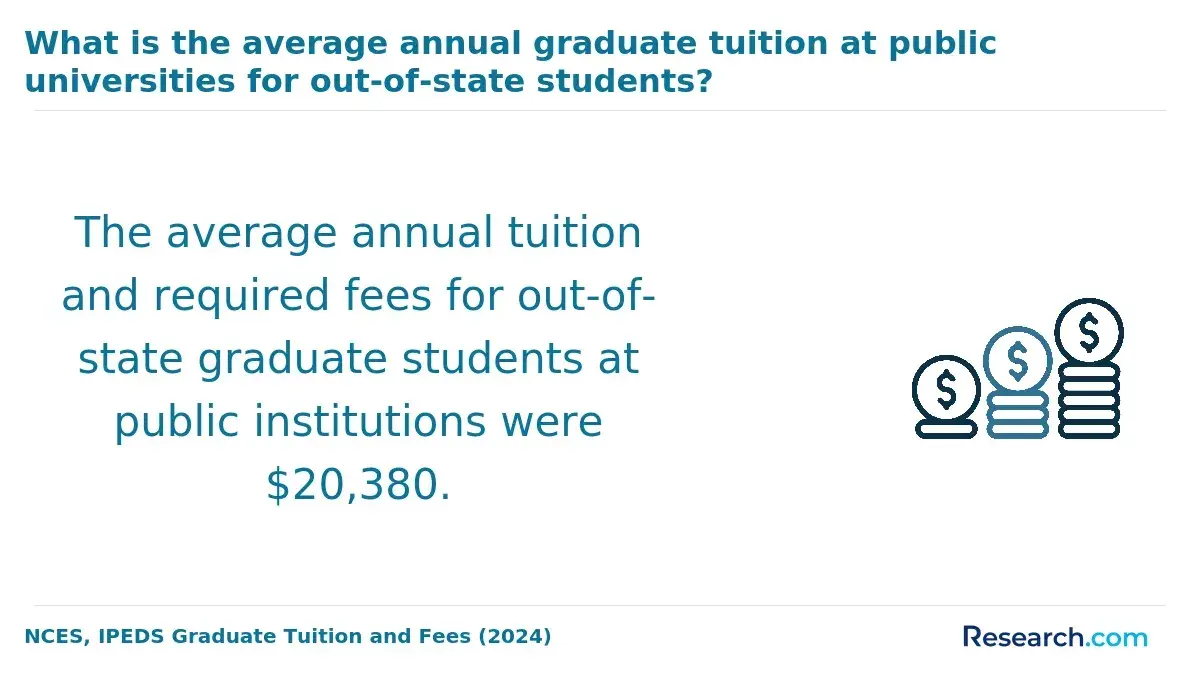
There is no single price for this degree. Compare each school's published tuition basis - per credit, course, term, or program - then add mandatory fees, materials, software, and any required travel. A longer enrollment schedule can also change the cost if fees recur each term. Treat tuition-only comparisons as incomplete.
For a first-time manager, affordability depends on cash flow as well as total price. Confirm whether your employer reimburses tuition, which courses qualify, when payment arrives, and whether leaving the employer triggers repayment. If you plan to borrow, consider financing costs without assuming a future promotion will cover them. A starting point for comparing prices is low-cost online MBA programs affordable AACSB-accredited online MBA programs; verify each program's current charges and accreditation before deciding.
Online study may reduce commuting and make it easier to stay employed, while a campus format may offer more frequent in-person contact. Neither format guarantees flexible scheduling, strong networking, or access to the same recruiting activities. Compare the specific program's live-session requirements, group-work expectations, career services, and opportunities to work with classmates and employers.
Choose based on the kind of support your next step requires. If you plan to advance with your current employer, an online program with applied assignments may be practical. If you need extensive in-person recruiting to change careers, investigate whether the online cohort can participate before enrolling. Managers comparing MBA degree options for working adults programs online in another specialty should apply the same scheduling and recruiting questions rather than assuming all online MBAs work alike.
A realistic near-term outcome is stronger performance in an existing management path: overseeing an operations team, improving a reporting process, or moving toward a role that combines team leadership with analytical decisions. Analyst or analytics-manager positions may require additional technical experience. Senior leadership roles generally require a record of managing people, budgets, and results - not just an MBA.
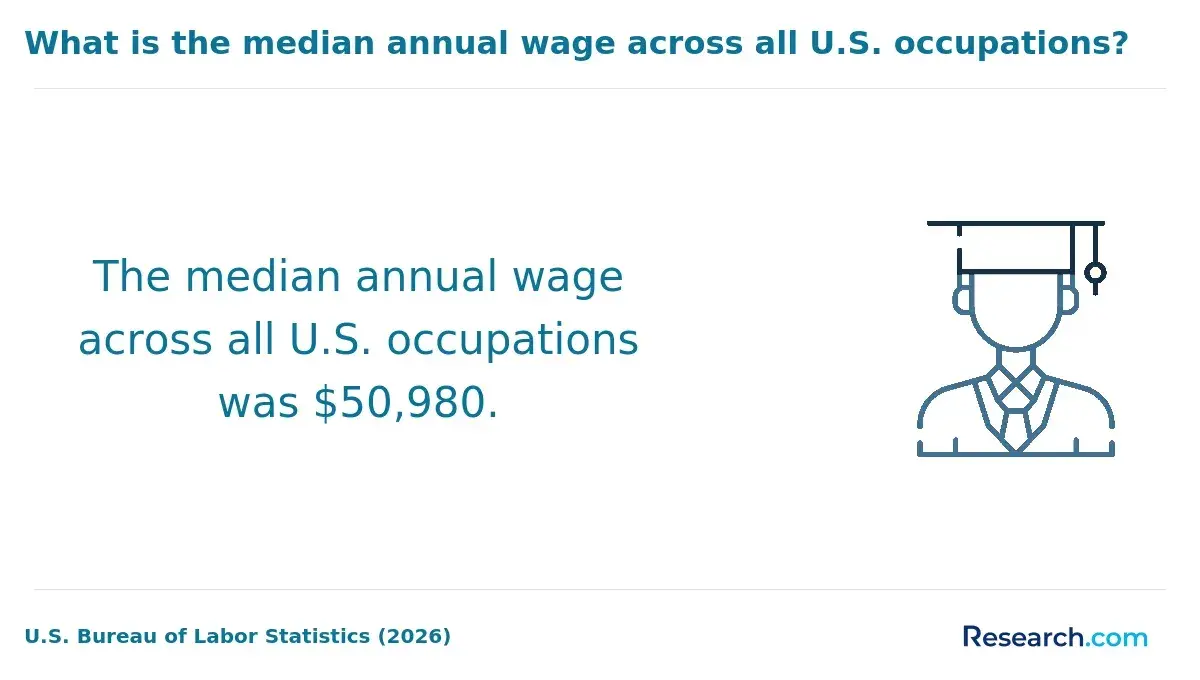
For context, the US Bureau of Labor Statistics reports a $126,520 median annual wage for management occupations in May 2025. That figure covers workers across management occupations, not graduates of business analytics MBA programs. Use it as occupational context, not a forecast of your post-degree pay. Compare job postings in your location with your present skills and experience before attaching a salary expectation to the degree.
How Can You Choose an Accredited Online MBA Program?
First, verify the university's institutional accreditation through the accreditor or the US Department of Education's accreditation resources. Then check whether the business school holds specialized accreditation, such as AACSB, if that distinction matters to you. Institutional and business-school accreditation are different; do not infer either from marketing language alone.
Shortlist programs using evidence tied to your job: an officially available analytics concentration, courses at the right technical level, a manageable calendar, a complete cost estimate, and projects you can apply without exposing confidential workplace data. Ask admissions staff for the current catalog, a sample syllabus, and access rules for online students' career services. The best fit is the program whose actual requirements you can sustain while becoming a more capable manager.
Other Things You Should Know About MBA
Only with appropriate permission. Ask your employer about confidentiality rules and the school about using anonymized, simulated, or public data instead.
It depends on the school. Ask whether the concentration appears on the diploma, transcript, or neither before describing it as a formal credential.
Not necessarily. Request the program's current software and hardware requirements before buying equipment; some courses use browser-based tools.
Eligible students can ask the university's disability services office about available accommodations. Contact that office early to discuss how the program handles live sessions, assessments, and course materials.
- Data Science Education - NCBI - NIH https://www.ncbi.nlm.nih.gov/books/NBK532765/
- Online MBA in Business Analytics: No GMAT Required | SIUE https://online.siue.edu/degrees/business/mba/business-analytics/aacsb-accredited-no-gmat-option/
- How Much Should We Assign? Estimating Out of... - Rice CTE https://cte.rice.edu/blog/2016/workload
- Online MBA Business Analytics Concentration | SNHU https://www.snhu.edu/online-degrees/masters/mba-online/mba-in-business-analytics
- Synchronous vs Asynchronous | University of Bridgeport https://www.bridgeport.edu/news/synchronous-vs-asynchronous/
- Rady School of Management | ucsd.edu https://catalog.ucsd.edu/courses/MGT.html
- Synchronous vs. Asynchronous Learning: Differences, Benefits & How to Choose the Right Format | University of Cincinnati https://www.online.uc.edu/blog/difference-between-synchronous-and-asynchronous-learning.html
- Online MBA in Business Analytics | FGCU https://onlinedegree.fgcu.edu/programs/mba-business-analytics/
- Effects of workload allocation per course on students' academic outcomes: Evidence from STEM degrees - ScienceDirect https://www.sciencedirect.com/science/article/pii/S092753712400054X