
2027 Online Humanities Bachelor's Degrees for Career Changers

Co-Founder and Chief Data Scientist
Career dissatisfaction often sparks a profound reassessment for early- and mid-career professionals seeking more fulfilling paths. For many facing limited growth or burnout in their current industries, returning to school offers a strategic way to pivot. Online humanities bachelor's degree programs provide the flexibility and accessibility needed to balance work, life, and study.
Notably, enrollment in online humanities programs increased by 15% over the past five years, reflecting growing demand.
This article explores how these programs support career changers in successfully transitioning into new humanities-focused professions.
Key Benefits of Online Humanities Bachelor's Degrees for Career Changers
- Online humanities bachelor's degrees offer flexible scheduling, allowing working professionals to balance coursework with employment and personal commitments effectively.
- Many accredited online programs provide quality education accessible nationwide, ensuring recognized credentials without relocating or interrupting careers.
- These degrees align with emerging humanities-related roles in education, public policy, and digital media, supporting career changes into growing interdisciplinary fields.
Is an Online Humanities Bachelor's Degree Good for Career Changers?
Career changers often look to an online humanities bachelor's degree as a flexible and relevant way to pivot into new professional fields while leveraging their existing experiences. Nearly 40% of adult learners return to education seeking degrees that align with shifting career goals.
These programs typically appeal due to their broad critical thinking, communication, and cultural analysis skills that are valued across diverse industries. The option to study remotely also attracts those pursuing SLP programs online and other disciplines needing adaptable education paths.
Online humanities programs support career changers by offering structured academic pathways tailored to adult learners, often including credit for prior learning and transfer-friendly policies. Many institutions design curricula that emphasize interdisciplinary knowledge while ensuring accessibility through flexible enrollment and user-friendly platforms.
This helps students navigate career shifts more effectively. The benefits of pursuing an online humanities degree while working full-time are particularly significant for those balancing professional transitions with ongoing responsibilities.
Can I Work Full-Time While Studying an Online Humanities Degree?
Many students pursue an online humanities bachelor's degree while working full-time due to the flexibility that online learning offers. These programs are designed to accommodate working professionals by allowing access to course materials and assignments at times convenient to their schedules.
Approximately 74% of undergraduate students enrolled exclusively in distance education also work at least part-time, highlighting the demand for programs that support the needs of adult learners.
Online humanities programs support full-time working students through asynchronous coursework, modular scheduling, and comprehensive support services tailored to busy lifestyles. Coursework typically does not require attendance at set times, letting students study early mornings, evenings, or weekends.
Courses are divided into manageable modules with clear deadlines that help students pace their work efficiently. Additionally, many programs offer tutoring and remote academic advising, all contributing to an environment that balances employment and education.
Those interested in identifying accelerated pathways can also explore options such as MSW accelerated programs for insights into flexible academic models.
What Skills Do I Need to Succeed in an Online Humanities Program as a Career Changer?
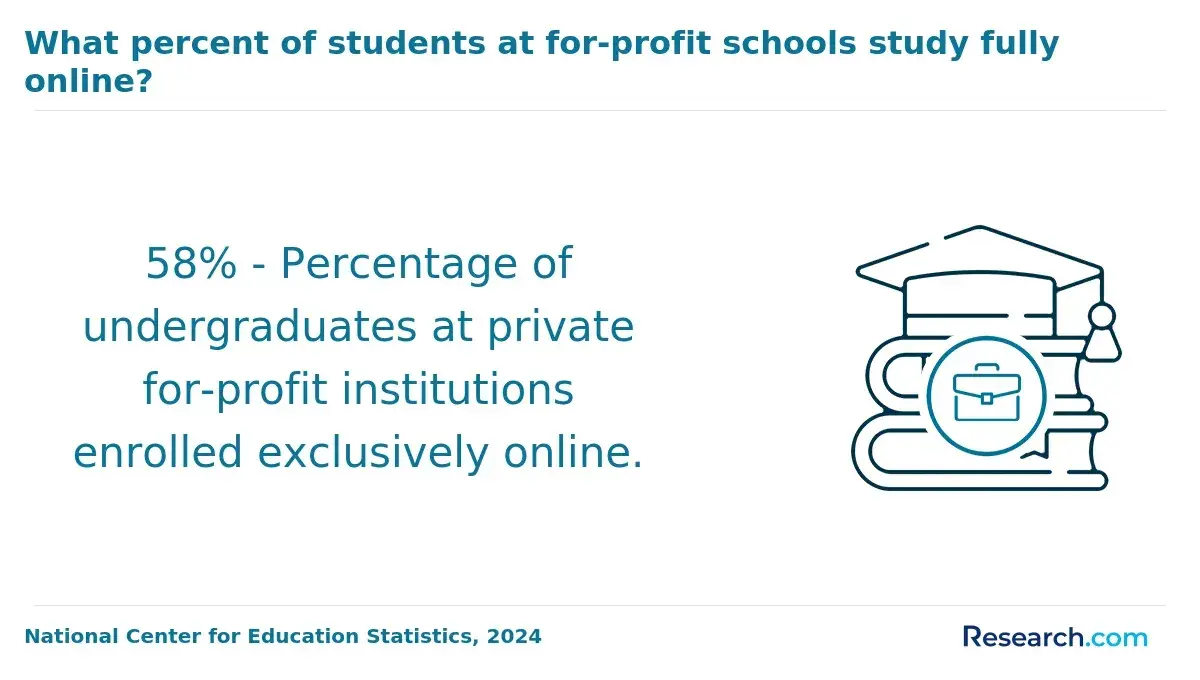
Career changers entering an online humanities bachelor's program face distinct challenges that require a balanced set of skills. Data from the National Center for Education Statistics shows nearly 41% of online students are aged 30 or older, underscoring how adult learners must manage education alongside other commitments.
Mastering certain competencies is essential for thriving in humanities studies and remote education. These include:
- Critical Thinking: Humanities courses rely on the ability to analyze texts and arguments deeply. Strengthening this skill helps career changers engage with complex ideas, interpret diverse viewpoints, and develop well-reasoned responses.
- Time Management: Balancing studies with work and personal life demands careful prioritization. Effective scheduling ensures steady progress through coursework without becoming overwhelmed.
- Self-Motivation: Without the structure of in-person classes, staying focused and disciplined is key. Maintaining consistent study routines empowers learners to keep pace with deadlines and assignments.
- Technological Comfort: Familiarity with online learning platforms, research databases, and troubleshooting can reduce frustration and enhance participation in virtual classrooms.
- Written Communication: Clear, concise writing skills are vital, as most interactions and assessments occur through essays and discussion posts.
Reflecting on these skills, a professional pursuing a humanities bachelor's degree online shared that initially, juggling coursework with a full-time job and family responsibilities was daunting.
He noted, "It's not just about learning content—it's managing your time and staying motivated without the usual classroom accountability." He also emphasized the technical learning curve, mentioning how becoming comfortable with digital tools was a gradual process but ultimately boosted his confidence.
"I realized early on that improving my writing and critical thinking made the whole experience more rewarding," he added, illustrating the multifaceted effort needed to adapt successfully in this career transition.
Planning a career transition while pursuing an online humanities bachelor's degree helps ensure education aligns with personal goals and workforce needs. Nearly 70% of workers change careers at least once, highlighting the growing importance of flexible skill development.
The key factors for success in this transition include the following considerations:
- Aligning Learning With Goals: Tailor your academic focus to match your desired career outcomes, ensuring your studies build relevant skills and knowledge applicable to new roles.
- Building Foundational Skills: Humanities programs develop critical thinking, communication, and cultural awareness-essential abilities that apply broadly across industries and support career changers.
- Leveraging Resources: Use online program services like academic advising, career counseling, and networking opportunities to identify suitable pathways and gain guidance during your transition.
- Gaining Practical Experience: Pursue internships, volunteer roles, or project-based tasks to connect academic learning with real-world expectations, enhancing your resume and readiness.
- Understanding Workforce Norms: Familiarize yourself with industry standards and evolving demands in humanities-related fields to better anticipate employer expectations.
For professionals balancing full-time work and studies in online humanities programs, exploring degrees like an office administration degree can complement skillsets and expand career options.
The time required to complete an online humanities bachelor's degree and switch careers varies widely, making it a critical factor for career changers to consider. While most full-time programs last around four years, part-time students—common among adults balancing other responsibilities—often take over six years, according to data from the National Center for Education Statistics.
The length of this journey depends on factors such as transfer credits, the availability of accelerated courses, program structure, and individual learning pace. These elements influence not only the degree completion timeline but also how quickly graduates feel ready to enter a new field.
Establishing realistic expectations about duration helps manage current work, family commitments, and finances effectively during this transition.
When asked about her experience, a professional who earned an online humanities bachelor's degree shared that balancing coursework with a full-time job and family was a constant challenge.
She noted, "There were moments when I doubted whether fitting everything in was possible," but appreciated the flexibility to adjust her study load as needed. The process required patience and persistence, with progress sometimes slower than hoped, yet she found that being able to set her own pace made the journey manageable and kept her motivated.
Reflecting on the experience, she emphasized that understanding the timeline upfront helped her stay focused and prepared for the career change ahead.
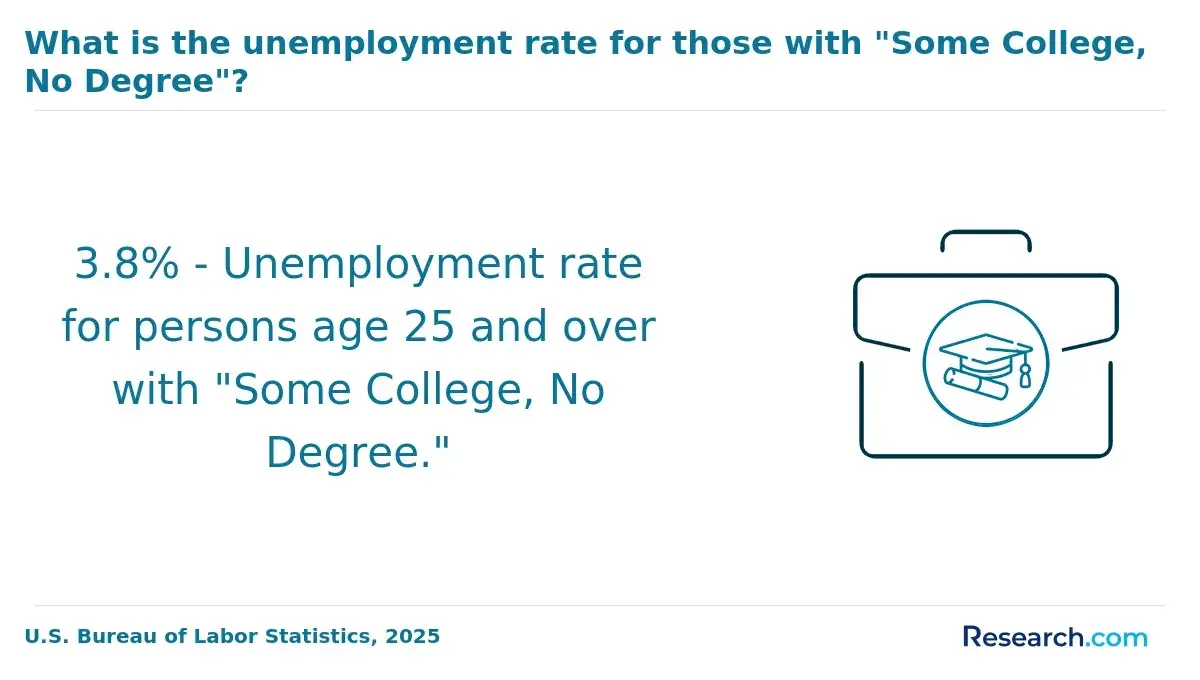
Data from the National Center for Education Statistics shows that about 84% of recent humanities graduates find employment or continue their education within a year of finishing their degree. This indicates that employers appreciate the versatile capabilities humanities graduates bring.
The key factors influencing job prospects include the following considerations:
- Academic Credentials: Employers often focus on a candidate's academic achievements and demonstrated knowledge rather than solely on work history. A completed bachelor's degree proves dedication, discipline, and the ability to learn complex material.
- Foundational Knowledge: Humanities degrees provide essential skills like research, writing, and analytical thinking. These competencies are valuable across industries, especially for roles that require problem-solving and effective communication.
- Entry-Level Assessment: Hiring managers typically evaluate entry-level applicants by their potential to grow, adaptability, and soft skills, not just prior job experience. Demonstrating motivation and relevant academic background can offset limited work history.
- Degree Alignment: Success often depends on how closely a candidate's degree aligns with the job's demands. Graduates with humanities degrees can excel in areas like education, public relations, or cultural organizations where broad intellectual training is respected.
- Workforce Expectations: Employers recognize that recent graduates are building practical experience. The combination of a recognized degree and the ability to showcase critical competencies improves employment chances, even for those new to the workforce.
Certifications provide valuable support for career changers pursuing an online humanities bachelor's degree by reinforcing academic learning and validating expertise in specific areas. They enhance a graduate's qualifications by offering specialized skills that complement formal study.
Notably, research shows over 60% of adult learners engage in certification programs alongside their degree studies to upskill and improve workforce readiness.
The most popular certifications for humanities graduates include:
- Certified Archivist: This credential from the Academy of Certified Archivists is ideal for those focused on historical preservation or library sciences. It aligns with coursework in archival methodology and research ethics, strengthening practical application in these fields.
- Project Management Professional (PMP): While not humanities-specific, PMP certification equips students with project coordination and leadership skills. These capabilities are valuable for managing research projects, exhibitions, and digital humanities initiatives.
- Digital Archives Specialist: Certificates in digital content creation, data curation, and database management offer technical expertise that intersects with humanities studies on cultural preservation and information management, enhancing employability in growing digital sectors.
- Language Proficiency: Certifications like the Test of English as a Foreign Language (TOEFL) and Advanced Placement (AP) language certificates bolster credentials for humanities students concentrating on linguistics or literature, proving language skills recognized by employers.
Nearly 60% of adult learners completing a humanities-related bachelor's reported employment in a new career area within two years. The most popular jobs for humanities graduates include:
- Content Creation: Entry-level careers in humanities fields for career changers often include roles such as content writer or editorial assistant. These positions utilize the degree's emphasis on clear writing, persuasive argumentation, and contextual awareness.
- Nonprofit Roles: Humanities graduates can pursue jobs like program assistant or outreach coordinator, where empathy and organizational skills developed during studies are highly valued in managing community-focused initiatives.
- Education Support: Job opportunities with an online humanities degree for beginners include positions such as teaching assistants or educational program specialists. These roles benefit from graduates' understanding of diverse cultural literacies to enhance curriculum and learner engagement.
- Public Relations and Marketing: Humanities alumni often find opportunities crafting compelling narratives and analyzing audience perspectives, which are key skills for roles in PR and marketing departments.
For professionals also interested in business and leadership growth, exploring an MBA entrepreneurship online may complement humanities skills.
Understanding the job outlook is essential for career changers considering an online humanities bachelor's degree, as labor market conditions greatly influence long-term planning and field selection.
Employment trends reveal that approximately 65% of humanities graduates find work in sectors outside traditional humanities roles within six years of completing their degrees, highlighting a need for versatility.
This opens up diverse opportunities but also underscores the importance of transferable skills that align with evolving workforce demands. Career changers exploring entry-level humanities jobs for career changers can benefit from analyzing these patterns to ensure their educational investments support sustainable career transitions.
Several broad factors shape the job outlook for humanities careers, including shifting industry demand, technological advances, and economic fluctuations. Societal needs such as education, public service, and cultural preservation influence hiring trends, while technology simultaneously automates routine work and increases demand for critical thinking and cultural literacy.
Economic cycles can tighten or expand job availability, but innovation phases often create new roles suitable for humanities graduates. Online humanities programs enhance academic preparation by allowing students to develop interdisciplinary skills and digital literacy, making them more competitive.
Those seeking flexible education paths may also consider online math degrees, which complement humanities skill sets and broaden career options.
Individuals transitioning into a humanities career after earning an online humanities bachelor's degree can anticipate entry-level salaries generally ranging from $40,000 to $55,000 annually. This aligns with median wages reported by the U.S. Bureau of Labor Statistics for fields connected to humanities, including education, writing, and cultural sectors.
Although initial salaries may be modest compared to some technical professions, graduates benefit from adaptable skills suited to diverse roles like public relations, communications, and nonprofit work. For those changing careers, these figures offer a practical estimate of starting income tied to positions demanding critical thinking, research, and effective communication.
Several key elements affect salary potential within humanities careers. Industry demand plays a major part, with stable opportunities often available in education and media, while cultural and nonprofit organizations might have more limited funding.
Location significantly influences pay, as urban centers generally offer higher salaries due to greater demand. Additionally, pursuing advanced degrees can open doors to better-paid or more specialized roles, and prior experience or relevant internships tend to enhance entry-level compensation for career changers compared to those without a related background.
What Graduates Say About Online Humanities Bachelor's Degrees for Career Changers
- Joey: "I decided to pursue an online humanities bachelor's degree because I wanted a flexible way to shift careers without putting my life on hold. The cost was surprisingly reasonable compared to traditional programs, which made this transition financially feasible. This degree expanded my critical thinking and communication skills, which have been invaluable in my new role in nonprofit management."
- Richard: "Reflecting on my experience, choosing an online humanities bachelor's program was a deliberate move to gain a broader cultural perspective that my previous technical background lacked. The affordability really stood out, especially since I could continue working while studying. Now, as a cultural affairs coordinator, I see how this education enriched my ability to connect diverse ideas and people professionally."
- Jon: "From a practical standpoint, enrolling in an online humanities bachelor's degree suited my hectic schedule and career change goals perfectly. The investment was manageable, and the online format meant no commuting, saving me time and money. Professionally, this degree has opened doors to roles in education and communication where my analytical and interpretive skills are highly valued."
Other Things You Should Know About Humanities Degrees
Most reputable online humanities bachelor's degree programs are accredited by regional or national accrediting bodies in the United States. Accreditation ensures that the curriculum meets established academic standards and that employers recognize the degree. Prospective students should verify a program's accreditation status before enrolling to ensure their degree holds value in the job market.
Most programs require a final capstone or senior seminar, usually worth 3 to 6 credits, in the last year of study. Students typically complete a research paper, digital portfolio, or applied project that shows writing, analysis, and independent research skills.
Many online humanities programs accept transfer credits from accredited institutions, especially for general education requirements or introductory humanities courses. Transfer policies vary by school, so students should contact admissions offices to confirm what credits can be applied. Transferring existing credits can shorten the time needed to complete the degree and reduce overall costs.
- Future of Work - Study the Humanities https://www.studythehumanities.org/future_of_work
- Effect of Experience on the Earnings of College Majors https://www.amacad.org/humanities-indicators/workforce/effect-experience-earnings-college-majors
- The Best Online Degrees for Career Change After 30 | National University https://www.nu.edu/blog/best-online-degrees-for-career-change/
- The humanities advantage: Skills that go anywhere – Study Work Grow https://studyworkgrow.com/the-humanities-advantage-skills-that-go-anywhere/
- The Humanities Pathway to Career Success https://nhalliance.org/career-success/
- How studying the humanities can benefit young people’s future careers and wider society? - AHEH https://www.artshumanitieshub.eu/news/studying-humanities-benefit-young-peoples-future-careers-wider-society/
- How to Successfully Shift Your Career with an Online Degree? https://www.onlinecu.in/blog/cu/how-to-successfully-transition-in-your-career-with-an-online-degree-program.php
- Online Degree Programs in Liberal Arts & Humanities | Degrees of Tomorrow https://www.onlineeducation.com/features/degrees-of-tomorrow-liberal-arts
- How to change your career later in life https://online.essex.ac.uk/blog/change-career-later-life/
- How an Online Degree Can Help You Switch Careers in 2025 https://collegevidya.com/blog/how-an-online-degree-can-help-you-switch-careers/


