2027 Most Recession-Resistant Careers You Can Pursue With a Bioinformatics Degree

Co-Founder and Chief Data Scientist
In times of economic downturn, many professionals face layoffs and stalled hiring-yet bioinformatics graduates often encounter a more resilient job market. As healthcare and pharmaceutical sectors rely heavily on data analysis and genetic research, bioinformatics roles have seen a 12% employment growth rate recently, outpacing many other STEM fields.
The constant demand for innovation in personalized medicine and biotechnology strengthens the stability of bioinformatics careers even during recessions.
However, competitiveness requires updating skills in emerging computational methods and interdisciplinary knowledge. This article explores the most recession-resistant bioinformatics career paths and offers strategies to thrive in a fluctuating job market.
Key Points About Recession-Resistant Bioinformatics Careers
- Bioinformatics professionals excel in pharmaceutical research, where demand remains stable due to ongoing drug development and personalized medicine advances.
- Data science roles leveraging bioinformatics skills offer strong job security as healthcare data volumes grow rapidly, supporting critical decision-making processes.
- Government and public health sectors prioritize bioinformatics expertise for pandemic response and disease surveillance—fields with funding largely protected from economic downturns.
What is the employment outlook for graduates of Bioinformatics?
The job market for graduates with a bioinformatics degree shows strong demand driven by rapid growth in biotechnology and data science.
Employment prospects for bioinformatics professionals are positive, with job growth projected at around 15% over the next decade-well above the average for most occupations. Key factors influencing this trend reflect critical needs across healthcare, pharmaceuticals, and genomics.
Below are key reasons explaining the resilient employment outlook for bioinformatics graduates:
- Expanding Genomic Data: The continuous generation of massive genomic datasets requires skilled specialists to analyze and interpret this complex information, fueling job demand.
- Personalized Medicine: Increasing adoption of tailored treatment plans based on genetic profiles creates ongoing opportunities for bioinformatics experts involved in patient-specific research.
- Critical Research Role: Bioinformatics professionals play a vital role in understanding diseases through advanced computational analysis, supporting academic and healthcare sectors.
- Lower Unemployment Rates: Compared to many STEM fields, bioinformatics graduates experience more stable employment due to their specialized skills and cross-industry demand.
Students targeting recession-resistant careers often find that bioinformatics opens pathways in biotech firms, healthcare technology, and research institutions.
For those also exploring cost-effective pathways in health sciences, programs like the cheapest DNP programs offer practical options. The bioinformatics graduate job market trends suggest a promising future for specialists able to bridge biology and computational data analysis.
What are the most recession-resistant careers for Bioinformatics degree graduates?
Certain roles within the field of Bioinformatics and related industries remain naturally shielded from economic downturns due to their essential functions in healthcare and regulatory compliance.
A workforce study found bioinformatics roles connected to clinical and regulatory sectors faced less than a 2% job loss rate during the last recession-much lower than the average for STEM occupations.
Below are five top recession-proof bioinformatics careers to consider for stable, high-demand bioinformatics jobs during economic downturns:
- Clinical Bioinformatics Specialist: These experts analyze genomic data to support hospitals and diagnostic labs, playing a critical role in patient care. Because urgent and ongoing treatment cannot be postponed, demand for this position remains steady regardless of economic conditions.
- Regulatory Affairs Bioinformatics Analyst: Responsible for ensuring pharmaceutical and biotech products meet government regulations, these analysts are indispensable. Regulatory compliance is mandatory, and non-compliance can cause costly delays, making these positions highly secure during recessions.
- Pharmacogenomics Data Scientist: By personalizing medicine using genetic data, these scientists directly influence therapy effectiveness and reduce drug development costs. Increasing focus on precision medicine secures continued investment and job stability in this field.
- Public Health Bioinformatics Researcher: These professionals monitor and control infectious diseases through large-scale genomic data analysis. Public health priorities and funding often rise during economic downturns to prevent outbreaks, supporting sustained roles.
- Biotech Intellectual Property Analyst: Specializing in patent analysis to protect innovations, these analysts safeguard vital revenue streams. The high costs and strategic importance of intellectual property ensure these jobs remain essential even when budgets tighten.
For students exploring career options, focusing on these recession-resistant roles offers a pragmatic path to both economic stability and professional growth. Those interested in related healthcare fields might also explore affordable RN to BSN online programs for further career flexibility and opportunities.
In which industries can Bioinformatics degree holders find work?
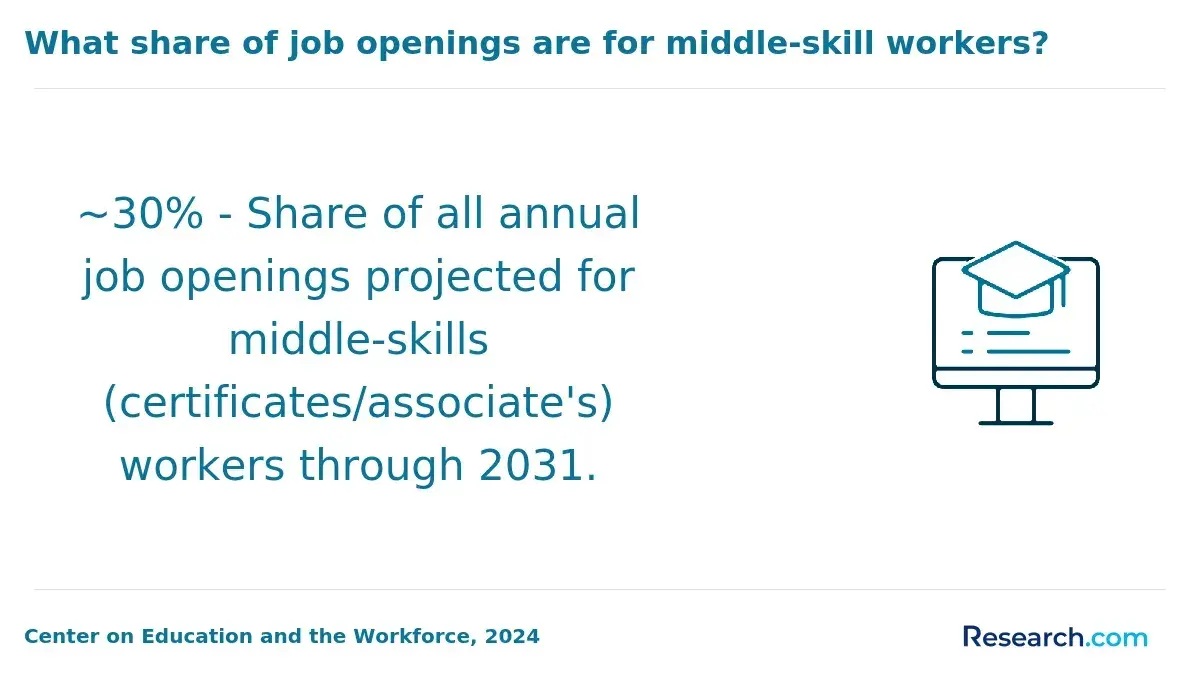
Graduates with a bioinformatics degree have the flexibility to work beyond traditional bioinformatics roles, moving into diverse industries where their analytical and computational skills are crucial. Employment in these fields is expected to expand by more than 12%, reflecting the growing importance of bioinformatics in various sectors.
The following highlights key industries where bioinformatics expertise is highly valued:
- Healthcare: Bioinformatics professionals support personalized medicine, genomics research, and molecular diagnostics, helping develop targeted treatments and improve patient care. Positions include clinical bioinformatician and computational biologist, vital for advancing medical innovations.
- Pharmaceuticals and Biotechnology: These industries utilize bioinformatics to streamline drug discovery, analyze clinical trial data, and identify potential drug candidates. Roles such as drug development analyst and bioinformatics scientist are common and offer sustained opportunities due to ongoing research investments.
- Agriculture and Environment: Specialists apply bioinformatics to improve crop genetics, track ecosystems, and promote sustainability. Jobs like computational genomics specialist and environmental data analyst support projects addressing climate change and food security challenges.
- Public Health and Epidemiology: Bioinformatics aids in disease monitoring, outbreak forecasting, and vaccine development. Analysts and modelers in this field contribute critical data insights during health emergencies and influence public health decisions.
A professional who earned a bioinformatics degree online shared their journey navigating career options across these industries. Initially overwhelmed by the variety of paths, they emphasized how the program's focus on real-world data analysis prepared them to adapt quickly.
"Transitioning from academic projects to real datasets was challenging," they noted, "but gaining hands-on experience in different sectors helped me discover where my skills fit best."
They also highlighted the importance of staying current with evolving technologies to remain competitive and expressed enthusiasm about contributing to impactful solutions in multiple fields.
Bioinformatics roles in the public sector tend to offer greater job stability than those in the private sector, largely due to steady funding from government programs and long-term grants. These positions face fewer layoffs during economic downturns, with studies showing only minor reductions in workforce compared to private companies.
Public sector jobs often provide structured career growth, such as tenure-track or research-focused opportunities, making them appealing for individuals seeking consistent employment.
Conversely, private sector bioinformatics positions, found in pharmaceutical firms or startups, can be more susceptible to market fluctuations and budget cuts. While these roles may have less job security during recessions, they frequently offer faster career progression and higher pay.
The private sector's dynamic environment encourages diverse skill application and involvement in innovative projects, which can boost adaptability and career mobility.
Choosing between these paths depends on one's tolerance for risk and career priorities. Those valuing stability and incremental advancement might favor public sector roles, while graduates aiming for rapid growth and financial rewards may opt for private companies despite potential volatility.
Assessing personal goals helps guide bioinformatics graduates toward the best fit for their recession resilience and professional development needs.
Geographic location significantly impacts job stability for bioinformatics graduates, as certain areas serve as key industry centers. The following states offer particularly strong prospects for recession-resistant careers in this field.
- California: With its concentration of technology firms and leading research institutions-especially in Silicon Valley and the San Francisco Bay Area-California boasts a thriving bioinformatics sector. The state is home to numerous companies focused on genomics, pharmaceuticals, and personalized medicine.
- Massachusetts: The Boston area's dense network of top universities and medical research centers drives innovation in bioinformatics, particularly in drug discovery and clinical studies. The state's robust biotechnology industry provides steady employment, even amid economic downturns.
- Maryland: Proximity to federal research agencies such as the National Institutes of Health and the Food and Drug Administration underpins Maryland's strong bioinformatics job market. Government funding and a growing life sciences ecosystem ensure resilient career options in public health genomics and regulatory science.
Employment growth in these states outpaces national averages by about 20%, particularly in sectors less vulnerable to recessions-making them attractive locations for those seeking lasting career security in bioinformatics.
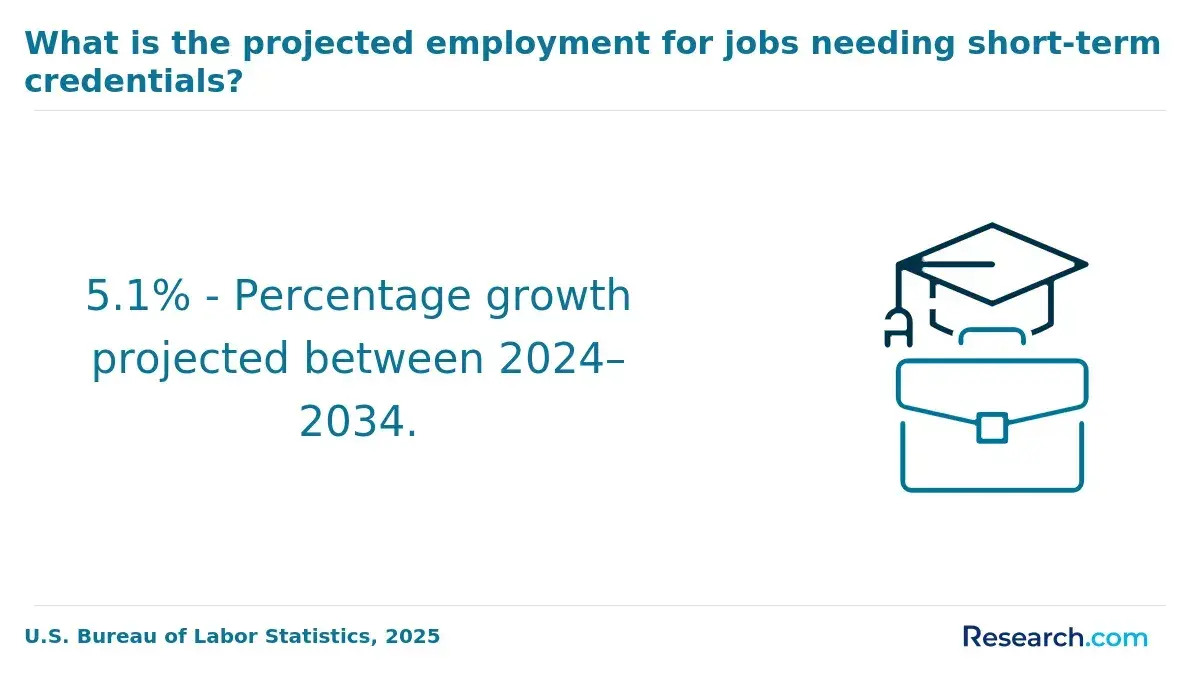
Post-graduate credentials and continuing education can act as a layoff shield by validating specialized, high-demand expertise in bioinformatics. Market data shows that bioinformatics roles with specialized certifications experience up to a 20% lower unemployment rate during recessions compared to non-certified peers.
Below are some top certifications to make bioinformatics careers recession-proof:
- Certified Bioinformatics Professional (CBP): This credential, offered by recognized industry bodies, demonstrates mastery in managing biological data analysis pipelines and interpreting genomic information-skills essential for pharmaceutical research and personalized medicine roles.
- Certified Data Scientist (CDS): With a specialization in bioinformatics, this certification reflects the increasing importance of big data applications in healthcare and biotech sectors. Professionals holding this qualification often work in large-scale data modeling and predictive analytics within tech-driven research environments.
- Regulatory Affairs Certification (RAC): Relevant for bioinformaticians involved in clinical trials and medical device development, this certification equips individuals with knowledge of compliance and regulatory frameworks-a growing, niche field resilient during economic downturns due to strict healthcare regulations.
- Amazon Web Services (AWS) Certified Solutions Architect: Specializing in bioinformatics workflows, this certification highlights proficiency in cloud computing platforms. Cloud-based genomic data services are expanding rapidly, and employers value candidates who can design and manage scalable, secure bioinformatics pipelines in the cloud.
Investing in these certifications enhances job security in precision medicine, biotech, and healthcare analytics sectors.
For prospective students interested in expanding their healthcare career possibilities, combining bioinformatics expertise with certifications can open new pathways, similar to how an MA to LPN transition offers advancement opportunities.
Pursuing bioinformatics certification programs for job security is a strategic approach to building a resilient and adaptive career.
Consistently enhancing skill sets is vital for professionals aiming to remain indispensable during company reorganizations driven by economic challenges. Developing a diverse range of competencies supports greater adaptability and resilience.
Below are five key skills that can significantly increase job security for bioinformatics graduates:
- Programming and Software Development: Expertise in languages like Python, R, and Java enables professionals to engage in data analysis, software pipeline creation, and tool development-skill areas that remain in steady demand across various sectors.
- Data Science and Machine Learning: Knowledge of advanced analytics, including artificial intelligence techniques, aligns bioinformatics roles with the forefront of genomic research and medical innovation, boosting employability in cutting-edge fields.
- Statistical Analysis and Quantitative Modeling: Deep understanding of biostatistics facilitates evidence-based decision-making essential for pharmaceuticals, healthcare initiatives, and government-backed projects, thereby expanding career options.
- Cloud Computing and Data Management: Proficiency in handling extensive genomic datasets on platforms such as AWS or Google Cloud is increasingly sought after as data volumes scale, ensuring professionals remain critical to data-driven operations.
- Communication and Interdisciplinary Collaboration: The ability to clearly convey complex biological insights to diverse stakeholders enhances versatility and opens opportunities beyond purely technical roles, critical in multidisciplinary environments.
Many employers value candidates with multifaceted expertise, especially those who combine bioinformatics skills for job security with advanced analytical areas.
Pursuing essential certifications for bioinformatics graduates can further solidify this advantage. To complement skill development, learners might explore options at self paced colleges that accommodate continuous upskilling.
Such comprehensive skill sets empower bioinformatics graduates to transition smoothly into allied domains like computational biology, pharmaceutical R&D, and healthcare informatics, making them more flexible and recession-resistant contributors in both research and industry settings.
School prestige often plays a notable role in securing stable jobs for bioinformatics graduates. Employers may favor candidates from well-known institutions, associating them with rigorous training and higher-quality research experience.
This perception can offer an initial advantage in competitive fields, particularly those resilient to economic downturns.
Graduating from a reputable school can also open doors to valuable networking opportunities.
Alumni connections and on-campus recruiting options frequently give graduates access to better job prospects and internships, which are critical in the data-driven bioinformatics industry. These networks may provide a crucial edge in finding roles that offer long-term stability.
However, graduates from any accredited bioinformatics program can maintain competitiveness through demonstrated skills and proven performance. Practical experience, continuous learning, and a strong portfolio often outweigh institutional prestige over time, allowing dedicated professionals to thrive regardless of their alma mater.
Proactive career preparation helps bioinformatics students align their academic knowledge with the evolving demands of the industry-boosting their employability and job stability. The following strategies focus on building essential skills and experiences that meet employer expectations.
- Industry Internships: Pursue internships or cooperative education opportunities that expose you to real-world bioinformatics tools and datasets, giving you hands-on experience directly relevant to your future career.
- Competitive Events: Join hackathons and coding challenges centered around genomics and proteomics to enhance your problem-solving abilities while working under pressure, a trait valued by employers.
- Open-Source Contributions: Get involved with open-source bioinformatics projects or assist with published research to demonstrate your commitment to teamwork and innovation outside the classroom.
- Technical Skill Development: Master key programming languages like Python, R, and SQL, and build familiarity with cloud computing platforms that are increasingly used in data-driven biology.
- Interdisciplinary Collaboration: Engage in projects that combine biology, computer science, and statistics to reflect the collaborative environment you'll encounter in professional roles.
When asked how bioinformatics students can stay competitive in today's job market, a professional who completed an online bioinformatics bachelor's shared that balancing coursework with self-directed projects was critical.
"It wasn't just about getting good grades," he explained, "but constantly pushing myself to apply what I learned to real datasets and collaborating with peers from different backgrounds." He described moments of frustration trying to integrate coding skills with biological concepts but emphasized that persistence paid off.
This approach, he said, gave him confidence and concrete examples to discuss in interviews, ultimately making his job search more successful.
Recession-resistant careers in bioinformatics offer competitive salaries that usually exceed national averages in technical fields. Entry-level bioinformatics professionals in healthcare, pharmaceuticals, and biotechnology typically earn starting salaries near $85,000 annually.
Experienced specialists often see median incomes above $120,000, reflecting demand for their skills in data-centric roles during economic downturns. This strong earning potential highlights why high-paying bioinformatics jobs during economic downturns remain attractive despite market fluctuations.
Certain bioinformatics roles, such as regulatory affairs and clinical data analysis, provide stable employment with lucrative compensation packages, including significant bonuses for expertise in areas like machine learning and genomics.
Though some positions may offer steadier but lower pay, they maintain resilience against recession risks, making them appealing for long-term career planning. Professionals with advanced certifications or specialized skills benefit from enhanced financial prospects throughout their careers.
Income in bioinformatics can vary widely depending on industry, company size, location, and credentials earned over time. The long-term return on investment for a bioinformatics degree remains strong, as graduates build multiple income streams and reduce unemployment risk in volatile markets.
Students interested in these stable, data-driven careers should also explore related educational pathways such as ADN to NP programs online to broaden their qualifications and increase opportunities.
What Graduates Say About Their Career After Getting a Degree in Bioinformatics
- Alfonso: "Choosing to study bioinformatics was driven by my passion for both biology and data science. The degree equipped me with a unique set of analytical and computational skills that are highly sought-after in today's job market. Thanks to this foundation, I've secured a position in a stable pharmaceutical research company where my expertise continues to grow despite economic fluctuations."
- Khaled: "Reflecting on my career path, pursuing a bioinformatics degree was a strategic choice in a world increasingly dependent on big data and technology-driven healthcare. This education prepared me with versatile problem-solving skills and an understanding of complex biological data, helping me land a recession-resistant role in genomic data analysis. The adaptability I gained has been invaluable in navigating shifts within the industry."
- Renee: "My bioinformatics degree opened doors to a field that blends innovation with security. The comprehensive training I received has empowered me to contribute meaningfully in biotech firms, where stability is key. What stands out most is how well-prepared I felt entering the workforce, which gave me confidence and a significant advantage in maintaining a recession-proof career."
Other Things You Should Know About Bioinformatics Degrees
Certifications in cloud computing, data science, and clinical informatics strengthen a bioinformatics degree for stable roles. Employers often value AWS, Google Cloud, and HL7/FHIR knowledge for data-heavy work. For regulated life-science jobs, training aligned with FDA and CLIA standards can also improve hiring prospects.
Bioinformatics combines biology, computer science, and statistics, enabling professionals to work across multiple industries. This interdisciplinary skill set allows workers to adapt to shifts in demand, moving between sectors such as genomics, agriculture, and personalized medicine. Such flexibility protects bioinformatics graduates from job losses by expanding the scope of employment opportunities.
Continuous education is crucial for career stability in bioinformatics due to rapid technological advancements. Staying updated with new algorithms, software tools, and database systems allows professionals to remain competitive and valuable to employers. Those who engage in lifelong learning are better positioned to transition into evolving roles and maintain job security during recessions.
- Bioinformatics Job Trends, Salaries & Related Skills https://www.itjobswatch.co.uk/jobs/uk/bioinformatics.do
- Bioinformatics Jobs - The Bioinformatics CRO https://www.bioinformaticscro.com/bioinformatics-jobs/
- Why Are Bioinformatics Jobs Crucial Within Biometrics? https://www.warmanobrien.com/resources/blog/why-are-bioinformatics-jobs-crucial-within-biometrics-/
- Executive Search and Outplacement Services for the Engineering, Architecture, Construction, and Manufacturing Industries https://www.davron.net/recession-proof-skills-2026/
- Career Path for Bioinformatics Job Roles in 2026 - Bversity https://bversity.io/blog/career-path-for-bioinformatics-job-roles-in-2026
- 10 skills every bioinformatician should master https://blogs.cranfield.ac.uk/agrifood/10-skills-every-bioinformatician-master/
- Best Recession Proof Degrees https://www.academicinfo.net/educational-resources/best_recession_proof_degrees/
- Govt vs. Private Sector Biotech Jobs: Which Offers Better Careers in Biotech? https://www.biotecnika.org/2025/07/govt-vs-private-sector-which-offers-better-careers-in-biotech/
- How much do bioinformaticians earn? https://www.academics.com/guide/bioinformatician-salary
- Careers in Bioinformatics - Zetta Genomics https://zettagenomics.com/careers-in-bioinformatics/