2027 Bioinformatics Degree vs Bootcamp vs Certificate: Which Path Leads to Better Career Outcomes?

Co-Founder and Chief Data Scientist
Choosing between a bioinformatics degree, bootcamp, or certificate can perplex many aspiring professionals-each option varies significantly in salary outcomes, employer preferences, and career growth potential. For example, research shows that degree holders often earn 20% more on average than bootcamp graduates within five years of entering the workforce. Employers frequently prioritize degrees for advanced roles, yet bootcamps and certificates offer quicker entry and targeted skills.
Networking opportunities and job placement rates also differ, influencing return on investment and long-term advancement. This article explores these factors-providing an evidence-based comparison to guide learners toward the best path for their goals and profiles.
Key Things to Know About Which Path Leads to Better Career Outcomes: Bioinformatics Degree, Bootcamp, or Certificate
- Bioinformatics degree holders typically earn 20% higher salaries-employers favor comprehensive credentials for advanced roles demanding deep technical expertise and research experience.
- Bootcamps offer faster job placements-often within six months-but have mixed employer recognition and limited networking compared to traditional degree programs.
- Certificates provide strong ROI for working professionals-enabling skill updates without full degrees-and suit learners balancing education with existing careers or part-time study.
How Does Bioinformatics Degree Compare to Bootcamps and Certificates in Total Program Cost and Time to Completion?
Prospective students choosing a path in bioinformatics face a significant trade-off between committing to a multi-year degree or opting for a faster, lower-cost route via bootcamps or professional certificates-each appealing to different learner profiles and career goals. Traditional bioinformatics degrees, offered as bachelor's or associate's programs, require 2 to 4 years of full-time study, with part-time options extending this timeframe. Data from the National Center for Education Statistics (NCES) and the Integrated Postsecondary Education Data System (IPEDS) indicate that tuition and fees at public institutions for in-state students range from $7,000 to $15,000 annually, bringing total program costs between $14,000 and $60,000, depending on school and residency. These programs deliver a broad curriculum spanning biology, computer science, and statistics, alongside formal academic recognition.
Bootcamps provide an immersive alternative lasting from 8 to 26 weeks, designed to quickly build job-ready skills in coding, data analysis, and relevant technologies. Typically full-time but occasionally offered part-time, bootcamps cost between $10,000 and $20,000 on average, according to review sites like SwitchUp and Course Report. Their intensive format demands a concentrated time commitment but often lacks formal academic credit. Comparing bootcamp and degree timelines and expenses highlights how bootcamps serve learners seeking efficiency and affordability without a full degree commitment, as reflected in bioinformatics program cost comparison and completion time data.
Professional certificates-available through platforms like Coursera and Google-offer flexible, self-paced or instructor-led courses that range over a few weeks to months, costing roughly $300 to $3,000. These certificates target specific competencies and fit well for working professionals or career changers needing accessible skill development within budget and time constraints. This pathway complements degrees or bootcamps rather than replacing them.
- Time to Completion: Degrees take 2-4 years full-time; bootcamps span 2-6 months; certificates vary from weeks to several months.
- Total Cost: Degrees range from $14,000 to over $60,000; bootcamps generally cost $10,000-$20,000; certificates typically fall between $300 and $3,000.
- Learning Format: Degrees provide comprehensive curricula with accreditation; bootcamps focus on rapid, skill-intensive training; certificates offer targeted knowledge with flexible pacing.
While this overview captures the core bioinformatics program cost comparison and completion time factors, important considerations include salary outcomes, employer preferences, job placement rates, and networking opportunities. These elements, alongside the diverse fit for varying learner needs, influence long-term career growth and return on investment.
Those seeking alternatives in education might also explore nursing programs easy to get into, demonstrating how varied paths cater to distinct professional goals.
What Career Outcomes Can Bioinformatics Degree Graduates Expect Compared to Bootcamp and Certificate Completers?
Data from the Bureau of Labor Statistics (BLS), the NACE Early Career Salary Survey, and bootcamp reports reveal nuanced career outcomes for bioinformatics degree graduates compared with bootcamp and certificate completers. These differences reflect evolving employer preferences and the varying value of credentials in hiring.
- Employment Rate: Bioinformatics degree holders typically experience employment rates above 80% within six months of graduation, according to BLS data. Bootcamp graduates report lower but respectable rates between 65% and 75%, per Course Report outcomes. Certificate completers have more variable placements influenced by program reputation and networking support.
- Median Starting Salary: Degree graduates command median starting salaries around $65,000 to $75,000, showcasing the technical rigor involved. Bootcamp alumni see entry pay near $50,000 to $60,000, varying by location and program quality. Certificate holders often earn between $45,000 and $55,000, balancing shorter training with initial compensation.
- Job Title Level at First Placement: Degree holders typically begin in roles such as Bioinformatics Analyst or Research Scientist. Bootcamp completers tend to enter as Data Technicians or Junior Analysts, while certificate holders often start in supporting jobs that may require on-the-job training for growth.
- Employer Preferences and Trends: While degrees remain highly valued-especially at research institutions-employers increasingly appreciate practical skills demonstrated through portfolios and coding projects. This trend benefits bootcamp and certificate completers by narrowing outcome gaps in technical fields.
- Data Reliability: Outcome data from bootcamps is often self-reported and may suffer from survivorship bias or selective disclosure. Prospective students should seek independently audited data or programs verified by the Council on Integrity in Results Reporting (CIRR) to ensure reliability.
- Factors Beyond Credentials: Career success depends on portfolio quality, networking, market conditions, and industry focus-all factors that interact with credentials to shape long-term outcomes.
Readers exploring employment outcomes for bioinformatics degree versus bootcamp and certificate holders should view credentials as part of a broader career strategy. For different learner profiles, including recent high school graduates and working adults, understanding how each pathway aligns with personal goals is critical. Those considering supplemental certifications or shorter programs can also explore resources such as the cheapest accelerated nursing programs to compare alternative accelerated pathways in related fields.
Which Bioinformatics Pathway - Degree, Bootcamp, or Certificate - Offers the Highest Starting Salary for Graduates?
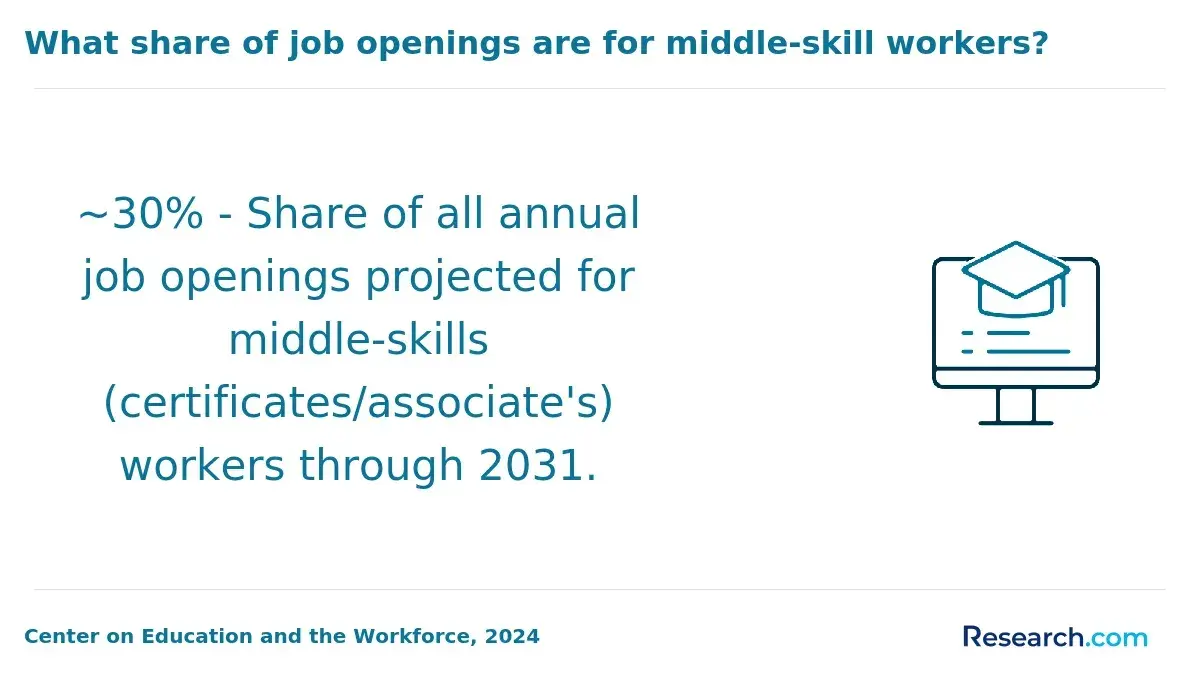
Entry-level salaries for bioinformatics professionals vary notably depending on educational background, employer type, and location. Graduates holding bachelor's or master's degrees in bioinformatics or related fields generally earn the highest starting wages-median salaries typically fall between $65,000 and $85,000 per year. Large companies in pharmaceuticals, biotechnology, and research institutions tend to prioritize formal degrees, rewarding candidates for their technical depth and theoretical knowledge.
Those completing intensive bootcamps usually start with median salaries between $55,000 and $70,000. While bootcamps emphasize practical skills and provide quicker workforce entry, many employers reserve senior or management roles for degree holders. Bootcamp alumni find especially strong opportunities in startups and smaller firms that value hands-on experience over formal credentials.
Certificate holders, whether supplementing degrees or as primary qualifications, see starting pay often in the $50,000 to $65,000 range. Certificates enhance specific skill sets but rarely match the salary advantages conferred by degrees.
- Employer Type: Established enterprises offer higher pay and often require degrees for specialized titles like Bioinformatics Scientist, whereas startups may offer comparable salaries for bootcamp or certificate graduates in analyst or technician roles.
- Geographic Influence: Salaries rise in metropolitan regions with higher living costs across all credential groups, yet degree holders tend to experience faster salary growth over time.
- Salary Trajectory: Degree holders progress more rapidly to higher-paying positions, supported by credential requirements for promotions and specialized career tracks.
- Contextual Variables: Job title, industry sector, and employer preferences frequently have greater impact on salary than credentials alone.
- Individual Factors: Prior experience, niche specializations-such as genomics or machine learning-program rigor, and geographic flexibility significantly influence actual compensation.
A bioinformatics professional who earned a bachelor's degree shared that navigating the degree program's academic rigor initially felt overwhelming, noting the challenge of mastering both biology and computer science concepts simultaneously. However, the structured curriculum and access to research opportunities ultimately provided a solid foundation that employers recognized. He observed, "Despite the demanding coursework, the degree opened doors to positions I wouldn't have qualified for otherwise. The feeling of securing a role with a competitive salary confirmed that the effort was worthwhile." This perspective highlights how formal education can set the stage for both initial earning potential and long-term career advancement.
Employer preferences for bioinformatics degree versus bootcamp credentials vary significantly across sectors and organizational types. In industries with strict regulations-such as pharmaceuticals, government research, and large enterprises-a formal degree in bioinformatics or a related STEM field remains a predominant screening criterion, primarily due to compliance requirements and the technical complexity of roles. These entities tend to favor candidates with accredited academic backgrounds that demonstrate comprehensive theoretical knowledge.
By contrast, tech-savvy startups and consulting firms increasingly adopt skills-based hiring practices, valuing portfolios and proven hands-on abilities alongside or even above formal degrees. This shift reflects a focus on adaptability and real-world project experience, which can sometimes offset the lack of traditional credentials.
Market research including LinkedIn Talent Insights and SHRM hiring surveys indicates that while initiatives from major technology companies and government agencies promote skills-centered evaluations, actual hiring outcomes in bioinformatics have not yet drastically changed-degrees still dominate especially for senior or specialized roles.
For candidates without degrees, assembling a strong project portfolio enhances competitiveness within less regulated fields by illustrating applied knowledge beyond what certificates or bootcamp training cover. Those exploring career transitions or flexible study paths are advised to consider options like accelerated programs for career changers that can blend academic rigor with practical skills.
Admission to accredited bioinformatics degree programs typically demands a solid academic record, often with a minimum GPA near 3.0. Applicants must generally complete prerequisite courses in biology, computer science, math, and chemistry to ensure adequate preparation. Many programs also require standardized test scores, such as the GRE, alongside letters of recommendation and personal statements that reflect research potential. These applications adhere to strict deadlines aligned with the academic calendar, sometimes months ahead of the semester start.
Bioinformatics bootcamps and certificate programs, by comparison, impose much lighter admission criteria-often none beyond basic technical skills or a high school diploma. Open enrollment is common, enabling wider access for those without formal backgrounds. Certificates may request some foundational knowledge but rarely demand specific coursework or testing. These programs prioritize motivation and the ability to engage with the curriculum over prior academic achievements.
Admission Selectivity: Competitive admissions for degree programs act as both gatekeepers and indicators of quality, reassuring employers about candidate readiness. Bootcamps and certificates, lacking selective screening, must demonstrate value through job placement success, instructor qualifications, curriculum strength, and accreditation status.
Access and Equity: Low barriers in bootcamps and certificates broaden opportunities for career changers, working adults, and underrepresented groups who confront financial, geographic, or scheduling challenges that traditional degrees can exacerbate.
Considerations for Applicants: Evaluating personal academic history, time constraints, and career goals is crucial. Where degree admissions may be a meaningful quality check, they can also represent structural hurdles, making alternative pathways more viable for many.
A professional who built her career after completing a bioinformatics bootcamp shared that while she faced no formal admission hurdles, staying motivated without the structured admissions process was challenging. She appreciated the bootcamp's flexible schedule, which accommodated her full-time job and family needs, but noted that the lack of selectivity meant she had to rely heavily on self-discipline and external validation like project completions and instructor support to stay on track. Her experience highlights how different pathways require distinct commitments and strengths beyond just gaining entry.
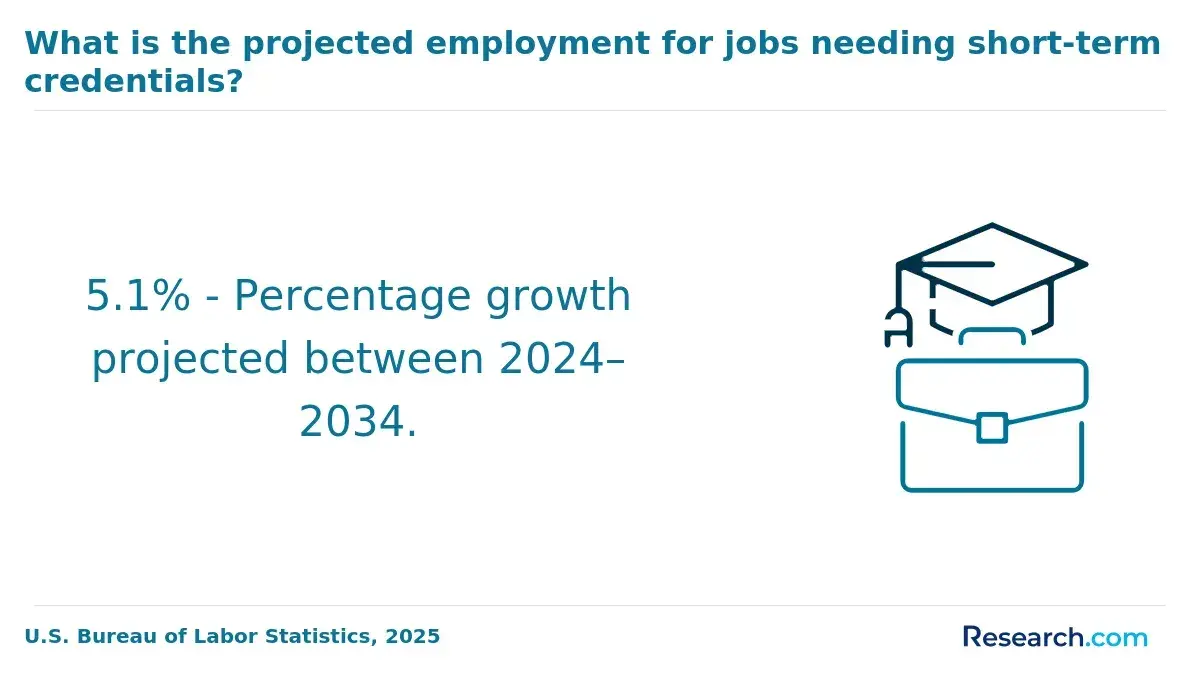
The curriculum content and structure differ significantly among bioinformatics degree programs, bootcamps, and certificate offerings, each reflecting distinct educational aims and time commitments.
- Degree Programs: These typically combine broad general education-covering communication skills, mathematics, and life sciences-with focused core classes in bioinformatics, computer science, and statistics. Students often select electives to deepen expertise in areas like genomics or systems biology. Research projects or a thesis are common, helping develop analytical thinking, experimental design, and scientific communication. This comprehensive approach fosters foundational knowledge and adaptability for long-term career growth, though it usually requires more time before job entry compared to alternative paths.
- Bootcamps: Designed as short, intensive courses spanning weeks to a few months, bootcamps center on skill acquisition through practical, project-based learning with real-world datasets. Their curriculum emphasizes immediate job-ready skills such as programming in Python or R and constructing data analysis pipelines. While effective in delivering applied competencies quickly, they tend to omit deep theoretical understanding, biology fundamentals, and extensive research experience inherent to degree programs. This makes bootcamps suitable for those seeking rapid transition into technical roles but less so for research-focused or theory-intensive positions.
- Certificate Programs: These vary broadly from introductory credentials on platforms like Coursera and Google that teach essential concepts, to advanced professional certifications issued by industry bodies validating specialized skills. Entry-level certificates often appeal to beginners or career changers aiming to supplement existing knowledge but generally lack extensive theory and project work. Advanced certificates target niche expertise or regulatory awareness. The value of certificates in the job market depends largely on previous experience, employer recognition, and credential rigor-serving as either a preliminary credential or a specialized supplement rather than a full-degree alternative.
Calculating the return on investment (ROI) for bioinformatics education requires considering both direct costs-such as tuition, fees, and materials-and the often-overlooked opportunity cost of forgone income during enrollment. Opportunity cost refers to the salary students miss out on while studying instead of working, making long degree programs-typically two to four years-significantly more expensive beyond tuition alone. Shorter pathways like bootcamps or certificate programs usually have lower opportunity costs, influencing their ROI profiles.
Below are ROI insights based on three learner profiles, using data from the NCES, NACE salary benchmarks, and bootcamp outcome reports. The ROIs reflect total program costs minus cumulative salary premiums linked to each credential over five- and ten-year post-completion horizons:
- Recent High School Graduate: With no prior income to forgo, traditional degree programs-despite high upfront costs-often deliver the strongest long-term ROI due to significant salary increases after graduation. Bootcamps and certificates allow quicker workforce entry but tend to offer smaller salary premiums, limiting long-term financial gains.
- Mid-Career Professional Leaving a $50,000 Job: Here, opportunity costs heavily reduce the ROI of multi-year degrees in short- and medium-term windows. Bootcamps, with lower fees and rapid completion, frequently provide faster salary boosts that help recoup costs sooner, producing a quicker positive ROI.
- Part-Time Learner Maintaining Employment: Since these learners do not lose income while studying, part-time degrees or certificate programs-which are often more affordable and flexible-tend to maximize ROI. Bootcamps may be less suitable due to their intensive schedules but can still be beneficial for some.
It is important to recognize that ROI varies widely depending on individual circumstances-not just credential type. A pathway with a lower five-year ROI might still be ideal for learners prioritizing deep expertise, specialized fields, or employer-required degrees. This nuanced perspective helps candidates make evidence-based choices aligned with career goals and personal situations.
When comparing job placement rates for bioinformatics bootcamp job placement rates compared to degree programs, understanding the source and definition of these figures is crucial. Degree programs typically report placement data via institutional career services reports or IPEDS graduate outcomes surveys-both of which follow strict auditing standards and focus on employment in roles directly related to the graduate's field. These figures offer a clearer, long-term picture of career integration post-graduation.
- Bootcamp Statistics: Many bootcamps share self-reported placement rates, with some participating in independently audited CIRR initiatives. However, "placement" can vary-some bootcamps include any tech-adjacent employment, freelance gigs, or internships as successful outcomes, which can inflate rates compared to traditional programs.
- Degree Program Data: Placement rates for bioinformatics degree programs generally reflect graduates securing roles closely tied to their studies, like computational biologist or research analyst positions. These tend to come from standardized institutional surveys, lending more consistency but sometimes slower updates.
- Certificate Program Outcomes: Certificate programs versus bioinformatics degree job outcomes often show less centralized data, relying on smaller surveys or alumni feedback. While certificates can improve employability, reported rates might not fully show long-term job stability or growth in bioinformatics.
- Career Services Quality: Strong career support-such as employer partnerships, resume workshops, mock interviews, and alumni networks-can significantly boost placement across all pathways. Prospective students should consider these resources carefully when choosing a program.
- Benchmarking and Transparency: Comparing placement claims against industry averages helps with realistic judgments. Requesting placement data broken down by job type, salary, and time-to-placement is important to understand return on investment. For example, exploring reputable sources or programs like online ASN can offer insight into data transparency.
Networking advantages in bioinformatics degree programs often provide the strongest foundation for long-term career growth. These programs typically feature comprehensive alumni associations that maintain active engagement, regular career fairs connecting students with employers, and faculty who serve as mentors leveraging their industry and research ties. Participation in Greek life or professional societies further broadens peer and professional circles. The prestige and geographic footprint of the institution significantly influence the reach and impact of these networks-graduates from well-known universities access broader connections, including multinational companies and leading research centers, which enhance senior-level career opportunities.
- Degree Programs: These offer diverse and well-established networking infrastructures, building sustained relationships that frequently surpass curricular benefits, which is critical for professional advancement in bioinformatics fields.
- Bootcamps: The cohort model fosters tight peer bonds and growing alumni communities that emphasize active referral networks, often aligning with technology-focused hiring needs. Clinics with solid employer partnerships help participants enter biotech startups and firms seeking specialized tech expertise. Though smaller and younger, these networks effectively support employment outcomes and can be key supplements for those looking to pivot quickly into bioinformatics roles.
- Certificate Programs: Networks here depend crucially on the reputation of the credential provider. Programs tied to major platforms or industry associations form online communities and mentorship frameworks but often lack the direct, sustained access to hiring managers and alumni typical of degree programs. These certificates serve best when complemented by broader networking strategies, especially for individuals seeking supplemental credentials rather than a primary career path.
Recent graduates and adult learners weighing options for bioinformatics career entry should consider how alumni access benefits in bioinformatics bootcamps versus certificates differ substantially in scale and depth. Strong, accredited degree programs remain unmatched for comprehensive networks that accelerate senior tenure, while bootcamps provide nimble, focused connections particularly relevant for technology-adjacent roles.
For those exploring flexible paths, including part-time study or upskilling, the role of networking takes on heightened importance alongside salary outcomes and job placement rates. The balance between return on investment and employer credential preferences highlights the nuances across pathways.
Additional insights for related programs can be found in resources such as the easiest RN to BSN online programs guide, which showcases how networking advantages similarly influence outcomes in different fields.
Geographic differences strongly influence which bioinformatics education path-degree, bootcamp, or certificate-yields the best career results. Major technology hubs like San Francisco, Boston, and Seattle favor traditional degrees, offering higher salaries and more job openings due to employers' preference for established credentials. Meanwhile, many bootcamps cluster in these urban centers, benefiting from robust local job markets that boost graduate placement rates.
- Bootcamp Clustering: Programs based in metropolitan areas gain from proximity to numerous employers, improving local job prospects for graduates, while those relocating away from the bootcamp's city may see decreased placement success.
- Regional Differences: In mid-sized cities, degrees carry greater recognition, but bootcamps and certificates often allow quicker, lower-cost entry into the field, especially where employers are less familiar with alternative credentials.
- Smaller Markets: Rural and less populated regions typically offer fewer opportunities overall; however, employers here often prioritize comprehensive degrees when seeking scarce bioinformatics expertise.
- Remote Work Trends: The growth of remote roles narrows geographic disparities, enabling candidates with any credential to compete for salaries aligned with large metros-though this also raises competition nationwide.
Recent data from Course Report found bootcamp graduates who stay in their study city experience employment rates up to 30% higher within six months than those who relocate, emphasizing how local conditions and employer networks are crucial factors when choosing the right educational path.
Large enterprises and government bodies typically enforce degree requirements as a primary filter to manage numerous applicants and verify foundational expertise. These organizations rely heavily on formal bachelor's or master's degrees during initial screenings. Startups and agencies emphasize practical abilities-prioritizing portfolios, coding tests, and applied project results over formal credentials. Candidates with bootcamp or professional certificates, coupled with proven technical skills, often compete effectively in these settings.
Post-2020 Trends: Although many major employers officially removed degree mandates from job listings after 2020, hiring data reveals degrees still dominate the profiles of newly hired professionals at large firms. That said, the presence of bootcamp and certificate holders is gradually increasing, especially for roles demanding software development and applied data science skills.
Role-Specific Preferences: Positions rooted in research or regulatory compliance maintain strong degree favoritism, while jobs oriented toward software engineering or data management show more openness to alternative credentials.
Research Strategies for Candidates: Applicants should complement published preferences by conducting informational interviews with hiring managers and scrutinizing LinkedIn profiles of recent hires in desired roles. This offers a realistic view of credential trends and sharpens application tactics.
This evidence-based synthesis-drawing on LinkedIn Talent Insights, SHRM surveys, Indeed research, and employer statements-helps job seekers align their educational choices with actual industry hiring patterns, balancing degrees, bootcamps, and certificates according to employer expectations and career goals.
What Graduates Say About Which Path Leads to Better Career Outcomes: Bioinformatics Degree, Bootcamp, or Certificate
- Francesca: "Choosing the bioinformatics degree was a game-changer for me-while it took longer, the salary outcomes have been consistently higher and my employers value the credential greatly. I also appreciated the long-term career growth opportunities it unlocked, which bootcamps and certificates rarely provide. The network I built during the degree program opened doors I didn't expect at the start."
- Edna: "As someone balancing full-time work and family, the bootcamp path was the best fit-it offered a quicker return on investment without sacrificing quality. Job placement rates from my bootcamp were impressive and aligned better with my immediate career goals than traditional degrees. For learners who want intensive, practical experience and faster access to the workforce, this pathway stands out."
- Hugh: "Reflecting on my certificate in bioinformatics, what struck me was how employers increasingly recognize these targeted credentials as proof of specialized skills. While the salary premium isn't as high as with degrees, the certificate delivers strong value for mid-career professionals seeking specific expertise. It's an efficient way to grow your network and pivot within the field without committing to a lengthy program."
Other Things You Should Know About Bioinformatics Degrees
Bioinformatics degree holders generally experience more sustained long-term career growth due to the depth of theoretical knowledge and research experience gained. Degrees provide a strong foundation in biology, computer science, and statistics-skills valued in advanced roles and leadership positions. Bootcamps and certificates often focus on practical skills, enabling quicker entry into the workforce, but may limit opportunities for progression into specialized or senior roles without further education.
Most bioinformatics employers do not require ABET accreditation, but they do screen for regionally accredited degrees when a formal degree is needed. For research and clinical-adjacent roles, employers may also ask for CLIA, HIPAA, or NIH training records, depending on the workplace.
In recession or tight labor markets, degree holders tend to have an advantage in bioinformatics because employers often prioritize candidates with formal education and proven expertise. Bootcamp and certificate graduates might face greater competition as these credentials are viewed as less comprehensive. Nonetheless, those with highly specialized practical skills gained from bootcamps may find niche opportunities if they stay current with industry demands.
- Beyond graduation: The critical role of institution-owned alumni networks in higher education https://hivebrite.io/blog/institutions-role-in-alumni-networks/
- Bioinformatician Salary Insights | ValidGrad https://validgrad.com/blog/bioinformatician-salary/
- Which College Degrees Deliver the Best Return on Investment? - ClearanceJobs https://news.clearancejobs.com/2025/10/14/which-college-degrees-deliver-the-best-return-on-investment/
- Coding Bootcamps vs. College | Compare Paths to Tech Careers https://www.computerscience.org/bootcamps/resources/bootcamps-vs-degrees/
- Degree vs Bootcamp ROI https://oboe.com/learn/degree-vs-bootcamp-roi-1kqarki/potential-earnings-degree-vs-bootcamp-roi-3
- Home https://www.husson.edu/online/blog/2025/10/benefits-of-alumni-networks
- Cybersecurity Bootcamp vs Degree: Complete Comparison 2026 https://unihackers.com/compare/bootcamp-vs-degree
- ROI on degrees, certificates https://www.ccdaily.com/2024/10/roi-on-degrees-certificates/
- Bioinformatics Education Programs in Canada - Bioinformatics.ca https://bioinformatics.ca/resources/bioinformatics-education-programs-canada/
- I Spoke to 10 Life Sciences Recruiters About What Makes a Great Resume https://pharmalogicsrecruiting.com/2022/01/27/life-sciences-what-makes-a-great-resume/