2027 Bioinformatics Degree Careers Ranked by Salary, Growth, and Work-Life Balance

Co-Founder and Chief Data Scientist
Choosing a career path with a bioinformatics degree can be daunting-salary potential, job growth, and work-life balance often pull in different directions. For instance, while computational biologists report robust salaries averaging over $95,000 annually, their work hours can stretch unpredictably. Meanwhile, some roles with steadier schedules offer slower growth or lower pay.
According to the U. S. Bureau of Labor Statistics, bioinformatics-related fields are projected to grow 15% through 2030, faster than many other STEM careers. This article ranks bioinformatics degree careers by salary, growth, and work-life balance-equipping readers to make informed, strategic career decisions.
Key Things to Know About Bioinformatics Degree Careers Ranked by Salary, Growth, and Work-Life Balance
- Bioinformatics careers with the highest salaries-such as computational biologist roles-often exceed $100,000 annually, reflecting strong demand and specialized skills.
- Job growth in bioinformatics-related fields is projected at over 15% through 2030, outpacing average STEM occupations and ensuring ample future opportunities.
- Work-life balance varies-roles in academia or research institutions generally offer more flexible schedules compared to industry positions, which may demand longer hours but provide higher compensation.
How Are Bioinformatics Degree Careers Evaluated and Ranked Across Salary, Growth, and Work-Life Balance?
This analysis ranks bioinformatics degree careers using a three-pillar framework-salary, career growth, and work-life balance-to provide a well-rounded assessment beyond just compensation. This approach captures multiple key aspects shaping career desirability and sustainability in the United States, where bioinformatics degree careers salary growth and work-life balance evaluation are critical factors for today's job market.
- Salary: Median wages from the U.S. Bureau of Labor Statistics' Occupational Employment and Wage Statistics offer an accurate snapshot of typical earnings within bioinformatics-related roles.
- Career Growth: Using the BLS's ten-year employment projections, this metric reflects anticipated changes in job availability, emphasizing the long-term viability of each career path.
- Work-Life Balance: This dimension draws on composite data including the American Time Use Survey, Glassdoor reviews, and specialized workforce surveys in STEM fields, considering factors such as hours worked, flexibility, stress, and overall well-being.
Combining these dimensions offers a practical decision-making tool rather than a strict ranking hierarchy. Individual priorities-like valuing flexibility or growth over immediate income-will influence which bioinformatics career paths rank highest personally. This nuanced perspective respects the diversity of career goals and lifestyle needs.
The forthcoming comparison examines five distinct career paths for bioinformatics graduates: computational biology, biomedical data science, genomics analysis, pharmaceutical bioinformatics, and health informatics. Each is chosen for relevance and variation within the broader field, with a data-driven evaluation across salary, growth, and quality of life.
For those considering related health fields and seeking affordable options, exploring online pharmacy school programs can complement a strategic career pivot within the life sciences sector.
Which Bioinformatics Degree Career Paths Offer the Highest Starting and Mid-Career Salaries?
Computational Biologist: Computational biologists command some of the highest starting salaries for bioinformatics degree careers in the United States, with median entry-level pay between $70,000 and $85,000, rising to $120,000-$150,000 by mid-career. Their premium compensation results from advanced skills in algorithm development and data modeling crucial to genomics and personalized medicine. The field's high barriers to entry and a shortage of qualified candidates amplify pay, especially from private biotech and pharmaceutical firms in metro areas like Boston and San Francisco. Public sector roles offer lower salaries but often better work-life balance.
Bioinformatics Scientist: These scientists, focused on extracting actionable insights from complex biological datasets, typically start with salaries from $65,000 to $80,000, advancing to $110,000-$140,000 after about a decade. The economic value of integrating data in drug development and clinical research drives their pay scale. Academic positions with strong grants may pay well, while industry roles prioritize product innovation with higher wages. Salaries tend to peak in urban biotech hubs where large organizations dominate.
Data Scientist in Healthcare: Specialists applying data science within healthcare and bioinformatics begin around $75,000 to $90,000 and grow to $130,000-$160,000 or more mid-career. These roles reward the unique combination of technical analytics skills and specific healthcare knowledge. High demand from tech giants and health insurers ensures competitive salaries, although often with demanding work conditions. Location in urban tech centers strongly influences pay levels and career growth outlook.
Genomics Analyst: Entry-level genomics analysts earn between $60,000 and $75,000, progressing to $100,000-$130,000 in senior positions. Pay reflects the important role of interpreting sequencing data and the scarcity of candidates with both deep biological and computational expertise. Smaller and academic employers usually offer lower salaries but may provide improved flexibility and work-life balance, with private companies generally leading in compensation.
Regional differences affect salary by 20% or more, stressing the importance of geographic choice for maximizing earnings potential. Employer type-public versus private and large versus small-also plays a significant role in compensation outcomes. For those interested in healthcare-related career paths, considering paths with both strong pay and growth is key. Recent graduates interested in broadening their qualifications may find helpful options among the cheapest RN to BSN online programs, which can complement bioinformatics expertise for diversified roles.
What Do the Bureau of Labor Statistics Job Growth Projections Reveal About the Future of Bioinformatics Degree Careers?
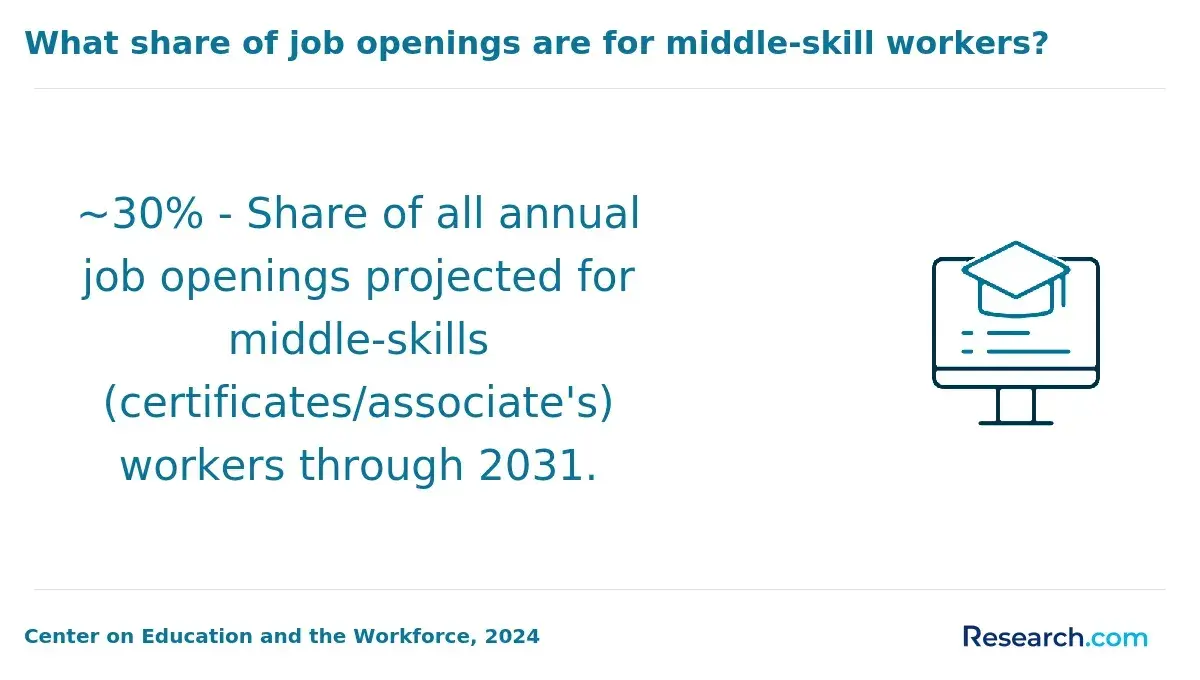
Certain roles like biomedical engineers and biostatisticians are expected to grow significantly faster than the national average of 5%, often surpassing 7%. This surge is primarily fueled by an aging population that increases demand for cutting-edge healthcare technologies and advanced data analysis. The rise of big data and machine learning applications in medical research also propels expansion in these fields.
Healthcare Data Analysts: This occupation is seeing strong growth thanks to major investments in health information technology and a growing focus on personalized medicine. Government policies aiming to improve healthcare quality and outcomes further support increased employment in this sector, making it attractive for bioinformatics graduates.
Computational Biologists and Bioinformatics Scientists: Moderate to above-average growth is anticipated as advancements in genomics and biotech industries continue. The persistent need for specialists to manage and interpret complex biological datasets in drug discovery and disease research sustains demand in these roles.
Slower Growth Areas: Some positions related to legacy IT systems or traditional lab data management show growth at or below the average rate. Automation and modernization lead to slower expansion here, but professionals can counteract this by developing skills in emerging technologies such as AI in healthcare or shifting toward policy and regulatory roles.
Regional Differences: BLS projections reflect national trends, but local economies may differ widely. Employment opportunities and growth rates can vary based on the presence of biotech clusters, research facilities, or healthcare networks, influencing the trajectory of bioinformatics careers regionally.
When asked about what the BLS job growth outlook reveals, a bioinformatics professional recalled the challenges of navigating an evolving field. "After enrolling, it wasn't just about mastering the science-I had to keep an eye on where technology was heading," he said. "The job market felt unpredictable at times, but focusing on growing sectors like machine learning applications in healthcare made a difference." He described moments of uncertainty during his job search but emphasized that staying adaptable and informed helped him align his skills with emerging demands, highlighting the need for continuous learning in this fast-changing landscape.
Work-life balance in bioinformatics careers involves multiple measurable factors essential for evaluating job satisfaction and work-life harmony in bioinformatics degree fields. These include average weekly hours worked, schedule reliability, access to remote or hybrid work options, typical paid time off policies, and employee satisfaction ratings drawn from platforms like Glassdoor, Indeed, and Payscale.
- Average Hours Worked: Academic roles typically average around 40 hours weekly, while industry scientists often exceed 50 hours during peak project periods.
- Schedule Predictability: Positions in academia and government are usually more consistent, whereas startup and contract roles can be more unpredictable.
- Remote/Hybrid Availability: Many jobs offer flexible arrangements that reduce commuting stress.
- Paid Time Off Norms: Larger, established companies generally provide more generous PTO than smaller or early-stage firms.
- Employee Satisfaction Scores: These fluctuate based on employer size, sector, and cultural factors.
Composite Profiles by Career Path: Academic researchers experience moderate hours, predictable schedules, and fair PTO, though satisfaction can decline during grant cycles. Industry scientists face longer hours, especially near deadlines, but benefit from growing hybrid options and better PTO in large firms. Bioinformatics analysts usually have stable hours, remote flexibility, and favorable balance ratings, varying by sector. Data scientists' work-life dynamics depend heavily on company culture, with flexibility offset by occasional intense workloads.
Work-life balance varies by employer, sector, and career stage; early-career professionals often endure heavier workloads while gaining experience, whereas mid-career bioinformaticians can negotiate improved terms or shift toward balanced roles. Public sector jobs frequently offer more predictable hours than private sectors.
Individuals in bioinformatics can shape their work-life harmony through thoughtful employer choice, negotiating conditions, and strategic career planning-treating balance as a dynamic element of career design rather than fixed. For those exploring advanced education paths that intersect with bioinformatics or related health sciences fields, considering online nursing doctorate programs can also open alternative career options.
Applying an equal weighting to salary, career growth, and work-life balance reveals a well-rounded view of the top bioinformatics career paths. This balanced approach helps highlight roles that not only offer strong financial rewards but also sustainable career advancement and manageable daily demands. By averaging the scores across these three pillars, a clearer ranking emerges that resonates with graduates seeking stability and personal well-being in tandem.
- Computational Biologist: Combines competitive pay with excellent growth potential and a healthy work-life balance, appealing to those who want progressive responsibility without constant overtime.
- Bioinformatics Scientist: Slightly lower on salary compared to computational biologists but excels in growth prospects and flexibility, supported by increasing research investments and adaptable lab environments.
- Biostatistician: Offers a robust salary and impressive job expansion, paired with one of the best balance ratings-ideal for professionals aiming for secure, low-stress roles.
- Genomics Data Analyst: Moderately paid but stands out for its upward growth trajectory and favorable work schedules, making it a strong contender versus some high-paying yet time-intensive positions.
- Biotech Software Developer: Rates high in salary and growth but carries a moderate balance score, suited to those willing to trade some personal time for increased earnings.
- Clinical Bioinformatician: Maintains consistent scores across all categories, with particular strength in work-life balance thanks to structured clinical hours and demand in precision medicine.
- Research Bioinformatician: Well-regarded for growth and lifestyle balance but average in income, attracting those motivated more by innovation and sustainable workflows.
Individuals who prioritize income might adjust the weight toward salary, elevating biotech software developers and computational biologists higher on their list. Conversely, those who value personal time and reduced stress may place biostatisticians or clinical bioinformaticians at the top. This flexible framework invites readers to tailor career choices based on personal values while keeping the broader job market context in view.
A professional who built her career after earning a Bioinformatics degree shared that navigating the landscape required balancing ambition with lifestyle needs. She recalled initially focusing heavily on salary, only to realize over time that roles offering steadier hours and growth felt more rewarding. Her journey underscored the importance of a holistic career assessment-"It wasn't just the paycheck that mattered but the day-to-day experience," she reflected-affirming that weighing salary alongside growth opportunities and work-life balance truly shapes a fulfilling long-term career.
Selecting a targeted specialization in bioinformatics shapes salary, career progression, and work-life balance more distinctly than pursuing a generalist role. Specialists typically begin with higher earnings and quicker advancement within focused niches that often require graduate studies or certifications. However, this depth can bring lifestyle trade-offs during periods of intense deadlines or regulatory scrutiny.
- Genomic Data Analysis: Commands some of the highest salaries due to the booming demand in personalized medicine and pharma research. Rapid technological advances fuel strong job growth, but heavy project demands and compliance pressures may reduce work-life balance.
- Computational Systems Biology: Focuses on mathematical and computational modeling of biological processes. Salaries remain competitive, though growth trends are moderate. Professionals generally maintain a manageable lifestyle except during funding and publishing peaks.
- Structural Bioinformatics: Centers on protein structure and drug development within biotech sectors. Salary and growth are stable, but precise lab collaborations often require extended working hours, impacting personal time.
- Clinical Bioinformatics: Integrates data tools with healthcare settings, benefiting from strong growth driven by healthcare digitization. Offers moderate to high pay with a more predictable schedule due to regulatory stability.
- Machine Learning in Bioinformatics: One of the fastest-expanding and best-compensated fields, though it involves steep learning curves and variable workloads that can challenge sustained work-life harmony.
Entering a specialization early-via advanced coursework, internships, or certifications-sets a foundation for distinct career paths with differing salary ceilings and lifestyle impacts over time. Specialists often see accelerated wage growth but may face intense work phases. Meanwhile, generalists cultivating leadership and interdisciplinary skills can surpass specialists at senior levels, securing roles with more schedule autonomy.
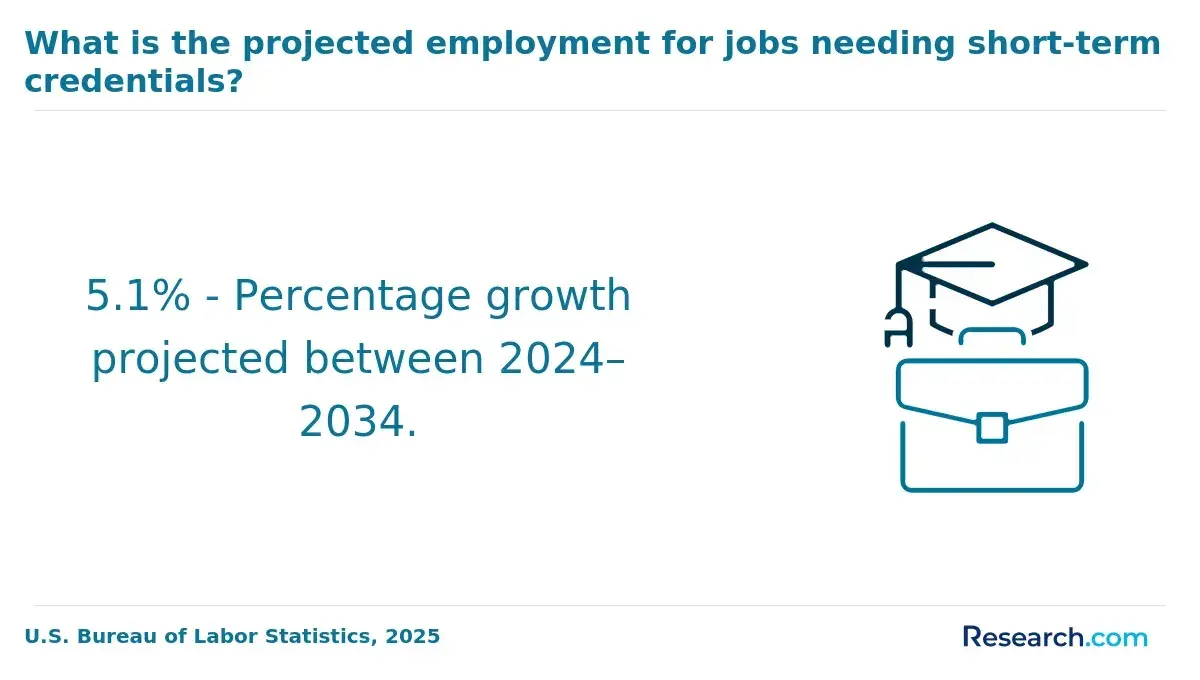
Employment in bioinformatics is anticipated to grow 15% from 2022 to 2032, per the U.S. Bureau of Labor Statistics-a rate surpassing many other sectors-highlighting expanding opportunities for both specialized and broad-focused professionals as the field evolves.
Geographic location plays a critical role in shaping median salaries, employment growth, and work-life balance for Bioinformatics graduates, influenced by regional economies, industry hubs, and living expenses. Here is an overview by U.S. region:
- Northeast: Featuring some of the highest median salaries, this area benefits from biotech centers in Boston and New York City. Consistent job growth is driven by leading research institutions, though high living costs and lengthy commutes often reduce net financial advantages and challenge work-life balance.
- Southeast: Moderate salaries prevail alongside expanding opportunities in research universities and growing biotech companies in places like Atlanta and Raleigh. Lower living costs support a more favorable work-life balance, despite slower employment growth compared to coastal hubs.
- Midwest: Cities such as Chicago and Minneapolis offer balanced wages and stable job growth. Affordable housing increases purchasing power and supports healthier work-life integration for many professionals.
- Southwest: Markets like Austin and Dallas show rapid salary increases and expanding employment. Moderate living costs contribute to improved quality of life, although infrastructure and commute times can differ widely.
- West: The San Francisco Bay Area and Seattle lead pay scales with strong job growth in tech-driven Bioinformatics roles. High housing and living expenses, however, often diminish purchasing power and complicate maintaining work-life balance despite high nominal earnings.
Metropolitan areas frequently offer higher salaries, but this does not always equal better net financial outcomes after accounting for taxes, housing, and daily expenses. Mid-tier or smaller markets can offer superior affordability and total compensation value. Additionally, remote and hybrid work models increasingly decouple salary from location, enabling many Bioinformatics professionals to earn wages typical of high-cost urban centers while living in more affordable areas-enhancing flexibility and lifestyle quality.
Integrating geographic factors into career planning is vital. The best choice depends on a person's Bioinformatics career focus and priorities like community size, proximity to family, commuting tolerance, and lifestyle balance.
When comparing public sector vs private sector bioinformatics career paths across salary, growth, and work-life balance, clear distinctions emerge that help professionals weigh their options. These comparisons shed light on which paths offer the best overall value.
- Salary: The private sector generally provides higher base salaries at entry, mid, and senior levels. Entry-level private sector salaries tend to be 15-25% higher than in government roles, with the gap often widening at senior levels to 30% or more. However, public sector bioinformatics compensation includes benefits such as defined-benefit pensions, eligibility for loan forgiveness programs, and more comprehensive health coverage. These advantages can substantially narrow the total compensation gap, presenting government roles as competitive choices when considering long-term financial value beyond base pay alone.
- Growth: Demand for bioinformatics talent in the public sector is rising within agencies focused on public health, environmental research, and national security-such as the National Institutes of Health (NIH), Centers for Disease Control and Prevention (CDC), and the Department of Energy. These organizations benefit from increasing funding for genomics infrastructure and disease prevention policies. In the private sector, growth is strongest in biotechnology firms, pharmaceutical companies, and data-driven health startups investing heavily in personalized medicine and drug discovery. While private sector jobs often outnumber public positions, government roles tend to provide greater stability and mission-driven work with fewer cyclical layoffs.
- Work-Life Balance: Public sector bioinformatics jobs typically offer more predictable schedules, flexible leave policies, and higher employee satisfaction according to government workforce surveys. This fosters a stronger work-life balance, especially for mid- and senior-level employees. Conversely, private sector roles-particularly in startups or high-pressure biotech firms-may demand longer hours and less flexibility. However, work-life balance varies widely within both sectors depending on specific roles, agencies, and career stage. Some government jobs require shift work or meet grant deadlines, while some private companies promote innovative schedules to attract and retain talent.
Those exploring bioinformatics career options might also consider relevant educational paths to strengthen their qualifications, such as pursuing an online bachelor's in biology. This foundation can support entry into this dynamic field, whether aiming for the public sector or private sector bioinformatics career comparison across salary, growth, and quality of life.
Advanced degrees and certifications play a pivotal role in shaping salary, career growth, and work-life balance for bioinformatics professionals in the US. Data from the National Association of Colleges and Employers (NACE) and the Bureau of Labor Statistics (BLS) reveal that each credential level adds distinct value-measured not just in pay but in professional opportunities and lifestyle impact.
- Master's Degree: Adds a 15-25% salary premium over bachelor's holders and usually requires 1-3 years of study. It grants access to leadership roles in research, data analysis, and project management unavailable to undergraduates. This degree often improves autonomy and work-life balance, although some management positions may demand extra hours.
- Doctoral Degree (PhD): Commands a 25-40% salary boost and unlocks senior research, academia, and specialized biotech roles. Its 4-6-year time and financial investment are significant, with a demanding research phase that may temporarily reduce work-life harmony. Post-PhD senior roles generally offer greater schedule control and long-term influence.
- Professional Certifications: Certifications such as Certified Bioinformatics Professional (CBP) typically require less time and cost than degrees. They yield 5-15% salary increases and signal expertise in niche tools, fostering targeted career advancement in industry or clinical settings. These certifications usually support a positive or neutral effect on work-life balance through flexible acquisition and enhanced job security.
Deciding which credential to pursue should align with career goals-master's degrees accelerate entry into management, PhDs gear toward research leadership and innovation, and certifications emphasize specialized skills with minimal disruption. Avoid acquiring credentials without a clear strategy. For those exploring flexible educational options, consider a nutrition degree online to understand parallels in credential investment. This strategic approach will maximize salary, growth potential, and sustainable work-life balance across a bioinformatics career.
Data from the BLS American Time Use Survey and Owl Labs reveal that roles like computational biologists and bioinformatics analysts often support remote or hybrid work due to their focus on data analysis. In contrast, positions requiring frequent lab or clinical collaboration, such as bioinformatics technicians, generally demand on-site presence.
Remote bioinformatics jobs typically offer salaries on par with equivalent in-person roles. While some employers provide bonus pay to attract remote experts nationwide, many maintain standard market rates regardless of location. Professionals living in lower-cost areas benefit from receiving salaries typical of high-expense regions, effectively boosting their real income.
Early pandemic reports noted that some remote bioinformatics workers faced slower progress due to visibility and networking challenges. Yet, as remote collaboration tools are now widespread, fields like computational biology demonstrate steady career growth regardless of work location, especially for those who actively engage in virtual teamwork and leadership.
Remote work offers clear advantages, including eliminating commute times and allowing flexible scheduling tailored to personal needs. However, concerns persist over blurred boundaries between work and home, leading to burnout risks-particularly for individuals lacking structured environments or with certain personality types.
According to 2023 LinkedIn Workforce Insights, nearly 40% of bioinformatics-related jobs now promote hybrid or fully remote options, a significant rise from 25% in 2020-highlighting growing acceptance of flexible work models in the field.
Certain bioinformatics careers stand out by delivering a strong balance among salary, career growth, and work-life quality-without demanding significant compromises in any area. Analysis of employee satisfaction from Glassdoor, PayScale's Work-Life Balance Index, and the BLS American Time Use Survey highlights a few roles that regularly rank highly across these key metrics.
- Biostatistician: Commonly found in universities, government agencies, and pharmaceutical companies, biostatisticians often enjoy structured work schedules and frequent options for remote work, fostering better balance. Their expertise in statistical analysis supports steady demand and competitive pay, mainly linked to clinical research and public health initiatives.
- Computational Biologist: Employed by research institutions, biotech startups, and government labs, computational biologists benefit from collaborative, flexible work environments. Their combined focus on biology and data science encourages professional growth while allowing autonomy, which often translates into a healthier personal-professional life integration.
- Data Scientist (Bioinformatics Focus): Positioned at the intersection of bioinformatics and data science, these specialists work in innovative healthcare and genomic companies that prioritize flexible hours and remote options. With growing reliance on big data, this role enjoys strong salary prospects and advancement potential alongside supportive workplace cultures.
It's important to remember that work-life balance is deeply personal and influenced by workplace culture, team dynamics, and individual boundaries. Rankings serve best as a guide in employer selection rather than guarantees of experience.
Notably, remote bioinformatics roles have increased by approximately 15% in the last three years, signaling a clear shift toward flexible work arrangements in life sciences careers.
What Graduates Say About the Bioinformatics Degree Careers Ranked by Salary, Growth, and Work-Life Balance
- Alfonso: "Graduating with a degree in bioinformatics opened my eyes to the incredible salary potential this field offers-many positions are very well-compensated early on. What truly impressed me was the long-term career growth, with opportunities to transition into specialized research or leadership roles. Best of all, the day-to-day work-life balance often allows for flexible schedules, which I value deeply."
- Eduardo: "Reflecting on my experience in bioinformatics, I've realized that the most rewarding aspect is the steady and promising career growth, which keeps the work fresh and motivating. While the salary is competitive, it's the variety of roles that makes this degree stand out, especially for those seeking work-life harmony. The field's evolution means you can consistently find positions that match your lifestyle needs."
- Thiago: "From a professional standpoint, the bioinformatics degree ranked highly in terms of salary compared to other STEM careers. The real differentiator is how well it supports long-term growth-you're always learning and advancing. Although some projects can be demanding, many roles in this area promote a balanced daily routine, which makes it sustainable over the years."
Other Things You Should Know About Bioinformatics Degrees
In 2027, entry-level bioinformatics roles offer average salaries around $70,000, with more routine tasks but good growth potential. Senior-level positions, often exceeding $120,000, provide strategic responsibilities and decision-making roles but may come with increased demand, potentially impacting work-life balance.
Bioinformatics professionals in pharmaceutical or biotechnology companies generally enjoy higher salaries and robust career growth due to strong industry demand. Academic and government research positions may offer more stable work-life balance but sometimes at the cost of slower salary growth and fewer promotion opportunities. The healthcare sector usually provides moderate salaries with good work-life balance, balancing public service with steady advancement potential.
Early-career bioinformatics graduates should focus on gaining specialized skills in data analysis, programming, and machine learning to increase marketability. Choosing internships or entry-level roles in high-growth sectors can accelerate career progression and salary growth. Networking and pursuing continuing education also help unlock managerial or hybrid roles that offer improved work-life balance without sacrificing income.
Employers commonly expect coursework in genetics, molecular biology, statistics, and algorithms, plus hands-on skills in Python, R, SQL, and Linux. Many entry-level roles also prefer experience with next-generation sequencing analysis, version control such as Git, and a capstone or research project.
- Bioinformatician Salary Insights | ValidGrad https://validgrad.com/blog/bioinformatician-salary/
- Bioinformatics vs Data Science in Life Sciences: Which Path Aligns With Your Career Trajectory? | Panda https://www.panda-int.com/insights/bioinformatics-vs-data-science-in-life-sciences-which-path-aligns-with-your-career-trajectory/
- GitHub - paschalugwu/Bioinformatics-Jobs-2024-Report: A comprehensive data-driven analysis of global bioinformatics job trends, salaries, and skill demands for 2024. https://github.com/paschalugwu/Bioinformatics-Jobs-2024-Report
- Work-Life Balance in Remote Working and How to Maintain It https://cuckooworkout.com/how-to-maintain-work-life-balance-in-hybrid-and-remote-work/
- Bioinformatics Salary Guide 2025: What to Expect? https://www.biotecnika.org/2025/03/bioinformatics-salary-guide-2025-what-to-expect/
- Work-Life Balance in Biotech: Finding Your Ideal Position - Surf Search https://surfsearch.org/work-life-balance-in-biotech-finding-your-ideal-position/
- A day in the life of... a core facility bioinformatician https://network.febs.org/posts/a-day-in-the-life-of-a-core-facility-bioinformatician
- Consideration about the profession of bioinformatics https://communities.springernature.com/posts/consideration-about-the-profession-of-bioinformatics
- How is the Bioinformatics Job Outlook? - Data Science Degree Programs Guide https://www.datasciencedegreeprograms.net/faq/how-is-the-job-outlook-for-bioinformatics/
- Global Reach - Best Overseas Education Consultants | Study Abroad http://www.globalreach.in/course-details.php