2027 Bioinformatics Degree Careers That Do Not Require Graduate School

Co-Founder and Chief Data Scientist
Recent bioinformatics graduates often face a clear divide: some roles welcome bachelor's degree holders immediately, while others require advanced credentials. Industry data shows that nearly 40% of entry-level bioinformatics jobs prefer candidates with practical experience over graduate degrees. Employers increasingly value skills like programming, data analysis, and hands-on project work alongside formal education. This article explores career paths available to bioinformatics degree holders without graduate school, highlighting opportunities that balance employability with long-term growth potential in this dynamic field.
Key Things to Know About the Bioinformatics Careers That Do Not Require Graduate School
- Many bioinformatics roles accept candidates with a bachelor's degree, enabling direct workforce entry without graduate school requirements.
- Employer expectations emphasize demonstrated skills, internships, and project experience over advanced academic degrees for entry-level bioinformatics positions.
- Strong practical skills and relevant certifications enhance job readiness and long-term career growth in bioinformatics without necessitating graduate-level education.
What Career Paths Can You Pursue with a Bioinformatics Degree Without Graduate School?
Many bioinformatics degree holders find a wide range of career opportunities available immediately after earning a bachelor's degree, though the availability of roles depends on industry needs and job type. Studies show that about 60% of bioinformatics graduates secure relevant employment within one year of graduation, reflecting strong hiring trends for bachelor's-level candidates. These trends highlight promising avenues for those seeking bioinformatics career options without graduate school.
Several entry-level positions suit those with a bachelor's degree in bioinformatics, including roles that leverage interdisciplinary skills in biology and computing. Some of these accessible career paths include:
- Bioinformatics Technician: These roles offer an entry point in labs or research centers where graduates manage and analyze biological data under supervision. Skills developed during the degree align well with the hands-on work required, supporting entry-level hiring without additional academic credentials.
- Data Analyst in Life Sciences: Graduates apply quantitative and programming skills to interpret large datasets, often for pharmaceutical and biotech firms. This role capitalizes on bachelor's-level training, with many companies valuing practical expertise over advanced degrees.
- Laboratory Technician: Many laboratories look for bioinformatics graduates to assist in experiment design, data collection, and preliminary analysis. These positions typically require foundational knowledge that a bachelor's program provides, making them ideal for those not pursuing graduate study.
- Software Developer for Bioinformatics Tools: Basic programming and software development skills gained from the degree qualify graduates for junior developer roles supporting bioinformatics projects. These jobs emphasize practical tech abilities accessible without graduate school.
- Technical Sales Specialist in Biotech: Combining scientific understanding with communication skills, bioinformatics graduates can excel in sales roles focused on scientific equipment or software. This path leverages domain knowledge without requiring advanced academic qualifications.
Those exploring bioinformatics career options without graduate school may also consider programs that enhance clinical or health-related expertise. For instance, pursuing a 1 year MSN to DNP program online can broaden opportunities in healthcare settings while building on bioinformatics foundations.
What Are the Highest-Paying Jobs for Bioinformatics Degree Graduates Without a Graduate Degree?
Some of the highest-paying careers for bioinformatics graduates can be pursued without attending graduate school, especially in roles where employers highly value bachelor's-level education. Median salaries for professionals with a bachelor's degree typically range from $70,000 to $90,000 annually, reflecting strong demand across industries. This earning potential comes from roles that blend analytical, programming, and biological expertise at the entry to mid-level.
Below are key roles that offer higher pay based on their impact and responsibilities within organizations:
- Bioinformatics Analyst: These professionals interpret complex biological data, creating business value for pharmaceutical and biotech companies. Their skills in optimizing data processing pipelines drive efficiency and improve research outcomes, making them essential and well-compensated team members.
- Computational Biologist: Although often associated with graduate degrees, many companies hire bachelor's holders who possess strong programming and data management skills. Their role in accelerating drug discovery and genetics research positions them for higher salaries due to their contribution to critical scientific advances.
- Data Scientist in Life Sciences: Experts in analyzing biological datasets, these professionals identify patterns and predictions that impact research and decision-making. Their combination of statistical and programming expertise commands premium pay because of the direct influence on organizational productivity.
- Quality Control Bioinformatics Specialist: Ensuring data accuracy and integrity is vital for regulatory compliance and product safety. Due to their responsibility for maintaining high-quality biological data, these specialists receive competitive salaries across research and manufacturing sectors.
- Software Developer for Bioinformatics Tools: Developers who build and maintain specialized software improve research workflows and operational efficiency. Their technical and biological knowledge makes them highly sought after, especially in innovative biotech startups and technology-focused companies.
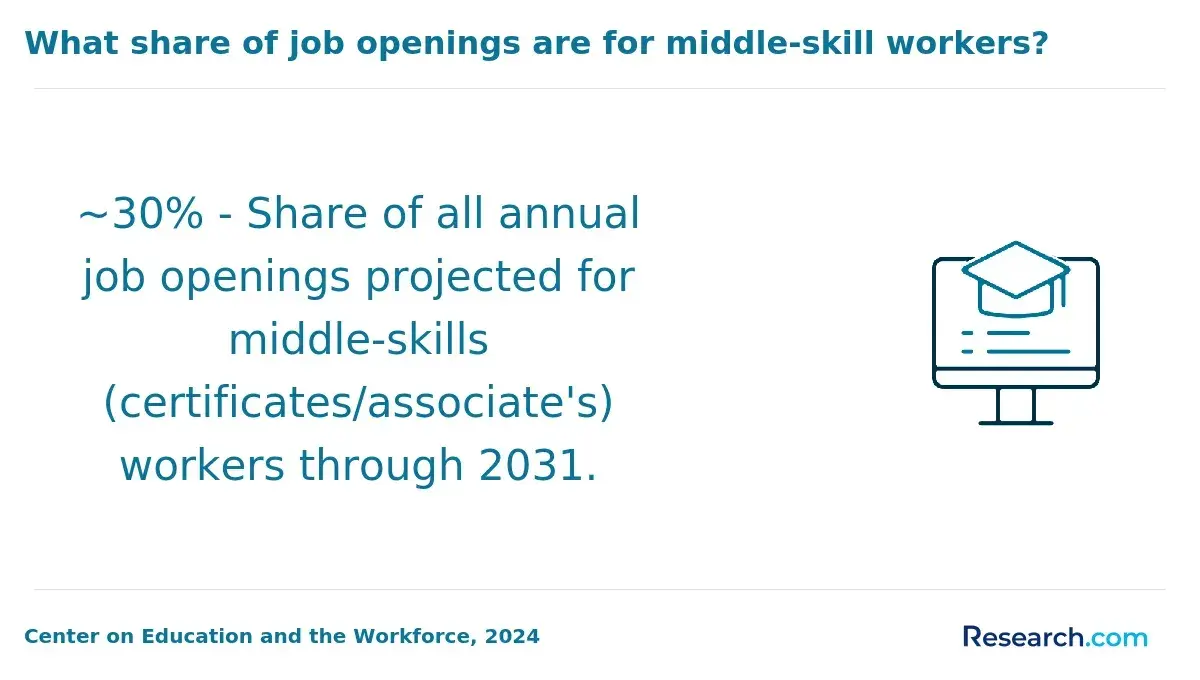
What Skills Do You Gain from a Bioinformatics Degree That Employers Value?
Bioinformatics degree programs provide students with versatile skills that appeal to a wide range of employers, particularly for positions that do not require advanced degrees. Research from the National Association of Colleges and Employers indicates that nearly 92% of employers prioritize candidates with strong transferable skills such as critical thinking and communication.
Below are key transferable skills nurtured through bioinformatics education that employers find valuable in early-career roles:
- Data Analysis: Students develop expertise in processing and interpreting large biological datasets using tools like Python and R. This enables graduates to extract meaningful insights that support decision-making in various scientific and technical environments.
- Computational Skills: Programs build proficiency with algorithms, databases, and specialized software, equipping graduates to handle complex data systems and contribute to IT-driven projects beyond purely research settings.
- Problem-Solving: Bioinformatics training encourages systematic approaches to identifying challenges and designing effective experimental or computational solutions, fostering adaptability in dynamic workplaces.
- Communication: Clear articulation of intricate scientific concepts to both expert and non-expert audiences is emphasized, helping graduates collaborate across disciplines and convey findings effectively.
- Teamwork: Collaborative projects and group research cultivate the ability to work productively in diverse teams, a quality highly regarded in many professional contexts.
A bioinformatics degree graduate shared how adapting to workplace expectations required them to apply problem-solving and communication skills daily, stating they learned to "translate complex data results into understandable reports" while troubleshooting unexpected issues, which greatly improved their confidence and value to their employer.
About 65% of bioinformatics graduates secure entry-level bioinformatics jobs for recent graduates soon after finishing their bachelor's degree, even without prior work experience. Employers often create positions tailored to new graduates, providing structured onboarding that allows access to the workforce without requiring graduate school or previous job history. This trend reflects the increasing demand for candidates with foundational skills in the field.
Common accessible roles in this space include the following:
- Data Technician: These positions involve managing biological datasets, where new graduates can apply programming basics and data handling skills. Companies frequently offer training to familiarize hires with technical tools and databases.
- Research Assistant: Entry-level research assistants support experiments and data collection, making these roles a good fit for graduates with general bioinformatics knowledge and no experience. The focus is learning through direct project involvement.
- Junior Bioinformatics Analyst: Designed specifically for early-career candidates, these jobs help develop practical skills in coding, statistical analysis, and data visualization under senior supervision.
- Technical Support Specialist: Graduates familiar with bioinformatics software can enter support roles that help users troubleshoot tools, often backed by mentoring and structured training programs.
Employers typically expect a solid grasp of core bioinformatics concepts and a willingness to grow, making these positions suitable stepping stones. Many find opportunities through internships or cooperative education programs, which serve as early-career bioinformatics hiring pathways. For students interested in the best online nursing programs or related fields, visiting best online nursing programs may provide useful guidance in education choices.
Certifications and short courses provide bioinformatics graduates with practical skills that enhance their job prospects without the need for graduate study. These credentials offer focused training tailored to industry demands, helping candidates demonstrate job-ready expertise. Notably, a 2023 survey found that over 60% of STEM employers rate professional certifications as essential or highly desirable for technical roles.
The following credentials are especially useful for students aiming to boost their careers:
- Certified Bioinformatics Professional: This certification confirms proficiency in critical bioinformatics tools and data analysis methods, signaling competence and current expertise to employers who value applied skills over advanced degrees.
- Programming Certifications: Certificates in languages like Python and R highlight a candidate's ability to automate workflows and solve computational problems, key capabilities in bioinformatics roles.
- Data Science and Machine Learning: Short courses in these areas equip learners to manage complex datasets and develop predictive models, broadening their potential contributions beyond traditional bioinformatics analysis.
- Next-Generation Sequencing Training: Specialized workshops provide hands-on exposure to modern sequencing technologies and data interpretation techniques, enhancing qualifications for genomics-focused positions.
- Cloud Computing Certifications: Credentials related to platforms such as AWS or Google Cloud showcase skills necessary for handling large-scale bioinformatics data processing.
One professional with a bioinformatics degree shared that pursuing a programming certification significantly boosted their career confidence. They described the learning curve as challenging but rewarding, with online modules and practical projects reinforcing new skills. This credential opened doors to roles requiring automation and scripting expertise, illustrating how such targeted training can advance careers without graduate education.
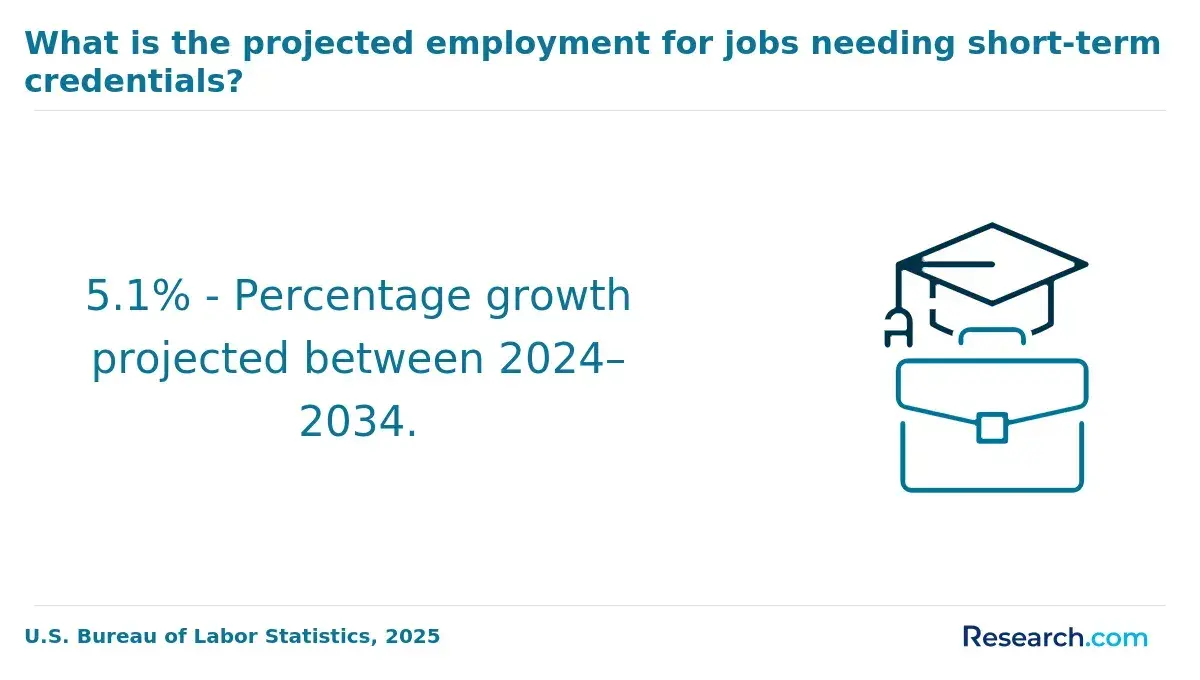
Opportunities for bioinformatics graduates without graduate degrees vary widely across industries. Some fields have strong demand for bachelor's-level professionals due to operational needs and ongoing data projects. Nearly 35% of bioinformatics bachelor's holders find employment in sectors like technology and healthcare where advanced degrees are not mandatory.
Several industries offer relatively accessible career paths for these graduates, often driven by broad hiring needs and entry-level roles:
- Technology And Software Development: This sector values practical programming and data management skills, favoring candidates who can handle biological datasets and build computational tools. It often recruits bachelor's graduates to fill roles focused more on technical ability than advanced qualifications.
- Pharmaceutical And Biotechnology: Rapid growth in biotech startups creates demand for versatile staff who contribute to data pipelines and preliminary analysis. Bachelor's degree holders frequently fill generalist positions supporting multiple project stages.
- Healthcare And Clinical Informatics: Hospitals and labs rely on bioinformatics for personalized medicine, requiring staff to assist with data processing and routine analysis. These operational roles commonly include bachelor's-level employees.
- Government And Public Health: Public agencies engaged in epidemiology and health surveillance recruit bachelor's graduates to support large data initiatives, integrating diverse educational backgrounds into their workforce.
- Agriculture And Environmental Services: Fields like crop genetics and environmental monitoring increasingly use bioinformatics data, offering entry-level jobs to bachelor's graduates for data collection and computational tasks.
Non-traditional career formats, such as freelance and remote work, are expanding access for bioinformatics degree holders by reducing dependence on conventional workplace pathways. These digital and independent work models allow graduates to engage with the field without the constraints typical of formal employment or graduate education. This flexibility is helping more early-career professionals enter bioinformatics roles in diverse ways.
Approximately 35% of bachelor's degree holders in computational biology and related STEM areas participate in location-independent jobs, reflecting a significant shift toward flexible work arrangements.
Below are several examples of freelance, remote, and non-traditional career paths that bioinformatics graduates can pursue without graduate school.
- Distributed Work Systems: Teams that operate remotely using digital tools such as cloud computing and version control enable bioinformatics graduates to contribute to data analysis and algorithm development from any location, gaining practical experience alongside senior colleagues.
- Digital-First Labor Markets: Online platforms connect freelancers with global clients seeking specialized bioinformatics services on short-term projects, eliminating geographic hiring barriers and allowing flexible, independent work.
- Project-Based Independent Work: Discrete bioinformatics tasks like genome annotation or sequence alignment are often contracted on a per-project basis, helping graduates build portfolios while maximizing income and flexibility across clients.
- Remote Tutoring and Content Development: Graduates can create educational material or tutor remotely in bioinformatics, gaining communication skills and flexible hours to support career growth.
- Open Science and Crowdsourced Research Initiatives: Participating in global bioinformatics challenges or collaborative research platforms offers networking and skill-building opportunities, often serving as a gateway to paid remote work.
Graduates with a bioinformatics degree often build careers by entering the workforce directly after completing their bachelor's degree. Many secure entry-level positions that provide valuable exposure to workplace environments and practical experience, which are critical for career momentum. Approximately 60% of bioinformatics bachelor's graduates find jobs in their field within a year, demonstrating a strong pathway without requiring graduate studies. Early opportunities frequently involve data analysis and biological data interpretation, helping graduates develop skills that employers across sectors such as healthcare and biotechnology highly value, including roles linked to medical coding pay.
Long-term career growth without graduate school often depends on increasing responsibilities and evolving roles within organizations. Professionals advance by gaining specialized expertise and contributing to interdisciplinary projects, with career paths that can lead to titles like bioinformatics analyst or data scientist. Progression relies on continued skill development and professional engagement rather than additional formal education, adapting to market demands and organizational needs. This structure supports a fulfilling bioinformatics career without the necessity of graduate credentials, aligned with the entry-level bioinformatics jobs for bachelor's degree graduates available today.
Skipping graduate school is a common pathway for many pursuing bioinformatics careers, allowing faster entry into the workforce. While it can provide immediate employment advantages, this choice may affect long-term professional growth depending on career goals. Studies show that about 60% of bioinformatics professionals start their careers without graduate degrees, though salaries tend to be 20-30% higher for holders of master's degrees.
Consider the following pros and cons of entering the bioinformatics job market without graduate school:
- Early Workforce Entry: Starting a career immediately after a bachelor's degree allows professionals to gain practical experience sooner, which is valuable in entry-level bioinformatics jobs without graduate degrees. This reduces opportunity costs associated with additional schooling.
- Opportunity Costs: Avoiding graduate school saves time and tuition expenses, letting graduates begin earning salaries earlier. However, it may limit access to roles tied to advanced computational or research skills acquired in graduate programs.
- Long-Term Progression: Some employers, especially large institutional or highly selective organizations, prefer candidates with master's degrees, potentially restricting promotion or specialization without graduate credentials.
- Flexibility in Career Exploration: Entering the workforce early enables bioinformatics graduates to explore diverse roles and industries, possibly allowing future decisions about graduate education based on experience.
For those considering related fields in nutritional science, exploring the best online nutrition degree options can offer alternative pathways combining biology and data analysis.
Bachelor's-level bioinformatics employment trends show a positive outlook for graduates entering the workforce without graduate school. Many find roles in biotech and healthcare sectors where demand remains strong, helped by growing industry needs and geographic factors. Median starting salaries typically range between $60,000 and $85,000, reflecting steady job placement outcomes for those with a bachelor's degree. These trends highlight the potential for solid labor market participation even without advanced degrees.
Job market outcomes for bioinformatics graduates can vary significantly by role and sector, influenced by broader labor market dynamics rather than a single uniform path. Some positions require specialized skills and offer higher pay but are more competitive, while others are more accessible yet still provide viable career options. Opportunities exist across multiple industries, and salary or employment conditions may shift depending on market demand and niche focus. Those exploring options might also consider related fields like ADN to NP programs online to diversify their prospects.
What Graduates Say About Bioinformatics Careers Even Without Pursuing Graduate School
- Alfonso: "Graduating with a Bioinformatics degree gave me the technical foundation to jump straight into a data analyst role at a biotech startup. I found that employers really valued my ability to interpret complex datasets without needing additional graduate education. Reflecting on it now, the hands-on experience from my undergrad projects was a crucial factor in making that smooth transition."
- Eduardo: "Starting my career immediately after earning my Bioinformatics degree was both challenging and rewarding. I didn't pursue graduate studies because I wanted to gain real-world experience quickly, and this degree prepared me well with skills in programming and statistical analysis. Many of my peers told me stories of longer paths, but my practical knowledge helped me secure a role in genomics research support early on."
- Thiago: "My Bioinformatics degree was instrumental in launching my career in a clinical data management position. I appreciated how the coursework combined biology with computational skills, making me confident in interdisciplinary environments. While I initially worried about not pursuing a graduate degree, the industry's demand for competent graduates like myself proved that undergrad preparation alone can open significant doors."
Other Things You Should Know About Bioinformatics Degrees
Bioinformatics professionals can advance by leveraging skills and experience gained through entry-level roles, certifications, and online courses. Building a strong professional network and obtaining practical experience via internships or projects also enhance career prospects.
Industry certifications can help, but they are not mandatory for most entry-level bioinformatics jobs. Common options include the Google Data Analytics Professional Certificate, AWS Certified Data Analytics, and SAS certification. Employers usually care more about Python, R, SQL, and experience with sequencing data than a specific certificate.
Continued learning is critical in bioinformatics because of rapid technological advancements and evolving biological databases. Professionals often engage in self-study, workshops, and online courses to stay current and competitive in the field without pursuing further formal degrees.
Internships and cooperative education provide hands-on experience and industry exposure that are valuable for launching bioinformatics careers without graduate degrees. These opportunities help build a professional portfolio, create industry contacts, and improve practical understanding of bioinformatics applications.
- The Top 5 In Demand Bioinformatics Skills You Need to Succeed - BenchPoint https://benchpoint.com/blog/bioinformatics-skills-in-demand/
- Unlocking Careers: Exploring Bioinformatics Job Roles in 2025 - Bversity https://bversity.io/blog/bioinformatics-job-roles-2025
- 10 skills every bioinformatician should master https://blogs.cranfield.ac.uk/agrifood/10-skills-every-bioinformatician-master/
- The Life Sciences Job Market in 2025: Trends, Opportunities, and Career Paths | IntuitionLabs https://intuitionlabs.ai/articles/life-sciences-job-market-2025
- Bioinformatics 2025 Outlook: Thoughts from Bioinformaticians https://www.fiosgenomics.com/bioinformatics-2025-outlook-thoughts-from-bioinformaticians/
- What Can You Do With a Master's Degree in Bioinformatics? https://www.mhaonline.com/faq/careers-with-masters-in-bioinformatics
- 10 Must Have Skills for a Successful Career in Bioinformatics in 2025 https://www.biotecnika.org/2025/06/skills-for-bioinformatics-career-2025-top-10-skills-to-succeed/
- Entry Level Bioinformatics Jobs 2026 | 92+ No Experience https://www.compbiojobs.com/jobs/entry-level
- Studying Bioinformatics: Is it Worth it? https://www.datascienceblog.net/post/commentary/studying-bioinformatics-is-it-worth-it/