2027 What Careers Can You Pursue With a Bioinformatics Degree? Salary Potential, Job Outlook, and Next Steps

Co-Founder and Chief Data Scientist
What career options are available after earning a bioinformatics degree, and how lucrative are these roles in today's evolving job market? Many recent graduates face uncertainty about their salary potential and long-term stability in this interdisciplinary field.
According to the U. S. Bureau of Labor Statistics, employment in bioinformatics-related occupations is projected to grow 15% through 2031, faster than average for all professions. This growth reflects rising demand in genomics, pharmaceuticals, and healthcare technology.
This article explores promising career paths, salary ranges, job outlook, and practical next steps for those pursuing or holding a bioinformatics degree, helping clarify the road ahead.
Key Things to Know About the Careers You Can Pursue With a Bioinformatics Degree
- Careers with a bioinformatics degree span pharmaceuticals, healthcare, agriculture, and environmental science, demonstrating wide industry applicability and diverse job roles.
- Skills in data analysis, programming, and molecular biology transfer well to roles in biotech, research, and computational science, enhancing employability across sectors.
- Advanced education aligns with growing demand; a projected 15% job growth by 2030 supports long-term professional advancement and higher salary potential.
What Careers Can You Pursue With a Bioinformatics Degree?
A degree in bioinformatics offers access to diverse career paths across healthcare, agriculture, environmental science, and pharmaceuticals.
Employment in data-driven biological research roles is projected to grow by more than 15% in the United States within the next decade, signaling strong demand for professionals with these skills. Many entry-level bioinformatics jobs come with high salary potential, especially for those adept at managing complex datasets.
Common career paths for bioinformatics graduates include:
- Bioinformatics Scientist: These professionals develop algorithms and software tools to interpret biological data like DNA sequences. They collaborate with biologists and chemists to uncover insights related to disease mechanisms and drug discovery.
- Computational Biologist: Focused on applying mathematical models and computational methods, computational biologists analyze large datasets to study gene expression, protein interactions, and evolutionary biology.
- Biostatistician: Biostatisticians design experiments and analyze data using statistics to ensure reliable outcomes. Their work supports clinical trials and epidemiological research, which are vital to advancing public health.
- Genomic Data Analyst: Specialists in this role interpret next-generation sequencing data to identify genetic variations and their links to diseases or traits, helping inform research and treatment strategies.
This range of careers highlights how bioinformatics integrates biology, computer science, and statistics to solve complex biological problems. For students exploring options, understanding these paths can clarify how a bioinformatics degree may open doors to specialized roles with strong job prospects.
Students interested in advanced study related to healthcare may also consider a DNP program, which complements bioinformatics in clinical environments.
What Are the Highest-Paying Careers With a Bioinformatics Degree?
A degree in bioinformatics opens the door to numerous high-paying roles by combining biology, programming, and data analysis to address complex scientific challenges. Positions in this field offer attractive salary prospects.
The U.S. Bureau of Labor Statistics notes that related jobs in biological and information sciences often have median pay exceeding $90,000 annually. As demand grows in healthcare, biotechnology, and pharmaceuticals, bioinformatics graduates are well positioned for lucrative careers.
Below are some of the highest-paying bioinformatics careers in the US:
- Computational Biologist: These professionals create and apply algorithms to interpret biological data like genetic sequences and protein structures, supporting personalized medicine and drug discovery. Salaries typically range from $85,000 to $130,000 per year, influenced by experience and sector.
- Bioinformatics Scientist: Focused on developing software tools and managing biological databases, these scientists enable research teams to analyze vast datasets. Average earnings for this role fall between $80,000 and $125,000 annually.
- Biostatistician: Using statistical methods on biological data, biostatisticians contribute to clinical trials and public health studies. Their salaries usually range from $75,000 to $120,000 yearly, reflecting their critical role in medical research.
- Pharmaceutical Data Analyst: Working closely with drug development teams, these analysts interpret clinical data to optimize strategies. In major biotech hubs, salaries often reach between $90,000 and $140,000 annually.
- Genome Analyst: Specialists analyzing genetic information aid in understanding hereditary diseases and treatments, earning roughly $80,000 to $115,000 per year.
Graduates interested in advancing their careers may also explore related health fields, such as nursing, through programs like BSN online to diversify their skill set and further improve earning potential. The top salary jobs for bioinformatics graduates continue to expand as the integration of computational techniques in biology accelerates across industries.
What Is the Job Outlook for Bioinformatics Degree Careers?
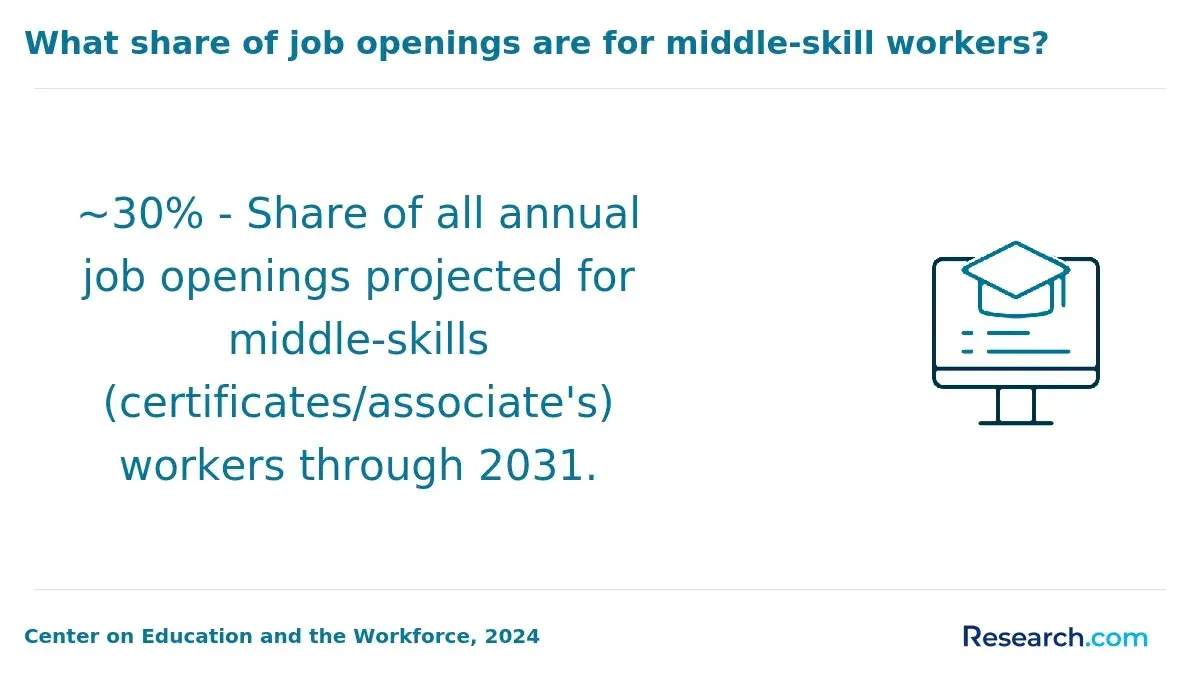
The job market for careers related to a bioinformatics degree is expanding rapidly due to growing reliance on data analysis in biological sciences. Increasingly, sectors like healthcare, pharmaceuticals, and biotechnology seek professionals who can manage and interpret complex genomic and biological data.
Employment in this field is projected to grow significantly, with medical scientist roles—many requiring bioinformatics expertise—expected to rise by 16% from 2021 to 2031, indicating faster-than-average growth.
As the field evolves, specialists will need to continuously update their skills to keep up with new computational tools and analytical methods. This ongoing advancement promises stable and diverse opportunities for bioinformatics graduates.
When asked about the job outlook, a professional with a degree in bioinformatics shared that navigating the balance between rapid technological changes and workplace expectations can be daunting. "You have to constantly learn new software and stay ahead of algorithm updates," he explained, noting the challenge of remaining proficient while contributing to meaningful projects.
Despite these pressures, he described the gratification in seeing complex data translate into real-world impact and emphasized that adaptability and a passion for learning are crucial for long-term success in this dynamic field.
A degree in bioinformatics combines biology, computer science, and data analysis, equipping graduates for various entry-level roles across life sciences and technology sectors. Approximately 65% of bioinformatics graduates find employment within six months after finishing their studies, highlighting the increasing demand for these skills. Starting salaries for bioinformatics graduates often reflect their valuable technical expertise. Below are some common job opportunities for recent bioinformatics degree holders.
- Bioinformatics Technician: This position focuses on organizing and managing biological datasets, supporting data workflows, and conducting basic computational analyses. The degree provides essential programming knowledge and biological context to efficiently handle vast data resources.
- Genomic Data Analyst: Professionals in this role interpret genetic sequencing results, helping to detect genetic variations and trends. A bioinformatics education, emphasizing genetics and statistical methods, prepares graduates to contribute to complex research.
- Research Assistant in Computational Biology: Working alongside research teams, these assistants develop algorithms and software to study biological systems. Coursework in algorithm design and molecular biology ensures readiness for these responsibilities.
- Biostatistician Assistant: Supporting clinical or epidemiological studies, this role involves statistical modeling and data evaluation, tasks grounded in the strong statistics training provided by a bioinformatics curriculum.
- Software Developer for Bioinformatics Tools: Designing applications tailored to biological data analysis requires programming skills coupled with domain expertise, both covered extensively in the degree.
Students interested in furthering their education or seeking flexible learning opportunities can explore self paced online universities to complement their academic and career planning.
A bioinformatics degree cultivates a versatile blend of abilities crossing biology, computer science, and analytical techniques, making graduates valuable in sectors like healthcare, pharmaceutical research, and environmental science.
Industry data shows that computational expertise and data interpretation consistently rank among the leading skills sought by employers for these roles. These skills form the basis for success in multiple professional settings.
Students typically develop several core competencies through their coursework and practical projects, including:
- Programming Skills: Proficiency in languages such as Python, R, and SQL allows students to create algorithms and manipulate complex biological datasets. Hands-on labs and assignments reinforce applying coding skills to real-life biological challenges.
- Statistical Analysis: Ability to apply statistical methods is essential for evaluating experimental data and verifying research results. This competence is built through courses in biostatistics and data science, focusing on handling and analyzing large-scale datasets.
- Molecular Biology Understanding: A strong foundation in genetics and genomics helps students contextualize their computational findings within biological frameworks. The curriculum integrates these topics alongside computational work to deepen biological insight.
- Data Management: Expertise in organizing, storing, and retrieving extensive biological data is developed through training on database systems and visualization tools, critical for effective data handling.
- Analytical Thinking: Developing problem-solving abilities enables students to design experiments, innovate data analysis methods, and interpret complex or unclear data, supported by team projects and research initiatives.
When asked about the skills gained from her bioinformatics degree, a recent graduate reflected on the challenges of balancing technical coding demands with biological complexity.
She explained how initially "deciphering datasets felt overwhelming," but through iterative project work and collaborative problem-solving, she learned to "approach problems methodically while maintaining flexibility." This process boosted her confidence in adapting to new analytical tools and effectively contributing to multidisciplinary teams.
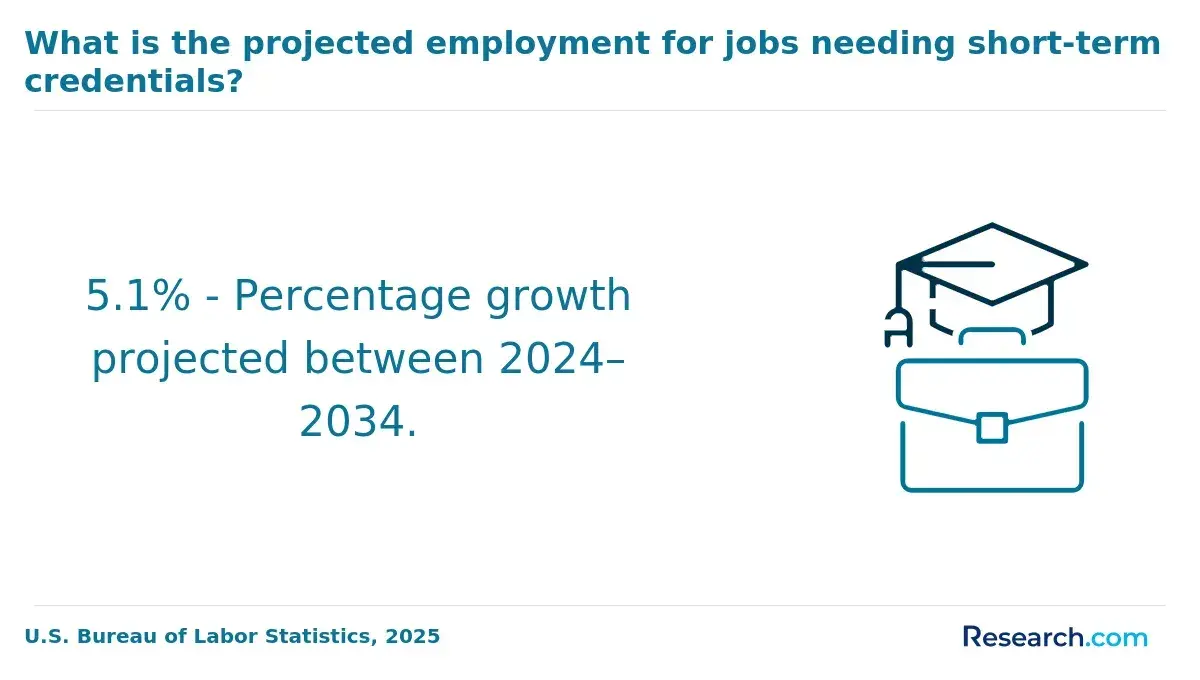
A bachelor's degree in bioinformatics equips graduates to move into various professional roles without needing further education or certifications.
Nearly 40% of degree holders advance to mid-level or more responsible positions within five years, reflecting strong career mobility backed by this undergraduate qualification. Such progress is often supported by the diverse skill set developed during the degree program.
The following career paths highlight opportunities for advancement leveraging a bioinformatics bachelor's degree:
- Bioinformatics Analyst: Professionals in this role analyze and interpret complex biological data, working closely with research teams to refine data methodologies. The degree provides essential expertise in programming, data analysis, and computational biology, crucial for managing scientific datasets effectively.
- Computational Biologist: This position involves applying computational methods to solve biological problems, requiring skills in algorithm design and data modeling. A bioinformatics degree offers interdisciplinary training that prepares graduates to take on these analytical and technical challenges without additional schooling.
- Data Scientist in Life Sciences: Graduates utilize their training to process biological data, support pharmaceutical development, and enhance clinical trials. The role depends on strong quantitative and predictive modeling skills acquired through the degree.
- Research Associate: Often responsible for supervising lab projects and coordinating research activities, this role combines biological knowledge with project management. A bioinformatics bachelor's sets the foundation for overseeing experimental workflows and interpreting results efficiently.
Many careers related to a Bioinformatics degree require additional certifications or advanced degrees beyond a bachelor's level to qualify for specialized roles or career advancement.
Nearly 50% of professionals in scientific research fields hold postgraduate degrees, underscoring the value of advanced education in this sector. These credentials often help ensure competence in complex technical and regulatory environments.
Several bioinformatics-related careers typically demand further credentials:
- Computational Biologist: This role involves analyzing complex biological data and developing algorithms, which requires a master's or doctoral degree. Advanced education provides the deep knowledge of biology and computer science essential for this position.
- Medical Scientist: Conducting clinical research and contributing to drug development usually necessitates a doctoral degree such as a PhD or MD/PhD. This career demands strong research skills and ethical certifications to manage sensitive clinical studies.
- Biostatistician: Professionals in this field commonly hold a master's or PhD in statistics or biostatistics, along with certifications like the Graduate Statistician Certification. These credentials confirm expertise in applying statistical methods to health research.
- Regulatory Affairs Specialist: While a graduate degree may not always be required, certifications such as the Regulatory Affairs Certification (RAC) are highly recommended. They provide critical knowledge to navigate FDA regulations and approvals efficiently.
Additional certifications and advanced degrees help individuals in these roles maintain the technical skills and compliance knowledge essential for success in high-stakes bioinformatics environments.
Graduates holding a bioinformatics degree often find their skills applicable beyond traditional research or data analysis roles.
In fact, about 35% of STEM graduates move into interdisciplinary fields, which highlights the versatility of a bioinformatics degree in adapting to diverse career opportunities. These alternative career paths allow graduates to leverage their expertise in varied professional settings.
Some promising directions for bioinformatics degree career opportunities outside research include the following:
- Science Communication Specialist: Professionals in this role craft clear, engaging content that simplifies complex scientific data for general audiences or policymakers. The ability to synthesize and interpret information makes bioinformatics graduates well-suited to bridge the gap between scientists and the public.
- Healthcare Informatics Analyst: This career focuses on managing and analyzing patient data to enhance healthcare delivery. Graduates utilize their experience with computational methods and large datasets to optimize healthcare systems and extract meaningful clinical insights.
- Intellectual Property Analyst: Working in patent offices or legal environments, these analysts assess innovations for novelty and relevance. Bioinformatics graduates draw on their knowledge of molecular biology and data analysis to evaluate biotechnology and pharmaceutical patent applications.
- Data Scientist in Non-Biological Industries: Skills in statistics and programming prepare graduates for data-driven roles across finance, marketing, or technology sectors, where predictive modeling and data interpretation drive decision-making.
- Regulatory Affairs Specialist: These specialists ensure product compliance with government regulations. A bioinformatics background supports understanding scientific aspects of product development, easing communication between developers and regulatory bodies.
Such diverse opportunities demonstrate how bioinformatics graduates can explore alternative career paths for bioinformatics graduates well beyond conventional lab roles, contributing meaningfully across scientific and corporate landscapes. Students interested in further broadening their prospects may also consider related healthcare pathways such as MA to LPN bridge programs online.
Salary potential for bioinformatics graduates in the US varies significantly due to multiple professional and educational factors. For example, data shows that wage differences can exceed 40% depending on experience and industry choice. These variations highlight the key determinants of salary growth for bioinformatics professionals.
The following factors play a crucial role in shaping earning prospects for those holding a bioinformatics degree:
- Experience Level: Early-career bioinformatics professionals tend to earn less than those with several years of experience. As skills in data analysis, algorithm development, and biological research mature, salary potential increases substantially, often by more than 40% over time.
- Industry Impact: Working in the private sector, especially in biotechnology and pharmaceutical companies, typically results in higher compensation. Salaries in these industries often surpass academic and government research positions by 15-30%, reflecting the demand in these competitive markets.
- Geographic Location: Metropolitan areas with strong biotech hubs like Boston, San Francisco, and San Diego generally offer higher salaries. Regional demand and cost of living adjustments heavily influence these geographic disparities.
- Specialization: Focus areas such as genomics, proteomics, or computational biology can affect salary depending on the complexity and demand within each niche. Specialized expertise often commands a premium in the job market.
- Role Responsibility: Positions involving leadership or project management usually come with higher pay than purely technical roles, recognizing the added scope and accountability.
Prospective graduates interested in related fields may also explore options for an online accredited nutrition degree to diversify their career opportunities.
Approximately 70% of graduates holding bachelor's degrees in science and technology fields begin working or continue their studies within a year after finishing their programs.
Those with bioinformatics degrees often follow distinct routes that help them build their careers by applying their skills or gaining further expertise. These pathways provide various opportunities to deepen knowledge or enter professional environments.
Common directions after graduation include the following:
- Workforce Entry: Graduates frequently join companies in sectors such as biotechnology, pharmaceuticals, or healthcare. This hands-on experience allows them to apply computational and analytical skills to real-world biological data and industry challenges.
- Advanced Education: Pursuing a master's or doctoral degree in bioinformatics or related disciplines is common. This advanced training prepares students for research-intensive roles and academic or leadership positions.
- Internships and Fellowships: Engaging in internships or research fellowships offers practical training and networking opportunities that bridge education and permanent employment.
- Professional Development: Many graduates pursue certifications and continuous learning to stay current with evolving bioinformatics software and methodologies, enhancing their competitiveness in the field.
What Graduates Say About the Careers You Can Pursue With a Bioinformatics Degree
- Alfonso: "Choosing to study bioinformatics opened my eyes to the incredible blend of biology and technology, fueling my passion for solving complex biological problems with data. One of the key insights I gained was the diversity of career paths-ranging from research scientist roles to data analyst positions in healthcare. Earning a degree in bioinformatics truly accelerated my career and allowed me to contribute meaningfully to personalized medicine projects."
- Thomas: "Reflecting on my journey through bioinformatics, I initially struggled to decide which direction to take after graduation due to the field's broad nature. However, discovering the significance of computational genomics helped me focus on opportunities in pharmaceutical development and clinical research. The practical skills I honed in bioinformatics have been invaluable in navigating the constantly evolving biotech industry."
- Cleo: "My motivation to pursue bioinformatics was driven by a desire to merge my interest in computer science with life sciences. I found that the degree offers incredible flexibility, enabling careers in academic research, industry, or even entrepreneurship. Earning my bioinformatics degree not only provided me with technical expertise but also enhanced my critical thinking, which has been essential for my ongoing professional growth."
Other Things You Should Know About Bioinformatics Degrees
Bioinformatics graduates are commonly employed by pharmaceutical firms, biotechnology companies, research institutions, and healthcare organizations. They also find opportunities in government agencies and academic labs where data analysis and computational biology are essential. Companies involved in personalized medicine and genomic research are major employers in this field.
Yes, geographic location can impact job availability and salary levels for bioinformatics professionals. Urban areas with strong biotech or healthcare industries, such as Boston, San Francisco, and San Diego, tend to offer more opportunities. However, remote work options are increasing for roles involving data analysis and software development.
Certifications from the American Medical Informatics Association, such as the Certified Health Informatics Systems Professional exam, can strengthen credentials for healthcare-adjacent roles. Employers also value cloud and data credentials from AWS, Google Cloud, or Microsoft Azure for genomic data pipelines, especially in labs using large-scale sequencing platforms.
Graduates can stay updated by attending industry conferences, participating in workshops, joining professional organizations, and engaging in online courses or certifications. These activities enhance skills, foster networking, and keep professionals abreast of the latest technological and scientific advancements in bioinformatics.
- Bioinformatics 2025 Outlook: Thoughts from Bioinformaticians https://www.fiosgenomics.com/bioinformatics-2025-outlook-thoughts-from-bioinformaticians/
- Bioinformatician Salary Insights | ValidGrad https://validgrad.com/blog/bioinformatician-salary/
- 10 skills every bioinformatician should master https://blogs.cranfield.ac.uk/agrifood/10-skills-every-bioinformatician-master/
- Career Outlook and Job Vacancies for Bioinformatics Scientists https://www.recruiter.com/careers/bioinformatics-scientists/outlook/
- Bioinformatics Jobs - The Bioinformatics CRO https://www.bioinformaticscro.com/bioinformatics-jobs/
- Jobs in Bioinformatics https://jobs.sciencecareers.org/jobs/bioinformatics/