2027 Is a Bioinformatics Degree Better Than Experience Alone? Salary, Hiring, and Career Growth Compared

Co-Founder and Chief Data Scientist
In the competitive bioinformatics industry, degree holders often enter with a clearer salary advantage and expanded job opportunities compared to candidates relying solely on experience and self-teaching. Recent data shows that 76% of bioinformatics roles require at least a bachelor's degree, with those holding formal qualifications earning up to 25% more on average. Employers frequently prioritize graduates for career growth tracks, citing structured knowledge and validated skills.
However, some self-taught professionals overcome barriers through specialized projects and networking. This article examines salary trends, hiring preferences, and career progression for degree holders versus experienced individuals to guide aspiring bioinformaticians in making informed educational choices.
Key Points About Having Bioinformatics Degrees vs Experience Alone
- Bioinformatics degree holders earn 18% higher average salaries than experienced non-degree peers due to specialized knowledge valued in advanced data analysis roles.
- Employers increasingly require formal bioinformatics education for entry-level and research-focused positions, limiting opportunities for those relying solely on experience.
- Degree holders see 25% faster career progression and more frequent promotions to leadership roles, driven by academic credentials supporting managerial responsibilities.
What technical proficiencies can you gain from having Bioinformatics degrees vs self-teaching?
Professionals pursuing a bioinformatics degree often gain a structured understanding of foundational principles alongside practical applications, while those learning solely on the job may acquire skills in a more fragmented and experience-driven manner. The following key technical proficiencies highlight the differences between knowledge gained through formal education and self-teaching or workplace experience.
- Advanced computational biology algorithms: Degree programs provide rigorous training on algorithms designed for processing large genomic datasets with efficiency and accuracy, whereas learning these through experience may lack comprehensive theoretical grounding leading to less optimized approaches.
- Statistical modeling and data analysis: Formal education emphasizes a deep understanding of probability theory, inference, and their biological context, while self-taught individuals might master tools but miss the critical theoretical framework necessary for complex problem-solving.
- Core bioinformatics programming languages: Students in degree programs systematically learn languages like Python and R, along with specialized tools for sequence alignment and gene expression analysis, compared to on-the-job learning which may focus on limited languages or immediate project needs.
- Database management: Academic training covers biological data repositories and high-volume data organization methods essential for reproducible research, whereas practical experience might provide only surface-level data handling skills.
- Experimental design and validation: Hands-on lab components in degree programs teach the integration of omics technologies and next-generation sequencing, a depth of knowledge difficult to replicate through self-teaching or casual experience alone.
While foundational skills can be acquired through various means, formal bioinformatics degrees offer comprehensive, well-integrated mastery often not matched by self-directed learning. For those interested in healthcare data roles, considering a medical coding and billing certification may also be useful. Ultimately, understanding core bioinformatics programming languages learned in degree programs greatly enhances eligibility for advanced positions in this evolving field.
Are there certifications or licenses that only Bioinformatics degree holders can obtain?
Continuing education and additional credentials are valuable assets, especially as more employers adopt skills-based hiring approaches. Certain certifications and licenses specifically require a bioinformatics degree to ensure candidates have a solid foundation. Below are key credentials that highlight these requirements:
- Certified Bioinformatics Professional (CBP): This certification is designed for individuals with formal bioinformatics training. Candidates must hold a degree in bioinformatics or a closely related field and demonstrate competencies in computational biology, data analysis, and algorithm development. Holding the CBP often serves as a prerequisite for advanced roles in research institutions and biotech companies.
- Clinical Bioinformatics Certification: Targeting professionals combining clinical lab work with computational analysis, this credential requires a strong academic bioinformatics background and clinical experience. It enhances career growth within healthcare organizations by validating expertise in managing genomic data to support patient care.
- Registered Bioinformatics Specialist (RBS): This credential focuses on proficiency in software tools, data interpretation, and project management. Applicants must have a bioinformatics degree and complete continuing education units. Earning the RBS can lead to leadership roles involving multidisciplinary projects.
Graduates seeking licensed bioinformatics credentials often find these certifications strengthen employability and salary potential. Industry data shows that job listings requiring a bioinformatics degree plus certification offer salary packages approximately 40% higher than those valuing experience alone. This emphasizes the value of formal qualifications for career advancement in this competitive field.
For students contemplating whether to pursue a degree or rely mainly on self-teaching and experience, investing in recognized credentials can be a strategic move. Additionally, those exploring bioinformatics education may consider programs like an online health admin degree to complement their expertise and broaden career opportunities linked to healthcare data management.
Will a degree in Bioinformatics make you more employable?
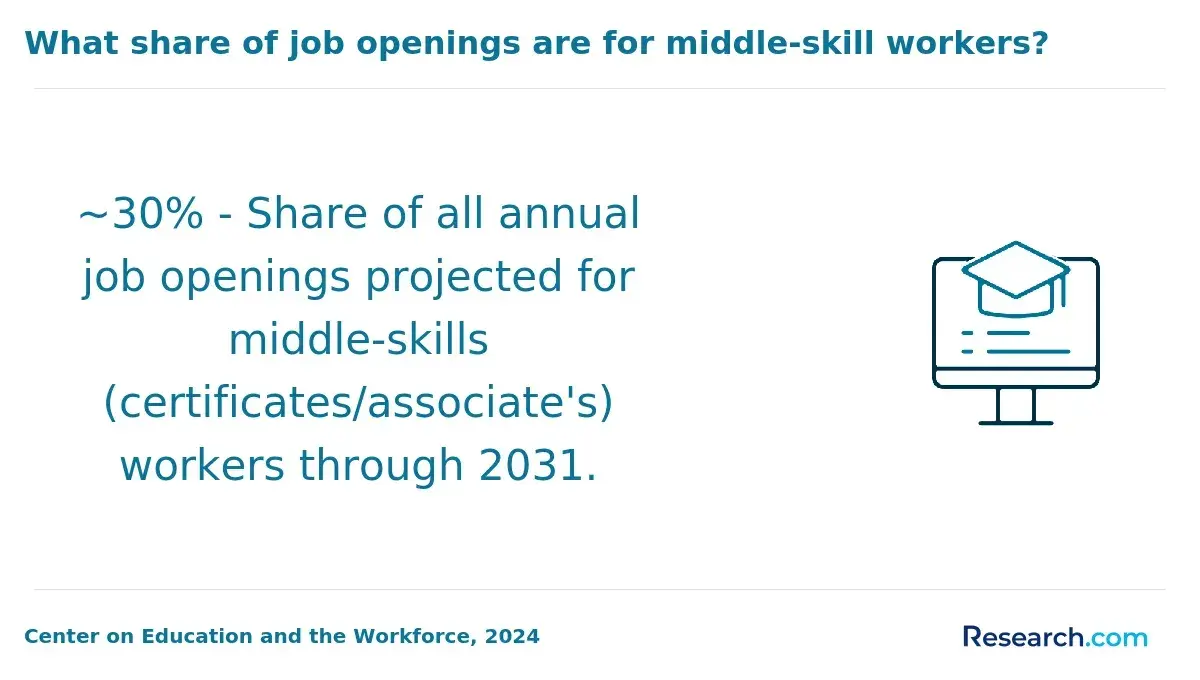
The job market for those with a degree in bioinformatics generally appears more favorable compared to candidates relying solely on experience. Many employers list a formal bioinformatics degree or a related field as a prerequisite, particularly for entry-level and research-focused roles. Nevertheless, a growing number of companies value hands-on experience and demonstrable skills equally, often considering coding expertise and familiarity with biological databases as key hiring factors.
Several aspects shape this outlook, including a candidate's grasp of foundational concepts from molecular biology, statistics, and computer science gained through academic programs. Complementing this, practical problem-solving abilities and adaptability to new tools and data types tend to be highly prized, whether developed inside or outside formal education. The balance between structured learning and experiential knowledge varies by sector and job requirements, making flexibility essential.
Ultimately, deciding if a bioinformatics degree is necessary depends on individual career ambitions. Those aiming for positions in academia or clinical research might find the degree almost indispensable due to its theoretical depth and research opportunities. Conversely, professionals targeting industry roles focused on application and development may succeed through self-directed learning and real-world projects.
Speaking with a bioinformatics professional who completed an online bachelor's program revealed some candid insights. He described initial doubts about whether his degree would truly set him apart, especially as many colleagues built skills on the job. However, he noted that the structured coursework helped him navigate complex topics faster and provided access to resources that self-study lacked. "It wasn't just about the credential," he shared, "but the confidence and connections that came with it." He emphasized that while experience mattered, the degree opened doors for interviews and collaborations that might have been otherwise challenging to secure.
Certain positions within bioinformatics specifically require candidates to hold a formal degree due to the complexity of the work involved, while other roles may prioritize demonstrated skills and job readiness regardless of formal education. Understanding the distinctions between these opportunities can help guide career decisions. Below are several prominent roles tied closely to a bioinformatics degree:
- Bioinformatics Scientist: These professionals design and apply computational tools to analyze biological data such as DNA or protein structures. Their work supports research and pharmaceutical development, requiring deep knowledge of both biology and programming typically acquired through formal study.
- Computational Biologist: Focused on modeling biological systems, they create simulations to predict genetic or molecular behaviors. This role demands advanced programming skills and biological expertise covered extensively in bioinformatics degree programs.
- Biostatistician: Applying statistical methods to biological experiments and clinical trials, biostatisticians need strong mathematical and biological backgrounds. A bioinformatics or related degree is often necessary, though some enter through complementary education and experience.
- Genomics Analyst: Responsible for analyzing large-scale sequencing data to identify genetic variants, this role requires proficiency with specialized bioinformatics software and techniques that are typically taught in degree programs.
While some bioinformatics career opportunities in the US do value extensive hands-on experience, a 2025 industry report showed 78% of employers prefer candidates with formal bioinformatics degrees, especially for research and development roles. This preference underscores the value of structured education when aiming for top jobs for bioinformatics degree graduates.
Individuals considering their path in bioinformatics should weigh both education and experience; however, for many, pursuing a bioinformatics degree opens broader and more stable career paths. For students exploring related options, programs such as a medical assistant course online offer alternative healthcare education avenues that might complement their skills and interests.
Holders of bioinformatics degrees generally benefit from structured networking avenues that can be pivotal early in their careers. Academic programs connect students with professors, alumni, and industry collaborators, which often leads to internships, mentorship, and job recommendations. Such formal networks provide smoother access to opportunities that may take longer to develop outside a university setting.
Professionals without degrees in bioinformatics typically build connections through alternative routes like participating in online forums, contributing to open-source projects, or attending relevant conferences. Their networking tends to rely heavily on personal initiative and establishing credibility within communities or workplaces, which can be more time-intensive but still effective.
Both degree holders and self-taught individuals leverage certain common resources, such as professional associations or social media groups, but the presence of alumni databases and faculty endorsements gives graduates a distinct advantage. The bioinformatics field places considerable value on networks, with hiring managers often viewing formal affiliations as indicators of reliability and collaboration potential. While not absolutely mandatory, cultivating strong professional relationships remains a significant factor in career advancement within bioinformatics.
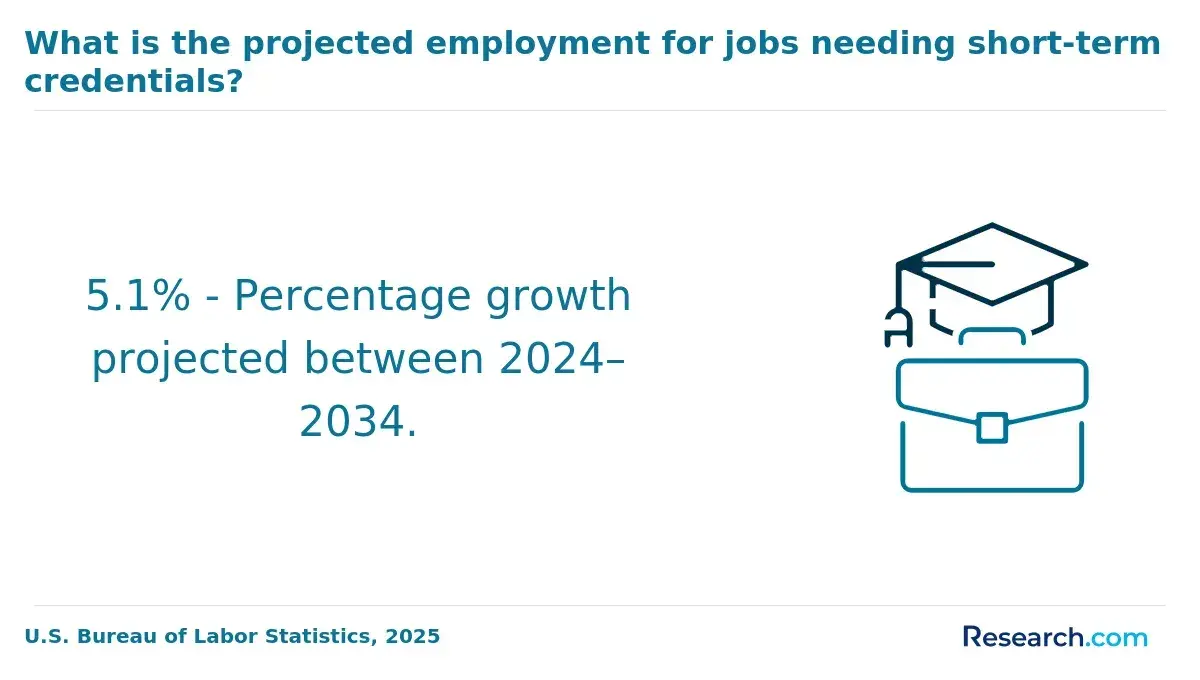
Having a degree in bioinformatics can make professionals more competitive for certain roles, especially those involving leadership and complex responsibilities. This education often signals a stronger readiness for advancement compared to relying solely on experience. Several key reasons explain how a degree influences promotion possibilities in this field.
- Comprehensive knowledge: Graduates gain a well-rounded background in biology, computer science, and statistics, essential for tackling challenging problems and leading projects effectively.
- Professional recognition: Employers tend to view degree holders as having validated expertise, which can translate into greater trust and opportunities for higher-level positions.
- Access to resources: Degree programs often offer specialized training, research opportunities, and networking connections that enhance career development and open doors to advanced certifications and leadership programs.
While professionals without formal degrees can still move up by proving their skills and delivering results, especially in smaller companies or startups, having a bioinformatics degree frequently provides a clear edge when aiming for senior or strategic roles.
Professionals holding a bioinformatics degree generally earn higher starting salaries compared to those relying solely on experience or self-teaching. Entry-level bioinformatics specialists with formal education typically make between $65,000 and $80,000 annually, whereas those without a degree often earn around $50,000. The income gap widens over time, as degree holders frequently progress to mid-career roles such as computational biologists or analysts with salaries exceeding $95,000. In contrast, non-degree professionals often encounter an income ceiling that limits their potential growth in more advanced or leadership roles.
The impact of a bioinformatics degree on income potential is reinforced by employer preferences; many organizations prioritize candidates with a bachelor's degree or higher due to the analytical and computational competencies formal education fosters. However, professionals without degrees can improve their salary outlook by obtaining advanced certifications or specialized training in key areas.
Pursuing continuous learning is essential to stay competitive and maintain job security during economic shifts. The best accredited medical billing and coding schools online are an example of niche programs that might complement bioinformatics knowledge and broaden career opportunities. Upskilling helps professionals become indispensable during organizational changes.
The average tuition for bioinformatics degree programs typically ranges from $30,000 to $60,000, depending on the institution and program length. Graduates often see a return on investment (ROI) within 3 to 5 years after entering the workforce, driven by starting salaries that average around $75,000 annually. This positive ROI is supported by strong demand for specialized skills in data analysis and computational biology.
Financial aid options such as scholarships, grants, and assistantships can significantly reduce upfront costs, helping students manage or avoid heavy student debt. Choosing accelerated degree programs is another effective way to maximize ROI by shortening the time to graduation and allowing earlier entry into the job market. Prospective students interested in pursuing advanced degrees may also look into online PhD programs.
Industry data show that professionals with a bioinformatics degree earn approximately 15% more on average than those relying solely on experience and self-teaching, particularly within their first five years. This wage premium helps graduates recover educational expenses faster and underscores the financial advantages of formal education in bioinformatics.
The bioinformatics job market is increasingly influenced by automation and artificial intelligence, which streamline many routine tasks such as data curation and sequence analysis. These advances contribute to fluctuations in employment stability, especially during economic downturns when companies reassess budgets and workforce needs. Professionals with formal degrees in bioinformatics tend to navigate these shifts better because their education equips them with a deep understanding of emerging technologies and interdisciplinary skills that go beyond basic job functions.
Degree holders generally face fewer risks of replacement by automation or layoffs during recessions. This is due partly to their exposure to cutting-edge tools and theoretical foundations, making it easier for them to integrate new AI applications into their work. In contrast, individuals who rely solely on experience or self-directed learning may struggle to keep pace with rapid technological changes and lack access to structured professional networks. Employers frequently favor candidates with verifiable credentials when hiring or downsizing, which enhances job security for those with formal education in the field.
When the author spoke with a professional who earned an online bioinformatics bachelor's degree, he shared candid insights about his career resilience. He explained that completing a structured program not only built his technical skills but also gave him confidence in adapting to new tools as they emerged. He recalled feeling anxious early on during layoffs at his firm but noticed that his education made it easier to transition to roles involving AI-driven projects. "Having a degree was like having a safety net," he said, adding that the connections and internships he gained through the program helped him stay relevant in a volatile job market.
What Graduates Say About Their Bioinformatics Degrees
- Francesca: "Having a bioinformatics degree truly set me apart in a competitive job market. The hands-on skills I acquired during my studies made me feel job-ready from day one, and I noticed a significant impact on my career growth and salary potential early on. It's clear to me now that this specialized education was a crucial investment in my professional journey."
- Eduardo: "Looking back, my degree in bioinformatics was instrumental not only in giving me the technical foundation but also in developing critical thinking skills that employers highly value. The coursework was challenging yet practical, which helped me swiftly adapt to real-world problems. This degree opened doors for promotions and gave me confidence in negotiations for better compensation."
- Henry: "My experience with bioinformatics education was transformative and distinctly advantageous. It provided me with a strong competitive edge by combining biology and computer science, preparing me thoroughly for the rising industry demands. Beyond employment, I've seen how it played a key role in advancing my career and increasing my earning potential over time."
Other Things You Should Know About Bioinformatics Degrees
Yes, holding a bioinformatics degree often provides access to specialized research projects, especially in academic and institutional settings. The structured training and exposure to current methodologies in degree programs can make candidates more competitive for roles that require advanced problem-solving skills and scientific rigor, which might be harder to demonstrate through experience alone.
Many employers look for one applied experience before hiring, such as a 3- to 6-month internship or a final-year capstone built on real data. University programs often require a 3-credit project or practicum, and hiring teams use it to judge coding, analysis, and teamwork skills.
Employers in larger companies and research institutions often place higher value on formal bioinformatics degrees due to the complexity and scale of projects. In contrast, some startups or smaller organizations may prioritize demonstrable skills and experience over formal education, reflecting varying hiring practices across sectors.
Degree programs commonly include training in communication, teamwork, and project management, which are essential for advancing in collaborative scientific environments. These soft skills, often developed alongside technical expertise, can be less emphasized in self-directed learning, impacting long-term career growth and leadership opportunities.
- Navigating bioinformatics: A self-learning guide for wet-lab scientists https://network.febs.org/posts/navigating-bioinformatics-a-self-learning-guide-for-wet-lab-scientists
- Careers - Vault https://vault.com/professions/bioinformatics-specialists/requirements
- Bioinformatics: Scope, Future, Job Options, and Opportunities - MIT School of Bioengineering Sciences & Research https://www.mitbio.edu.in/bioinformatics-scope-future-job-options-and-opportunities/
- Do You Need a PhD for Bioinformatics? Industry vs. Academia https://www.symbioti.ca/do-you-need-a-phd-for-a-career-in-bioinformatics-the-truth-about-industry-vs-academia
- AI not all 'doom and gloom' for graduates, say businesses https://www.bbc.com/news/articles/cvg33nwy9llo
- Subscribe to read https://www.ft.com/content/becb8ed5-ffaa-4c08-ba56-c4d3e468de09
- College grads in ‘AI-proof’ careers like psychology and education are seeing negative returns on their degrees https://finance.yahoo.com/economy/articles/college-grads-ai-proof-careers-110200708.html
- Dreaming about Bioinformatics Job? Here is a handful of info for you. https://biotechvibes.com/insight/10/dreaming-about-bioinformatics-job-here-are-handful-information-for-you
- That self-taught Bioinformatician https://alexllc.github.io/posts/self_taught/
- How an Industry Aligned Bioinformatics Program Shortens Your Path to a Biotech Job - Bversity https://bversity.io/blog/how-an-industry-aligned-bioinformatics-program-shortens-your-path-to-a-biotech-job